Pmhnp: An Evidence-Based Guide for Patients

A PMHNP is a licensed advanced practice nurse specializing in mental health across the lifespan. PMHNPs can evaluate symptoms, diagnose conditions, provide psychotherapy, and often prescribe medication depending on local regulations.
Key Takeaways
- A PMHNP is a licensed advanced practice nurse specializing in mental health across the lifespan.
- PMHNPs can evaluate symptoms, diagnose conditions, provide psychotherapy, and often prescribe medication depending on local regulations.
- They commonly help manage anxiety, depression, trauma-related conditions, bipolar disorder, ADHD, sleep concerns, and substance use issues.
- The first visit usually includes a detailed history, symptom review, safety assessment, and a personalized treatment plan.
- Patients should seek prompt medical care for suicidal thoughts, self-harm risk, severe agitation, psychosis, or sudden major changes in behavior.
PMHNP stands for psychiatric-mental health nurse practitioner. A PMHNP is an advanced practice nurse trained to assess mental health symptoms, diagnose conditions, provide therapy, prescribe medication in many settings, and coordinate ongoing care.
Overview: what PMHNP means
PMHNP stands for psychiatric-mental health nurse practitioner. This is an advanced practice registered nurse with specialized education in mental health assessment, diagnosis, treatment, and long-term care. For patients, a PMHNP is often one of the main professionals who can help make sense of emotional, behavioral, and cognitive symptoms and build a practical treatment plan.
PMHNPs care for children, adolescents, adults, and older adults, depending on their training and clinical setting. They may work in outpatient clinics, hospitals, schools, community centers, telehealth services, or integrated primary care practices. Their role often combines medical knowledge, counseling skills, and care coordination.
One important point for patients is that PMHNP is a professional title, not a disease or diagnosis. People often search the term when trying to understand who can treat conditions such as depression, anxiety, attention difficulties, trauma-related symptoms, or mood changes. A PMHNP may work independently or alongside psychiatrists, psychologists, therapists, social workers, and primary care doctors.
What a PMHNP does for patients
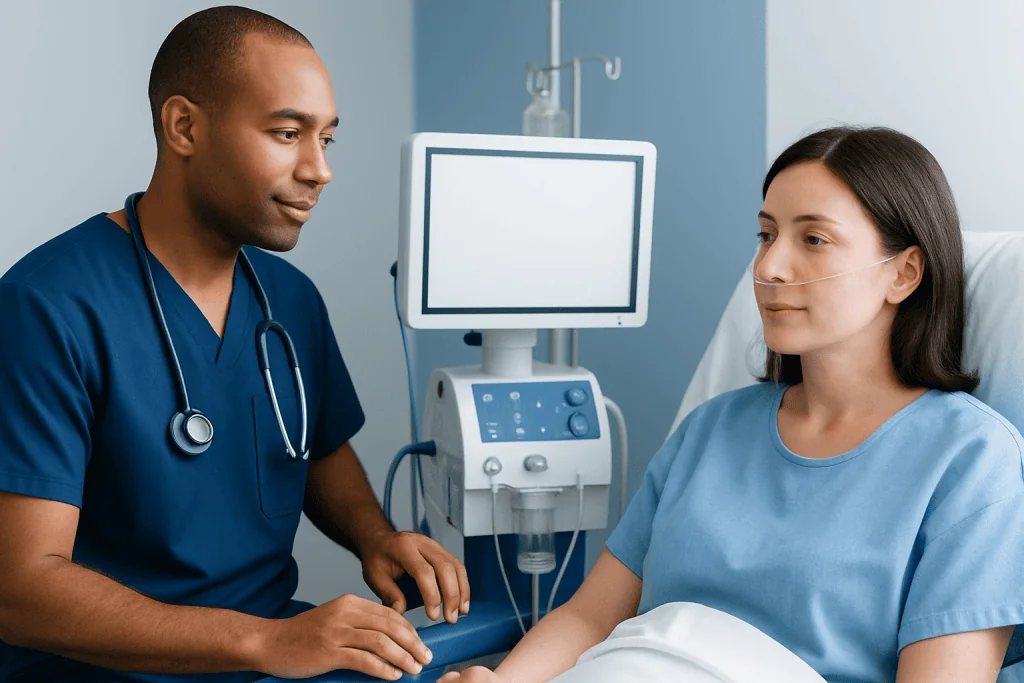
A PMHNP evaluates mental health concerns in a structured, evidence-based way. This usually includes asking about mood, sleep, stress, concentration, daily functioning, medical history, medications, substance use, and family history. The goal is not only to identify a diagnosis, but also to understand how symptoms affect school, work, relationships, and physical health.
Depending on local laws and the care setting, a PMHNP may diagnose mental health conditions, provide psychotherapy, prescribe and monitor psychiatric medications, and recommend lifestyle or behavioral strategies. They may also order or review lab tests when needed to rule out medical causes of symptoms, such as thyroid problems, vitamin deficiencies, medication side effects, or sleep disorders.
PMHNPs often help with conditions that overlap. For example, persistent worry may occur with panic symptoms, poor sleep, or physical tension; low mood may appear with pain, fatigue, or grief; and concentration problems may stem from stress, trauma, sleep loss, or ADHD. Because mental and physical health are closely connected, PMHNPs usually look at the whole person rather than a single symptom.
- Assess symptoms and functioning
- Develop a diagnosis or differential diagnosis
- Provide counseling or psychotherapy
- Prescribe or adjust medication when appropriate
- Monitor progress, side effects, and safety
- Coordinate care with other specialists and family doctors
Conditions a PMHNP may treat

PMHNPs commonly care for a wide range of mental health conditions. These include anxiety disorders, panic disorder, obsessive-compulsive symptoms, depressive disorders, trauma- and stressor-related disorders, bipolar disorder, attention-deficit/hyperactivity disorder, insomnia, and some substance use disorders. They may also support patients living with chronic medical illness who are experiencing emotional distress, adjustment difficulties, or treatment-related stress.
Some PMHNPs have additional experience in child and adolescent care, perinatal mental health, geriatric psychiatry, or addiction treatment. In these settings, they may help evaluate behavioral changes in children, mood symptoms during pregnancy or after birth, memory and mood concerns in older adults, or cravings and relapse prevention in people recovering from alcohol or drug use.
Treatment does not always mean medication. Many patients benefit from psychotherapy, stress-management skills, better sleep habits, substance-use reduction, family support, or referral for psychotherapy as part of a broader plan. When medication is needed, a PMHNP explains the expected benefits, common side effects, alternatives, and follow-up plan so patients can make informed decisions.
PMHNP vs psychiatrist, psychologist, and therapist
Patients often wonder how a PMHNP differs from other mental health professionals. A psychiatrist is a medical doctor specializing in mental health. A PMHNP is an advanced practice nurse with graduate-level psychiatric training. Both may assess symptoms, diagnose conditions, and in many settings prescribe medication, although scope of practice depends on national and regional regulations.
A psychologist is typically trained in psychological testing and psychotherapy, and usually does not prescribe medication in most regions. Therapists and counselors may provide talk therapy and coping support but may not diagnose or prescribe in the same way. Social workers often offer counseling, case management, and practical support for family, school, work, and community needs.
In real-world care, these roles often overlap and complement one another. A patient might see a PMHNP for diagnosis and medication management while also attending regular therapy sessions. In more complex cases, the PMHNP may recommend input from a psychiatrist, neurologist, or primary care physician, especially when symptoms may be related to sleep disorders, hormones, medication effects, or neurological illness.
What to expect at the first appointment
The first visit with a PMHNP is usually longer than a routine follow-up appointment. Patients are commonly asked about current symptoms, when they started, what makes them better or worse, past treatment, medical conditions, medications, sleep patterns, substance use, trauma history, and major life stressors. This detailed history helps build an accurate picture and avoids rushing to conclusions.
A PMHNP will usually also ask about safety. Questions about self-harm, suicidal thoughts, aggression, severe agitation, or hearing and seeing things others do not are a standard part of careful mental health assessment. These questions are not meant to judge the patient; they help identify the right level of support and protect health and safety.
By the end of the appointment, the patient may receive a working diagnosis, a list of possible causes still being considered, and a treatment plan. This can include follow-up visits, symptom tracking, therapy, lifestyle changes, school or workplace support, and when appropriate psychiatric treatment or referral for neurology evaluation if there are concerns such as seizures, major memory changes, or other neurological symptoms.
How treatment plans are built and monitored
Good mental health care is individualized. A PMHNP usually considers the patient’s age, symptoms, medical history, culture, daily responsibilities, treatment preferences, and past response to care. For some people, education, brief therapy, and lifestyle changes may be enough at first. For others, medication and closer monitoring may be important, especially when symptoms are moderate to severe or significantly affect safety and functioning.
Monitoring is a key part of PMHNP care. Follow-up visits help review symptom improvement, daily functioning, sleep, concentration, side effects, and any barriers to treatment. Plans may be adjusted gradually over time. In many cases, this step-by-step approach is safer and more effective than making large changes too quickly.
Family involvement can also be helpful when the patient agrees. Loved ones may notice mood shifts, sleep changes, irritability, or withdrawal before the patient does. In children, older adults, or people with severe illness, family observations can provide important context. When care is more complex, multidisciplinary teams such as those at Acibadem International’s JCI-accredited hospitals may work together to diagnose and treat mental health conditions for international patients.
Self-care and ways to support treatment
Self-care does not replace professional treatment, but it can make treatment more effective. Regular sleep, balanced meals, movement, sunlight exposure, and reduced alcohol or recreational drug use can support mood and concentration. Simple routines are especially helpful during periods of stress because they reduce decision fatigue and create structure.
Patients may benefit from keeping a symptom journal that tracks sleep, energy, mood, panic episodes, medication effects, menstrual cycle changes, caffeine use, and stressful events. This information can help a PMHNP identify patterns and decide whether symptoms fit anxiety, depression, bipolar disorder, trauma responses, medication side effects, or another condition.
- Keep regular follow-up appointments
- Take medicines only as prescribed and discuss side effects early
- Practice coping strategies learned in therapy
- Limit alcohol and avoid non-prescribed substances
- Maintain sleep and daily routines as consistently as possible
- Ask a trusted family member or friend for support when needed
If symptoms include persistent sadness, loss of interest, hopelessness, or major changes in sleep and appetite, early evaluation can be helpful. In some cases, PMHNPs coordinate care for depression with therapy and medical review to address both emotional and physical contributors.
When to seek medical care
It is a good idea to seek medical care if emotional or behavioral symptoms last more than a few weeks, keep returning, or interfere with work, school, relationships, sleep, or self-care. Early help may reduce the chance that symptoms become more disruptive and can improve quality of life.
Prompt or urgent care is needed if a person has suicidal thoughts, has a plan to self-harm, shows violent behavior, becomes severely confused, is unable to care for basic needs, or seems to lose touch with reality. Sudden extreme mood changes, new hallucinations, severe panic with chest symptoms, or major behavior changes after starting a medicine also need fast assessment.
If there is immediate danger, emergency services or the nearest emergency department is the safest choice. For non-emergency but concerning symptoms, a PMHNP, primary care doctor, or mental health specialist can help decide the next steps and whether additional testing or specialist referral is needed.
Frequently asked questions
What does PMHNP stand for?
PMHNP stands for psychiatric-mental health nurse practitioner. It refers to an advanced practice registered nurse who specializes in mental health assessment, diagnosis, treatment, and follow-up care.
Can a PMHNP prescribe medication?
In many regions, yes. Prescribing authority depends on local laws, licensing rules, and the practice setting, so patients may notice some differences between countries or states.
Is a PMHNP the same as a psychiatrist?
No, but their roles may overlap in important ways. A psychiatrist is a medical doctor, while a PMHNP is an advanced practice nurse with specialized psychiatric training; both may provide diagnosis and treatment, including medication management in many settings.
Do I need a referral to see a PMHNP?
That depends on the health system, insurance plan, and clinic. Some patients can book directly, while others may need a referral from a primary care doctor or another specialist.
What conditions can a PMHNP help with?
A PMHNP may help with anxiety, depression, panic attacks, trauma-related symptoms, bipolar disorder, ADHD, sleep concerns, and some substance use problems. They can also help sort out whether symptoms may be related to physical illness, medications, or stress.
What happens during a PMHNP evaluation?
The visit usually includes questions about symptoms, medical history, medications, sleep, substance use, stress, and daily functioning. The clinician may also ask safety questions and discuss a treatment plan that can include therapy, medication, lifestyle changes, or further testing.
This article is for general information only and is not a substitute for professional medical advice. Please consult a qualified doctor about your individual situation.
Explore treatments in Turkey — costs, top hospitals & a free quote
JCI-accredited · board-certified surgeons · reply within 24h
Add us as a Preferred Source to see more of our trusted health content across Google Search, AI Overviews and Discover.

More from the Health Library

Esophageal Perforation: An Evidence-Based Guide for Patients

Urea Cycle — Explained by Medical Evidence, Not Myths

Hawthorn Berry: An Evidence-Based Guide for Patients

Rhizotomy: What Patients Need to Know

Megalophobia — Explained by Medical Evidence, Not Myths