Megalophobia — Explained by Medical Evidence, Not Myths

Megalophobia is considered a type of specific phobia involving a strong fear response to large objects or environments. Symptoms can include panic-like physical sensations, intrusive fear, and avoidance of triggers such as tall buildings, statues, ships, or wide open structures.
Key Takeaways
- Megalophobia is considered a type of specific phobia involving a strong fear response to large objects or environments.
- Symptoms can include panic-like physical sensations, intrusive fear, and avoidance of triggers such as tall buildings, statues, ships, or wide open structures.
- Diagnosis is clinical and focuses on how persistent the fear is and how much it affects daily functioning.
- Treatment often includes psychotherapy, especially cognitive behavioral therapy and gradual exposure-based approaches.
- Seeking professional support is appropriate when fear causes distress, avoidance, or interferes with work, travel, relationships, or routine activities.
Megalophobia is an intense, persistent fear of very large objects, structures, or spaces. It is more than simple dislike or discomfort and, when severe, can cause anxiety, avoidance, and disruption in daily life, but effective treatment is available.
What is megalophobia?
Megalophobia is a strong, ongoing fear of very large objects, buildings, structures, or spaces. A person may feel overwhelmed when seeing things such as skyscrapers, stadiums, large statues, cruise ships, bridges, airplanes, or even very large natural features. This reaction is not simply a preference or a moment of surprise. In megalophobia, the fear is intense enough to cause marked distress or avoidance.
From a medical perspective, megalophobia is generally understood as a form of specific phobia. Specific phobias are anxiety disorders in which fear is triggered by a particular object or situation. The response can feel immediate and physical, even when the person recognizes that the level of fear may be out of proportion to the actual danger.
People sometimes use the term casually online to describe feeling unsettled by giant objects in photos or videos. However, true megalophobia usually involves persistent anxiety in real life or even in anticipation of an encounter. It becomes a health concern when it interferes with travel, work, leisure activities, or emotional well-being.
How megalophobia feels and common symptoms
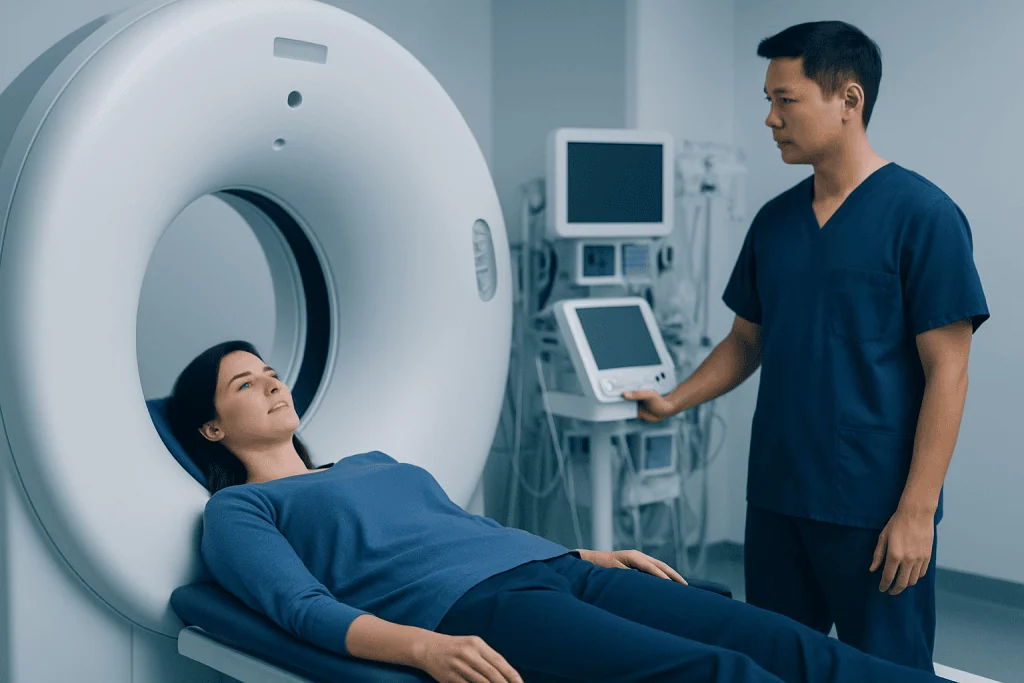
The experience varies from person to person. Some feel a sudden wave of fear only when standing close to a very large object. Others become anxious when they think about certain places, view images, or expect to encounter large structures during daily activities. The fear may be linked to the sense of being physically small, losing control, or being harmed, even when no real threat is present.
Symptoms can include both emotional and physical signs of anxiety. In some people, the reaction can resemble a panic attack. Common symptoms include:
- Intense fear or dread when near large objects or environments
- A strong urge to leave, hide, or avoid the situation
- Rapid heartbeat, sweating, trembling, or shortness of breath
- Dizziness, nausea, or a feeling of unreality
- Difficulty concentrating or thinking clearly during exposure
- Anticipatory anxiety before travel, events, or visits to certain places
These symptoms may occur within seconds of seeing a trigger or may build gradually. In children, fear may appear as crying, freezing, clinging, or refusing to enter a place. Adults may try to manage symptoms quietly, but the internal distress can still be significant.
Not everyone who dislikes large objects has megalophobia. The key difference is the intensity, persistence, and impact on everyday life. If a person avoids vacations, transportation, city centers, museums, or work settings because of fear, evaluation by a qualified mental health professional may be helpful.
Why megalophobia happens

There is no single known cause of megalophobia. Like other specific phobias, it is thought to develop through a combination of biological, psychological, and environmental factors. Some people may have a general tendency toward anxiety, while others may connect a frightening experience with a particular kind of large object or place.
Possible contributing factors include past distressing events, learned fear from observing others, heightened sensitivity to physical sensations of anxiety, and patterns of catastrophic thinking. For example, a person may interpret the size of a structure as threatening, unstable, or overwhelming even when it is objectively safe.
Media and repeated exposure to frightening imagery can also shape fear responses in some individuals. However, this does not mean the condition is imagined or simply a matter of willpower. Phobic reactions involve real nervous system activation. Other anxiety-related conditions may overlap as well, including anxiety disorders or panic symptoms, which can make the experience feel more intense.
In some cases, the fear may be connected to other concerns, such as heights, enclosed spaces, crowds, or travel. A careful assessment helps clarify whether the main issue is megalophobia itself or another condition with a different trigger pattern.
Triggers and effects on daily life
Megalophobia triggers are often easy to recognize, but they are not identical for everyone. One person may react strongly to man-made structures such as towers, monuments, tunnels, and large vehicles. Another may fear immense indoor spaces, giant artworks, or natural settings such as cliffs or vast rock formations. Digital images, drone footage, or virtual reality scenes can also trigger discomfort in some people.
The practical impact may go beyond the moment of fear. A person may change commuting routes, avoid airports, skip social events, or feel unable to visit certain cities. Anticipatory worry can become exhausting and may reduce confidence over time. This can affect school, work, relationships, and quality of life.
Avoidance can bring short-term relief, but it often strengthens the phobia in the long term. When the brain learns that escaping the trigger reduces distress, the fear cycle becomes reinforced. This pattern is common across specific phobias and is one reason treatment aims to build tolerance and a sense of safety rather than relying on avoidance alone.
How megalophobia is diagnosed
There is no blood test or scan that confirms megalophobia. Diagnosis is based on a clinical assessment by a psychiatrist, psychologist, or other qualified mental health professional. The clinician asks about the person’s symptoms, triggers, duration of fear, coping patterns, and how the condition affects daily activities.
In general, specific phobia is considered when fear is persistent, excessive relative to the situation, and consistently provokes anxiety or avoidance. The symptoms should also cause meaningful distress or interfere with normal functioning. The clinician may ask whether the fear occurs only in certain settings or alongside broader anxiety, trauma-related symptoms, or mood changes.
Assessment is also used to rule out other conditions that may look similar. For example, fear triggered mainly by open public places may overlap with panic disorder or agoraphobia. If symptoms involve recurring panic episodes or significant generalized worry, the person may need evaluation for related conditions such as panic attacks or other anxiety disorders.
The goal of diagnosis is not labeling for its own sake. It is to understand the pattern clearly so that treatment can be matched to the person’s needs, preferences, and level of impairment.
Treatment options supported by medical evidence
Megalophobia is treatable, and many people improve with structured care. The main evidence-based treatment is psychotherapy, especially cognitive behavioral therapy. CBT helps a person identify unhelpful thought patterns, understand the body’s anxiety response, and learn practical ways to respond differently to triggers.
Exposure-based therapy is often a central part of treatment for specific phobias. This does not mean forcing a person into overwhelming situations. Instead, exposure is usually gradual, planned, and collaborative. The person works step by step, beginning with less distressing triggers and building confidence over time. In some settings, treatment may involve cognitive behavioral therapy combined with guided exposure exercises.
Relaxation skills, breathing techniques, and mindfulness-based strategies may help reduce physical tension, although they are usually most effective when used alongside therapy that directly addresses the fear. Some people also benefit from broader psychiatric evaluation and treatment if symptoms are severe, if other anxiety conditions are present, or if medication is being considered as part of overall care.
Medication is not usually the primary treatment for a specific phobia, but in selected cases a doctor may discuss short-term or longer-term options depending on symptom pattern and coexisting conditions. Any medication decision should be individualized and supervised by a qualified clinician. For patients with complex symptoms, psychological assessment and therapy can help create a tailored treatment plan.
Self-care, coping strategies, and prevention
There is no guaranteed way to prevent megalophobia, but early support can reduce the chance that fear becomes more disabling. When a person notices increasing avoidance or strong physical anxiety around certain triggers, seeking help sooner may lead to smoother progress. Self-blame is not helpful; phobias are real anxiety conditions, not personal weakness.
Helpful daily strategies may include learning about anxiety, practicing regular sleep habits, limiting excess caffeine if it worsens symptoms, and building stress-management routines such as walking, breathing exercises, or guided relaxation. Keeping a brief journal of triggers and reactions can also help identify patterns that are useful during therapy.
For some people, gradual self-directed steps are useful, such as first viewing mild images of large objects, then discussing reactions, and later approaching real-life settings with support. However, if self-exposure feels overwhelming or leads to severe panic, professional guidance is safer and usually more effective. Trying to endure intense fear alone may strengthen the cycle rather than reduce it.
Near the end of the care journey, relapse prevention often focuses on continuing occasional practice with manageable triggers and recognizing early signs of avoidance. Acibadem International’s multidisciplinary specialists in JCI-accredited hospitals also diagnose and treat anxiety-related conditions for international patients when evaluation or therapy support is needed.
When to seek medical care
Medical or mental health care is appropriate when fear of large objects or spaces causes repeated distress, avoidance, or disruption in everyday life. A person should consider professional help if they are changing plans, refusing travel, struggling at work or school, or feeling embarrassed and isolated because of their symptoms.
More urgent assessment is sensible if anxiety is severe, panic-like symptoms are frequent, or the person is using alcohol or other substances to cope. It is also important to seek care if symptoms occur together with depression, sleep problems, or fear of leaving home.
If there is chest pain, fainting, or symptoms that could reflect a medical problem rather than anxiety, prompt medical evaluation is important. A clinician can help distinguish anxiety-related reactions from other causes and guide the next steps safely and appropriately.
Frequently asked questions
Is megalophobia a real medical condition?
Megalophobia is not just a social media term when it causes intense fear, avoidance, and distress. Clinically, it is generally understood as a type of specific phobia, which is a recognized anxiety disorder. A qualified mental health professional can determine whether symptoms meet the criteria for diagnosis.
What kinds of things can trigger megalophobia?
Triggers often include very large buildings, statues, ships, bridges, airplanes, stadiums, or wide architectural spaces. Some people are also triggered by large natural features or even images and videos. The exact trigger pattern can vary widely from one person to another.
Can megalophobia cause panic attacks?
Yes. In some people, exposure to a trigger can produce panic-like symptoms such as rapid heartbeat, shortness of breath, trembling, dizziness, or a strong urge to escape. These symptoms can feel very intense, even if the situation itself is objectively safe.
How is megalophobia treated?
The most effective treatment is usually psychotherapy, especially cognitive behavioral therapy with gradual exposure techniques. Treatment is designed to reduce fear over time in a structured, manageable way. Some people may also need treatment for related anxiety conditions.
Can megalophobia go away on its own?
Mild fears may lessen over time, but persistent phobias often continue without targeted treatment. Avoidance can make the fear stronger because it reinforces the sense of danger. Early support can make recovery easier and help prevent the problem from affecting more areas of life.
When should someone see a doctor or therapist for megalophobia?
It is a good idea to seek help when fear leads to repeated avoidance, interferes with travel or daily activities, or causes significant distress. Professional care is also important if symptoms are severe, panic-like episodes are frequent, or mood and sleep are being affected. A clinician can confirm the diagnosis and recommend the most appropriate treatment plan.
This article is for general information only and is not a substitute for professional medical advice. Please consult a qualified doctor about your individual situation.
Explore treatments in Turkey — costs, top hospitals & a free quote
JCI-accredited · board-certified surgeons · reply within 24h
Add us as a Preferred Source to see more of our trusted health content across Google Search, AI Overviews and Discover.

More from the Health Library

Bumps on Scalp: What Patients Need to Know

Tapeworms in Humans: What Patients Need to Know

Tamoxifen: A Complete Medical Overview

Oligohydramnios: An Evidence-Based Guide for Patients

Amygdala — Explained by Medical Evidence, Not Myths