Bumps on Scalp: What Patients Need to Know

Many scalp bumps are benign and may come from acne, cysts, dandruff-related inflammation, or folliculitis. Symptoms such as pain, pus, bleeding, hair loss, or rapid growth can help guide diagnosis.
Key Takeaways
- Many scalp bumps are benign and may come from acne, cysts, dandruff-related inflammation, or folliculitis.
- Symptoms such as pain, pus, bleeding, hair loss, or rapid growth can help guide diagnosis.
- Treatment depends on the cause and may include medicated shampoos, topical medicines, drainage, or minor procedures.
- Avoid picking or squeezing scalp bumps, as this can worsen inflammation and raise the risk of infection.
- Medical evaluation is important if scalp bumps persist, recur often, or are associated with fever or swollen lymph nodes.
Bumps on scalp are common and are often linked to clogged hair follicles, cysts, skin irritation, or infections. While many are harmless, scalp bumps that are painful, draining, spreading, or not improving should be assessed by a doctor.
Overview: what bumps on scalp usually mean
Bumps on scalp can have many causes, and most are not serious. In many people, they are related to inflamed hair follicles, acne-like breakouts, cysts under the skin, or irritation from hair products, sweat, and scratching. The exact cause often depends on how the bumps look, whether they itch or hurt, and whether there is scaling, drainage, or hair loss nearby.
The scalp is different from other skin because it contains dense hair follicles, oil glands, and frequent exposure to styling products, heat, hats, and friction. This makes it more likely to develop follicle-related conditions than some other parts of the body. A person may notice just one lump or several small bumps scattered over the scalp.
Although many scalp bumps improve with gentle skin care and treatment of the underlying cause, some require medical attention. A growing lump, a tender area with pus, or a bump that keeps coming back may need evaluation by a dermatologist or another qualified doctor. A careful examination is the best way to distinguish common conditions from less typical causes.
Common types and symptoms of scalp bumps
Scalp bumps can feel different depending on what is causing them. Some are small, itchy, and red, while others are firm, skin-colored, and slowly enlarging. The associated symptoms often provide important clues. For example, folliculitis usually causes small tender or itchy pimples around hair follicles, whereas a pilar or epidermoid cyst often feels like a smooth lump under the skin.
People may also notice flaking, greasy scale, burning, or soreness. Dandruff and seborrheic dermatitis can inflame the scalp and sometimes lead to itchy, irritated bumps from scratching. Acne on the scalp may resemble tiny pustules or larger painful nodules. In some cases, insect bites, contact dermatitis, or an allergic reaction to dyes and hair products can also create raised spots.
Symptoms that deserve particular attention include persistent pain, warmth, pus, crusting, bleeding, and patchy hair loss. These features may suggest infection or a more inflammatory scalp disorder. If there are painful draining lesions or areas of scarring, doctors may also consider less common conditions that need specialist care, including hidradenitis suppurativa when similar lesions affect other hair-bearing areas of the body.
- Red or skin-colored bumps
- Itching or burning
- Tenderness or pain
- Pus, crusting, or drainage
- Scaling or dandruff
- Hair thinning or patchy hair loss around the bumps
Causes and risk factors

One of the most common causes of bumps on scalp is folliculitis, which is inflammation of the hair follicles. This can happen when follicles become irritated, blocked, or infected by bacteria, yeast, or fungi. Sweating, tight headwear, shaving, frequent scratching, and heavy hair products may increase the chance of follicle irritation. Some people are also more prone to scalp acne, which can look similar.
Cysts are another frequent cause. Pilar cysts often develop on the scalp and usually feel round, smooth, and mobile under the skin. They are typically benign and may remain unchanged for long periods, though they can become inflamed or uncomfortable. Other possible causes include contact dermatitis from shampoos or hair dye, seborrheic dermatitis, psoriasis, and less commonly viral or fungal infections of the scalp.
Risk factors vary by condition but may include oily skin, a history of acne, dandruff, eczema, psoriasis, close shaving, and reduced immune defenses. Recurrent lesions can also occur in people with chronic skin inflammation. When bumps are associated with scaling and irritation from a skin disorder, doctors may also evaluate for conditions such as psoriasis if lesions are present elsewhere on the body.
How doctors diagnose scalp bumps
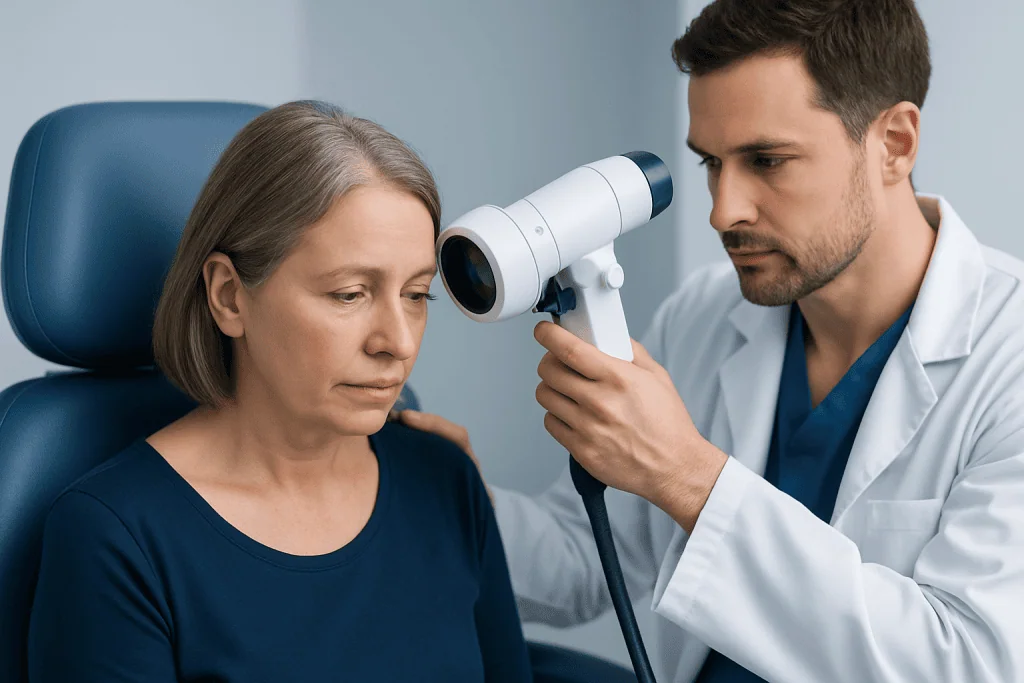
Diagnosis begins with a medical history and scalp examination. A doctor usually asks when the bumps started, whether they itch or hurt, if they come and go, and whether there are triggers such as new hair products, recent illness, sweating, or shaving. The appearance, size, and pattern of the lesions often suggest the likely cause.
In many cases, the diagnosis can be made clinically. A smooth solitary lump may point to a cyst, while multiple pustules around follicles may suggest folliculitis. If infection is suspected, a doctor may take a swab or sample to look for bacteria or fungi. If there is hair loss, scale, or scarring, the evaluation may include closer examination of the scalp and hair shafts.
Sometimes a biopsy is recommended if the diagnosis is unclear or if a bump has unusual features such as rapid growth, repeated bleeding, or failure to heal. Imaging is not usually needed for common scalp bumps, but it may be considered if a deeper mass is suspected. The goal is to confirm the cause so treatment can be targeted rather than relying on trial and error.
Treatment options for bumps on scalp
Treatment depends on the cause. Mild folliculitis or acne-like bumps may improve with gentle scalp cleansing, avoiding occlusive products, and using medicated shampoos or topical treatments recommended by a doctor. If bacterial infection is present, prescription antibiotics may be used. When yeast-related inflammation contributes, antifungal shampoos or creams may help reduce symptoms.
Cysts often do not need treatment if they are small and asymptomatic. However, if a cyst becomes painful, repeatedly inflamed, or cosmetically bothersome, a doctor may advise removal. This can involve a minor procedure to drain or excise the lesion depending on the type and degree of inflammation. In selected cases, people may need dermatology care for evaluation and ongoing management of recurrent scalp lesions.
Inflammatory skin conditions such as seborrheic dermatitis, eczema, or psoriasis are treated by controlling the underlying inflammation. This may involve medicated shampoos, topical corticosteroids, or other targeted treatments prescribed by a specialist. If a suspicious or persistent lump needs removal or tissue diagnosis, doctors may discuss a minor skin biopsy or a small office-based procedure.
Self-treatment should be cautious. Picking, squeezing, or trying to cut open a scalp bump at home can lead to pain, infection, and scarring. If the diagnosis is uncertain or if symptoms are worsening, professional evaluation is safer than repeated home remedies.
Prevention and scalp self-care
Not all scalp bumps can be prevented, but simple habits can reduce irritation and lower the chance of recurrence. Washing the scalp regularly with a suitable shampoo helps remove oil, sweat, and product buildup. People with dandruff or oily scalp may benefit from medicated shampoos if advised by a clinician. Hair products should be chosen carefully, especially if there is a history of sensitivity or contact dermatitis.
It is also helpful to avoid scratching the scalp, sharing combs or hats, and wearing tight head coverings for long periods when sweating heavily. After exercise, cleansing the scalp and allowing it to dry can reduce moisture and friction around the follicles. Razors and clippers should be kept clean, and shaving too closely should be avoided if folliculitis is a recurring problem.
For recurring inflammatory or complex scalp conditions, a tailored treatment plan may be needed rather than repeated over-the-counter products. In specialist settings, care may involve skin and scalp evaluation to identify triggers and choose treatments that protect the skin barrier while addressing infection or inflammation.
When to seek medical care
A doctor should assess bumps on scalp if they are painful, warm, draining pus, rapidly increasing in size, or not improving after a reasonable period of self-care. Medical review is also important if the bumps keep returning, spread to other areas, or are associated with fever, swollen lymph nodes, or feeling generally unwell. These features can suggest infection or a more persistent inflammatory disorder.
Any scalp lump that bleeds easily, changes in color, develops a sore that does not heal, or causes localized hair loss should also be evaluated. While many scalp lesions are benign, persistent or unusual changes should not be ignored. Early assessment can help clarify the diagnosis and avoid unnecessary discomfort or complications.
International patients seeking specialist assessment may benefit from multidisciplinary care. Acibadem International’s JCI-accredited hospitals and specialists evaluate and treat scalp and skin conditions for patients who need diagnosis, procedures, or follow-up care.
Frequently asked questions
Are bumps on scalp usually serious?
Most scalp bumps are not serious and are commonly caused by folliculitis, acne, cysts, or irritation. Even so, a bump that is painful, growing, bleeding, or not healing should be checked by a doctor.
Why do bumps on my scalp hurt?
Pain often suggests inflammation or infection, especially when a hair follicle is involved. Tenderness can also happen with an inflamed cyst or after repeated scratching and irritation.
Can dandruff cause scalp bumps?
Yes. Dandruff and seborrheic dermatitis can make the scalp itchy and inflamed, and scratching may lead to small irritated bumps. Treating the underlying scalp inflammation often helps the bumps improve.
Should scalp bumps be squeezed or popped?
No. Squeezing scalp bumps can push inflammation deeper, increase pain, and raise the risk of infection or scarring. It is safer to have persistent or painful bumps assessed by a clinician.
What does a scalp cyst feel like?
A scalp cyst often feels like a round, smooth lump under the skin that moves slightly when touched. It may stay painless, but it can become sore or swollen if inflamed.
Can hair products cause bumps on scalp?
Yes. Some shampoos, conditioners, styling products, and hair dyes can irritate the skin or block follicles, leading to itchy or acne-like bumps. If symptoms started after a new product, stopping it and seeking medical advice may help identify the trigger.
This article is for general information only and is not a substitute for professional medical advice. Please consult a qualified doctor about your individual situation.
Hair transplant in Turkey — costs, graft counts & a free assessment
JCI-accredited · board-certified surgeons · reply within 24h
Add us as a Preferred Source to see more of our trusted health content across Google Search, AI Overviews and Discover.

More from the Health Library

Basil Seeds: A Complete Medical Overview

Whole Milk Fat Percentage — Explained by Medical Evidence, Not Myths

Dandelion Leaves: What Patients Need to Know

Red Eye Drops: A Complete Medical Overview

Beer and kidney stones: A Complete Medical Guide for Patients