Infected Piercing Belly: What Patients Need to Know

Mild irritation is common after a new navel piercing, but worsening pain, redness, swelling, or pus may point to infection. Do not remove the jewelry unless a clinician advises it, because premature removal can trap infection under the skin.
Key Takeaways
- Mild irritation is common after a new navel piercing, but worsening pain, redness, swelling, or pus may point to infection.
- Do not remove the jewelry unless a clinician advises it, because premature removal can trap infection under the skin.
- Gentle aftercare and avoiding friction, swimming, and harsh products can support healing.
- Medical care is important if symptoms spread, a fever develops, or the area forms an abscess.
- People with diabetes, immune suppression, or slow wound healing should seek advice early.
An infected piercing belly usually causes increasing redness, swelling, tenderness, warmth, or discharge around a belly button piercing rather than the mild soreness expected in early healing. Most cases improve with proper cleaning and medical advice when needed, but spreading redness, fever, severe pain, or a lump should be assessed promptly.
Overview: What an Infected Piercing Belly Means
An infected piercing belly refers to infection around a belly button, or navel, piercing. In the first days after piercing, some redness, mild swelling, crusting, and tenderness can be normal. Infection is more likely when symptoms steadily worsen instead of slowly improving, especially if there is increasing warmth, throbbing pain, bad-smelling discharge, or pus.
Navel piercings can heal more slowly than some other body piercings because the area is often exposed to friction from clothing, sweat, and repeated movement. The skin fold around the belly button can also trap moisture and bacteria. For these reasons, careful hygiene and patience are important during healing.
Many people worry as soon as they notice redness, but not every irritated piercing is infected. Jewelry rubbing, metal sensitivity, over-cleaning, minor trauma, or snagging on clothes can cause inflammation that looks similar at first. A clinician can help tell the difference if symptoms are unclear or persistent.
Common Signs and Symptoms
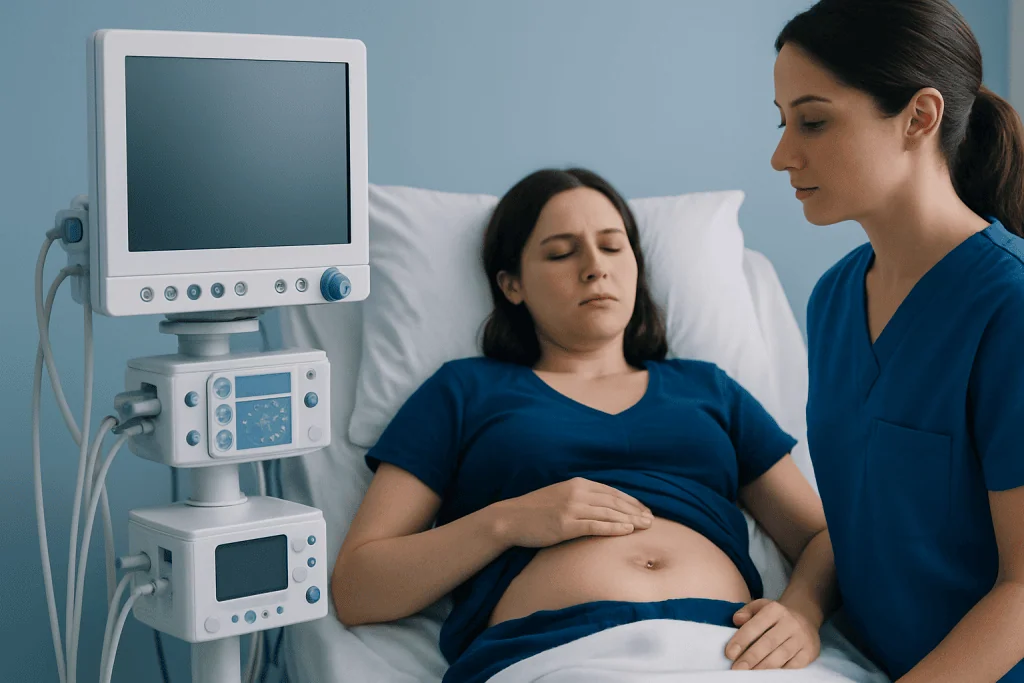
The symptoms of an infected navel piercing often go beyond the mild discomfort expected after the procedure. Pain may become sharper or more constant, and the skin may look more red, swollen, or shiny than before. The area can also feel warm to the touch and become more tender over time.
Discharge is another important clue. A small amount of clear or pale yellow fluid can be part of normal healing, but thick yellow, green, gray, or foul-smelling drainage is more concerning for infection. Bleeding that continues or restarts after the early healing period also deserves attention.
Possible symptoms include:
- Increasing redness around the piercing site
- Swelling that does not settle or keeps getting worse
- Pain, throbbing, or tenderness
- Warmth around the skin
- Pus or cloudy discharge
- Unpleasant odor from the site
- A lump, pocket of fluid, or crusting that keeps returning
- Fever or feeling generally unwell in more severe cases
If a piercing bump forms, it is not always an infection. Some bumps are due to irritation, excess scar tissue, or a cyst. However, a painful, enlarging, warm lump may indicate an abscess and should be examined by a doctor.
Why Belly Button Piercings Become Infected

Infection usually happens when germs enter the skin through the piercing channel. This can occur during the piercing process if hygiene standards are poor, or later during healing if the area is handled frequently, cleaned improperly, or exposed to contaminated water. Touching the piercing with unwashed hands is a common cause of irritation and infection.
Several factors can raise the risk. Tight waistbands, rough fabrics, sweating, exercise friction, and sleeping positions that press on the area can delay healing and damage the tissue. Swimming pools, hot tubs, lakes, and baths may expose a new piercing to microbes before the skin barrier has fully closed.
Some people also have a higher risk of complications because of underlying health conditions. Diabetes, immune suppression, poor circulation, skin disorders, smoking, and a history of slow wound healing can all make infection more likely or harder to control. In some cases, irritation may be due to metal allergy rather than infection, especially if the jewelry contains nickel.
If symptoms are severe or recurrent, doctors may consider other skin problems such as cellulitis or a deeper soft tissue infection. This is one reason persistent symptoms should not be ignored.
Diagnosis and How Doctors Tell Infection from Irritation
Diagnosis usually begins with a physical examination. A doctor looks at the color of the skin, the type of discharge, the degree of swelling, and whether redness is staying local or spreading outward. They may ask when the piercing was done, how the site has been cleaned, whether the jewelry has been changed, and whether the area has been exposed to pools, sweat, friction, or trauma.
In many cases, the diagnosis is clinical, meaning it is based on symptoms and examination rather than tests. If there is a large amount of pus, a deep abscess, or recurrent infection, the clinician may take a sample to identify the germ. Blood tests are not needed for most mild local infections, but they may be considered if fever or wider illness is present.
Doctors also consider look-alike conditions. Contact dermatitis from metal or cleaning products can cause redness and itching. A hypertrophic scar or keloid can create a raised bump. A trapped hair, cyst, or granuloma may also mimic an infected piercing. When symptoms overlap, proper assessment helps guide safe treatment.
Treatment Options and Safe Home Care
Treatment depends on how mild or severe the problem is. If symptoms are mild and there are no signs of spreading infection, a doctor may recommend careful local care and close monitoring. This usually includes gentle cleansing with sterile saline or a clinician-recommended solution, avoiding harsh antiseptics unless specifically advised, and keeping the area as dry and clean as possible.
It is usually best not to remove the jewelry without medical guidance. Removing it too early can allow the opening to close over, trapping discharge and infection beneath the skin. At the same time, changing jewelry on a swollen piercing can worsen trauma, so any adjustment should be done by a trained professional or clinician.
If infection is more clearly present, treatment may include topical or oral antibiotics depending on the depth and extent of the infection. When a painful pocket of pus has formed, abscess drainage may be needed so the area can heal properly. If there is concern about a metal reaction or embedded jewelry, a clinician may discuss removal once it is safe.
Helpful self-care steps may include:
- Wash hands before touching the piercing
- Clean gently as advised and avoid scrubbing
- Wear loose, breathable clothing that does not rub the area
- Avoid swimming, hot tubs, and soaking the piercing until healed
- Do not use alcohol, hydrogen peroxide, or strong fragranced products unless instructed
- Do not squeeze pus or pick crusts
When infection is linked to a wider skin problem, doctors may also evaluate for conditions such as skin infections and tailor treatment accordingly.
Prevention and Healing Tips
Preventing an infected piercing belly starts before the piercing is even done. Choosing an experienced professional who uses sterile technique and high-quality jewelry reduces risk. Afterward, following aftercare instructions consistently matters more than using many different products. Gentle, simple care is often the safest approach.
The healing process for navel piercings can be long, so patience is essential. Rushing to change jewelry, touching the area often, or testing whether it is healed can set back recovery. Clothing choice also matters; waistbands, shapewear, and belts can create repeated friction that prolongs inflammation.
Practical prevention steps include:
- Keep the area clean and dry
- Avoid unnecessary handling and twisting of the jewelry
- Choose jewelry materials less likely to trigger allergy
- Pause activities that cause rubbing or repeated trauma
- Delay swimming and soaking until healing is well established
- Seek early advice if the piercing is not improving as expected
People with chronic conditions that affect healing may benefit from discussing body piercing with a healthcare professional in advance. If there are recurring concerns, evaluation by specialists in dermatology can help identify irritation, allergy, or infection-related skin changes.
When to Seek Medical Care
Medical care is recommended if a belly button piercing becomes increasingly painful, red, swollen, or warm instead of gradually settling. The same applies if there is thick pus, a bad odor, an enlarging lump, or redness spreading into the surrounding skin. Fever, chills, or feeling unwell are stronger warning signs and should not be ignored.
Prompt review is especially important for children, older adults, pregnant patients, and anyone with diabetes, immune suppression, or poor wound healing. These groups may develop complications more easily or need treatment sooner. A doctor may also need to assess whether there is an abscess, allergic reaction, or deeper tissue infection.
In some cases, imaging or specialist assessment is needed if the infection seems deeper than the skin surface or if symptoms keep returning. When wider treatment planning is required, services such as infectious diseases care may be relevant. Acibadem International’s multidisciplinary specialists and JCI-accredited hospitals diagnose and treat skin and soft tissue infections for international patients.
Frequently asked questions
How can someone tell if an infected piercing belly is serious?
A belly piercing infection may be more serious if redness spreads, pain increases, pus builds up, or a fever develops. Severe swelling, a painful lump, or feeling generally unwell are also reasons to seek medical care promptly.
Should jewelry be removed from an infected belly button piercing?
Not usually without medical advice. Removing jewelry too soon can trap infection inside the skin and make drainage harder, so a clinician should guide the safest next step.
Can a belly button piercing be irritated without being infected?
Yes. Friction from clothing, snagging, over-cleaning, and metal sensitivity can all cause redness, soreness, and bumps that resemble infection. If symptoms are worsening or unclear, a doctor can help distinguish irritation from infection.
What should be avoided when caring for a suspected infected piercing?
It is best to avoid squeezing the area, picking crusts, rotating the jewelry repeatedly, or using harsh products unless a clinician recommends them. Swimming, hot tubs, and tight clothing should also be avoided while the area is inflamed.
How long does a belly button piercing take to heal?
Healing can take many months, and some navel piercings heal more slowly than expected. Mild tenderness early on can be normal, but symptoms should gradually improve rather than become more intense.
When are antibiotics needed for an infected belly piercing?
Antibiotics may be needed when infection is clearly present, especially if there is spreading redness, pus, significant pain, or deeper tissue involvement. The decision depends on the exam findings, and a doctor chooses treatment based on severity.
This article is for general information only and is not a substitute for professional medical advice. Please consult a qualified doctor about your individual situation.
Explore treatments in Turkey — costs, top hospitals & a free quote
JCI-accredited · board-certified surgeons · reply within 24h
Add us as a Preferred Source to see more of our trusted health content across Google Search, AI Overviews and Discover.

More from the Health Library

Dandelion: An Evidence-Based Guide for Patients
Brown Recluse — Explained by Medical Evidence, Not Myths

Sarcopenia: A Complete Medical Overview

Codependency: What Patients Need to Know

Facial bones: Symptoms, Causes, and Treatment — Complete Patient Guide