Sarcopenia: A Complete Medical Overview

Sarcopenia is not just muscle loss; reduced strength and physical performance are central to the diagnosis. Aging is a major factor, but inactivity, poor nutrition, chronic disease, and inflammation also contribute.
Key Takeaways
- Sarcopenia is not just muscle loss; reduced strength and physical performance are central to the diagnosis.
- Aging is a major factor, but inactivity, poor nutrition, chronic disease, and inflammation also contribute.
- Resistance exercise and protein-focused nutrition are the main foundations of treatment.
- Doctors may use grip strength tests, walking speed, chair-rise tests, and body composition scans to diagnose sarcopenia.
- Medical review is important when muscle weakness leads to falls, weight loss, fatigue, or difficulty with daily activities.
Sarcopenia is the progressive loss of muscle strength, muscle mass, and physical performance, most often linked with aging but also influenced by illness, inactivity, and poor nutrition. Early recognition matters because targeted exercise, adequate protein intake, and treatment of underlying health conditions can help slow or improve it.
Overview: What Sarcopenia Means
Sarcopenia is a medical term for the gradual loss of muscle strength, muscle mass, and physical function. It becomes more common with age, but it is not an inevitable part of getting older in the same way for everyone. Some people notice only mild weakness, while others develop difficulty climbing stairs, getting up from a chair, walking at their usual pace, or carrying everyday items.
Modern experts place special emphasis on muscle strength, not only muscle size. This is important because a person can lose function before major visible muscle loss is obvious. In practice, sarcopenia is often recognized when weakness, slower movement, poor balance, or declining endurance begin to interfere with independence and quality of life.
Sarcopenia may occur on its own with aging, or it may develop alongside chronic illness, prolonged bed rest, low physical activity, or poor nutritional intake. It can overlap with frailty, osteoporosis, and weight loss, increasing the risk of falls, fractures, hospitalization, and delayed recovery after illness. For this reason, sarcopenia is best understood as a whole-body health issue rather than simply a change in muscle appearance.
How Sarcopenia Affects Daily Life
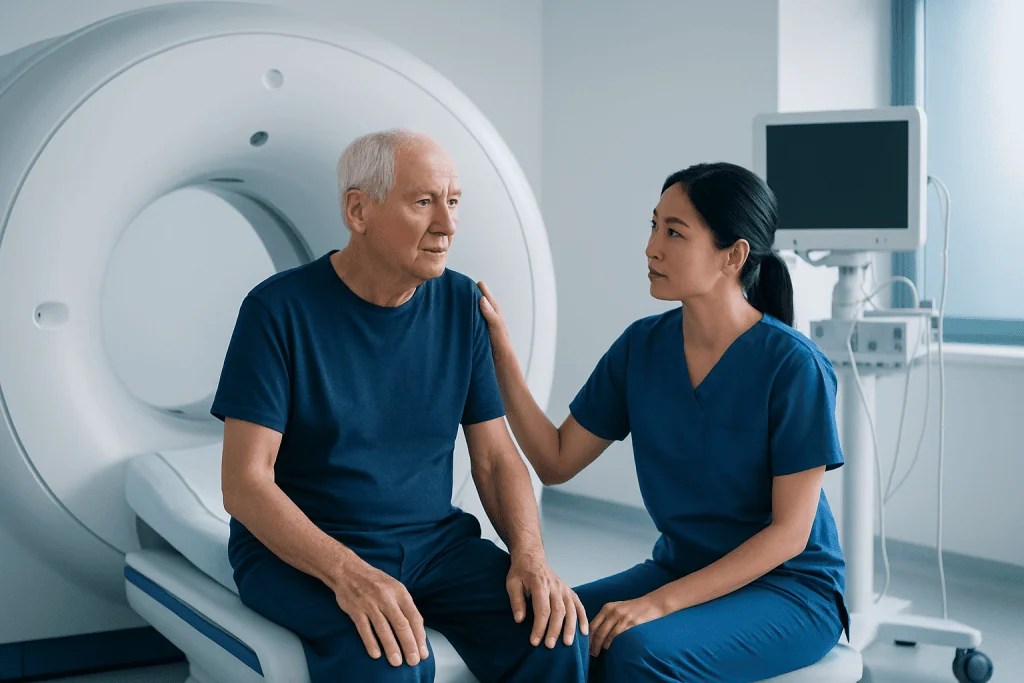
The effects of sarcopenia usually build gradually. At first, a person may feel less steady, tire more quickly, or avoid activities that were once easy. Over time, even routine tasks such as standing up from a low seat, lifting groceries, opening heavy doors, or walking longer distances may become more challenging.
Loss of strength can also affect confidence. People who feel unsteady may reduce their activity because they fear falling. Unfortunately, doing less movement can speed up further muscle loss. This cycle of weakness and inactivity is one reason early attention to sarcopenia is valuable.
Sarcopenia can occur together with other conditions that affect mobility and recovery. For example, muscle weakness may worsen the impact of joint problems, neurological disease, or low bone density such as osteoporosis. When muscle strength is reduced, the body has fewer physical reserves during illness, after surgery, or during rehabilitation.
- Reduced walking speed
- Difficulty rising from a chair or climbing stairs
- Lower stamina and faster fatigue
- Balance problems and falls
- Loss of independence in daily activities
Symptoms and Warning Signs

Sarcopenia does not always cause pain, so it may be overlooked. The most common symptom is progressive weakness, especially in the legs and core muscles. A person may notice that they use their arms to push themselves up from a chair, need more time to cross a room, or feel less stable while turning or walking on uneven ground.
Other signs can include reduced exercise tolerance, slower walking speed, shrinking muscle size, and unintended weight loss. Clothes may fit differently, or the arms and legs may look thinner. Some people describe a general sense of becoming “less strong” rather than a specific symptom.
Because sarcopenia often develops gradually, family members may be the first to notice changes such as reduced participation in physical activity, increased reliance on support, or more frequent near-falls. If weakness appears suddenly, affects one side more than the other, or comes with numbness, chest symptoms, fever, or severe fatigue, another medical problem may be responsible and prompt assessment is important.
Causes and Risk Factors
Aging is the strongest risk factor for sarcopenia, but it is only part of the picture. With age, the body becomes less efficient at building and maintaining muscle. Hormonal changes, lower physical activity, altered nerve-muscle signaling, and chronic low-grade inflammation may all contribute. However, the speed and severity of sarcopenia vary widely depending on overall health and lifestyle.
Inactivity is one of the most important modifiable causes. Muscle tissue responds to use. When a person becomes sedentary, spends long periods in bed, or reduces movement after surgery or illness, muscle loss can happen quickly. Poor nutrition, especially low protein intake or inadequate overall calories, may limit the body’s ability to repair and preserve muscle.
Many health conditions can increase risk, including diabetes, chronic lung disease, heart failure, kidney disease, cancer, digestive disorders that affect absorption, and inflammatory conditions. Obesity can coexist with low muscle quality and strength, a pattern sometimes called sarcopenic obesity. In these cases, weakness may be present even if body weight is normal or high. Evaluation may also include looking for related conditions such as low bone strength and osteoporosis because they can increase the consequences of falls.
- Older age
- Physical inactivity or prolonged bed rest
- Low protein or poor overall nutrition
- Chronic illness and inflammation
- Hormonal changes and metabolic disorders
- Smoking, excess alcohol use, and poor sleep
How Doctors Diagnose Sarcopenia
Diagnosis usually starts with a clinical conversation about strength, mobility, falls, appetite, weight change, and everyday function. A doctor may ask whether the person has difficulty getting out of a chair, walking at a usual pace, or carrying objects. Medical history is important because medications, chronic diseases, and recent hospitalization can all influence muscle health.
Physical testing often focuses on strength and performance. Common assessments include handgrip strength, the time needed to stand from a chair several times, usual walking speed, and balance or gait evaluation. These tests help show whether muscle weakness is affecting physical ability, not just body composition.
To estimate muscle mass, doctors may use body composition methods such as dual-energy X-ray absorptiometry or bioelectrical impedance analysis, depending on the clinical setting. Blood tests may be ordered to look for contributing problems such as vitamin deficiencies, thyroid disease, inflammation, anemia, or kidney and liver disorders. If another condition is suspected, imaging or specialist assessment may be needed. In some cases, rehabilitation planning may include physical therapy and rehabilitation to measure movement limitations and guide recovery.
Treatment Options and Recovery Strategies
The main treatment for sarcopenia is a structured plan to rebuild strength and improve function. Resistance exercise is the cornerstone. This may include supervised or home-based activities using body weight, resistance bands, machines, or light weights. The goal is to challenge muscles safely and progressively. Balance, walking, and flexibility exercises are often added to reduce fall risk and support daily mobility.
Nutrition is another major part of care. Adequate protein intake helps muscles repair and respond to exercise. Some people also need attention to total calorie intake, hydration, vitamin D status, or treatment for poor appetite. A clinician or dietitian can help tailor a plan, especially if there is weight loss, swallowing difficulty, kidney disease, or another condition that affects eating.
Treating underlying medical problems is essential. This may mean adjusting medications, improving diabetes control, managing heart or lung disease, addressing hormone disorders, or correcting nutritional deficiencies. If weakness is linked with impaired mobility after illness or surgery, a broader recovery program may be recommended, such as geriatric rehabilitation or orthopedic rehabilitation when joint or musculoskeletal issues are also limiting movement.
There is no single medication that replaces the benefits of exercise and nutrition for sarcopenia in routine care. Management usually works best when it is practical, consistent, and individualized. Near the end of the care pathway, some patients may benefit from multidisciplinary evaluation; Acibadem International’s specialists in JCI-accredited hospitals diagnose and treat sarcopenia-related mobility and nutritional problems for international patients.
Prevention and Self-care
Preventing sarcopenia begins with regular movement across adult life, not only in older age. Strength-building activity helps preserve muscle, while walking and daily movement support endurance and balance. The exact type of exercise should match a person’s age, fitness level, and health conditions, but consistency matters more than intensity at the beginning.
Protein-rich, balanced meals are also important. Older adults may need extra attention to meal quality if appetite is low, dental problems make eating difficult, or illness reduces food intake. A varied diet with enough calories, protein, and micronutrients gives muscles the building blocks they need. Avoiding smoking and limiting excess alcohol may also support muscle health.
Self-care should include attention to sleep, recovery after illness, and safe return to activity after hospitalization. People who have had a recent fall, surgery, or long period of inactivity may benefit from a guided program rather than trying to recover on their own. Simple home changes such as good lighting, supportive shoes, and removing fall hazards can also protect function while strength improves.
When to Seek Medical Care
Medical review is advisable when muscle weakness starts affecting daily life. This includes trouble rising from a chair, climbing stairs, walking usual distances, repeated near-falls, or new difficulty carrying items that were previously manageable. Unplanned weight loss, poor appetite, or a visible decline in strength should also be assessed.
Prompt evaluation is especially important if weakness develops quickly, follows a hospitalization, or occurs with dizziness, chest symptoms, shortness of breath, numbness, confusion, fever, or one-sided changes. These features may point to a condition other than sarcopenia and need timely medical attention.
Even when symptoms seem mild, earlier assessment can be helpful because sarcopenia often responds better before severe loss of function occurs. A doctor can check for reversible causes, estimate fall risk, and build an appropriate plan for exercise, nutrition, and treatment of any underlying disease.
Frequently asked questions
Is sarcopenia the same as normal aging?
No. Although sarcopenia becomes more common with age, it refers to a clinically important decline in muscle strength, mass, and performance that can affect daily function. Healthy aging can still include strong muscles when activity, nutrition, and overall health are supported.
Can sarcopenia be reversed?
In many cases, sarcopenia can be improved, especially when it is recognized early. Strength training, better nutrition, and treatment of contributing illnesses can increase function and help rebuild muscle. The degree of improvement varies from person to person.
What kind of exercise helps most with sarcopenia?
Resistance or strength training is the most important type of exercise for sarcopenia. Balance work, walking, and flexibility exercises are also useful because they support mobility and reduce fall risk. A healthcare professional can help choose a safe program based on fitness and medical history.
Does sarcopenia only happen in underweight people?
No. Sarcopenia can affect people of different body sizes, including those who are overweight or obese. In some cases, excess body fat may hide muscle loss, so weakness and reduced physical performance become the key clues.
How is sarcopenia tested?
Doctors usually assess sarcopenia with a combination of history, physical function testing, and muscle mass measurement when needed. Grip strength, chair-rise testing, walking speed, and body composition scans are common tools. Blood tests may be used to look for underlying causes or related nutritional problems.
When should an older adult talk to a doctor about muscle weakness?
A medical visit is a good idea if weakness is progressive, causes falls or near-falls, or interferes with daily tasks such as standing, walking, or climbing stairs. Evaluation is also important when weakness comes with weight loss, fatigue, poor appetite, or sudden changes in mobility.
References
- World Health Organization
- National Institute on Aging
- European Working Group on Sarcopenia in Older People
- Centers for Disease Control and Prevention
- National Institute of Arthritis and Musculoskeletal and Skin Diseases
This article is for general information only and is not a substitute for professional medical advice. Please consult a qualified doctor about your individual situation.
Explore treatments in Turkey — costs, top hospitals & a free quote
JCI-accredited · board-certified surgeons · reply within 24h
Add us as a Preferred Source to see more of our trusted health content across Google Search, AI Overviews and Discover.
Check your numbers in seconds
BMI, calories, due date, blood pressure and 30+ more clinical calculators — free, instant, doctor-reviewed ranges.