Myxedema: An Evidence-Based Guide for Patients

Myxedema is most often linked to severe, long-standing hypothyroidism. Common features include fatigue, dry skin, puffiness, cold intolerance, constipation, and mental slowing.
Key Takeaways
- Myxedema is most often linked to severe, long-standing hypothyroidism.
- Common features include fatigue, dry skin, puffiness, cold intolerance, constipation, and mental slowing.
- Diagnosis is based on symptoms, physical examination, and thyroid blood tests such as TSH and free T4.
- Treatment focuses on correcting thyroid hormone deficiency and addressing any trigger or complication.
- A severe form called myxedema coma is an emergency that needs immediate hospital care.
Myxedema is a serious form of untreated or advanced hypothyroidism in which very low thyroid hormone levels slow many body functions and may cause characteristic swelling of the skin and soft tissues. In severe cases, it can become a medical emergency, but with timely diagnosis and proper thyroid hormone treatment, it is usually manageable.
What myxedema means
Myxedema refers to the effects of very low thyroid hormone levels on the skin, soft tissues, and the body as a whole. In everyday medical use, the term often describes severe hypothyroidism, especially when there is puffiness of the face, swelling around the eyes, thickened skin, fatigue, and marked slowing of body processes. The swelling is typically not the same as ordinary water retention; it happens because certain substances build up in the skin and attract fluid.
Thyroid hormones help regulate energy use, temperature control, heart rate, digestion, and brain function. When hormone levels fall too low for too long, many organs slow down. This is why myxedema can affect how a person looks, feels, thinks, and functions.
Some people use the word myxedema to describe the skin changes of severe hypothyroidism, while doctors may also use it in the term “myxedema coma,” a rare but life-threatening emergency involving profound hypothyroidism, confusion, low body temperature, and organ dysfunction. Not everyone with myxedema develops this emergency, but recognizing earlier symptoms matters.
Signs and symptoms to look for
Myxedema usually develops gradually. Many symptoms overlap with ordinary hypothyroidism, but they tend to be more pronounced. A person may feel persistently tired, weak, slowed down, unusually cold, or mentally foggy. Family members sometimes notice reduced facial expression, slower speech, or memory problems before the person recognizes them.
Skin and soft-tissue changes are especially important. The face may appear puffy, especially around the eyes. The skin may become dry, rough, cool, pale, or thickened. Hair can become dry and brittle, and some people notice thinning hair or thinning of the outer eyebrows. Swelling in myxedema is often described as non-pitting, meaning it does not leave a dent when pressed.
Other common symptoms include constipation, weight gain, muscle aches, hoarseness, slow heart rate, depressed mood, and menstrual changes. In more advanced illness, symptoms can include significant drowsiness, confusion, shortness of breath, low body temperature, or fainting. These severe features should never be ignored.
- Fatigue and low energy
- Cold intolerance
- Dry, coarse skin
- Puffy face or eyelid swelling
- Constipation
- Slow thinking or memory problems
- Hoarse voice
- Weight gain and reduced exercise tolerance
Why myxedema happens

The most common cause of myxedema is severe hypothyroidism. This can happen when the thyroid gland does not produce enough hormone over time and the problem is not diagnosed or not adequately treated. A frequent underlying reason is autoimmune thyroid disease, especially Hashimoto’s thyroiditis, in which the immune system gradually damages the thyroid.
Myxedema may also develop after thyroid surgery, radioactive iodine treatment, or certain medications that affect thyroid function. Less commonly, problems in the pituitary gland can reduce the signals that tell the thyroid to make hormones. In some people, poor absorption of thyroid medication, missed doses, or stopping treatment can lead to worsening hypothyroidism.
Triggers can push severe hypothyroidism into a dangerous state. These may include infection, exposure to cold, surgery, stroke, heart problems, sedatives, or other serious illness. Older adults are at higher risk of severe complications, and symptoms may be subtle at first. People who already have hypothyroidism should have regular follow-up to reduce this risk.
How doctors diagnose myxedema
Diagnosis starts with a careful review of symptoms, medicines, and medical history, followed by a physical examination. Doctors look for dry or thickened skin, puffiness, slow reflexes, slow heart rate, low temperature, and other signs of thyroid hormone deficiency. Because symptoms can build slowly, blood tests are essential.
The main thyroid tests are thyroid-stimulating hormone, called TSH, and free T4. In primary hypothyroidism, TSH is usually high and free T4 is low. Additional tests may include thyroid antibodies, sodium levels, blood sugar, kidney function, cholesterol, complete blood count, and sometimes blood gases if severe illness is suspected. An ECG, chest imaging, or other tests may be done when there are concerns about the heart, lungs, or another trigger.
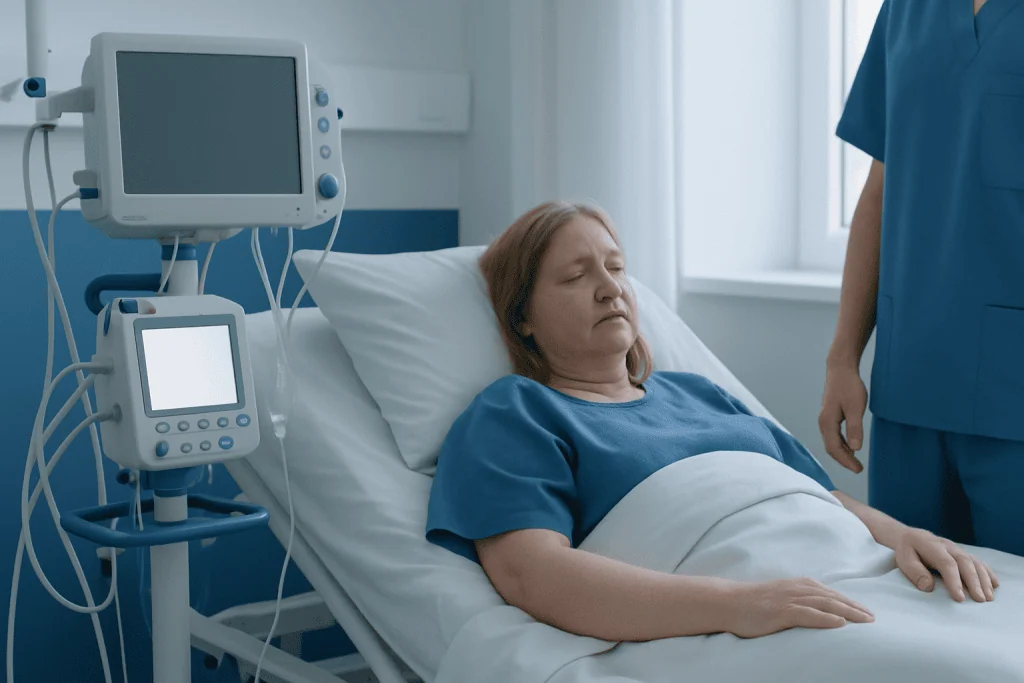
If a person has severe drowsiness, confusion, low blood pressure, breathing problems, or low body temperature, doctors evaluate urgently for myxedema coma. This is primarily a clinical diagnosis supported by lab findings and the overall condition of the patient. Treatment should not be delayed when the condition is strongly suspected.
Treatment and recovery
The main treatment for myxedema is thyroid hormone replacement, most commonly with levothyroxine. The exact approach depends on how severe the condition is, the person’s age, other illnesses, and whether emergency features are present. Many patients with stable but significant hypothyroidism can be treated with outpatient monitoring and dose adjustments, while severe cases need hospital care.
If myxedema coma is suspected, treatment is urgent and usually includes intravenous thyroid hormone, careful warming, oxygen or breathing support if needed, fluid and electrolyte correction, and treatment of any trigger such as infection. Doctors may also give stress-dose corticosteroids at first until adrenal insufficiency is ruled out. Close monitoring is important because the heart and other organs may be sensitive during recovery.
Recovery is often gradual rather than immediate. Energy, bowel function, skin texture, and mental clarity may improve over weeks as thyroid hormone levels normalize. Underlying causes may also need attention, such as reviewing medications, checking for autoimmune thyroid disease, or evaluating whether specialist care in endocrinology is helpful. If thyroid enlargement or nodules are part of the picture, further assessment such as thyroid biopsy may occasionally be recommended.
Living well with hypothyroidism and reducing risk
The best way to prevent myxedema is to diagnose and treat hypothyroidism early and to continue treatment consistently. People taking thyroid hormone should follow their doctor’s instructions carefully and have regular blood tests to confirm that levels are in the target range. It is generally important not to stop medication without medical advice, even if symptoms improve.
Some medicines, supplements, and digestive conditions can affect how thyroid hormone is absorbed. A doctor or pharmacist can explain how and when to take thyroid medication and whether iron, calcium, or other products should be timed separately. Good follow-up is especially important during pregnancy, older age, after thyroid surgery, and when new medicines are added.
General self-care also supports recovery. This includes adequate sleep, balanced nutrition, hydration, and staying warm in cold weather if a person is sensitive to low temperatures. Ongoing symptoms should be discussed rather than self-treated, because too much thyroid hormone can also be harmful. In selected situations, evaluation by thyroid surgery teams may be relevant if structural thyroid disease is present.
When to seek medical care
Medical care is appropriate whenever a person has symptoms that suggest hypothyroidism or myxedema, especially persistent fatigue, cold intolerance, constipation, puffiness, dry skin, or new mental slowing. An appointment is also important for anyone with known thyroid disease whose symptoms are worsening despite treatment.
Urgent medical attention is needed if there is marked drowsiness, confusion, difficulty breathing, chest pain, fainting, a very low body temperature, or sudden worsening after infection or another illness. These can be signs of severe hypothyroidism or myxedema coma and should be treated as an emergency.
For people who need specialist evaluation, a multidisciplinary team can help confirm the cause, adjust treatment, and monitor recovery. Acibadem International’s multidisciplinary specialists and JCI-accredited hospitals evaluate and treat thyroid-related conditions for international patients when advanced assessment is needed.
Frequently asked questions
Is myxedema the same as hypothyroidism?
Not exactly. Myxedema usually refers to severe or advanced hypothyroidism, especially when there is characteristic swelling of the skin and soft tissues. In practice, it is often used to describe serious effects of long-standing low thyroid hormone levels.
What does myxedema swelling look like?
It often causes puffiness of the face, especially around the eyes, and can make the skin look thickened or waxy. Unlike ordinary fluid retention, the swelling is commonly non-pitting, meaning it does not easily leave an indentation when pressed.
Can myxedema be treated successfully?
Yes, in many cases it can be treated effectively with thyroid hormone replacement and management of the underlying cause. Recovery may take time, especially if symptoms have been present for a long period or if the condition is severe.
What is myxedema coma?
Myxedema coma is a rare, life-threatening complication of severe hypothyroidism. It can involve confusion, extreme drowsiness, low body temperature, low blood pressure, and breathing problems, and it requires emergency hospital treatment.
Who is more likely to develop myxedema?
People with untreated or poorly controlled hypothyroidism are at greatest risk. Older adults, people with autoimmune thyroid disease, and those who stop thyroid medication or become seriously ill may be more vulnerable.
How is myxedema diagnosed?
Doctors diagnose myxedema by combining symptoms and examination findings with thyroid blood tests, especially TSH and free T4. Additional tests may be used to look for triggers, complications, or the underlying cause of the thyroid problem.
References
- American Thyroid Association
- National Institute of Diabetes and Digestive and Kidney Diseases
- MedlinePlus
- Merck Manual Professional Edition
This article is for general information only and is not a substitute for professional medical advice. Please consult a qualified doctor about your individual situation.
Explore treatments in Turkey — costs, top hospitals & a free quote
JCI-accredited · board-certified surgeons · reply within 24h
Add us as a Preferred Source to see more of our trusted health content across Google Search, AI Overviews and Discover.
Check your numbers in seconds
BMI, calories, due date, blood pressure and 30+ more clinical calculators — free, instant, doctor-reviewed ranges.