How to Stay Young? Causes, Explanations, and Next Steps

Staying young is best understood as maintaining physical, mental, and social function as the body ages. Daily habits such as exercise, sleep, sun protection, good nutrition, and stress management have the strongest evidence.
Key Takeaways
- Staying young is best understood as maintaining physical, mental, and social function as the body ages.
- Daily habits such as exercise, sleep, sun protection, good nutrition, and stress management have the strongest evidence.
- Most signs of aging are normal, but sudden or unusual changes may need medical review.
- Doctors look for reversible contributors such as hormone problems, sleep disorders, nutritional deficiencies, and chronic disease.
- There is no single anti-aging cure; a personalized, preventive approach is safer and more effective.
How to stay young is usually less about a single treatment and more about protecting overall health over time. In most people, visible aging is normal and harmless, but sudden changes in weight, energy, sleep, memory, skin, or mood can sometimes point to a medical issue worth checking.
Overview: What “How to Stay Young” Really Means
For most people, the answer to how to stay young is reassuringly simple: support the body’s natural repair systems with healthy daily habits, preventive care, and timely attention to new symptoms. Aging itself is normal, and many changes in skin, energy, strength, and recovery happen gradually without signaling disease.
That said, “feeling older than expected” can sometimes reflect something treatable rather than aging alone. Sudden fatigue, unplanned weight change, poor sleep, low mood, memory problems, hair loss, reduced exercise tolerance, or changes in sexual health may be clues to an underlying issue. Looking younger and feeling younger often begin with identifying and managing these contributors.
Instead of focusing only on appearance, a more helpful medical view of staying young includes preserving mobility, heart health, brain function, emotional well-being, hormone balance, skin health, and social engagement. This broader approach can improve both quality of life and long-term health.
Common Signs People Associate With Aging
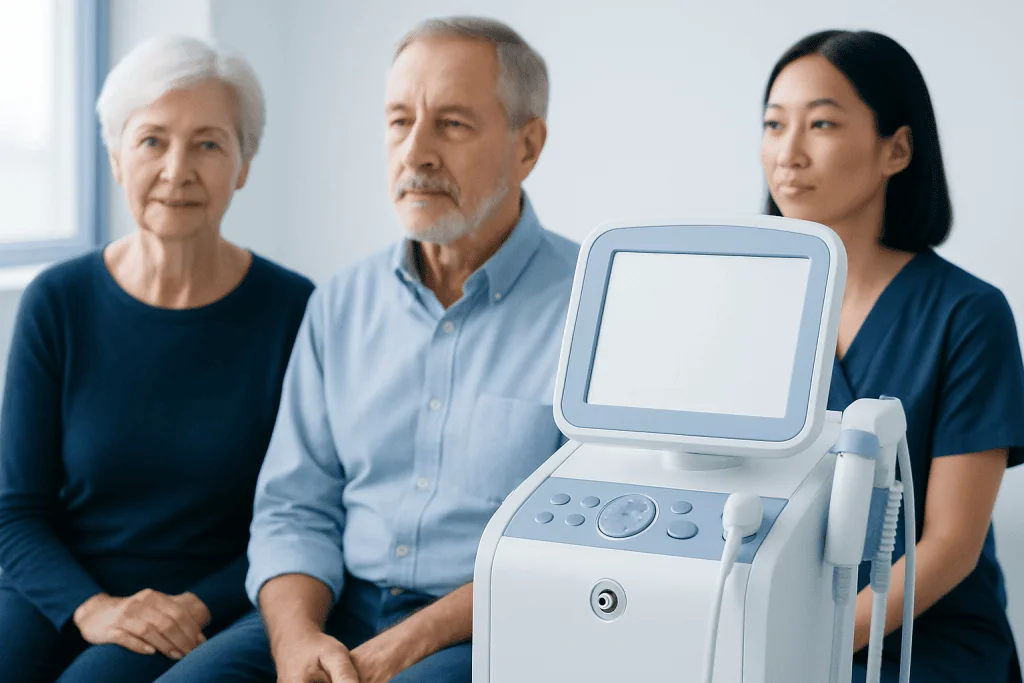
People often ask how to stay young because they notice visible or functional changes over time. Common examples include fine lines, drier skin, graying hair, slower recovery after exercise, reduced muscle tone, mild stiffness, and changes in sleep patterns. These are often part of normal aging and do not always require treatment.
Other changes may feel more disruptive. Brain fog, persistent tiredness, lower libido, mood changes, abdominal weight gain, reduced stamina, or worsening snoring may affect how young a person feels day to day. Sometimes these symptoms are linked to lifestyle factors such as stress, alcohol use, inactivity, or poor sleep quality.
In some cases, age-related concerns overlap with recognizable health conditions. For example, poor sleep may relate to sleep apnea, and persistent low energy may be associated with metabolic or hormonal problems. Recognizing the pattern matters, because treatment depends on the cause rather than the symptom alone.
- Gradual skin changes are often normal.
- Loss of strength and endurance can improve with training.
- New cognitive, sleep, or mood changes deserve closer attention.
- A sudden decline is less likely to be “just aging.”
Why the Body Ages: Causes and Contributing Factors

Aging reflects a combination of biology, environment, and lifestyle. Over time, cells accumulate damage from normal metabolism, inflammation, and outside exposures such as ultraviolet light, smoking, pollution, and poor sleep. The body can repair much of this damage, but repair tends to become less efficient with age.
Genes also influence how a person ages, but inherited factors are only part of the picture. Muscle loss from inactivity, insulin resistance, chronic stress, alcohol excess, and nutrient-poor eating patterns can make a person look or feel older sooner. In contrast, regular movement, nutritious food, and social connection can support resilience at almost any age.
Medical conditions can accelerate symptoms people describe as aging. Thyroid disease, diabetes, anemia, depression, chronic inflammation, low vitamin levels, and hormone-related changes may all affect energy, skin, weight, and cognition. Doctors may also consider conditions such as obesity when excess body fat is affecting sleep, joint health, and metabolism.
It is also important to distinguish healthy aging from unrealistic anti-aging promises. No supplement, procedure, or “detox” can stop aging entirely. A safer, more evidence-based approach aims to reduce avoidable damage and identify treatable causes of early decline.
Daily Habits That Best Support a Younger Body and Mind
The strongest evidence for how to stay young centers on consistent habits rather than quick fixes. Physical activity helps preserve muscle, bone strength, balance, insulin sensitivity, and mood. A routine that combines aerobic exercise, strength training, and flexibility work is especially helpful, and it can be adjusted for age, fitness level, and medical conditions.
Sleep is another major factor. During sleep, the body regulates hormones, supports memory, repairs tissues, and influences immune function. People who sleep poorly often feel older, recover more slowly, and may notice worse appetite control, concentration, and skin quality. If snoring, choking at night, or daytime sleepiness are present, medical evaluation can be useful.
Nutrition also shapes how the body ages. A balanced pattern rich in vegetables, fruit, legumes, whole grains, nuts, healthy fats, and adequate protein supports muscle, heart health, and metabolic function. Good hydration, limited highly processed foods, and moderation with alcohol can also make a meaningful difference over time.
Skin protection is one of the clearest ways to maintain a younger appearance. Daily sunscreen use, avoiding tanning, not smoking, and treating persistent skin concerns early can help reduce visible damage. For some people, doctor-guided options such as dermatology care may be considered as part of a broader skin-health plan.
When Symptoms May Point to a Medical Problem
Most age-related changes are harmless and gradual, but some symptoms should not be dismissed as normal aging. A medical review is more important when changes are sudden, progressive, or affecting daily life. This is especially true if symptoms involve weight, memory, breathing during sleep, chest discomfort, fainting, severe fatigue, or unexplained pain.
Red flags can include unintentional weight loss or gain, marked hair thinning, persistent constipation or diarrhea, new swelling, shortness of breath, heavy snoring with pauses in breathing, depressed mood lasting weeks, or major changes in menstrual cycles or sexual function. These symptoms may be related to endocrine, cardiometabolic, sleep, or mental health conditions.
Sometimes the concern is hormonal. People may notice reduced energy, hot flashes, mood changes, sleep disruption, or changes in body composition. Depending on age and symptoms, a doctor may discuss whether menopause treatment or other hormone-related evaluation is appropriate. Similarly, if sugar metabolism is a concern, assessment for diabetes may help explain fatigue, thirst, and weight changes.
How Doctors Evaluate Concerns About Premature Aging
When someone seeks medical advice about how to stay young, the first step is usually a detailed conversation rather than a single test. A doctor may ask about sleep, stress, exercise, diet, smoking, alcohol, medications, mood, menstrual or sexual health, family history, and how quickly symptoms developed. This helps separate normal aging from patterns that suggest disease.
The physical examination may include blood pressure, weight and waist measurement, skin and hair assessment, muscle strength, joint mobility, and signs of thyroid, hormonal, cardiovascular, or neurologic problems. If cognitive or mood changes are part of the concern, screening questions may be used to understand attention, memory, depression, or anxiety.
Laboratory testing depends on the symptoms, but common checks may include blood sugar, cholesterol, thyroid function, blood counts, vitamin levels, liver and kidney function, and sometimes hormone testing. In selected cases, sleep studies, heart evaluation, bone density testing, or imaging may be recommended. If body composition and metabolic risk are major concerns, some patients may benefit from specialist-guided options such as endocrinology and metabolic diseases care.
The goal is not to “reverse age” in a simplistic way, but to identify what is modifiable. Treating a sleep disorder, correcting a deficiency, improving metabolic health, or addressing depression can often help a person feel noticeably more energetic and resilient.
Treatment, Prevention, and Self-Care Strategies
Treatment depends on the underlying cause. If symptoms are due mainly to lifestyle strain, the plan may focus on sleep hygiene, exercise progression, nutrition, stress reduction, and smoking cessation. If there is a specific diagnosis, treatment may include medicines, physical therapy, nutritional correction, sleep treatment, mental health support, or hormone-related care under medical supervision.
For prevention, the most sustainable strategy is to build routines that can be maintained over years. Regular health checkups, vaccinations, blood pressure and cholesterol monitoring, cancer screening when appropriate, and dental and eye care all support healthy aging. Preventive care often improves how a person feels long before a disease causes obvious symptoms.
Emotional and social health should not be overlooked. Strong relationships, a sense of purpose, mentally stimulating activities, and stress management techniques can support memory, sleep, and mood. These areas may not sound like traditional anti-aging tools, but they are closely linked to long-term well-being.
For people seeking coordinated evaluation, Acibadem International’s multidisciplinary specialists in JCI-accredited hospitals diagnose and treat conditions that can affect healthy aging for international patients. Medical advice should always be individualized, especially when symptoms are persistent or changing.
When to Seek Medical Care
A doctor’s visit is advisable if a person feels older suddenly rather than gradually, or if new symptoms are interfering with normal life. Examples include severe tiredness, chest symptoms, fainting, memory decline, unexplained weight change, reduced exercise tolerance, persistent low mood, or poor sleep that leaves the person unrefreshed.
More urgent assessment is needed for warning signs such as chest pain, shortness of breath at rest, confusion, weakness on one side, black stools, or thoughts of self-harm. These are not routine signs of aging and should not be explained away.
Even when symptoms are mild, a medical review can be helpful if home measures are not working. Many concerns linked to “aging” are manageable, and early assessment often allows simpler, more effective treatment.
Frequently asked questions
Can a person really stay young?
A person cannot stop biological aging completely, but many aspects of healthy aging are modifiable. Good sleep, regular exercise, balanced nutrition, sun protection, and preventive medical care can help someone feel and function younger for longer.
What is the most effective habit for how to stay young?
There is no single best habit, but regular physical activity is one of the most consistently helpful. It supports the heart, muscles, bones, metabolism, sleep, and mood, which all influence how young a person feels.
Do supplements or anti-aging products work?
Some products may help in specific situations, such as correcting a diagnosed deficiency or improving a skin concern, but no supplement can stop aging. It is safest to discuss supplements and procedures with a qualified doctor, especially if a person takes medicines or has chronic health conditions.
Why does someone feel old even at a younger age?
Feeling old can reflect stress, poor sleep, inactivity, burnout, depression, weight change, or an untreated medical problem rather than age itself. If symptoms are persistent, sudden, or worsening, medical evaluation may help identify a treatable cause.
Can hormones affect how young a person feels?
Yes. Changes involving thyroid hormones, sex hormones, or blood sugar regulation can affect energy, sleep, mood, body composition, and skin. Hormone-related treatment should be guided by a doctor because symptoms may have more than one cause.
When should someone worry that aging signs are not normal?
Gradual changes are often normal, but sudden symptoms are more concerning. Medical review is sensible for unexplained weight loss or gain, severe fatigue, memory decline, chest symptoms, marked hair loss, disturbed sleep, or major mood changes.
References
- World Health Organization
- National Institute on Aging
- Centers for Disease Control and Prevention
- American Heart Association
- American Academy of Dermatology
This article is for general information only and is not a substitute for professional medical advice. Please consult a qualified doctor about your individual situation.
Explore treatments in Turkey — costs, top hospitals & a free quote
JCI-accredited · board-certified surgeons · reply within 24h
Add us as a Preferred Source to see more of our trusted health content across Google Search, AI Overviews and Discover.
Check your numbers in seconds
BMI, calories, due date, blood pressure and 30+ more clinical calculators — free, instant, doctor-reviewed ranges.