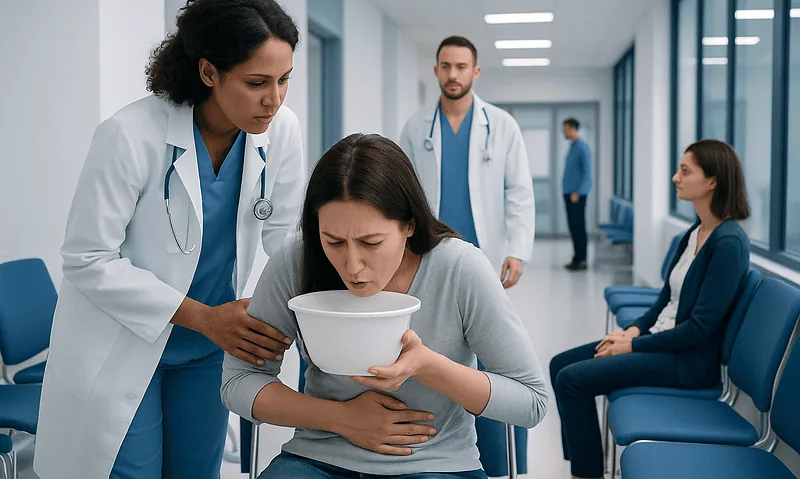
Teratogens: What Patients Need to Know

Teratogens are exposures that may increase the risk of birth defects, growth problems, or developmental issues in a fetus. The first trimester, especially weeks 3 to 8 after conception, is often the most sensitive period for structural development.
Key Takeaways
- Teratogens are exposures that may increase the risk of birth defects, growth problems, or developmental issues in a fetus.
- The first trimester, especially weeks 3 to 8 after conception, is often the most sensitive period for structural development.
- Not every exposure causes harm; risk depends on the type of exposure, dose, timing, and individual factors.
- Common teratogens include alcohol, certain medications, tobacco, recreational drugs, some infections, and radiation.
- Patients should not stop prescribed medicines on their own; medication changes during pregnancy should be guided by a doctor.
- Preconception care, vaccination, folic acid use, and careful review of medicines can help reduce risk.
Teratogens are substances, infections, or environmental exposures that can interfere with normal fetal development during pregnancy. Knowing what they are, when risk is highest, and how to lower exposure can help patients make safer choices before and during pregnancy.
Overview: what teratogens are and why they matter
Teratogens are substances, infections, or environmental exposures that can disturb the normal development of an embryo or fetus during pregnancy. In practical terms, they are factors that may raise the chance of birth defects, miscarriage, growth restriction, stillbirth, or longer-term problems with learning, behavior, hearing, or vision. The presence of a teratogen does not mean harm will definitely happen, but it does mean the exposure deserves careful attention.
Patients often assume teratogens only mean medications, but the term is broader. Alcohol, tobacco smoke, some recreational drugs, certain infections, high doses of radiation, toxic chemicals, and uncontrolled maternal health conditions can all act as teratogens. Even everyday products may need a second look during pregnancy if they contain ingredients with known fetal risks.
Risk is not all-or-nothing. Whether an exposure causes harm depends on several factors, including the dose, how long the exposure lasts, when it happens in pregnancy, and the health of the pregnant person and fetus. This is why one person may have no apparent effects after an exposure, while another may need closer monitoring and counseling.
A clear, patient-friendly way to think about teratogens is this: they are avoidable or manageable risks that matter most when a pregnancy is developing rapidly. Early awareness, planned medication review, and timely medical advice can make a meaningful difference.
How teratogens affect pregnancy
Teratogens can interfere with fetal development in different ways. Some alter how cells divide and organize during early organ formation. Others reduce oxygen or nutrient delivery to the fetus, trigger inflammation, or directly affect the brain and nervous system. The result may be a structural problem present at birth, slower fetal growth, or developmental difficulties that become noticeable later in infancy or childhood.
Timing is one of the most important parts of teratogen risk. During the first 2 weeks after conception, major exposures may lead to pregnancy loss, while exposures that do not cause loss may have little effect. From about weeks 3 to 8 after conception, organs are forming, so teratogens are more likely to cause structural birth defects. Later in pregnancy, the brain, lungs, and growth systems remain vulnerable, so exposures can still cause significant harm even after the first trimester.
The same teratogen can produce different effects depending on when exposure occurs. For example, a medication that disrupts organ formation early may later affect fetal growth or brain development instead. This is one reason doctors ask detailed questions about the exact timing of medication use, illness, imaging tests, or chemical contact.
It is also important to remember that many birth defects happen without any known teratogen exposure. A doctor may consider genetic conditions, chromosome changes, or other medical causes if there are concerns during pregnancy. In some cases, further evaluation for genetic disorders may help clarify risk and guide care.
Common types of teratogens
Alcohol is one of the best-known teratogens. No safe amount of alcohol in pregnancy has been established, so avoidance is generally recommended. Alcohol exposure can affect growth, facial development, and the developing brain, leading to a range of lifelong problems.
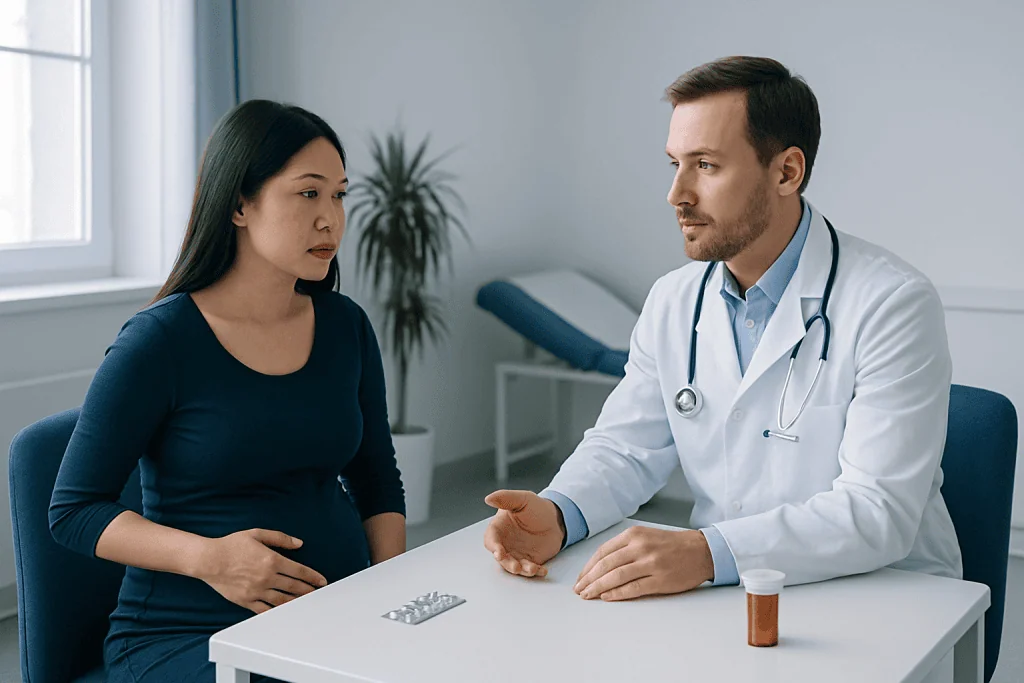
Medications are another major category, but this topic requires balance. Some medicines are clearly unsafe in pregnancy, some are considered relatively safe, and others must be weighed carefully because untreated maternal illness can also harm pregnancy. Patients should not stop medicines abruptly without medical advice, especially if they are used for epilepsy, high blood pressure, autoimmune disease, depression, or other ongoing conditions. A medication review may involve obstetric specialists, a pharmacist, and, when needed, genetic testing and counseling to discuss possible risks more clearly.
Other common teratogens include tobacco and nicotine products, recreational drugs, certain infections, and environmental toxins. Examples include lead, mercury, some industrial solvents, and high-dose radiation. Infections such as rubella, cytomegalovirus, toxoplasmosis, and Zika virus can also affect fetal development. Good food hygiene, vaccination, insect precautions in high-risk regions, and prompt evaluation of fever or rash can all help reduce risk.
Uncontrolled maternal conditions can behave like teratogenic influences as well. Poorly controlled diabetes, severe thyroid disease, high fever early in pregnancy, and nutritional deficiencies may increase the chance of complications. This is why pre-pregnancy health planning matters, not just avoiding a specific drug or chemical.
- Alcohol
- Certain prescription and over-the-counter medicines
- Tobacco, nicotine, and secondhand smoke
- Recreational drugs
- Infections such as rubella, CMV, and toxoplasmosis
- Radiation and harmful workplace or environmental chemicals
- Poorly controlled chronic medical conditions
Risk factors and higher-risk situations
Any pregnant person can have an unexpected exposure, but some situations raise the chance that teratogens will become a concern. Unplanned pregnancy is one of the most common, because early fetal development begins before many people realize they are pregnant. This is one reason preconception counseling and routine folic acid use are widely encouraged for people who could become pregnant.
Chronic health conditions may also increase complexity. People who need long-term medicines for seizures, autoimmune conditions, blood pressure control, acne, mood disorders, or organ disease may need medication changes before conception. The safest choice is not always to stop treatment. In many cases, the greatest risk comes from poorly controlled illness rather than the medicine itself, so individualized planning is essential.
Workplace or home exposures can matter too. Jobs involving solvents, pesticides, heavy metals, anesthetic gases, or radiation may require occupational health review. Household products are not always dangerous, but concentrated fumes, poor ventilation, or unsafe mixing of chemicals can raise concern. Patients who are trying to conceive or who are pregnant should mention these exposures to their clinician.
Family history and previous pregnancy outcomes may affect how doctors assess risk. A prior child with a congenital anomaly, repeated miscarriages, or known hereditary conditions may prompt broader evaluation, sometimes including high-risk pregnancy care and more detailed fetal assessment. Risk factors do not guarantee a problem, but they can help guide closer follow-up.
How doctors evaluate teratogen exposure
If teratogen exposure is suspected, the first step is usually a careful history. Doctors ask what the exposure was, how much occurred, when it happened, and whether it was a one-time event or repeated over time. They also review the pregnant person’s medical conditions, medication list, supplements, travel, vaccination status, occupation, and any symptoms of infection.
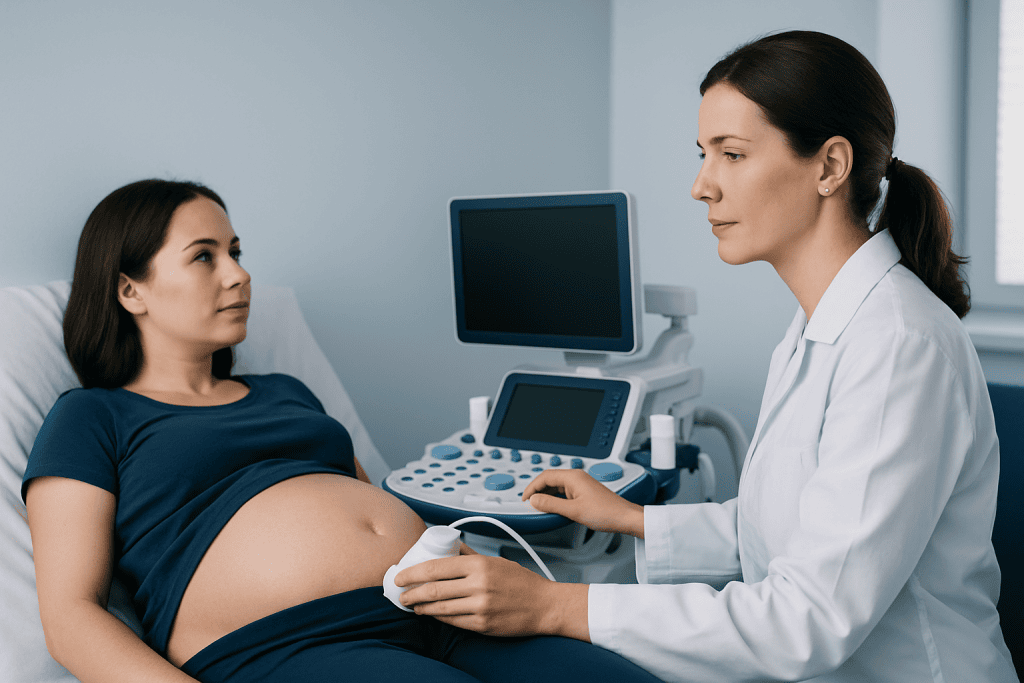
Evaluation is individualized. A doctor may reassure the patient if the exposure is unlikely to be harmful, or may recommend more monitoring if timing or type of exposure raises concern. In pregnancy, this often includes targeted blood tests when infection is possible and imaging to check fetal growth and anatomy. Obstetric ultrasound is commonly used to assess development and look for structural concerns at the appropriate stage of pregnancy.
In some situations, additional testing may be discussed. Depending on the clinical picture, doctors may recommend specialist review, maternal-fetal medicine consultation, or tests that assess chromosomal or structural conditions. When there are concerns about congenital anomalies, prenatal diagnosis can help clarify whether a fetus has a detectable condition and what follow-up may be needed.
Patients often feel guilty after an exposure, especially if it happened before pregnancy was recognized. Reassurance is an important part of care. Many exposures do not cause harm, and the purpose of evaluation is to give accurate information, not to assume the worst. Good follow-up helps patients make informed decisions and reduces unnecessary fear.
Treatment, management, and safer planning
There is no single treatment that reverses all teratogen exposure. Management depends on the substance or condition involved, how early it was identified, and whether any fetal effects are seen. The first principle is to stop or reduce the harmful exposure when this can be done safely, while protecting the health of the pregnant person as well.
For medication-related concerns, treatment often means switching to a safer alternative, adjusting timing, or using the lowest effective regimen under medical supervision. If a maternal illness is active, controlling that illness becomes part of fetal protection. For example, careful management of diabetes, seizure disorders, or thyroid disease can lower the risk of pregnancy complications and developmental harm.
Supportive care may include nutritional guidance, folic acid or other supplements when appropriate, smoking and alcohol cessation support, vaccination review, and counseling about infection prevention. If an infection is identified, prompt treatment or monitoring may reduce further complications. Fetal surveillance may be increased if there is concern about growth or organ development.
In more complex cases, care may involve obstetricians, maternal-fetal medicine specialists, neonatologists, genetic counselors, and other experts. Near the end of the care pathway, some patients choose evaluation at centers experienced in international and multidisciplinary pregnancy care. Acibadem International’s multidisciplinary specialists and JCI-accredited hospitals diagnose and manage pregnancy-related risks for international patients when coordinated specialist input is needed.
Prevention and self-care before and during pregnancy
Prevention starts before conception whenever possible. A pre-pregnancy checkup can help review medications, chronic medical conditions, vaccinations, and nutritional needs. This visit is a good time to ask whether any prescription drugs, over-the-counter medicines, herbal products, or supplements should be changed before trying to conceive.
During pregnancy, patients can lower risk by avoiding alcohol, tobacco, vaping, and recreational drugs; using medicines only as directed by a qualified clinician; and checking before starting any new supplement or remedy. Good hand hygiene, safe food handling, and avoiding undercooked meat or unpasteurized foods can reduce the chance of certain infections. Travel advice may be important if there is risk of insect-borne infections in the destination area.
Environmental precautions also matter. Reading product labels, improving ventilation when using household cleaners, wearing protective equipment when appropriate, and discussing workplace chemical exposure with an employer or occupational health team can be helpful. Imaging tests that involve radiation should not be avoided if urgently needed, but clinicians should be told about a known or possible pregnancy so the safest approach can be chosen.
Simple planning steps can be protective:
- Take folic acid as advised before conception and in early pregnancy
- Keep vaccinations up to date, including those recommended before pregnancy
- Review all medicines with a doctor or pharmacist
- Manage chronic illnesses consistently
- Avoid alcohol and nicotine exposure
- Seek advice promptly after a known or suspected exposure
When to seek medical care
Medical advice should be sought promptly if a pregnant person has taken a medication that may not be safe in pregnancy, has had a significant alcohol or drug exposure, has contact with a harmful chemical, or has had possible exposure to an infection known to affect fetal development. The same applies if there is uncertainty about whether a substance is safe. Early review can help clarify the real level of risk and what follow-up is needed.
Urgent care is especially important if the exposure is accompanied by concerning symptoms such as vaginal bleeding, severe abdominal pain, reduced fetal movements later in pregnancy, persistent high fever, rash after a possible infection, or signs of severe illness. Patients should also seek care if they accidentally stop an important chronic medication because they are worried about fetal risk, since untreated disease may create its own complications.
People planning pregnancy should also seek medical care before conception if they take long-term medications, have diabetes, epilepsy, thyroid disease, autoimmune disease, or a previous pregnancy affected by a birth defect. Early planning does not remove all risk, but it often makes pregnancy safer and decision-making less stressful.
When in doubt, it is reasonable to contact an obstetrician, family doctor, or pharmacist rather than wait. Quick, informed guidance is often the best way to reduce anxiety and protect both maternal and fetal health.
Frequently asked questions
What are teratogens in simple terms?
Teratogens are substances or exposures that can interfere with a baby's development during pregnancy. They include things like alcohol, certain medicines, some infections, radiation, and toxic chemicals.
Does one accidental exposure always harm the baby?
Not necessarily. Risk depends on what the exposure was, how much occurred, and when it happened during pregnancy. Many single or low-level exposures do not cause harm, but they should still be discussed with a doctor.
Which part of pregnancy is most sensitive to teratogens?
Early pregnancy is often the most sensitive period, especially weeks 3 to 8 after conception, when major organs are forming. However, the brain, growth, and other systems can still be affected by harmful exposures later in pregnancy.
Are all medications teratogens?
No. Many medications can be used during pregnancy when the benefits outweigh the risks, and some are considered relatively safe. Patients should never assume a medicine is unsafe or stop it suddenly without speaking to a qualified clinician.
Can infections act as teratogens?
Yes. Certain infections, including rubella, cytomegalovirus, toxoplasmosis, and some mosquito-borne viruses, can affect fetal development. Prevention may include vaccination, food safety, hand hygiene, and travel precautions.
How can someone lower teratogen risk before pregnancy?
A preconception checkup can help review medications, update vaccines, and improve control of chronic health conditions. Avoiding alcohol, tobacco, and recreational drugs, and taking folic acid as advised, are also important steps.
References
- World Health Organization
- Centers for Disease Control and Prevention
- American College of Obstetricians and Gynecologists
- Organization of Teratology Information Specialists
- March of Dimes
This article is for general information only and is not a substitute for professional medical advice. Please consult a qualified doctor about your individual situation.
Explore treatments in Turkey — costs, top hospitals & a free quote
JCI-accredited · board-certified surgeons · reply within 24h
Add us as a Preferred Source to see more of our trusted health content across Google Search, AI Overviews and Discover.
Check your numbers in seconds
BMI, calories, due date, blood pressure and 30+ more clinical calculators — free, instant, doctor-reviewed ranges.