How Can You Remove Pimples? Causes, Explanations, and Next Steps

Most pimples improve with consistent skin care rather than squeezing or scrubbing. Over-the-counter ingredients such as benzoyl peroxide, salicylic acid, and adapalene can help many people.
Key Takeaways
- Most pimples improve with consistent skin care rather than squeezing or scrubbing.
- Over-the-counter ingredients such as benzoyl peroxide, salicylic acid, and adapalene can help many people.
- Painful cysts, scarring, widespread acne, or acne that affects mood or confidence may need medical treatment.
- A doctor may diagnose acne by examining the skin and asking about triggers, medications, and hormone-related symptoms.
- Picking pimples can increase inflammation, infection risk, and post-acne marks.
Most pimples are harmless and can be managed with gentle skin care, non-comedogenic products, and evidence-based acne treatments. Persistent, painful, scarring, or suddenly severe breakouts should be assessed by a doctor to confirm the cause and guide treatment.
Overview: how can you remove pimples safely?
For most people, the safest answer to how can you remove pimples is not to pop them, but to reduce inflammation and prevent new lesions with gentle skin care and acne treatments that suit the skin type. Many pimples settle with time, especially when the skin is cleansed mildly, heavy pore-clogging products are avoided, and proven ingredients are used consistently for several weeks.
Pimples are very common and are usually not dangerous. They often happen when pores become blocked with oil, dead skin cells, and bacteria, leading to whiteheads, blackheads, red bumps, or deeper tender spots. Because different bumps can look similar, not every facial spot is classic acne, which is one reason persistent or unusual breakouts may need a professional opinion.
Even though most cases are manageable, some features deserve medical review sooner rather than later. These include painful nodules or cysts, rapid worsening, visible scarring, signs of infection, acne that starts suddenly in adulthood, or breakouts linked with irregular periods, excess facial hair, or other hormonal symptoms. In those situations, a dermatologist or primary care doctor can confirm whether the problem is acne or another skin condition and explain the next steps clearly.
What pimples are and why they form
A pimple begins in a hair follicle, also called a pore. Natural skin oil, known as sebum, normally helps protect the skin. When extra oil mixes with dead skin cells, the pore can become blocked. If the blocked pore stays closed, it may form a whitehead; if it opens at the surface, it can look like a blackhead. When inflammation develops, red or pus-filled pimples appear. Deeper inflammation can lead to nodules or cysts.
Several factors may contribute at the same time. Hormonal changes can increase oil production, especially during puberty, menstrual cycles, pregnancy, or periods of hormonal imbalance. Genetics also matter, which is why acne often runs in families. Stress does not directly create acne on its own, but it can worsen existing breakouts in some people.
Some skin conditions can resemble pimples, including folliculitis, rosacea, perioral dermatitis, or ingrown hairs. This is especially relevant if the bumps are very itchy, mainly around the mouth, or appear in unusual patterns. When uncertainty exists, a clinician may assess whether the lesions fit better with acne or another inflammatory skin disorder.
Common triggers and risk factors
Pimples are not caused by poor hygiene, and aggressive washing usually makes things worse. Friction and pressure can contribute, though, especially from tight hats, helmets, sports gear, masks, or phone contact with the skin. Hair oils, greasy cosmetics, and thick sunscreens that clog pores may also trigger or worsen breakouts in some people.
Certain medications can be associated with acne-like eruptions. Examples include some steroids, lithium, and a few hormone-related medicines. If a new breakout starts soon after a medication change, it is sensible to mention that timing to a doctor rather than stopping the medicine without advice.
Diet affects people differently. Some individuals notice worsening with high-glycemic foods or certain dairy products, while others do not. There is no single universal acne diet, so it is usually more helpful to look for personal patterns than to follow overly restrictive rules. A simple symptom diary can sometimes help identify triggers without unnecessary elimination.
- Hormonal shifts during puberty, menstrual cycles, pregnancy, or endocrine conditions
- Family history of acne
- Comedogenic makeup, skin care, or hair products
- Friction from sports equipment, masks, or tight clothing
- Stress, inadequate sleep, and inconsistent skin routines
What helps remove pimples at home
Home care works best when it is gentle and consistent. Washing the face twice daily with a mild cleanser and lukewarm water is usually enough. Scrubs, harsh brushes, alcohol-heavy toners, and frequent washing can irritate the skin barrier and make acne look angrier. It also helps to choose oil-free or non-comedogenic moisturizers, sunscreens, and makeup.
Over-the-counter acne treatments can be useful, but they need time. Benzoyl peroxide can reduce acne-causing bacteria and inflammation. Salicylic acid can help unclog pores. Adapalene, a topical retinoid available in some countries without prescription, can normalize pore turnover and help prevent new lesions. These products may cause dryness or irritation at first, so starting slowly and moisturizing regularly can improve tolerability.
Hydrocolloid pimple patches may help protect a spot from picking and can absorb surface fluid from some lesions. Warm compresses can soothe tender pimples, while ice wrapped in a cloth may briefly reduce swelling. What usually does not help is squeezing, using toothpaste, or layering many active products at once. Those approaches may damage the skin and increase the chance of dark marks or scars.
If breakouts are frequent, structured care may be more effective than changing products often. In more stubborn cases, a dermatologist may discuss prescription options or procedural care such as acne treatment tailored to the severity and skin type.
When pimples need medical assessment
Medical care is appropriate when pimples are severe, painful, deep, or leaving scars; when they do not improve after several weeks of appropriate over-the-counter care; or when they affect sleep, school, work, or self-confidence. A doctor should also review breakouts that begin suddenly in adulthood, are concentrated on the lower face and jaw with menstrual irregularities, or are accompanied by excessive hair growth or hair thinning, as these patterns may suggest a hormone-related issue.
Urgent assessment is wise if there is spreading redness, significant warmth, fever, or drainage that suggests infection. People should also seek care if a bump is not behaving like a typical pimple, such as one that repeatedly bleeds, does not heal, or stays as a single firm lesion for a long time. In those situations, a clinician may need to rule out another diagnosis.
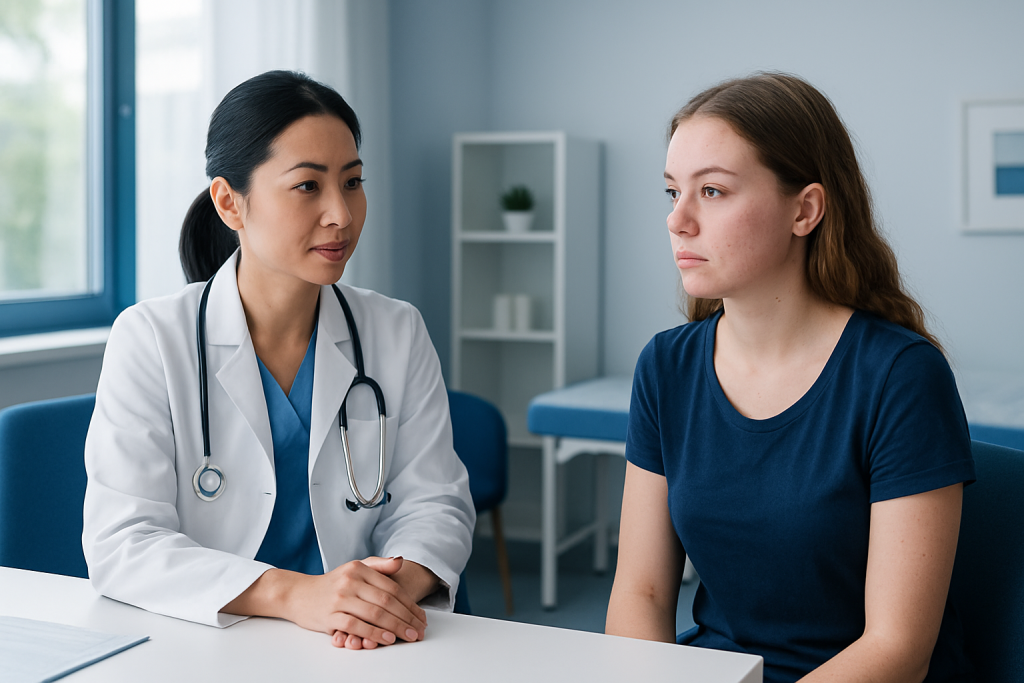
During a visit, diagnosis is often based on the skin examination and a careful history. The doctor may ask when the breakouts began, what products are being used, whether there are menstrual or medication changes, and whether there is a family history of acne or scarring. Tests are not always needed, but hormone-related symptoms or unusual patterns may lead to additional evaluation. If the skin findings point away from simple acne, the doctor may consider related conditions such as rosacea.
Medical treatments doctors may recommend
Treatment depends on the type and severity of the pimples. Mild acne may respond to prescription-strength topical retinoids, benzoyl peroxide combinations, or topical antibiotics used in a controlled way. Moderate or widespread inflammatory acne sometimes needs oral medicines, which may include antibiotics for a limited period, hormonal therapy for appropriate patients, or other specialist-guided options.
For severe nodulocystic acne, acne causing scars, or acne that has not responded to standard treatments, dermatology care is especially important. A specialist can balance effectiveness with safety, monitor side effects, and adjust treatment over time. In selected cases, procedural therapies may be considered to support recovery or address acne marks and texture changes.
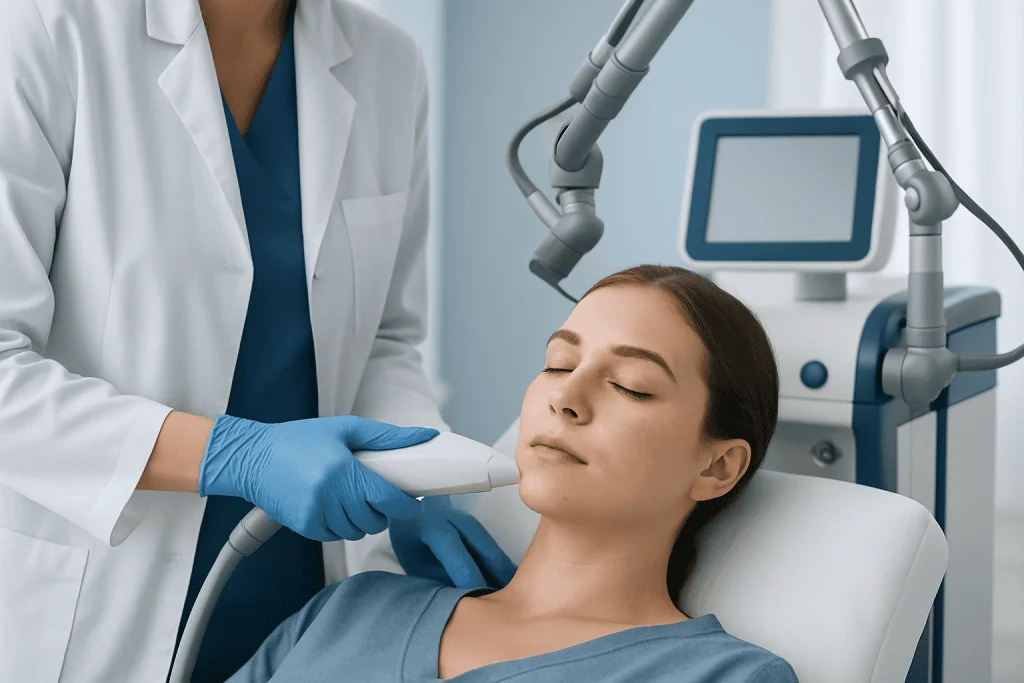
Scarring and persistent marks can be treated separately after active acne is under better control. Depending on the skin and the type of marks, options may include chemical peels, lasers, microneedling, or other dermatologist-led procedures. Some patients may also benefit from laser treatment when this is clinically appropriate.
Near the end of the care pathway, some people seek support for long-term skin changes rather than active pimples themselves. Where indicated, a clinician may discuss options for skin rejuvenation as part of a broader plan. Acibadem International’s multidisciplinary specialists and JCI-accredited hospitals diagnose and treat skin conditions for international patients when expert assessment is needed.
Prevention and self-care habits that make a difference
Preventing new pimples usually depends more on daily habits than on quick fixes. A steady routine with a gentle cleanser, non-comedogenic moisturizer, and sunscreen can support the skin barrier and improve tolerance to acne products. Makeup should be removed before sleep, and sports equipment or phone screens that touch the face should be cleaned regularly.
Hands-off care is one of the most important steps. Picking, rubbing, or trying to extract pimples at home can push inflammation deeper into the skin. That increases the chance of prolonged redness, post-inflammatory hyperpigmentation, and permanent scars, particularly in people with deeper skin tones or a history of easy scarring.
It can also help to manage breakouts with realistic expectations. Most acne treatments need several weeks before clear improvement is visible, and early dryness does not necessarily mean a product is failing. If irritation is significant, reducing frequency and checking with a pharmacist or doctor can help. The goal is usually gradual control, fewer new lesions, and less scarring risk rather than instant clearing overnight.
A practical next-step plan
If someone is wondering what to do today, a simple plan is often best. Start with a gentle cleanser, a non-comedogenic moisturizer, and one acne active ingredient rather than many. Avoid squeezing the pimple, and use sunscreen daily, especially if acne products make the skin more sensitive. Taking clear photos every few weeks can help track progress more objectively than checking the mirror many times a day.
If there is no meaningful improvement after six to eight weeks, or if the pimples are deep, painful, or scarring, it is reasonable to book a medical review. A doctor can determine whether the problem is acne, a look-alike condition, or a hormone-related pattern and can build a treatment plan based on age, skin type, severity, and personal goals.
Most importantly, pimples are common and treatable. Early, steady care often prevents complications, and medical support is available when home treatment is not enough. That balanced approach is usually the safest and most effective answer to how pimples can be removed.
Frequently asked questions
How can you remove pimples overnight?
Most pimples cannot be fully removed overnight, but swelling and redness may improve. A gentle routine, a spot treatment such as benzoyl peroxide or salicylic acid, and avoiding picking are usually the safest short-term steps.
Is it okay to pop a pimple?
In general, it is better not to pop a pimple at home. Squeezing can push inflammation deeper, increase the risk of infection, and leave dark marks or scars.
What is the best over-the-counter treatment for pimples?
There is no single best product for everyone. Benzoyl peroxide, salicylic acid, and adapalene are common evidence-based options, and the right choice depends on whether the skin is oily, sensitive, or mainly affected by clogged pores versus inflamed spots.
Why do I keep getting pimples even though I wash my face?
Pimples are not simply caused by dirty skin. Hormones, genetics, skin products, friction, stress, and medications can all contribute, and over-washing may irritate the skin and worsen breakouts.
When should a teenager or adult see a doctor for pimples?
A medical review is a good idea if pimples are painful, deep, widespread, leaving scars, or not improving after several weeks of proper home treatment. Sudden adult-onset acne, possible hormonal symptoms, or signs of infection should also be assessed.
Can diet cause pimples?
Diet may influence acne in some people, but it is rarely the only cause. Some notice worsening with high-glycemic foods or certain dairy products, while others do not, so personalized observation is usually more useful than strict universal rules.
References
- American Academy of Dermatology
- National Institute of Arthritis and Musculoskeletal and Skin Diseases
- Mayo Clinic
- National Health Service
- DermNet
This article is for general information only and is not a substitute for professional medical advice. Please consult a qualified doctor about your individual situation.
Explore treatments in Turkey — costs, top hospitals & a free quote
JCI-accredited · board-certified surgeons · reply within 24h
Add us as a Preferred Source to see more of our trusted health content across Google Search, AI Overviews and Discover.