Sleep Apnea Mouth Guard — Explained by Medical Evidence, Not Myths
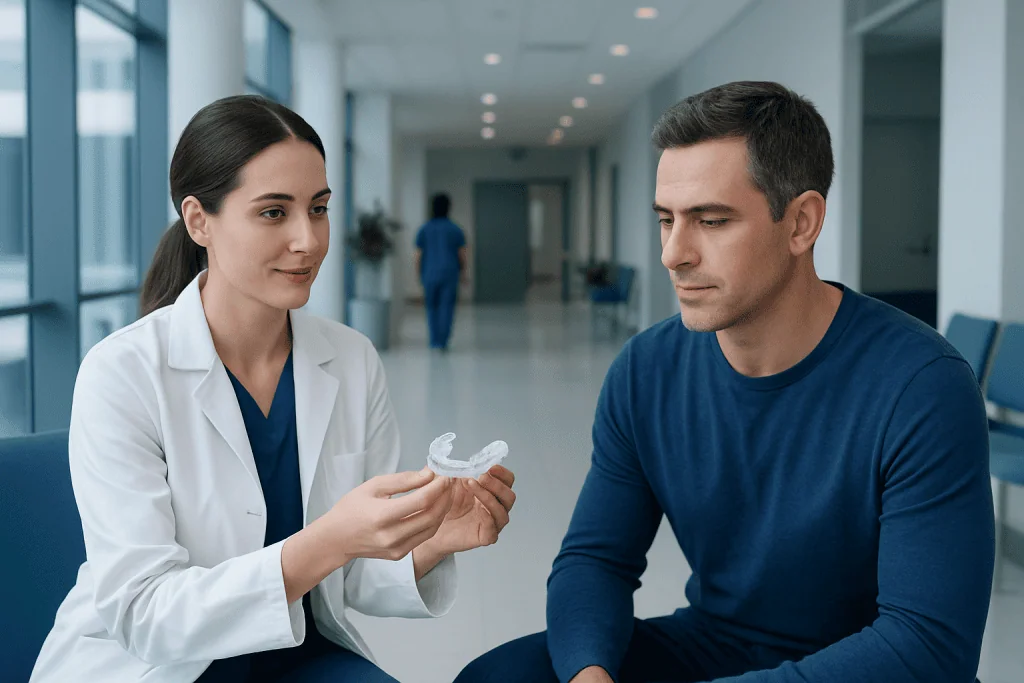
A sleep apnea mouth guard is mainly used for obstructive sleep apnea, not central sleep apnea. Custom-fitted oral appliances are generally safer and more effective than over-the-counter devices.
Key Takeaways
- A sleep apnea mouth guard is mainly used for obstructive sleep apnea, not central sleep apnea.
- Custom-fitted oral appliances are generally safer and more effective than over-the-counter devices.
- These devices work best for carefully selected patients, especially some people with mild to moderate obstructive sleep apnea.
- A sleep study and medical assessment help confirm whether a mouth guard is appropriate.
- Possible side effects include jaw discomfort, tooth movement, bite changes, and dry mouth.
- Follow-up testing is important to confirm that treatment is actually improving breathing during sleep.
A sleep apnea mouth guard is a custom oral appliance that may help certain people with obstructive sleep apnea by keeping the airway more open during sleep. It can be effective for selected patients, but it should be prescribed and monitored after a proper medical evaluation rather than chosen based on marketing claims alone.
What a Sleep Apnea Mouth Guard Really Does
A sleep apnea mouth guard is an oral device worn during sleep to help reduce airway blockage. In medical practice, the term usually refers to a mandibular advancement device, which gently moves the lower jaw forward. This forward position can help keep the throat more open and reduce episodes of obstructed breathing in some people.
Medical evidence supports oral appliance therapy for selected patients with obstructive sleep apnea, especially when symptoms are mild to moderate or when continuous positive airway pressure (CPAP) is difficult to tolerate. However, a mouth guard is not a universal solution. It is not designed for every type of sleep apnea, and it should not replace a proper diagnosis.
It is also important to separate evidence from myths. A simple anti-snoring device sold online is not the same as a professionally fitted sleep apnea appliance. Snoring may improve with many products, but the main goal in sleep apnea treatment is to reduce repeated breathing pauses, improve oxygenation, and lower health risks linked to untreated sleep apnea.
Who May Benefit and Who May Not
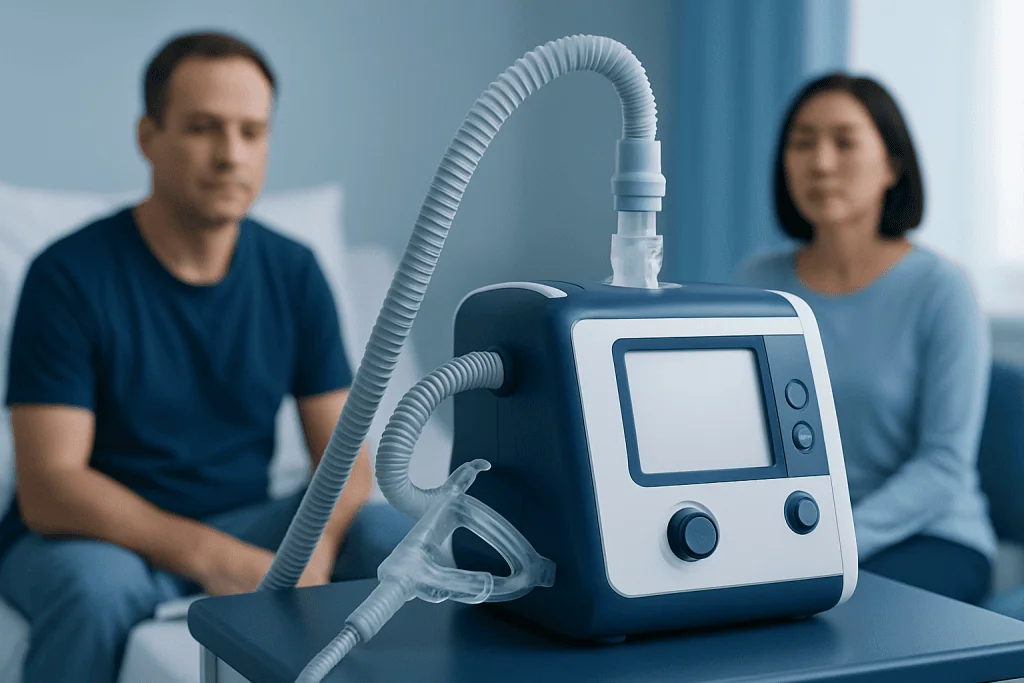
A sleep apnea mouth guard may be considered for adults with obstructive sleep apnea who have been evaluated by a qualified clinician. It is often discussed for people with mild to moderate disease, for those whose apnea is worse when lying on the back, or for patients who cannot comfortably use CPAP. In some cases, it may also be used in severe obstructive sleep apnea when other options are not tolerated, but this requires close follow-up.
These devices are not usually appropriate for central sleep apnea, in which breathing pauses happen because the brain does not send normal breathing signals. They may also be less suitable for people with significant dental problems, loose teeth, active gum disease, severe jaw joint disorders, or limited ability to move the lower jaw forward.
Patient selection matters because a mouth guard works mechanically, not universally. Factors such as jaw structure, body weight, nasal blockage, tongue position, and the severity of airway collapse can affect results. This is one reason a custom plan is more reliable than self-treatment based on symptoms alone.
Some people ask whether a mouth guard can replace all other treatments. The answer is no. Depending on the person, clinicians may recommend a combination of weight management, sleep-position strategies, nasal treatment, oral appliance therapy, or sleep apnea treatment with other approaches.
Symptoms and Signs That Suggest Sleep Apnea
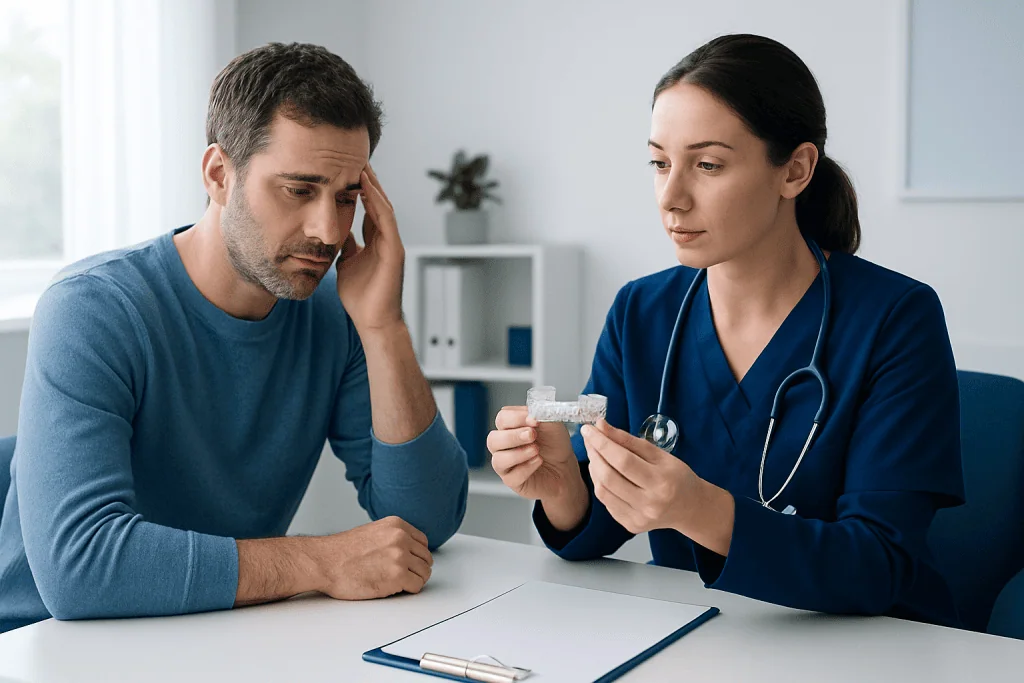
Many people first look for a sleep apnea mouth guard because of loud snoring. Snoring is common in obstructive sleep apnea, but it is not the only symptom. Repeated pauses in breathing, choking or gasping during sleep, restless sleep, dry mouth in the morning, and frequent nighttime waking can all be clues.
Daytime symptoms may be just as important. These can include excessive sleepiness, morning headaches, difficulty concentrating, irritability, low energy, and reduced work or driving performance. Some people notice poor sleep quality even when they think they slept through the night.
Sleep apnea can also affect long-term health. Untreated obstructive sleep apnea has been linked with high blood pressure, heart rhythm problems, stroke risk, insulin resistance, and reduced quality of life. Because symptoms vary widely, a person should not assume that a mouth guard is enough simply because snoring improves.
- Loud habitual snoring
- Observed pauses in breathing
- Gasping or choking during sleep
- Morning headache or dry mouth
- Daytime sleepiness or poor concentration
- Unrefreshing sleep despite enough time in bed
How Doctors Decide If a Mouth Guard Is Appropriate
The first step is diagnosis, not device shopping. A clinician will review symptoms, medical history, sleep habits, body weight, nasal and throat anatomy, and possible related conditions. Because many sleep disorders share similar symptoms, this evaluation helps identify whether the problem is truly obstructive sleep apnea and how severe it is.
A sleep study is usually needed. This may be done at home in selected cases or in a sleep laboratory when a more detailed assessment is necessary. The study measures breathing pauses, oxygen levels, and sleep patterns. Results help determine whether an oral appliance is a reasonable option or whether other therapies are more suitable.
If a mouth guard is being considered, a dentist or dental sleep medicine professional with appropriate training usually evaluates the teeth, gums, bite, jaw joints, and ability to advance the lower jaw. This step is important because the appliance must fit accurately and function without causing avoidable harm.
Follow-up matters as much as the initial fitting. After the device is adjusted, doctors may recommend repeat sleep testing to confirm that airway obstruction has actually improved. This evidence-based approach is more reliable than judging success only by whether snoring becomes quieter.
Types of Sleep Apnea Mouth Guards and How They Compare
The most commonly prescribed device is the mandibular advancement device. It usually fits over the upper and lower teeth and gently holds the jaw in a forward position during sleep. Some designs are adjustable, allowing gradual changes to improve comfort and effectiveness over time.
Another type, used less often, is a tongue-retaining device. This aims to keep the tongue from falling backward into the airway. It may be considered for certain patients who cannot use a jaw-advancing appliance, although tolerance can vary.
Custom-made devices prescribed by clinicians are different from over-the-counter boil-and-bite products. Non-custom devices may seem convenient, but they often fit poorly, are harder to wear consistently, and may not provide the controlled jaw position needed for effective treatment. They can also increase the risk of discomfort or dental side effects.
For many patients, the main comparison is between oral appliance therapy and CPAP treatment. CPAP is often more effective at reducing breathing events, especially in more severe obstructive sleep apnea. A mouth guard, however, may be easier for some people to use regularly, and real-world success depends on both effectiveness and adherence.
Benefits, Limits, and Possible Side Effects
When properly prescribed, a sleep apnea mouth guard can reduce snoring, lessen obstructive breathing events, and improve sleep quality and daytime alertness. Many people appreciate that it is portable, quiet, and does not require electricity. This can make it attractive for travel and for people who struggle with masks or pressurized airflow.
Still, the benefits have limits. A mouth guard may not control apnea fully in every patient, particularly when the condition is severe, body weight is significantly elevated, or airway collapse occurs at multiple levels. It is also not a quick fix for every reason someone snores.
Side effects are usually manageable but should be taken seriously. Common issues include jaw soreness, tooth discomfort, gum irritation, dry mouth, excess saliva, and morning bite changes. Over time, some people develop lasting dental movement or changes in how the teeth meet, which is why regular dental and medical follow-up is important.
If symptoms persist despite treatment, the care team may consider appliance adjustment, another type of oral device, or a different strategy such as ENT surgery when anatomy contributes to blockage. The best treatment is the one that safely improves breathing and can be used consistently.
Practical Self-Care Tips for People Using an Oral Appliance
Successful treatment depends on more than simply wearing the device. Patients should use the appliance exactly as instructed, keep follow-up appointments, and report any discomfort early. Small adjustments may improve comfort and make it easier to continue treatment.
Cleaning is also important. The appliance should be cleaned regularly according to the manufacturer’s and clinician’s instructions, stored safely, and checked for wear. Good dental hygiene helps reduce irritation and supports long-term oral health while using the device.
Lifestyle measures can improve results. Weight management, avoiding alcohol close to bedtime, stopping smoking, treating nasal congestion, and sleeping on the side may reduce airway obstruction in some people. These steps do not replace prescribed treatment, but they may help it work better.
- Use the device every night unless a clinician advises otherwise
- Attend dental and sleep medicine follow-up visits
- Keep the mouth guard clean and properly stored
- Report jaw pain, bite changes, or loose teeth promptly
- Support treatment with healthy sleep and lifestyle habits
When to Seek Medical Care
A person should seek medical evaluation if there is loud habitual snoring together with witnessed breathing pauses, gasping, excessive daytime sleepiness, or morning headaches. These symptoms can suggest a sleep-related breathing disorder that needs formal assessment rather than self-diagnosis. Children with snoring or breathing pauses during sleep also need medical attention, because their evaluation and treatment are different from adults.
Medical review is also important if a current mouth guard is uncomfortable, seems ineffective, or causes changes in the bite or jaw pain. Persistent sleepiness despite using the device should not be ignored, especially if it affects driving, work, or concentration. In some cases, repeat testing is needed to check whether the treatment is controlling apnea adequately.
Urgent care may be needed if sleep-related breathing problems occur together with chest pain, severe shortness of breath, fainting, or dangerous daytime drowsiness. Near the end of the care pathway, some patients may benefit from multidisciplinary evaluation. Acibadem International’s multidisciplinary specialists in JCI-accredited hospitals diagnose and treat sleep disorders for international patients, including assessment for oral appliance therapy and related ENT or sleep medicine options.
Frequently asked questions
Does a sleep apnea mouth guard really work?
It can work well for selected people with obstructive sleep apnea, especially some with mild to moderate disease. Its effectiveness depends on the person's anatomy, the severity of apnea, and whether the device is professionally fitted and adjusted. A follow-up sleep assessment is often needed to confirm that it is working.
Is a snoring mouth guard the same as a sleep apnea mouth guard?
Not necessarily. Some products are marketed for snoring but have not been properly evaluated for obstructive sleep apnea treatment. A true sleep apnea mouth guard should be chosen after medical diagnosis and fitted under professional guidance.
Can a sleep apnea mouth guard replace CPAP?
For some patients, yes, but not for everyone. CPAP is often more effective, especially in more severe obstructive sleep apnea. A clinician can help decide whether an oral appliance is a suitable alternative based on symptoms, sleep study results, and patient preference.
Do over-the-counter mouth guards help with sleep apnea?
Over-the-counter devices may help some people snore less, but they are generally less reliable for confirmed sleep apnea. Poor fit and limited adjustability can reduce effectiveness and increase side effects. A custom device prescribed after evaluation is usually the safer evidence-based option.
What are the side effects of a sleep apnea mouth guard?
Common side effects include jaw soreness, tooth discomfort, dry mouth, extra saliva, and temporary morning bite changes. Over time, some people may develop dental movement or changes in bite alignment. Regular follow-up helps identify and manage these problems early.
How is a sleep apnea mouth guard fitted?
It is usually fitted by a dentist or trained dental sleep professional after a doctor confirms obstructive sleep apnea. The appliance is custom-made from dental impressions or digital scans and then adjusted over time for comfort and effectiveness. Follow-up visits are important to monitor both symptoms and oral health.
References
- American Academy of Sleep Medicine
- American Academy of Dental Sleep Medicine
- National Heart, Lung, and Blood Institute
- American Dental Association
- Mayo Clinic
This article is for general information only and is not a substitute for professional medical advice. Please consult a qualified doctor about your individual situation.
Sleep Apnea in Turkey — costs, top hospitals & a free quote
JCI-accredited · board-certified surgeons · reply within 24h
Add us as a Preferred Source to see more of our trusted health content across Google Search, AI Overviews and Discover.
Check your numbers in seconds
BMI, calories, due date, blood pressure and 30+ more clinical calculators — free, instant, doctor-reviewed ranges.

Otorhinolaryngology (ENT)
Care for ear, nose, throat and head-and-neck conditions, including hearing and balance disorders.
126 specialists in this unitMore from the Health Library

Bigeminy Pvc — Explained by Medical Evidence, Not Myths

Blood Sugar Complex — Explained by Medical Evidence, Not Myths

Internal Bleeding — Explained by Medical Evidence, Not Myths
Forefoot: An Evidence-Based Guide for Patients

Staphylococcus: A Complete Medical Overview