Vascular Dementia: An Evidence-Based Guide for Patients

Vascular dementia is caused by problems with blood supply to the brain, including stroke and small vessel disease. Symptoms often involve slowed thinking, trouble planning, poor attention, and changes in mood or walking, not only memory loss.
Key Takeaways
- Vascular dementia is caused by problems with blood supply to the brain, including stroke and small vessel disease.
- Symptoms often involve slowed thinking, trouble planning, poor attention, and changes in mood or walking, not only memory loss.
- Diagnosis usually combines medical history, cognitive assessment, neurological examination, blood tests, and brain imaging.
- Treatment focuses on controlling the underlying vascular disease, supporting cognitive function, and improving safety and quality of life.
- Urgent medical care is needed for sudden stroke-like symptoms such as facial droop, weakness, or speech difficulty.
Vascular dementia is a common cause of cognitive decline that happens when reduced blood flow damages brain tissue. It can affect memory, planning, attention, mood, and daily function, but early recognition and control of vascular risk factors may help slow further decline.
Overview
Vascular dementia is a condition in which problems with blood flow to the brain lead to difficulties with memory, thinking, behavior, or everyday functioning. It is one of the most common forms of dementia and may develop after a stroke, multiple small strokes, or long-term damage to the brain’s small blood vessels. In many people, symptoms appear gradually; in others, they may worsen more noticeably after a vascular event.
The condition is best understood as part of a spectrum sometimes called vascular cognitive impairment. This means changes can range from mild difficulties with attention or planning to more established dementia that interferes with independent living. Because blood vessel health affects the entire brain, the pattern of symptoms can be different from person to person.
Vascular dementia may occur on its own or alongside other brain diseases, especially Alzheimer’s disease. When more than one process contributes to cognitive decline, doctors may describe it as mixed dementia. Identifying the vascular component is important because many of its risk factors, such as high blood pressure, diabetes, smoking, and high cholesterol, can be treated.
How vascular dementia affects the brain
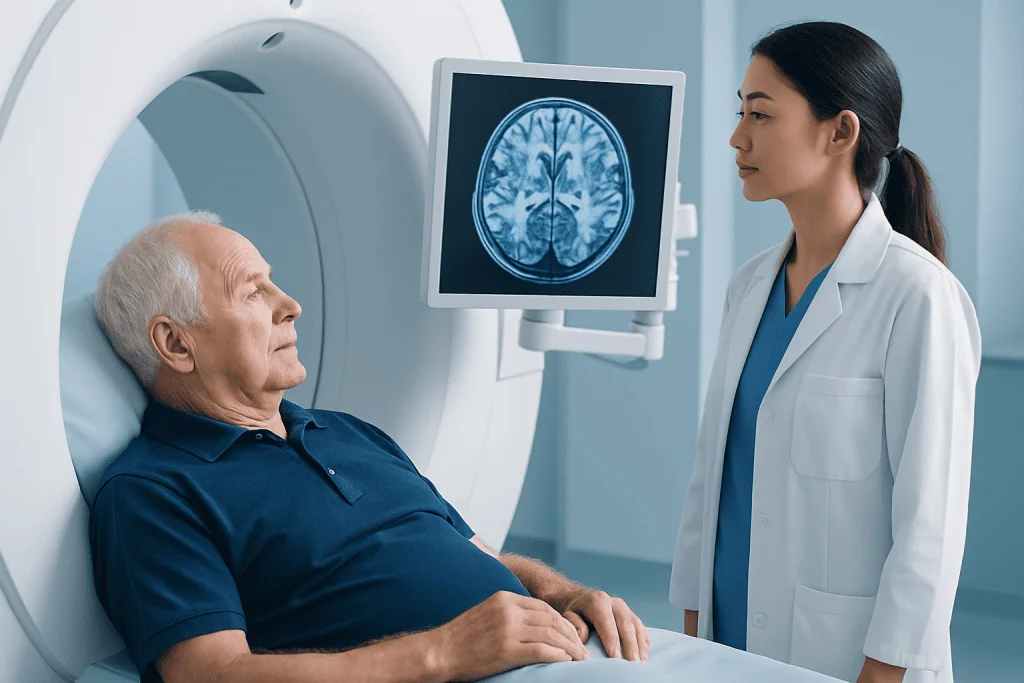
The brain depends on a steady supply of oxygen and nutrients delivered through blood vessels. If that supply is interrupted or reduced, brain cells can be injured or die. This may happen suddenly, as in a major stroke, or slowly over time because of narrowing, blockage, or damage in the small vessels deep within the brain.
Different parts of the brain control different abilities. Damage in the frontal and subcortical networks often affects attention, decision-making, organization, and mental speed. This is why people with vascular dementia may seem slower in thought or have more trouble planning tasks than recalling old memories, especially early on.
Small vessel disease can also affect walking, balance, bladder control, and mood. MRI scans may show tiny infarcts, areas of tissue loss, or white matter changes linked to chronic vascular injury. These findings help explain why symptoms can be broad and may include physical as well as cognitive changes.
Symptoms and everyday signs

Vascular dementia symptoms vary with the location and extent of brain injury. Some people notice abrupt changes after a stroke, while others have a slow, stepwise decline, meaning symptoms worsen in stages. Family members may first observe that the person is less organized, more forgetful, slower to respond, or less able to manage finances, medications, or appointments.
Common symptoms can include trouble concentrating, slowed thinking, difficulty planning or solving problems, poor judgment, forgetfulness, confusion, and reduced motivation. Mood and personality changes are also possible, including depression, irritability, apathy, or emotional lability. Some people have gait changes, unsteadiness, urinary urgency, or weakness related to earlier strokes.
Symptoms that may appear include:
- Difficulty focusing or following conversations
- Problems organizing tasks or making decisions
- Slower processing speed
- Memory problems, especially with recent events
- Getting lost in familiar places
- Mood changes, depression, or apathy
- Walking difficulties or frequent falls
- Speech or swallowing problems in some cases
Because symptoms overlap with other neurological conditions, a medical assessment is important. Sudden weakness, facial droop, vision loss, or speech changes suggest a possible stroke and need emergency evaluation rather than routine follow-up.
Causes and risk factors
Vascular dementia is caused by conditions that damage blood vessels or reduce blood flow in the brain. Major causes include ischemic strokes, repeated small strokes, cerebral small vessel disease, and sometimes bleeding in the brain. The risk often rises with age, but it is strongly influenced by cardiovascular health across adult life.
The main risk factors are high blood pressure, diabetes, high cholesterol, smoking, obesity, physical inactivity, atrial fibrillation, sleep apnea, and heart or vascular disease. People who have had a stroke or transient ischemic attack are at higher risk. Long-standing vascular risk factors may also contribute to carotid artery disease and other circulation problems that increase the chance of brain injury.
Some lifestyle and medical factors can accelerate decline by making new vascular events more likely. Doctors usually look carefully for treatable contributors such as uncontrolled blood pressure, poorly managed blood sugar, medication side effects, depression, thyroid disease, low vitamin B12, or sleep disorders. Addressing these issues can improve daily function even when underlying brain injury cannot be reversed.
Diagnosis and evaluation
There is no single test that confirms vascular dementia in every case. Diagnosis is based on a careful review of symptoms, timing, medical history, neurological examination, and evidence of vascular brain injury. The clinician also considers how much the cognitive changes affect work, social life, and independent daily activities.
Assessment often includes cognitive screening and, when needed, more detailed neuropsychological testing. These tests can show patterns such as impaired attention, executive function, and processing speed. Blood tests help look for other causes or contributors to cognitive symptoms, including anemia, infection, thyroid disorders, vitamin deficiencies, and metabolic problems.
Brain imaging plays a central role. CT may identify larger strokes or bleeding, while MRI is often more sensitive for small vessel disease, old infarcts, and white matter changes. Depending on the person’s symptoms and history, doctors may also use vascular imaging, heart rhythm evaluation, or ultrasound studies to look for a source of reduced blood flow or emboli. In some cases, an urgent MRI scan or CT scan helps clarify the diagnosis and guide treatment planning.
Because more than one condition can cause memory loss, doctors may also compare features with Alzheimer’s disease and other dementias. This helps patients and families understand what to expect and how best to plan care.
Treatment and long-term management
There is no single cure for vascular dementia, but treatment can help slow further damage, reduce symptoms, and support independence. The cornerstone is aggressive management of vascular risk factors. This usually includes blood pressure control, diabetes management, cholesterol treatment, smoking cessation, regular physical activity, healthy diet, and treatment of heart rhythm disorders such as atrial fibrillation when present.
Doctors may prescribe medicines to lower stroke risk, depending on the cause of the vascular disease and the person’s overall health. Some patients with mixed dementia may also be offered medications used in Alzheimer’s disease, although benefits vary. Depression, sleep problems, agitation, and bladder symptoms are treated individually because they can greatly affect quality of life.
Rehabilitation and supportive care are often just as important as medication. Physical therapy, occupational therapy, speech-language therapy, and cognitive rehabilitation can help with mobility, communication, safety, and routine function. For selected patients, specialists may investigate blood vessel problems and consider interventions linked to stroke prevention, such as carotid endarterectomy when carotid narrowing is a major contributing factor.
Families play a key role in daily management. Practical steps may include simplifying routines, using calendars and pill organizers, improving home lighting, reducing trip hazards, reviewing driving safety, and planning legal and financial support early. Near the end of the care pathway, patients seeking international evaluation may also consult Acibadem International, where multidisciplinary specialists in JCI-accredited hospitals diagnose and treat vascular neurological conditions.
Prevention and self-care
Many cases of vascular dementia are linked to preventable vascular injury. The most effective prevention strategy is to protect blood vessel health throughout life. This means keeping blood pressure, cholesterol, and blood sugar in target ranges advised by a doctor, staying physically active, avoiding tobacco, limiting alcohol, and maintaining a balanced eating pattern rich in vegetables, fruits, whole grains, and healthy fats.
Good sleep, treatment of sleep apnea, stress management, and hearing or vision correction may also help maintain cognitive function and reduce strain on daily life. Regular medical follow-up matters because vascular risks often cause silent damage before obvious symptoms appear. After a stroke or transient ischemic attack, prevention becomes especially important to reduce the chance of another event.
People already living with vascular dementia can support brain health by keeping a regular routine, remaining socially engaged, doing safe physical activity, and using reminders or assistive tools. Caregivers may benefit from education, respite support, and community resources. A steady, structured environment often reduces confusion and helps preserve confidence.
When to seek medical care
Medical advice should be sought if a person develops new or worsening memory problems, confusion, trouble managing daily tasks, personality changes, or difficulties with walking and balance. Early evaluation can identify treatable causes, clarify whether vascular disease is contributing, and provide a plan for risk reduction and support.
Urgent medical care is needed for symptoms that could signal a stroke or another acute neurological event. These include sudden facial droop, arm or leg weakness, speech difficulty, severe confusion, sudden vision loss, or a severe new headache. Emergency treatment can be time-sensitive and may reduce lasting brain injury.
It is also important to seek help if there are safety concerns such as falls, wandering, medication errors, poor nutrition, dehydration, or caregiver burnout. Prompt support can improve both patient wellbeing and family resilience.
Frequently asked questions
What is the difference between vascular dementia and Alzheimer's disease?
Vascular dementia is caused by reduced blood flow and damage to brain blood vessels, while Alzheimer's disease is linked to different brain changes involving abnormal proteins. In vascular dementia, slowed thinking, attention problems, and difficulty planning are often prominent early features, although overlap is common. Some people have mixed dementia, meaning both conditions contribute.
Can vascular dementia start suddenly?
Yes. Symptoms may appear suddenly after a stroke or may worsen in noticeable steps after repeated vascular events. In other people, especially those with small vessel disease, changes develop gradually over time.
Is vascular dementia reversible?
Brain injury that has already occurred is usually not fully reversible. However, some contributing factors such as uncontrolled blood pressure, poorly managed diabetes, depression, sleep problems, or medication effects can be treated. Managing these issues may improve day-to-day function and help slow further decline.
Who is most at risk for vascular dementia?
Risk is higher in older adults and in people with stroke, high blood pressure, diabetes, high cholesterol, smoking history, heart disease, or atrial fibrillation. Poorly controlled vascular risk factors over many years increase the chance of blood vessel damage in the brain.
How is vascular dementia diagnosed?
Doctors diagnose it using a combination of medical history, symptom pattern, physical and neurological examination, cognitive testing, blood tests, and brain imaging. MRI is often especially helpful for showing strokes or small vessel disease. The doctor also looks for other conditions that may mimic or worsen cognitive symptoms.
What treatments help people with vascular dementia?
Treatment focuses on preventing further vascular damage and supporting daily function. This may include controlling blood pressure, cholesterol, and diabetes, stopping smoking, treating heart rhythm problems, and using rehabilitation therapies. Some people may also benefit from medicines for memory symptoms, mood changes, or sleep problems, depending on the overall diagnosis.
This article is for general information only and is not a substitute for professional medical advice. Please consult a qualified doctor about your individual situation.
Dementia in Turkey — costs, top hospitals & a free quote
JCI-accredited · board-certified surgeons · reply within 24h
Add us as a Preferred Source to see more of our trusted health content across Google Search, AI Overviews and Discover.
Check your numbers in seconds
BMI, calories, due date, blood pressure and 30+ more clinical calculators — free, instant, doctor-reviewed ranges.

Neurology
Diagnosis and treatment of disorders of the brain, spinal cord, nerves and muscles.
51 specialists in this unitMore from the Health Library

Carbs in Kiwi: A Complete Medical Overview

Ultherapy: A Complete Medical Overview

Faeces in Vomit: What Patients Need to Know

Retinyl Palmitate: What Patients Need to Know

Delirium Tremens: An Evidence-Based Guide for Patients