Serratia Marcescens — Explained by Medical Evidence, Not Myths

Serratia marcescens is an environmental bacterium that can sometimes cause urinary, respiratory, bloodstream, wound, or eye infections. It is more likely to cause illness in hospitalized patients, people with catheters or medical devices, and those with weakened immune systems.
Key Takeaways
- Serratia marcescens is an environmental bacterium that can sometimes cause urinary, respiratory, bloodstream, wound, or eye infections.
- It is more likely to cause illness in hospitalized patients, people with catheters or medical devices, and those with weakened immune systems.
- Symptoms depend on the body site involved rather than on the name of the bacterium itself.
- Diagnosis usually requires a culture from urine, blood, sputum, wound fluid, or another sample.
- Treatment is based on laboratory testing because Serratia marcescens can resist some common antibiotics.
- Good hand hygiene, device care, and early medical assessment help reduce complications.
Serratia marcescens is a type of gram-negative bacterium that often lives in the environment and usually does not cause problems in healthy people. It becomes medically important when it causes infections, most often in healthcare settings or in people with weakened defenses, and treatment depends on where the infection is and which antibiotics the bacterium is sensitive to.
Overview: what Serratia marcescens actually is
Serratia marcescens is a bacterium found in water, soil, and damp environments. It can also survive on some surfaces and in moist medical settings. Most people who encounter it do not become sick, so finding the name can sound more alarming than the medical reality for many patients.
The concern arises when serratia marcescens enters the body and causes an infection. This is more likely in hospitals, long-term care facilities, or after procedures that involve catheters, intravenous lines, breathing tubes, or surgery. In these settings, it may contribute to what doctors call a healthcare-associated infection.
Unlike some bacteria that mainly cause one specific illness, Serratia marcescens can infect different parts of the body. It may affect the urinary tract, lungs, bloodstream, skin, surgical wounds, or eyes. The symptoms and seriousness depend on the location of the infection, the person’s general health, and how quickly treatment begins.
One reason this bacterium gets attention in medical literature is that it may not respond to certain routinely used antibiotics. That does not mean it is untreatable. It means that doctors usually rely on culture results and antibiotic sensitivity testing to choose the most effective medication safely and accurately.
How infection happens and who is at higher risk
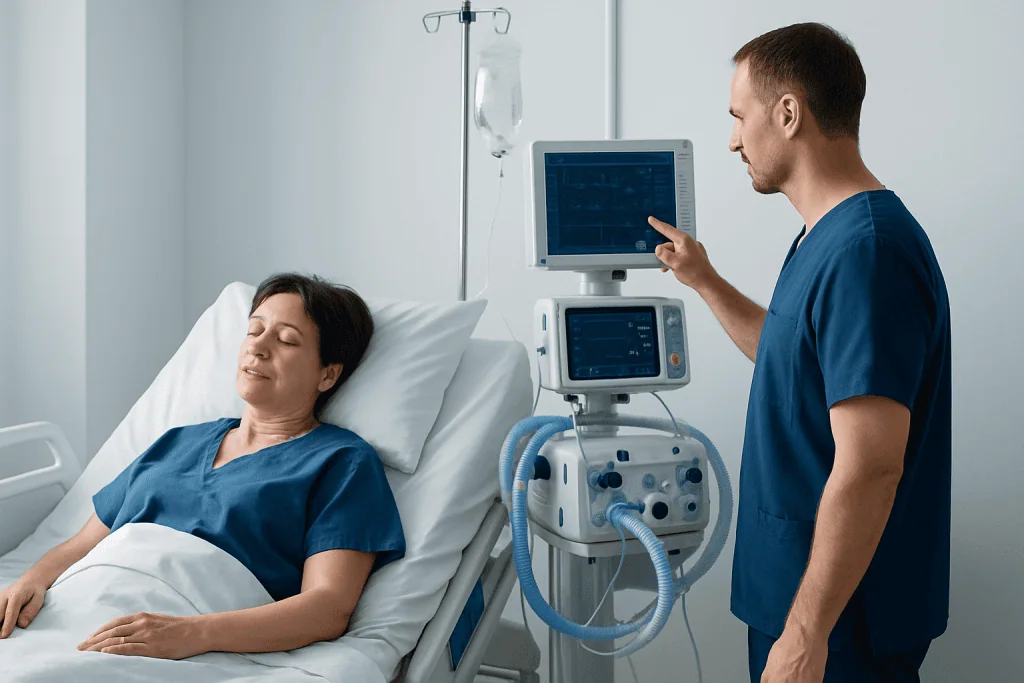
Serratia marcescens usually causes infection when normal body defenses are bypassed. This can happen through urinary catheters, intravenous cannulas, central lines, ventilators, or recent surgery. Open wounds and burns can also provide an entry point.
People at higher risk include those who are hospitalized for a long time, are in intensive care, have chronic illnesses, or have weakened immunity due to cancer treatment, organ transplantation, advanced diabetes, or immune-suppressing medicines. Newborns, older adults, and people with severe underlying disease may also be more vulnerable.
The bacterium has been linked to outbreaks when contaminated fluids, solutions, equipment, or poorly disinfected surfaces allow it to spread. For this reason, infection prevention in hospitals focuses heavily on hand hygiene, device management, environmental cleaning, and careful use of invasive equipment.
Although many infections are healthcare-associated, community cases can occur. For example, some people may develop eye infections after contact lens contamination or wound infections after exposure in damp environments. Even then, a clinician usually needs to confirm the diagnosis because many other bacteria can cause similar symptoms.
Symptoms depend on the body site involved

There is no single symptom pattern unique to serratia marcescens. Instead, symptoms reflect the part of the body that is infected. This is why medical evaluation focuses first on the type of infection and the person’s overall condition.
Urinary tract infection may cause burning with urination, frequent urination, urgency, lower abdominal discomfort, cloudy urine, or fever. Lung infection may lead to cough, shortness of breath, chest discomfort, mucus production, and fever. Bloodstream infection can cause fever, chills, weakness, confusion, low blood pressure, or feeling suddenly much more unwell.
Skin or wound infection may cause redness, swelling, warmth, pain, discharge, or poor wound healing. Eye infection may cause redness, pain, discharge, blurred vision, light sensitivity, or the sensation that something is in the eye. Depending on the body area involved, doctors may also consider related conditions such as pneumonia or urinary tract infection while they investigate the exact cause.
Some people are found to have the bacterium on a culture without clear symptoms. In that situation, the result may represent colonization rather than true infection. A doctor interprets the test together with symptoms, examination findings, and the person’s medical history before deciding whether treatment is needed.
Diagnosis: confirming infection and guiding treatment
Diagnosis usually begins with a clinical assessment. A doctor asks about symptoms, recent hospitalization, medical devices, surgery, medications, and immune status. Because many infections caused by Serratia marcescens are not distinguishable from other bacterial infections based on symptoms alone, laboratory testing is central to diagnosis.
The main test is a culture from the affected site. This may include urine, blood, sputum, wound fluid, eye secretions, or fluid from a medical device if appropriate. The laboratory identifies the organism and performs antibiotic susceptibility testing, which shows which medications are likely to work and which are not.
Additional tests depend on the suspected infection. A doctor may request blood tests to look for signs of infection or organ stress, imaging such as a chest X-ray if pneumonia is suspected, or ultrasound or CT in selected cases. If a patient appears seriously unwell, treatment may begin before final culture results return, then be adjusted once the laboratory report is available.
In recurrent or severe cases, clinicians also look for the source. For example, they may evaluate whether a catheter, central line, abscess, or another hidden focus is allowing bacteria to persist. Finding and controlling the source is often just as important as choosing the right antibiotic.
Treatment options and why antibiotic choice matters
Treatment for serratia marcescens depends on the infection site, its severity, and the person’s health status. Many patients need antibiotics, but the exact medicine should be guided by culture and sensitivity results whenever possible. This approach helps avoid ineffective treatment and supports responsible antibiotic use.
Serratia marcescens can have natural and acquired resistance to several antibiotics, so treatment is not usually based on guesswork alone. A mild urinary infection and a bloodstream infection are managed very differently. Some patients can be treated with oral antibiotics, while others need intravenous therapy in hospital. In serious cases, doctors may involve an infectious diseases evaluation to help tailor therapy.
Antibiotics are only part of care. If a catheter, central line, or another device is the likely source, it may need to be removed or replaced. If there is a collection of infected fluid, drainage may be necessary. Supportive care such as hydration, oxygen, pain relief, and monitoring can also be important, especially when the infection is severe.
For patients with complex infections, doctors may use laboratory support from microbiology laboratory testing and imaging or procedures when needed to identify the source. If the infection affects the lungs or urinary system, treatment may proceed alongside care plans related to pneumonia treatment or urinary tract infection treatment, depending on the confirmed diagnosis.
Prevention, self-care, and common myths
Prevention focuses on reducing exposure where infection is most likely to happen. In healthcare settings, this includes hand hygiene, proper cleaning of equipment, safe catheter practices, careful wound care, and removing devices as soon as they are no longer needed. These measures are simple but highly effective in limiting healthcare-associated infections.
At home, general infection prevention matters more than worrying about the bacterium by name. Washing hands, keeping wounds clean and covered, following aftercare instructions after surgery, handling contact lenses correctly, and seeking prompt advice for fever or worsening symptoms can all help. People with urinary catheters or other devices should follow professional guidance closely.
A common myth is that any mention of Serratia marcescens means a dangerous or untreatable infection. In reality, some people are only colonized, and many true infections respond well when identified early and treated according to susceptibility results. Another myth is that a red or pink discoloration in a damp area always means this specific bacterium. Many organisms and noninfectious residues can look similar, so visible color alone is not a diagnosis.
Self-care should never replace medical assessment if symptoms suggest infection. People should avoid using leftover antibiotics or stopping treatment early. Taking antibiotics without proper testing can delay correct care and may increase antibiotic resistance.
When to seek medical care
Medical advice is appropriate if a person has fever, painful urination, persistent cough, shortness of breath, increasing wound redness, discharge from a surgical site, eye pain, or other signs of infection that are not improving. This is especially important after a recent hospital stay, surgery, catheter use, or a procedure involving a medical device.
Urgent care is needed for warning signs such as confusion, severe weakness, difficulty breathing, chest pain, rapidly worsening redness or swelling, very low urine output, fainting, or symptoms of sepsis such as fever with chills and a marked decline in general condition. People with weakened immune systems should have a lower threshold for contacting a doctor.
Anyone who has a laboratory result showing Serratia marcescens should discuss it with a qualified clinician rather than trying to interpret it alone. The same result can mean different things depending on symptoms and where the sample came from. A doctor can explain whether it likely reflects contamination, colonization, or true infection and decide if treatment is needed.
For international patients needing coordinated assessment, Acibadem International’s multidisciplinary specialists and JCI-accredited hospitals diagnose and treat infectious conditions using culture-guided, evidence-based care.
Frequently asked questions
Is Serratia marcescens always dangerous?
No. Serratia marcescens is not always dangerous, and exposure does not automatically mean infection. It becomes medically important mainly when it enters the body and causes illness, especially in people with medical devices, recent hospitalization, or weakened immunity.
Can healthy people get a Serratia marcescens infection?
Yes, but it is less common. Healthy people may occasionally develop an eye or wound infection, but more serious infections are seen more often in hospitalized or medically vulnerable patients.
How is Serratia marcescens diagnosed?
It is usually diagnosed by growing the bacterium in a laboratory culture from urine, blood, sputum, wound fluid, or another relevant sample. The lab also checks which antibiotics are likely to work, which helps doctors choose treatment.
What infections can Serratia marcescens cause?
It can cause urinary tract infections, pneumonia, bloodstream infections, wound infections, and eye infections, among others. The symptoms depend on the affected body site rather than on the bacterial name itself.
Is Serratia marcescens resistant to antibiotics?
It can be. This bacterium may resist some commonly used antibiotics, which is why doctors often rely on culture and susceptibility testing before finalizing treatment.
Can Serratia marcescens go away without treatment?
A true infection should not be assumed to resolve safely without medical advice, especially if symptoms are significant or the person is at high risk. Some test results reflect colonization rather than infection, so a clinician should decide whether treatment is necessary.
How can patients help prevent Serratia marcescens infection?
Good hand hygiene, proper wound care, safe catheter and device care, and correct contact lens hygiene all help reduce risk. After surgery or hospitalization, following care instructions and reporting new symptoms early is especially important.
References
- Centers for Disease Control and Prevention
- World Health Organization
- National Institutes of Health
- Infectious Diseases Society of America
- MedlinePlus
This article is for general information only and is not a substitute for professional medical advice. Please consult a qualified doctor about your individual situation.
Explore treatments in Turkey — costs, top hospitals & a free quote
JCI-accredited · board-certified surgeons · reply within 24h
Add us as a Preferred Source to see more of our trusted health content across Google Search, AI Overviews and Discover.
Check your numbers in seconds
BMI, calories, due date, blood pressure and 30+ more clinical calculators — free, instant, doctor-reviewed ranges.