Best Protein Powder: Benefits, Risks, and Safe Use
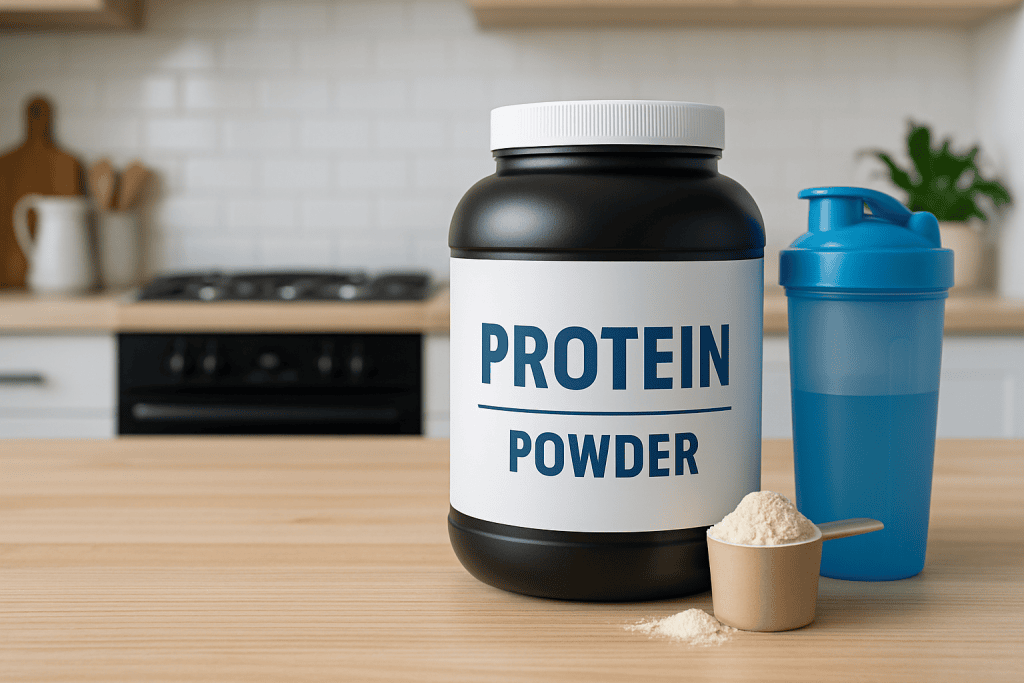
Protein powder can help people meet protein needs when food intake is limited or requirements are higher. No protein powder is universally best; the safest choice depends on ingredients, tolerability, and personal health conditions.
Key Takeaways
- Protein powder can help people meet protein needs when food intake is limited or requirements are higher.
- No protein powder is universally best; the safest choice depends on ingredients, tolerability, and personal health conditions.
- Evidence supports protein powder for convenient protein intake and muscle maintenance, but it is not a substitute for a balanced diet.
- Some people should use caution, especially those with kidney disease, liver disease, food allergies, or digestive sensitivity.
- Third-party tested products with simple ingredient lists are generally preferred over heavily marketed blends.
The best protein powder is not one single product for everyone. A suitable option depends on dietary needs, activity level, medical history, ingredient quality, and whether protein powder is needed at all.
Overview: What the Best Protein Powder Really Means
The best protein powder is the one that helps a person meet protein needs safely, fits their diet, and does not cause side effects. For many adults, protein powder can be a practical supplement when whole-food protein is not enough, such as during recovery from illness, intense training, reduced appetite, or busy schedules. However, it is not automatically necessary for good health.
Protein powders are concentrated sources of protein made from foods such as milk, eggs, peas, soy, rice, or other plants. Common forms include whey, casein, soy protein, pea protein, and mixed plant blends. They may be sold as powders, ready-to-drink shakes, or meal replacement products, but these are not all the same. Some provide mostly protein, while others contain added sugars, vitamins, stimulants, herbs, or other ingredients.
Clinical evidence supports protein supplementation mainly as a convenient way to increase protein intake. In the right setting, it may help support muscle repair after exercise, preserve lean body mass during aging, and improve nutritional intake when appetite is poor. It does not, however, reliably deliver dramatic benefits beyond meeting total protein needs, and many advertised claims go beyond what evidence clearly supports.
When choosing among products, it is often more useful to ask whether protein powder is needed, what kind of protein is tolerated, and whether the product has unnecessary additives. For some people with digestive symptoms, weight concerns, or metabolic conditions, a clinician may also assess related issues such as obesity or dietary imbalance before recommending supplements.
Types of Protein Powder and How They Differ

Whey protein is one of the most commonly used protein powders. It is derived from milk and contains all essential amino acids, making it a complete protein. Whey is often chosen for post-exercise use because it is digested relatively quickly. Casein, another milk-derived protein, is absorbed more slowly and may be used when a steadier protein supply is preferred.
Plant-based protein powders include soy, pea, rice, hemp, and blends of several plant proteins. Soy is a complete protein, while some other plant proteins are lower in one or more essential amino acids unless blended. These products may be suitable for people who avoid dairy, have lactose intolerance, or prefer a vegan diet.
Egg white protein is another complete protein option for people who tolerate eggs but avoid dairy. Collagen powders are also popular, but they are not nutritionally equivalent to complete protein powders because they do not provide the full amino acid profile needed to replace dietary protein. They should not generally be viewed as the best protein powder for overall protein intake.
Protein powders also differ by formulation. Isolates usually contain a higher proportion of protein and fewer carbohydrates or fats than concentrates. Hydrolyzed proteins are partially broken down for faster digestion, though this is not necessary for most people. A practical comparison includes:
- Whey: complete, rapidly digested, milk-based
- Casein: complete, slower digestion, milk-based
- Soy: complete, plant-based
- Pea or mixed plant protein: useful dairy-free options, often better in blends
- Egg white: complete, dairy-free but not vegan
- Collagen: not a full substitute for complete dietary protein
What Benefits Are Supported by Evidence

The clearest benefit of protein powder is simple: it helps increase protein intake when regular food is not enough. This can be useful in active adults, older adults, people recovering from surgery or illness, or individuals with limited appetite. When combined with resistance exercise, adequate protein intake can support muscle protein synthesis and help maintain or build lean mass.
Protein supplementation may also help preserve muscle during weight loss, especially when calorie intake is reduced. In some settings, protein-enriched nutrition supports recovery and function in people at risk of malnutrition. This is one reason doctors and dietitians sometimes recommend oral nutrition products or targeted supplements rather than relying on food alone.
At the same time, evidence does not show that the best protein powder is always superior to protein-rich foods such as yogurt, eggs, fish, beans, tofu, or poultry. If a person already meets protein needs through meals, adding powder may offer little additional benefit. It is also not a proven shortcut for fat loss, better immunity, or major performance gains independent of training, sleep, and total diet quality.
Some people use protein supplements during structured weight-management plans or when working with clinicians on nutrition-related concerns. In selected cases, broader support may include obesity surgery or medical nutrition assessment, but protein powder itself should be viewed as a supportive tool rather than a standalone treatment.
Risks, Side Effects, and Who Should Use Caution
Protein powder is often well tolerated, but side effects can occur. The most common are digestive symptoms such as bloating, gas, nausea, stomach discomfort, or changes in bowel habits. These may be more likely with lactose-containing products, sugar alcohols, large serving sizes, or products with multiple additives.
Allergic reactions are another concern. Milk, soy, and egg proteins can trigger symptoms in people with true food allergies. Plant blends may also contain hidden allergens or cross-contamination risks. Reading labels carefully is important, especially for anyone with a history of severe allergy.
Some people should speak to a doctor before using protein powders regularly. This includes those with kidney disease, liver disease, certain metabolic disorders, swallowing difficulties, or medically restricted diets. High-protein intake may not be appropriate in all clinical situations. A person with kidney concerns, for example, may require formal evaluation through kidney function testing before adding supplements.
There are also product-quality concerns. Supplements are not identical in purity or labeling accuracy. Some may contain excess sweeteners, caffeine, herbal stimulants, or ingredients not clearly needed. Choosing products that are third-party tested for quality can reduce risk. People who develop persistent nausea, unexplained swelling, rash, or worsening digestive symptoms should stop use and seek medical advice.
How to Choose the Best Protein Powder Safely
A safe and useful protein powder begins with a clear purpose. A person might need a simple protein supplement after exercise, a gentle option during illness recovery, or a dairy-free product because of intolerance. The label should match that purpose rather than promising many unrelated benefits.
It is usually wise to choose products with a short ingredient list, a clearly stated protein source, and limited added sugar. Third-party testing is helpful because it offers additional reassurance about quality and contents. Flavored powders may be easier to use, but very long ingredient lists can increase the chance of digestive upset or unwanted additives.
For people with sensitive digestion, trying a small amount first may be reasonable. Whey isolate may be easier for some people than whey concentrate because it contains less lactose, while others may do better with pea or soy protein. Those who have ongoing bloating, abdominal pain, or altered bowel habits may need assessment for an underlying issue such as irritable bowel syndrome rather than repeatedly switching supplements.
Helpful points when comparing products include:
- Choose a protein source that fits dietary needs and allergies
- Prefer products with minimal unnecessary additives
- Check for third-party quality testing when possible
- Avoid using protein powder to replace most meals unless a clinician recommends it
- Consider overall daily protein intake from food before adding supplements
How to Use Protein Powder in a Healthy Diet
Protein powder works best as part of an overall eating pattern, not as a replacement for balanced meals. It can be mixed with water, milk, or a fortified plant drink, or added to foods such as yogurt or oatmeal. The goal is usually to supplement protein intake, not to create an extreme high-protein diet.
Timing can matter in certain situations, but total daily intake is usually more important than a very precise schedule. Active adults may prefer protein after exercise because it is convenient, while older adults may benefit from spreading protein more evenly across meals. People recovering from illness may simply need an easy, tolerated source of nourishment.
Whole foods still offer important nutrients beyond protein alone, including fiber, healthy fats, vitamins, and minerals. For that reason, a powder should not displace a wide range of nutritious foods. It is also important to maintain hydration, especially in active people or those increasing protein intake.
If weight loss, digestive symptoms, diabetes, or poor appetite are part of the picture, tailored medical advice may be more useful than choosing a supplement based on advertising. In some cases, specialist input from nutrition, internal medicine, endocrinology, or gastroenterology can help identify the safest and most appropriate approach.
When to Seek Medical Care
Medical advice is appropriate if a person is unsure whether protein powder is suitable because of a chronic health condition, medication use, pregnancy, breastfeeding, or a history of food allergy. A clinician can help determine whether a supplement is necessary, whether the protein source is appropriate, and whether symptoms point to an underlying condition rather than a simple intolerance.
A doctor should also be consulted if protein powder causes persistent bloating, vomiting, diarrhea, constipation, abdominal pain, rash, wheezing, or swelling. These symptoms may suggest allergy, intolerance, contamination, or another digestive problem that deserves evaluation.
People with reduced kidney function, liver disease, unexplained weight loss, or signs of malnutrition should not self-manage with supplements alone. They may need blood tests, nutritional assessment, or individualized treatment. If swallowing is difficult, or if there is ongoing fatigue and poor intake, medical review is especially important.
Near the end of the care pathway, some patients may also seek structured international evaluation. Acibadem International’s multidisciplinary specialists and JCI-accredited hospitals diagnose and manage nutrition-related concerns for international patients when clinically appropriate.
Frequently asked questions
What is the best protein powder for most people?
There is no single best protein powder for everyone. A suitable choice depends on whether a person tolerates dairy, follows a plant-based diet, has allergies, and actually needs extra protein beyond regular meals.
Is protein powder necessary if someone already eats enough protein?
Usually not. If daily protein needs are already met through foods such as dairy, eggs, legumes, fish, meat, tofu, or nuts, adding protein powder may provide little extra benefit.
Are plant-based protein powders as good as whey?
They can be a good alternative, especially for people who avoid dairy or follow vegan diets. Some plant proteins are less complete on their own, so blended products or soy protein may provide a more balanced amino acid profile.
Can protein powder harm the kidneys?
In healthy people, moderate use is usually well tolerated. However, people with kidney disease or reduced kidney function should ask a doctor before increasing protein intake, because their dietary needs may be different.
What side effects can protein powder cause?
The most common side effects are bloating, gas, nausea, and changes in bowel habits. These can be related to lactose, sweeteners, large servings, or intolerance to a specific protein source.
Can protein powder help with weight loss?
It may help some people feel fuller or maintain muscle during calorie reduction, but it is not a weight-loss treatment by itself. Results depend more on the overall eating pattern, activity level, and medical factors than on one supplement.
This article is for general information only and is not a substitute for professional medical advice. Please consult a qualified doctor about your individual situation.
Explore treatments in Turkey — costs, top hospitals & a free quote
JCI-accredited · board-certified surgeons · reply within 24h
Add us as a Preferred Source to see more of our trusted health content across Google Search, AI Overviews and Discover.
Check your numbers in seconds
BMI, calories, due date, blood pressure and 30+ more clinical calculators — free, instant, doctor-reviewed ranges.

More from the Health Library

Protein Shakes for Muscle Repair: Evidence-Based Benefits, Risks, and Practical Guidance

Low Glycemic Index Foods: Benefits, Risks, and Safe Use

Chicken Heart Nutrition: Benefits, Risks, and Safe Use

Which Foods Trigger Diarrhea and Why?

Bok Choy Nutrition: Benefits, Risks, and Safe Use