Microcephaly: An Evidence-Based Guide for Patients

Microcephaly describes a smaller-than-expected head size and may be present at birth or develop during infancy. It can have many causes, including genetic conditions, problems during pregnancy, infections, or reduced brain growth.
Key Takeaways
- Microcephaly describes a smaller-than-expected head size and may be present at birth or develop during infancy.
- It can have many causes, including genetic conditions, problems during pregnancy, infections, or reduced brain growth.
- Diagnosis is based on head measurements, medical history, physical examination, and sometimes imaging or genetic testing.
- There is no single cure for microcephaly, but treatment focuses on the child's symptoms, development, and quality of life.
- Early intervention, regular follow-up, and supportive therapies can help children reach their best possible potential.
- Parents should seek medical advice if a baby's head growth seems slow or if there are seizures, feeding problems, or developmental concerns.
Microcephaly is a condition in which a baby or child has a head size that is smaller than expected for age and sex, often because the brain did not grow normally or stopped growing as expected. Some children have mild effects, while others may have developmental, neurological, or feeding challenges that need ongoing medical follow-up and supportive care.
Overview: what microcephaly means
Microcephaly means that a baby or child has a head circumference that is smaller than expected for their age and sex. On its own, a small head measurement is a clinical finding, not a complete diagnosis. What it means for a child can vary widely, from little or no functional impact to more significant developmental and neurological needs.
The condition may be congenital, meaning it is present at birth, or it may become apparent after birth if head growth slows over time. Because head size reflects brain growth to some extent, doctors assess microcephaly carefully to understand whether the brain has developed differently and whether there are associated health concerns.
It is important to know that microcephaly is not caused by anything a family can always predict or prevent. In many cases, a clear explanation is found, but in others, the exact cause remains uncertain even after evaluation. Families often benefit from practical guidance, developmental support, and coordinated follow-up rather than focusing only on the head measurement itself.
How microcephaly may affect a child
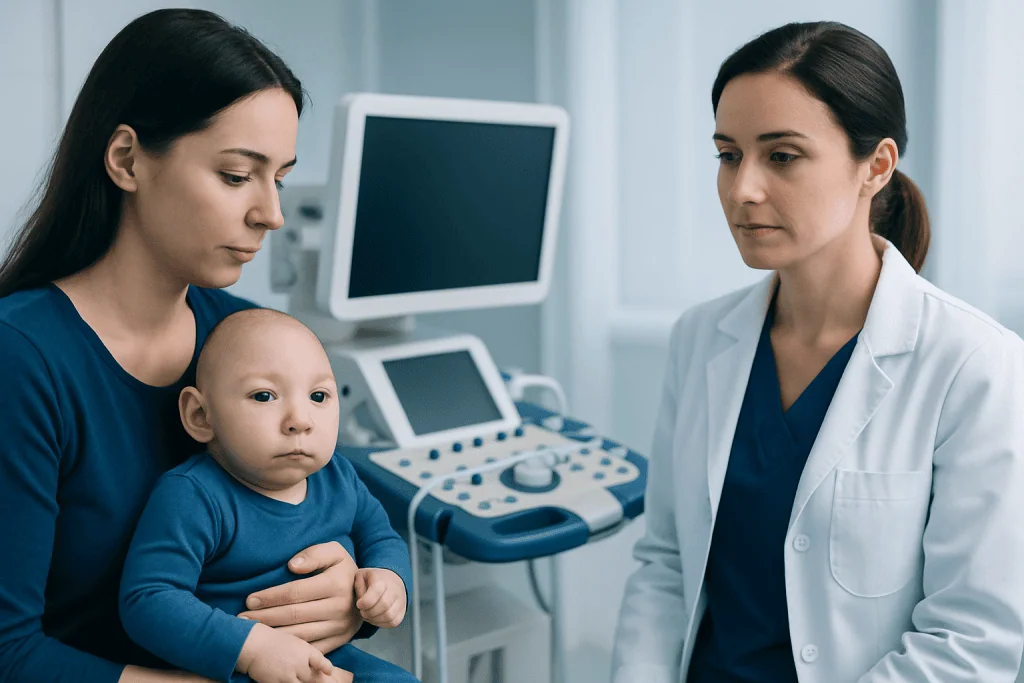
Some children with microcephaly have normal intelligence and development, especially when the difference in head size is mild and there are no other medical problems. Others may have delays in movement, speech, learning, or social development. The range is broad, so doctors usually avoid making assumptions based on head size alone.
Possible associated features can include feeding difficulties, trouble gaining weight, muscle stiffness or low muscle tone, balance problems, hearing or vision issues, and seizures. Sleep problems, irritability, and difficulties with attention or behavior can also occur in some children. When these issues are identified early, supportive care can be started sooner.
Development often becomes clearer over time. A child may need repeated assessments to monitor milestones, communication, mobility, and growth. If concerns arise about seizures or other neurological symptoms, specialists may evaluate for related conditions such as epilepsy.
- Some children have only a small head size with few symptoms.
- Others may need speech, physical, or occupational therapy.
- Ongoing follow-up helps adjust care as the child grows.
Causes and risk factors
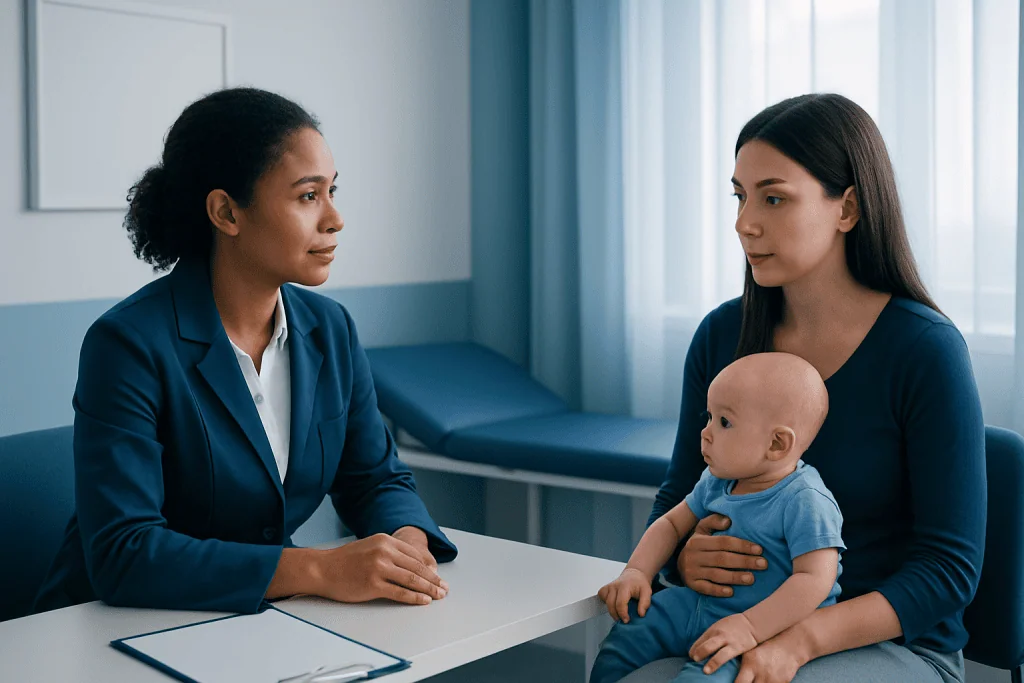
Microcephaly has many possible causes. In some children, it is related to genetic or chromosomal conditions that affect brain development. In others, the brain may be injured or may not grow normally because of events during pregnancy or early infancy. Sometimes doctors identify more than one contributing factor.
Potential causes include infections during pregnancy, reduced oxygen to the baby’s brain, exposure to harmful substances, severe malnutrition during pregnancy, and certain metabolic conditions. A baby may also develop acquired microcephaly after birth if the brain does not continue to grow as expected because of infection, injury, or another neurological problem.
Risk factors do not mean that a child will definitely have microcephaly. They simply help doctors understand what may have contributed. During evaluation, clinicians often ask about family head sizes, pregnancy history, medications and substance exposure, infections, and the child’s growth and development since birth. In some situations, additional assessment may look for related structural brain differences, including hydrocephalus, when symptoms or imaging suggest it.
- Genetic syndromes or inherited conditions
- Infections during pregnancy
- Problems affecting fetal brain development
- Exposure to alcohol, certain drugs, or toxins
- Birth complications or reduced oxygen supply
- Postnatal infection, injury, or poor brain growth
Diagnosis and medical evaluation
Diagnosis begins with careful measurement of the head circumference and comparison with standardized growth charts. Doctors interpret this measurement in context, taking into account the baby’s age, sex, gestational age at birth, body growth, and family pattern. A single measurement may raise suspicion, but repeated measurements over time are often very important.
The medical evaluation usually includes a full history and physical examination. Clinicians look at prenatal history, birth history, developmental progress, feeding, muscle tone, vision and hearing concerns, and family history. Depending on the situation, the child may be referred to pediatrics, neurology, genetics, developmental specialists, or other experts.
Tests are chosen based on the child’s symptoms and examination findings. They may include brain imaging such as MRI, hearing and vision assessment, blood tests, or genetic testing. In selected cases, doctors may use genetic testing to look for an underlying syndrome, or EEG if there are spells concerning for seizures. The goal is not only to confirm microcephaly, but also to understand the cause and identify treatable issues early.
Treatment options and supportive care
There is no single treatment that reverses microcephaly itself. Care focuses on the child’s individual needs, underlying cause when known, and any associated medical problems. This may include monitoring growth and development, treating seizures, supporting feeding, and managing hearing or vision difficulties.
Early intervention services are often central to care. Physical therapy can support posture, strength, and movement; occupational therapy can help with daily skills and sensory needs; and speech-language therapy can support communication and feeding. Children with significant feeding or swallowing difficulties may need additional nutritional support and review by specialists.
Medical follow-up is usually tailored to symptoms. Some children need neurology care for seizures or abnormal muscle tone, while others need developmental pediatrics, genetics, or rehabilitation. The aim is to support function, comfort, learning, and participation in daily life. Near the end of the care pathway, some families may also benefit from multidisciplinary review at centers such as Acibadem International, where JCI-accredited hospitals and specialists evaluate and treat complex pediatric neurological conditions for international patients.
Daily life, prevention, and self-care for families
Parents and caregivers play a key role in everyday support. Keeping regular appointments, tracking milestones, and sharing any new concerns can help the care team respond early. It is also helpful to ask for clear goals for therapy, feeding, sleep, and communication so that home routines reinforce what is done in clinic and therapy sessions.
Although not all cases can be prevented, healthy pregnancy care lowers some risks. This includes routine prenatal visits, avoiding alcohol and non-prescribed drugs, discussing medication safety with a doctor, staying up to date on recommended vaccines, and seeking prompt care for infections during pregnancy. Good nutrition before and during pregnancy also supports fetal growth and brain development.
Families often benefit from practical support as much as medical care. Safe sleep, reliable feeding routines, developmental play, and emotional support for caregivers matter. If a child has a known neurological condition, the care team may also discuss warning signs, rehabilitation plans, and community resources.
- Attend regular growth and development checkups.
- Start early intervention promptly if recommended.
- Follow seizure, feeding, or therapy plans consistently.
- Ask about hearing, vision, and nutrition assessments when needed.
When to seek medical care
Medical advice should be sought if a baby’s head seems smaller than expected, if head growth slows, or if a healthcare professional raises concerns during routine checkups. Parents should also ask for evaluation if a child is missing developmental milestones, has unusual stiffness or floppiness, struggles with feeding, or is difficult to wake or soothe.
Urgent medical attention is needed for seizures, breathing difficulty, repeated vomiting, signs of dehydration, sudden changes in alertness, or a significant injury. These symptoms do not always mean they are caused by microcephaly, but they should be assessed promptly.
Families should feel comfortable asking questions and seeking a second opinion when the diagnosis or next steps are unclear. Early assessment can help identify the cause, guide treatment, and connect the child with appropriate support sooner.
Frequently asked questions
Is microcephaly always severe?
No. Microcephaly can range from mild to more significant, and its effects vary from one child to another. Some children have few symptoms, while others may have developmental delays, seizures, or feeding difficulties.
Can microcephaly be seen before birth?
Sometimes. Prenatal ultrasound may suggest that a baby's head is smaller than expected, but findings are not always definitive before birth. Doctors may recommend follow-up imaging and monitoring to understand growth over time.
Does a small head always mean microcephaly?
Not always. Head size must be measured carefully and compared with standard growth charts for age and sex. Doctors also consider family head size, body growth, and whether the child is developing normally.
Can microcephaly be cured?
There is no single cure that makes the head grow to a typical size. Treatment focuses on the cause when known and on helping the child with development, mobility, communication, feeding, and other symptoms.
Will a child with microcephaly have learning problems?
Some children do, but not all. Learning and development depend on the underlying cause and whether there are associated brain or neurological differences. Regular developmental follow-up helps families understand the child's strengths and needs.
What specialists may be involved in care?
Depending on symptoms, care may involve a pediatrician, neurologist, geneticist, developmental specialist, rehabilitation team, dietitian, and hearing or vision specialists. A coordinated approach is often the most helpful for long-term support.
References
- Centers for Disease Control and Prevention
- World Health Organization
- National Institute of Neurological Disorders and Stroke
- American Academy of Pediatrics
- MedlinePlus
This article is for general information only and is not a substitute for professional medical advice. Please consult a qualified doctor about your individual situation.
Explore treatments in Turkey — costs, top hospitals & a free quote
JCI-accredited · board-certified surgeons · reply within 24h
Add us as a Preferred Source to see more of our trusted health content across Google Search, AI Overviews and Discover.

More from the Health Library



Related Specialists

Dr. Harun Ayangil
Pediatric Surgery
Prof. Dr. Çağlar Çuhadaroğlu
Pulmonary Medicine
Prof. Dr. Mustafa Seyhan
Orthopedic Surgery & Traumatology
Prof. Dr. Nihat Yavuz
General Surgery