Nissen Fundoplication: What Patients Need to Know

Nissen fundoplication is a surgical treatment for gastroesophageal reflux disease (GERD). It may be considered when reflux symptoms persist, medicines are not suitable, or complications develop.
Key Takeaways
- Nissen fundoplication is a surgical treatment for gastroesophageal reflux disease (GERD).
- It may be considered when reflux symptoms persist, medicines are not suitable, or complications develop.
- The procedure is often performed minimally invasively and is commonly combined with hiatal hernia repair when needed.
- Most people need a temporary diet progression after surgery and may notice bloating or difficulty swallowing during early recovery.
- Careful testing before surgery helps confirm that symptoms are truly caused by reflux and that fundoplication is the right option.
Nissen fundoplication is an operation used to treat long-term acid reflux, especially when symptoms continue despite medicine or when reflux causes complications. It works by wrapping the upper part of the stomach around the lower esophagus to strengthen the valve that normally helps keep stomach contents from moving upward.
Overview: what nissen fundoplication is and why it is done
Nissen fundoplication is a type of anti-reflux surgery used to reduce the backflow of stomach acid and contents into the esophagus. In this operation, the upper part of the stomach, called the fundus, is wrapped fully around the lower esophagus. This creates a stronger barrier at the lower esophageal sphincter, the valve-like area that normally helps prevent reflux.
Doctors usually consider this surgery for people with confirmed gastroesophageal reflux disease when symptoms remain troublesome despite lifestyle measures and medication, or when long-term medicine is not a good fit. It may also be recommended if reflux has caused inflammation, narrowing of the esophagus, breathing-related symptoms, or other complications linked to chronic acid exposure.
Nissen fundoplication is not simply a treatment for occasional heartburn. It is usually offered after a careful evaluation to make sure reflux is the true cause of symptoms and that surgery is likely to help. In some people, the procedure is done together with repair of a hiatal hernia, which can contribute to reflux by allowing part of the stomach to move upward through the diaphragm.
Who may benefit from this procedure
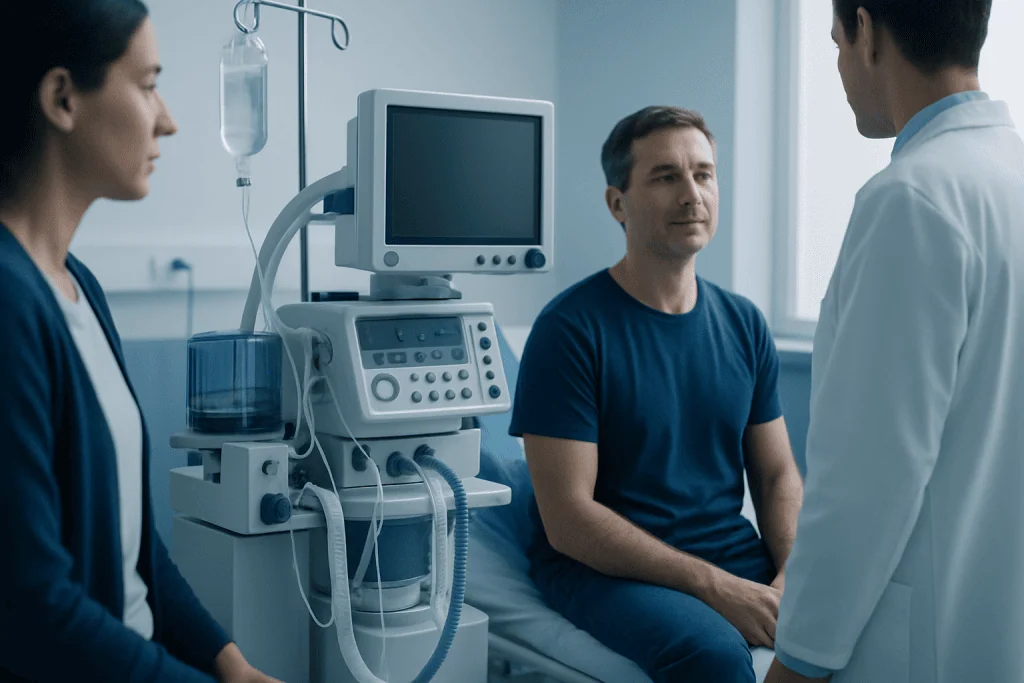
The best candidates are usually people with clear evidence of reflux and symptoms that affect quality of life. These symptoms often include frequent heartburn, sour-tasting regurgitation, chest discomfort related to reflux, chronic cough, hoarseness, or nighttime symptoms that disturb sleep. Some people also have reflux-related irritation seen on endoscopy.
Surgery may be especially helpful when medication controls symptoms but the person prefers not to rely on long-term acid suppression, or when medicines do not fully control reflux. It can also be considered when reflux is associated with a significant hiatal hernia or when repeated inflammation has led to complications such as esophagitis.
Not everyone with upper digestive symptoms benefits from fundoplication. Symptoms can overlap with swallowing disorders, functional heartburn, ulcers, gallbladder disease, or other digestive problems. That is why doctors usually confirm a diagnosis such as GERD before recommending surgery and assess whether the person’s esophagus can move food downward effectively enough for a full wrap.
How doctors evaluate patients before surgery
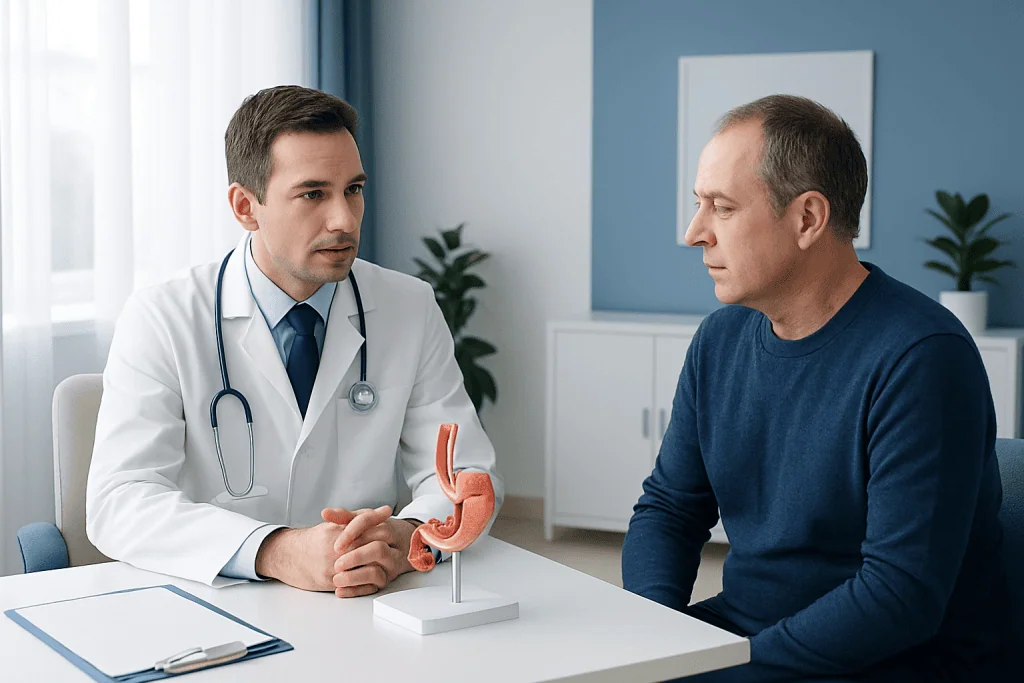
Preoperative testing is an important part of planning. Many people have an upper endoscopy to look for inflammation, narrowing, ulcers, Barrett’s esophagus, or a hiatal hernia. Endoscopy can also help rule out other causes of symptoms and provide direct information about the condition of the esophagus and stomach.
Another common test is esophageal pH monitoring, which measures how much acid refluxes into the esophagus over time. This can be especially useful when symptoms are present but endoscopy is normal. Esophageal manometry is also often performed to measure the strength and coordination of swallowing muscles. This test helps surgeons decide whether a full wrap, such as Nissen fundoplication, is appropriate or whether a different procedure may be better.
Imaging and other studies may be added when needed. If a hiatal hernia is suspected, doctors may review its size and anatomy carefully because hiatal hernia surgery is often performed at the same time as anti-reflux surgery. The goal of this workup is not to delay treatment, but to tailor the approach and reduce the chance of persistent symptoms after surgery.
What happens during nissen fundoplication
The operation is most often performed using a minimally invasive approach, usually laparoscopic surgery. Through small incisions, the surgeon uses specialized instruments and a camera to work around the upper stomach and lower esophagus. In some centers, a robotic approach may also be used depending on the patient and the surgical team’s experience.
During the procedure, the surgeon frees the upper part of the stomach enough to wrap it around the lower end of the esophagus. The wrap is designed to be secure but not too tight. If a hiatal hernia is present, the opening in the diaphragm is also repaired so the stomach and lower esophagus sit in a more natural position below the diaphragm.
The exact operative plan depends on anatomy, test results, and any previous abdominal surgery. In selected patients, doctors may discuss alternatives to a full Nissen wrap, but when a full wrap is chosen, the aim is to improve reflux control while preserving comfortable swallowing. When symptoms and testing suggest a broader upper digestive problem, consultation with specialists in gastroenterology can help guide treatment decisions.
Recovery, diet, and possible side effects
Recovery after nissen fundoplication is usually gradual rather than immediate. Many people spend a short time in the hospital and return home once they can drink, move around, and manage pain with routine medicines. Tiredness is common in the first days to weeks, and the abdomen may feel sore or bloated.
Diet progression is a key part of recovery. Patients are often advised to start with liquids or very soft foods, then slowly move toward a broader diet as swelling decreases and swallowing becomes more comfortable. Eating smaller meals, chewing thoroughly, and avoiding rushing at mealtimes can make recovery easier. The surgeon or dietitian usually gives a specific plan based on the person’s progress.
Some temporary symptoms are common after surgery. These may include trouble swallowing, a feeling of fullness, gas-bloat, increased flatulence, or difficulty belching. In many cases, these improve as swelling settles and eating patterns adjust. However, persistent swallowing difficulty, ongoing vomiting, severe chest pain, fever, or inability to keep fluids down should be discussed with a doctor promptly. For appropriate candidates, this operation is one form of GERD treatment aimed at long-term reflux control.
Benefits, limitations, and long-term expectations
The main potential benefit of nissen fundoplication is better control of reflux symptoms and less acid exposure to the esophagus. Many patients experience meaningful relief from heartburn and regurgitation and may reduce or stop reflux medicines under medical guidance. For some, surgery also improves cough, hoarseness, or sleep disruption related to reflux, though these symptoms can have more than one cause.
At the same time, surgery does not guarantee perfect results for every person. If symptoms were not truly caused by reflux, or if there are other digestive or swallowing disorders, some complaints may continue. A small number of people may develop recurrent reflux over time or need additional evaluation if symptoms return.
Long-term outcomes are usually best when patients are selected carefully and the diagnosis is well established before surgery. Follow-up matters because doctors may need to monitor persistent symptoms, nutritional intake, or complications of the original reflux disease. In some situations, evaluation may overlap with care for related upper digestive conditions such as hiatal hernia.
When to seek medical care
Medical review is important when reflux symptoms are frequent, severe, or not improving with routine treatment. People should also seek assessment if they have trouble swallowing, pain with swallowing, unexplained weight loss, vomiting, black stools, or anemia, because these features may point to complications or a different condition that needs attention.
After nissen fundoplication, urgent advice is appropriate if there is fever, increasing abdominal pain, shortness of breath, chest pain, redness or drainage from wounds, inability to swallow liquids, repeated vomiting, or signs of dehydration. These symptoms do not always mean a serious problem, but they deserve timely evaluation.
A qualified surgeon and digestive health team can explain whether surgery is suitable, what recovery may involve, and what alternatives exist. Acibadem International’s multidisciplinary specialists and JCI-accredited hospitals diagnose and treat reflux-related conditions for international patients, with treatment plans based on individual symptoms, testing, and overall health.
Frequently asked questions
Is nissen fundoplication a cure for acid reflux?
Nissen fundoplication can control reflux very effectively in many people, but it is not best described as a guaranteed cure. Some patients have long-lasting relief, while others may still need monitoring, lifestyle measures, or occasional medicine over time.
How long does it take to recover from nissen fundoplication?
Initial recovery often takes days to a few weeks, but full adjustment can take longer. Swallowing, meal size, and bloating often improve gradually as swelling decreases and the body adapts.
Will a person still need reflux medicine after surgery?
Some people can reduce or stop acid-suppressing medicine after successful surgery, but this varies. Any change in medication should be guided by the treating doctor based on symptoms and follow-up.
What are the most common side effects after fundoplication?
Temporary difficulty swallowing, bloating, feeling full quickly, and more gas are commonly reported early after surgery. These effects often improve, but persistent or worsening symptoms should be reviewed by a doctor.
Can nissen fundoplication be done with hiatal hernia repair?
Yes. In many patients, a hiatal hernia is repaired during the same operation because the hernia can contribute to reflux. Treating both problems together may improve the function of the anti-reflux barrier.
Who is not a good candidate for nissen fundoplication?
A person may not be an ideal candidate if testing does not confirm reflux as the main cause of symptoms or if esophageal muscle function is poor. Other health conditions, previous surgeries, or alternative diagnoses may also change the recommended treatment.
References
- National Institute of Diabetes and Digestive and Kidney Diseases
- American College of Gastroenterology
- Society of American Gastrointestinal and Endoscopic Surgeons
- National Health Service
- Mayo Clinic
This article is for general information only and is not a substitute for professional medical advice. Please consult a qualified doctor about your individual situation.
Persistent digestive symptoms? Get evaluated in Turkey
JCI-accredited · board-certified surgeons · reply within 24h
Add us as a Preferred Source to see more of our trusted health content across Google Search, AI Overviews and Discover.