Communicable Disease: Diagnosis, Outlook, and Modern Treatment Approaches

Communicable diseases spread through routes such as respiratory droplets, direct contact, contaminated food or water, blood, sexual contact, and insect bites. Symptoms vary widely, but fever, cough, diarrhea, rash, fatigue, and swollen glands are common warning signs of infection.
Key Takeaways
- Communicable diseases spread through routes such as respiratory droplets, direct contact, contaminated food or water, blood, sexual contact, and insect bites.
- Symptoms vary widely, but fever, cough, diarrhea, rash, fatigue, and swollen glands are common warning signs of infection.
- Diagnosis often combines a medical history, physical exam, and targeted tests such as blood work, swabs, stool tests, or imaging.
- Treatment depends on the cause and may include supportive care, antibiotics, antivirals, antiparasitic medicines, or hospital care when needed.
- Prevention relies on vaccination, hand hygiene, safer food and water practices, respiratory etiquette, and avoiding exposure when ill.
- Prompt medical care is important for severe symptoms, dehydration, breathing difficulty, confusion, or symptoms in infants, older adults, or people with weakened immunity.
A communicable disease is an infection caused by bacteria, viruses, fungi, or parasites that can spread directly or indirectly from one source to another. Outlook depends on the cause, how early it is recognized, and how quickly appropriate treatment and infection-control steps begin.
Overview: what a communicable disease means
A communicable disease is an illness caused by an infectious organism that can be passed from one person to another, or from animals, food, water, insects, or surfaces to people. The organisms involved may be viruses, bacteria, fungi, or parasites. Some infections spread easily and cause mild, short-lived symptoms, while others are more serious and need rapid treatment and careful infection control.
The outlook for a communicable disease depends on several factors: the type of germ, how it spreads, the person’s age and overall health, and how soon diagnosis and treatment begin. Many communicable diseases improve fully with rest, fluids, and appropriate medical care. Others may require close monitoring, prescription medicines, or hospital treatment to prevent complications.
Rather than being a single illness, “communicable disease” is a broad category. It includes familiar infections such as influenza, stomach infections, some skin infections, sexually transmitted infections, and vector-borne diseases spread by mosquitoes or ticks. A careful diagnosis helps determine not only what is causing the illness, but also how best to protect family members, coworkers, and the wider community.
How communicable diseases spread
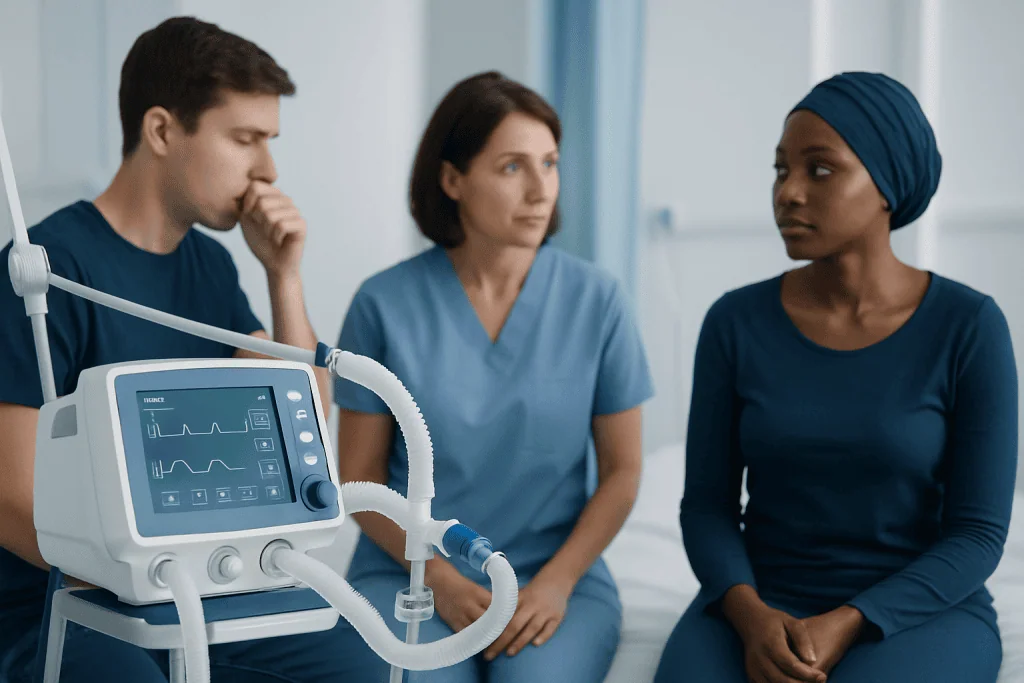
Different germs use different routes of transmission. Understanding these routes helps explain why prevention steps vary from one infection to another. Some diseases spread through the air in droplets released during coughing, sneezing, talking, or close contact. Others spread when contaminated hands touch the mouth, nose, eyes, or shared surfaces.
Foodborne and waterborne infections can occur when food is undercooked, stored unsafely, or prepared with poor hand hygiene. Bloodborne and sexually transmitted infections spread through contact with infected blood or sexual fluids. Some infections are vector-borne, meaning they are carried by mosquitoes, ticks, or other insects. Animal bites and close contact with infected animals can also pass certain diseases to humans.
Examples of spread include:
- Respiratory transmission through droplets or close indoor contact
- Direct skin-to-skin contact or contact with bodily fluids
- Contaminated food, water, or surfaces
- Insect or tick bites
- Mother-to-baby transmission during pregnancy, birth, or breastfeeding in some infections
Because spread patterns differ, doctors often ask where a person has traveled, whether they have eaten high-risk foods, had sick contacts, or been exposed to animals or insects. These details can quickly narrow the likely cause.
Symptoms and how infections can affect the body
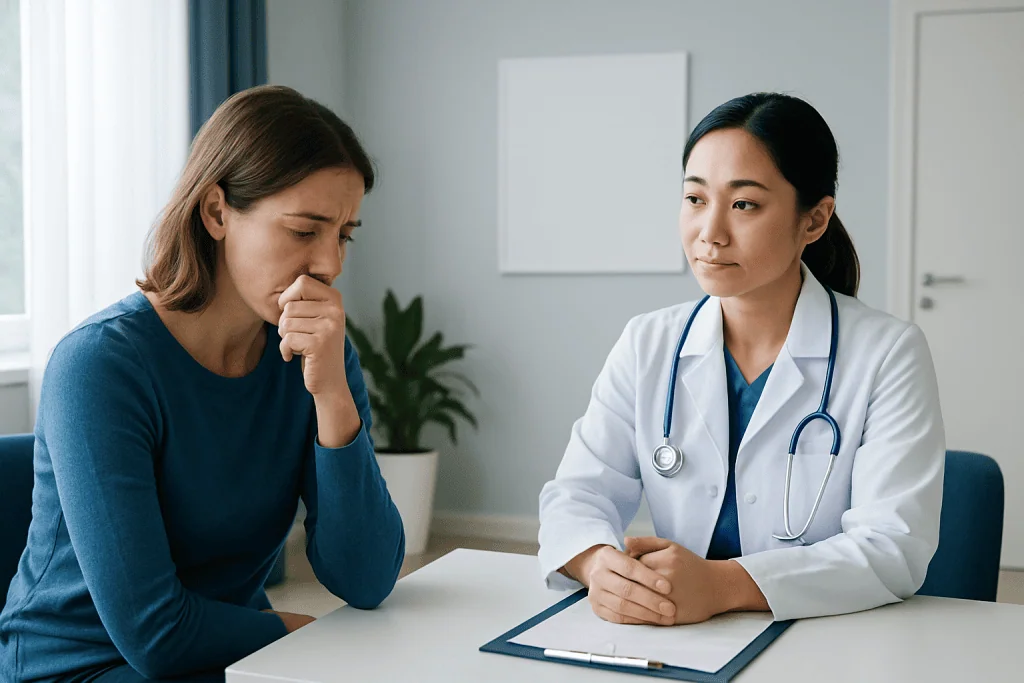
Communicable disease symptoms are often non-specific at first. Many infections begin with fever, chills, tiredness, headache, muscle aches, or a general feeling of being unwell. As the illness develops, symptoms usually reflect the part of the body most affected, such as the respiratory tract, stomach and intestines, urinary tract, skin, or nervous system.
Respiratory infections may cause cough, sore throat, congestion, or shortness of breath. Gastrointestinal infections may lead to nausea, vomiting, abdominal cramps, or diarrhea. Skin infections can cause redness, warmth, swelling, blisters, or a rash. Infections affecting the urinary tract may cause pain with urination, urgency, or lower abdominal discomfort. Some illnesses also cause swollen lymph nodes, eye irritation, or joint pain.
Severity can vary greatly. A healthy adult may have only mild symptoms from one infection, while an infant, pregnant person, older adult, or someone with a weakened immune system may become much more unwell from the same germ. Some infections can also trigger dehydration, pneumonia, bloodstream infection, or inflammation in organs such as the brain, heart, or kidneys.
For this reason, it is important not to judge seriousness only by the name of the infection. The pattern of symptoms, how quickly they are changing, and who is affected all help determine the outlook and the need for treatment.
Causes, risk factors, and who may be more vulnerable
The immediate cause of a communicable disease is exposure to an infectious organism. However, exposure alone does not always lead to illness. The chance of becoming infected can increase when a person is in crowded settings, has close contact with someone who is ill, consumes unsafe food or water, travels to an area with different infection risks, or has incomplete vaccination protection.
Personal health factors also matter. People with chronic medical conditions, weakened immune systems, cancer treatment, recent surgery, or implanted medical devices may be more vulnerable to infection or may have more severe disease once infected. Young children and older adults may have less reserve to cope with high fever, diarrhea, or breathing problems.
Environmental conditions can contribute as well. Poor sanitation, limited access to clean water, inadequate ventilation, and exposure to insects or rodents can all increase risk. In healthcare settings, certain infections can spread more easily when hand hygiene and isolation precautions are not followed closely.
Some infectious illnesses overlap with other health conditions and may require specialist input for diagnosis or management. Depending on symptoms and test results, doctors may also evaluate related concerns such as hepatitis or pneumonia when these are part of the clinical picture.
Diagnosis: how doctors identify the cause
Diagnosing a communicable disease usually starts with a detailed history and physical examination. A doctor may ask when symptoms began, whether there was travel, exposure to sick contacts, recent meals, insect bites, sexual exposure, animal contact, or use of medications that affect immunity. Timing matters because some infections appear suddenly, while others develop more gradually.
Testing is guided by symptoms and likely exposure. Common tests include blood tests, throat or nasal swabs, urine tests, stool analysis, sputum samples, or wound cultures. In some situations, rapid antigen or molecular tests such as PCR are used to identify a virus or bacterium more precisely. Imaging, including chest imaging, may be needed if there is concern for complications involving the lungs or other organs.
Not every infection requires extensive testing. Mild, self-limited viral illnesses are often diagnosed clinically. However, testing becomes more important when symptoms are severe, prolonged, unusual, or occurring in someone at higher risk of complications. The main goals are to identify the cause, guide treatment, and reduce the chance of spreading the infection to others.
When infections affect deeper tissues or organs, additional procedures may be needed to define the extent of disease and plan care. In selected cases, doctors may use bronchoscopy to assess lower airway infection or endoscopy when symptoms suggest significant gastrointestinal involvement.
Modern treatment approaches and outlook
Treatment for a communicable disease depends on the organism causing it and how sick the person is. Many viral illnesses are treated mainly with supportive care, such as rest, fluids, fever control, and monitoring for warning signs. Bacterial infections may require antibiotics, while fungal and parasitic infections need different targeted medicines. Using the right treatment matters because antibiotics do not help viral infections and unnecessary use can contribute to resistance.
Modern treatment approaches focus on both the infection and the person’s overall condition. Supportive care can include rehydration, oxygen support, symptom relief, nutritional support, and treatment of complications. Severe infections may need hospital care, especially when there is breathing difficulty, sepsis, severe dehydration, confusion, or organ involvement. Isolation precautions may be recommended to protect others while treatment is underway.
In some cases, treatment also includes draining an abscess, cleaning an infected wound, or monitoring the heart, lungs, liver, or kidneys. When respiratory symptoms are serious, doctors may coordinate care with specialists in chest diseases treatment. If there is concern for a severe gastrointestinal infection or dehydration from ongoing diarrhea, hospital-based supportive treatment may be needed.
Outlook is often good when infection is recognized early and managed appropriately. Recovery time can range from a few days to several weeks, depending on the illness. Some infections can leave temporary fatigue or cough after the main illness improves, while others need follow-up testing to confirm that the infection has resolved.
Prevention and self-care
Preventing communicable disease relies on practical, everyday measures. Handwashing with soap and water remains one of the most effective steps, especially before eating, after using the bathroom, after coughing or sneezing, and after caring for someone who is ill. Vaccination is another major tool because it can prevent infection entirely or reduce the severity of illness.
At home, self-care includes resting, drinking enough fluids, and following medical advice about returning to school, work, or travel. People who are unwell should avoid close contact with others when possible, cover coughs and sneezes, and clean frequently touched surfaces. Food should be cooked and stored safely, and drinking water should come from a reliable source, especially when traveling.
Helpful prevention measures include:
- Keeping recommended vaccines up to date
- Washing hands regularly and thoroughly
- Avoiding sharing personal items when someone is ill
- Practicing safer sex and using protection
- Using insect repellent and protective clothing in risk areas
- Seeking care early for persistent fever, worsening symptoms, or dehydration
For international patients who need evaluation or treatment, Acibadem International’s multidisciplinary specialists and JCI-accredited hospitals provide diagnosis and care for a wide range of infectious and related medical conditions.
When to seek medical care
Medical advice should be sought if symptoms are severe, worsening, or not improving as expected. Warning signs include difficulty breathing, persistent high fever, confusion, chest pain, severe weakness, dehydration, seizures, stiff neck, or a rash with significant illness. Infants, older adults, pregnant people, and anyone with a weakened immune system should be assessed sooner because infections may become serious more quickly.
It is also important to seek care if there is prolonged vomiting or diarrhea, blood in stool or sputum, painful urination with fever, or signs of a skin infection that is spreading. After travel, insect bites, animal exposure, or contact with a person known to have a contagious infection, new symptoms should be discussed with a doctor promptly. If there is an emergency, urgent medical care should be used without delay.
Early evaluation helps identify infections that need specific treatment and can reduce complications. It also gives practical guidance about protecting others, including whether testing, isolation, or preventive treatment for close contacts is needed.
Frequently asked questions
What is the difference between a communicable disease and an infectious disease?
An infectious disease is any illness caused by germs such as viruses, bacteria, fungi, or parasites. A communicable disease is an infectious disease that can spread from one source to another, including between people or through food, water, insects, or animals. In everyday use, the terms often overlap, but communicable emphasizes the ability to spread.
Are all communicable diseases serious?
No. Some are mild and improve with rest, fluids, and routine care, while others can be more severe and need prescription treatment or hospital care. The seriousness depends on the germ involved, the person’s health, and how quickly treatment begins.
How do doctors know whether an infection is viral or bacterial?
Doctors use the pattern of symptoms, the examination, and sometimes laboratory tests to guide the diagnosis. Swabs, cultures, blood tests, and molecular tests can help identify the cause more precisely. This matters because bacterial infections may need antibiotics, while viral infections usually do not.
Can communicable diseases be prevented completely?
Not all infections can be prevented completely, but many risks can be reduced. Vaccination, hand hygiene, safer food and water practices, respiratory etiquette, and avoiding close contact when ill are some of the most effective measures. Prevention also includes seeking medical advice early when symptoms are concerning.
When should someone stay home to avoid spreading infection?
A person should generally stay home when they have fever, vomiting, diarrhea, or significant respiratory symptoms, especially if the illness may be contagious. The exact timing for returning to work or school depends on the diagnosis, symptom improvement, and medical advice. Good hygiene remains important even after symptoms start to improve.
Who is at higher risk of complications from communicable disease?
Infants, older adults, pregnant people, and those with weakened immune systems are often more vulnerable. People with chronic diseases, recent surgery, or cancer treatment may also have a higher risk of severe illness. These groups should seek medical guidance promptly if infection is suspected.
References
- World Health Organization
- Centers for Disease Control and Prevention
- National Institutes of Health
- Mayo Clinic
- MedlinePlus
This article is for general information only and is not a substitute for professional medical advice. Please consult a qualified doctor about your individual situation.
Explore treatments in Turkey — costs, top hospitals & a free quote
JCI-accredited · board-certified surgeons · reply within 24h
Add us as a Preferred Source to see more of our trusted health content across Google Search, AI Overviews and Discover.

More from the Health Library



Related Specialists

Dyt. Çisem Gündüz
Nutrition & Diet
Dr. Erkan Aliosman
Emergency Service
Prof. Dr. Metin Türkmen
Orthopedic Surgery & Traumatology
Prof. Dr. Neşe Tuncer
Neurology