Insulin Pump: A Complete Medical Overview

An insulin pump gives rapid-acting insulin in small background doses and extra doses for meals or high blood sugar. Pump therapy can improve flexibility and glucose control, but it still requires regular monitoring and diabetes education.
Key Takeaways
- An insulin pump gives rapid-acting insulin in small background doses and extra doses for meals or high blood sugar.
- Pump therapy can improve flexibility and glucose control, but it still requires regular monitoring and diabetes education.
- Not every person with diabetes is a candidate; the best option depends on medical needs, lifestyle, and ability to use the device safely.
- Possible risks include infusion set problems, skin irritation, and high blood sugar if insulin delivery is interrupted.
- Regular follow-up with a diabetes care team is important for pump settings, troubleshooting, and long-term safety.
An insulin pump is a wearable device that delivers insulin continuously and can help some people manage diabetes more precisely than multiple daily injections. It is not the right choice for everyone, but with proper training and follow-up, it can support flexible routines and improved glucose management.
Overview
An insulin pump is a small computerized device that delivers insulin under the skin throughout the day and night. It is most often used by people with type 1 diabetes, but some people with type 2 diabetes may also benefit from it. The pump is designed to mimic part of the body’s normal insulin release by providing a steady background amount of insulin and extra doses at mealtimes or when blood sugar is high.
Unlike insulin pens or syringes, a pump usually uses only rapid-acting insulin. Insulin travels through a thin tube to a small cannula placed under the skin, or in some patch pump models, directly from the device itself. The pump can be programmed to match different daily needs, which may help with exercise, sleep, work schedules, and meal timing.
Modern pump therapy is often paired with continuous glucose monitoring. Some systems can communicate with a glucose sensor and automatically adjust insulin delivery within preset limits. These technologies can make diabetes care more responsive, but they still depend on user education, routine checks, and careful problem-solving.
How an Insulin Pump Works
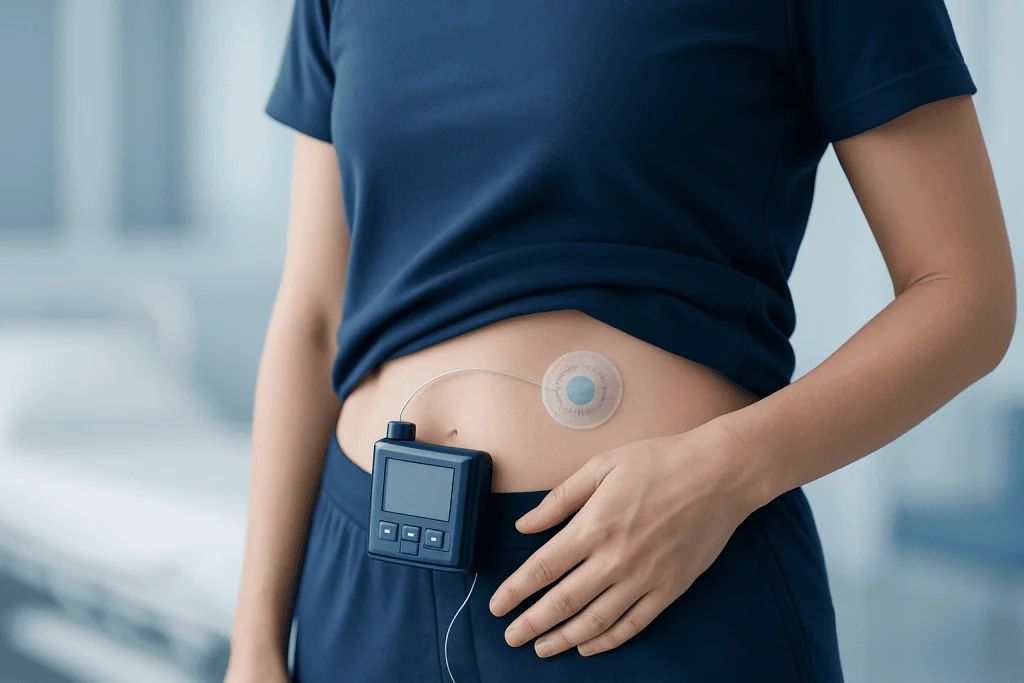
Insulin pump therapy is based on two main types of insulin delivery: basal insulin and bolus insulin. Basal insulin is the small continuous amount delivered every hour to help keep blood sugar stable between meals and overnight. Bolus insulin is given for carbohydrates eaten at meals or snacks, and as a correction when glucose levels rise above target.
The pump settings are personalized. A diabetes specialist may adjust the hourly basal rate, insulin-to-carbohydrate ratio, correction factor, and active insulin time. These settings are not fixed forever. They may need changes over time because of growth, illness, pregnancy, weight change, exercise habits, or shifts in daily routine.
Some pumps are integrated with sensor technology and have features such as low-glucose suspend or hybrid closed-loop support. These systems can reduce insulin when glucose is trending low or increase delivery in response to rising values. Even with advanced devices, users still need to count carbohydrates as advised, respond to alarms, and know what to do if the pump stops working.
For people being assessed for diabetes technologies, a specialist may also evaluate related conditions such as diabetes and broader metabolic health needs before recommending pump use.
Who May Benefit from an Insulin Pump

An insulin pump may be helpful for children, teenagers, and adults who need intensive insulin therapy. It is commonly considered for people with type 1 diabetes who want more flexible dosing, have frequent high or low glucose levels, experience dawn phenomenon, or want an alternative to multiple daily injections. Some people with type 2 diabetes who use insulin regularly may also benefit, especially if their glucose levels remain difficult to manage.
Good candidates are usually willing to learn how the device works and to check glucose regularly, whether with fingersticks, continuous glucose monitoring, or both. Pump therapy is not automatic diabetes care. Safe use requires attention to meals, activity, illness, travel, and alerts from the device. It also requires a plan for backup insulin if the pump fails or has to be removed.
There are also situations where a pump may not be the best immediate choice. A person who is not ready for regular glucose monitoring, has difficulty using the device consistently, or lacks access to follow-up training may need a different approach first. The decision should be individualized with an endocrinologist or diabetes educator.
- People with frequent hypoglycemia or glucose variability may benefit from finer dose adjustments.
- People with active lifestyles may value flexible temporary basal settings.
- Children and caregivers may find pump dosing easier for small insulin amounts.
- Some adults prefer pump therapy to reduce the number of daily injections.
Benefits, Limitations, and Possible Risks
The main benefit of an insulin pump is precision. Pumps can deliver insulin in very small increments, which may be especially useful for children and adults who are sensitive to insulin. Many users also appreciate the flexibility to adjust insulin for exercise, delayed meals, shift work, and overnight needs. For some people, this can improve quality of life and make daily diabetes management feel more adaptable.
Another advantage is the ability to review data. Many pumps store glucose, insulin, and trend information that can help the care team identify patterns and adjust treatment. When paired with sensor technology, some pump systems may reduce time spent in very high or very low glucose ranges. Depending on the individual, a doctor may discuss other options in diabetes management, including continuous glucose monitoring as part of an overall care plan.
Still, pump therapy has limitations. Wearing a device all the time may feel uncomfortable or emotionally tiring for some people. Site changes, alarms, charging, tubing management, and adhesive issues can be frustrating. Pump use does not remove the need for carbohydrate awareness, glucose monitoring, or regular appointments.
There are also medical risks if insulin delivery is interrupted. Because most pumps use only rapid-acting insulin, a blocked infusion set or dislodged cannula can lead to high blood sugar relatively quickly. In some cases, this can progress to diabetic ketoacidosis if not recognized and treated promptly. Skin irritation, infection at the insertion site, and dosing errors are other possible concerns.
Starting Pump Therapy and Ongoing Follow-Up
Starting an insulin pump usually involves planning rather than simply putting on a device. Before initiation, the diabetes team reviews glucose patterns, current insulin use, meal habits, and comfort with technology. Education often includes how to fill the reservoir, insert the infusion set, rotate sites, count carbohydrates, respond to alarms, and use backup injections if needed.
During the first days or weeks, the pump settings are often adjusted several times. This is normal. Basal rates may differ by time of day, and meal-related doses may need refinement as the person learns how the pump responds to real-life meals and activities. Close contact with the care team during this phase can improve safety and confidence.
Infusion sites are commonly placed on the abdomen, upper buttocks, thigh, or arm, depending on the device and the person’s body type. Sites should be rotated regularly to reduce irritation and prevent lipohypertrophy, a thickening of fatty tissue that can interfere with insulin absorption. The person should also keep spare supplies and know how to switch to injections if the pump cannot be used.
Specialist care matters because pump therapy is only one part of diabetes management. In some cases, formal assessment and endocrinology and metabolic disease care can help determine whether pump treatment fits the person’s broader health needs.
Daily Self-Care, Travel, and Safety Tips
Successful pump use depends on consistent self-care. Users are typically advised to monitor glucose regularly, check the infusion site for redness or leaks, and act on unexplained high readings quickly. If glucose remains elevated, a ketone check may be recommended depending on the person’s diabetes type, symptoms, and care plan. Responding early can help prevent more serious complications.
Meals and exercise both affect insulin needs. A pump may allow temporary basal adjustments for physical activity or illness, but these settings should be learned with guidance from the care team. Alcohol, dehydration, infection, and disrupted sleep can also change insulin requirements. Keeping a written or digital backup plan is helpful if the device malfunctions.
Travel with an insulin pump requires preparation. Extra infusion sets, insulin, batteries or charging accessories, glucose testing supplies, and a prescription summary can be useful. Time zone changes may require updates to pump clocks and dose timing. Security screening instructions vary by manufacturer, so users should follow device-specific guidance and ask their clinical team before travel.
People with diabetes often benefit from coordinated support across diagnosis, education, and long-term follow-up. Where appropriate, this may include evaluation and treatment planning through diabetes treatment services.
When to Seek Medical Care
Medical advice should be sought if pump users have repeated high blood sugar readings that do not improve with correction insulin, especially if they also have nausea, vomiting, abdominal pain, deep breathing, or signs of dehydration. These symptoms can suggest a serious insulin-delivery problem or diabetic ketoacidosis, which needs urgent assessment. A doctor should also be contacted for frequent unexplained low blood sugar or repeated pump alarms that cannot be resolved safely at home.
Skin problems deserve attention as well. Redness, swelling, warmth, pus, or increasing pain at the infusion site may indicate infection or significant irritation. A healthcare professional can advise whether the site should be changed, treated, or examined in person.
Routine care is also important, even when there is no emergency. Users should ask for review if glucose patterns change, if they are planning pregnancy, if they are having trouble with carbohydrate counting, or if the pump no longer fits daily life. Near the end of the care pathway, it may be reassuring to know that Acibadem International’s multidisciplinary specialists and JCI-accredited hospitals diagnose and manage diabetes-related needs for international patients.
Frequently asked questions
What does an insulin pump do?
An insulin pump delivers rapid-acting insulin in small continuous amounts and additional doses for meals or high blood sugar. It is designed to replace the need for long-acting insulin and reduce the number of daily injections.
Is an insulin pump better than insulin injections?
An insulin pump is not automatically better for everyone. For some people, it offers more precise dosing and flexibility, while others do very well with injections. The best option depends on the person’s diabetes type, lifestyle, glucose patterns, and ability to use the device safely.
Can people with type 2 diabetes use an insulin pump?
Yes, some people with type 2 diabetes may use an insulin pump, especially if they need intensive insulin therapy or have difficulty reaching glucose targets with injections. A specialist can decide whether pump therapy is appropriate based on medical history and treatment goals.
Do insulin pumps check blood sugar?
An insulin pump itself does not usually measure blood sugar unless it is connected to a compatible continuous glucose monitor. Many people use a pump together with a sensor, but they may still need fingerstick checks in certain situations.
What happens if an insulin pump stops working?
If a pump stops working, insulin delivery may be interrupted, which can cause blood sugar to rise quickly. Users should follow their backup plan, check glucose, and use injected insulin if advised by their care team. Persistent high readings or symptoms of illness need prompt medical attention.
Is wearing an insulin pump painful?
Most people feel only brief discomfort when inserting a new infusion set, and many say the pump is comfortable once in place. Some users do experience skin irritation, adhesive sensitivity, or inconvenience from wearing a device continuously.
References
- American Diabetes Association
- National Institute of Diabetes and Digestive and Kidney Diseases
- Centers for Disease Control and Prevention
- International Society for Pediatric and Adolescent Diabetes
- National Health Service
This article is for general information only and is not a substitute for professional medical advice. Please consult a qualified doctor about your individual situation.
Explore treatments in Turkey — costs, top hospitals & a free quote
JCI-accredited · board-certified surgeons · reply within 24h
Add us as a Preferred Source to see more of our trusted health content across Google Search, AI Overviews and Discover.