Transverse Abdominis: An Evidence-Based Guide for Patients

The transverse abdominis is a deep core muscle that supports the spine, pelvis, and abdominal organs. Its main role is stability and pressure control rather than visible movement.
Key Takeaways
- The transverse abdominis is a deep core muscle that supports the spine, pelvis, and abdominal organs.
- Its main role is stability and pressure control rather than visible movement.
- Weakness or poor coordination may contribute to back pain, reduced balance, and difficulty with lifting or exercise.
- A strain can cause localized pain that worsens with coughing, twisting, or abdominal effort.
- Assessment often focuses on symptoms, posture, movement, and muscle activation patterns.
- Treatment usually involves guided exercise, activity modification, and care for any related spine or abdominal condition.
The transverse abdominis is the deepest layer of the abdominal wall and acts like a natural support belt for the trunk. It helps stabilize the spine and pelvis, assists breathing and pressure control, and can become weak, poorly coordinated, or strained with injury, surgery, pregnancy, or prolonged inactivity.
What the transverse abdominis is and why it matters
The transverse abdominis is the deepest of the abdominal muscles. Its fibers wrap around the trunk horizontally, creating a gentle corset-like support around the abdomen. Rather than producing large visible movements, this muscle mainly helps steady the spine and pelvis during daily activities such as standing, walking, lifting, turning, coughing, and breathing.
For many patients, the simplest way to understand the transverse abdominis is to think of it as part of the body’s internal support system. It works with the diaphragm, pelvic floor, and back muscles to manage pressure inside the abdomen and help the trunk stay stable. This coordinated system is important for posture, balance, and efficient movement.
The transverse abdominis can become especially relevant after pregnancy, abdominal surgery, periods of inactivity, sports injury, or episodes of low back pain. In these situations, the muscle may not be weak in a simple sense, but it may activate later than expected or work less effectively. That is why treatment often focuses on movement quality and coordination rather than strength alone.
How the transverse abdominis works in everyday movement
The transverse abdominis helps prepare the body for movement before the arms or legs move. This anticipatory support is part of normal motor control. When the muscle is working well, it contributes to a stable base for bending, reaching, changing direction, and carrying weight.
It also plays a role in breathing and pressure regulation. During exhalation, coughing, laughing, sneezing, and straining, the transverse abdominis works with the diaphragm and pelvic floor to control forces across the trunk. This is one reason why deep core function is often discussed in relation to pelvic health, exercise recovery, and postoperative rehabilitation.
Good function does not mean constant tightening. In healthy movement, the trunk muscles respond flexibly to the task. Over-bracing can make movement feel stiff and may increase fatigue. A balanced rehabilitation plan usually aims for efficient, well-timed activation rather than forceful gripping of the abdomen throughout the day.
Common symptoms and problems linked to the transverse abdominis

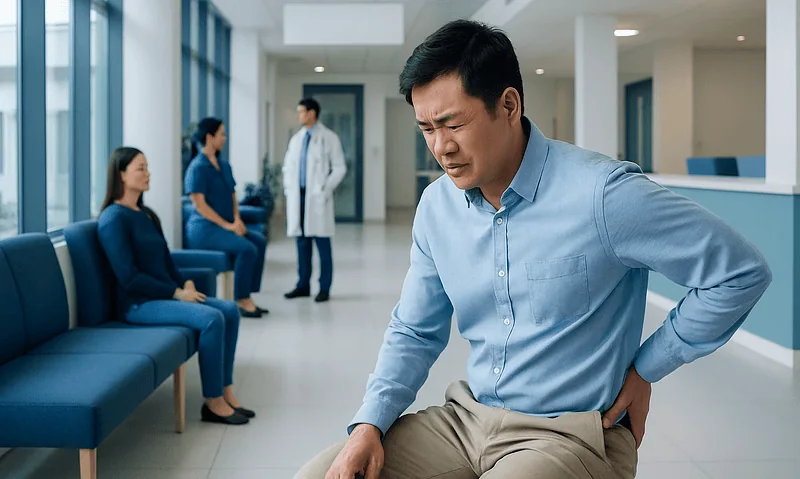
Problems involving the transverse abdominis are not always obvious because this is a deep muscle. Some people notice a sense of poor core control, reduced stability, or discomfort during lifting, rolling in bed, getting up from a chair, or returning to exercise. Others may have aching around the lower abdomen, flank, pelvis, or lower back.
A transverse abdominis strain can happen after sudden twisting, forceful exercise, direct overload, or repeated stress. This may cause localized pain, tenderness, or pain that increases with coughing, sneezing, laughing, or tensing the abdomen. In athletes or active adults, symptoms may be mistaken for a general abdominal strain or a hip-related issue.
In some patients, reduced deep core function may coexist with other conditions rather than being the sole cause of symptoms. These can include lower back pain, postpartum abdominal wall changes, post-surgical deconditioning, or abdominal wall weakness. Because symptoms overlap, a medical assessment can help identify whether the transverse abdominis is the main issue or one part of a broader problem.
- Feeling unstable during movement or exercise
- Lower back discomfort with prolonged standing or lifting
- Pain when coughing, twisting, or sitting up
- Difficulty returning to sport after abdominal or trunk injury
- A sense of abdominal weakness after surgery or pregnancy
Causes and risk factors
Several factors can affect the transverse abdominis. A sudden overload, such as aggressive exercise, heavy lifting, or abrupt twisting, may lead to a strain. More gradual problems can develop with repetitive movements, poor load management, long periods of sitting, or reduced physical conditioning.
Pregnancy and postpartum recovery can change how the abdominal wall functions. Stretching of the abdominal tissues, changes in pressure control, and altered movement patterns can all influence deep core coordination. In some people, this may occur alongside diastasis recti, where the connective tissue between the rectus muscles widens.
Abdominal or pelvic surgery can also affect this muscle. Temporary pain, swelling, scar sensitivity, and protective movement patterns may reduce normal activation. Patients recovering from operations sometimes benefit from tailored rehabilitation, especially when returning to work, caregiving, or sport. In selected cases related to surgical recovery or structural abdominal wall issues, evaluation by teams experienced in general surgery may be useful.
Low back pain is another common context. Research suggests that deep trunk muscle timing may change in some people with recurring back symptoms, although this does not mean the muscle is always the sole cause. A careful, whole-person assessment is usually more helpful than focusing on one muscle in isolation.
How doctors and therapists assess it
Assessment usually begins with a medical history and physical examination. The clinician may ask when symptoms started, what movements provoke them, whether there has been recent exercise overload, pregnancy, surgery, or back pain, and whether symptoms include swelling, bulging, numbness, fever, or digestive complaints. These details help separate a muscle problem from hernia, spine disorders, or other abdominal causes.
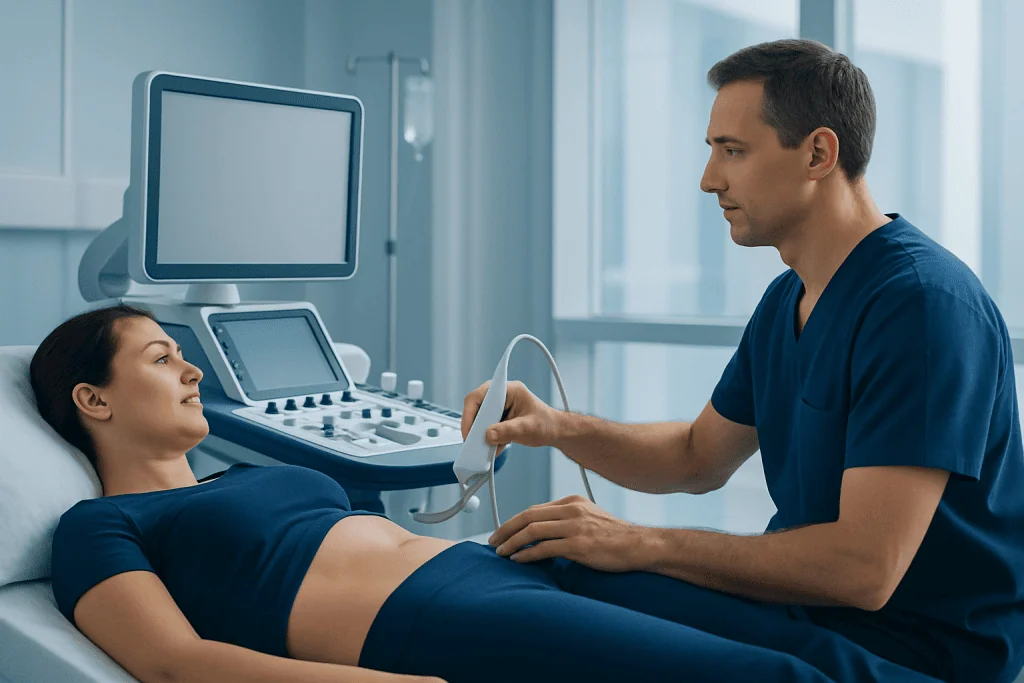
During the exam, posture, breathing pattern, abdominal tenderness, movement quality, and trunk control may be assessed. A therapist may observe how the abdomen and pelvis respond during tasks such as lifting a leg, rolling, standing up, or exhaling. In some settings, ultrasound imaging is used to visualize deep abdominal muscle activation, but it is not necessary for every patient.
Imaging is usually reserved for cases where diagnosis is uncertain or another condition is suspected. If there is concern about a tear, hernia, or another abdominal wall problem, the doctor may request ultrasound or other imaging through diagnostic imaging. When symptoms suggest a spine-related cause, further evaluation may be recommended to guide treatment safely.
Treatment and rehabilitation options
Treatment depends on the cause. For a mild strain, initial care often includes relative rest, avoiding movements that sharply increase pain, and a gradual return to activity. Most patients do not need complete inactivity. Gentle walking and comfortable movement are usually encouraged while symptoms settle.
For weakness, poor coordination, or recovery after pregnancy or surgery, rehabilitation typically focuses on breathing control, posture, graded loading, and retraining the deep core in functional movements. This might start with simple exercises that coordinate exhalation with gentle abdominal engagement and then progress to sitting, standing, lifting, and sport-specific tasks. The goal is practical stability, not just isolated muscle tightening.
If back pain, pelvic floor symptoms, or an abdominal wall condition is also present, treatment may need to address these issues together. Some patients benefit from structured physical therapy and rehabilitation to improve movement patterns, reduce pain, and rebuild confidence. In selected cases, especially where there is persistent bulging or concern for structural weakness such as hernia, a surgical opinion may be appropriate.
Recovery time varies. A simple strain may improve over days to weeks, while coordination changes after pregnancy, surgery, or long-standing back pain may take longer and improve best with consistent, progressive practice. If symptoms are persistent, worsening, or limiting normal function, reassessment is important.
Self-care, exercise principles, and prevention
Prevention and self-care center on gradual loading and good movement habits. Sudden increases in exercise intensity, especially twisting movements or heavy abdominal work, can increase the risk of strain. Building overall trunk endurance with a step-by-step plan is usually more effective than doing high-intensity core exercises too soon.
Breathing matters. Many people benefit from learning to exhale during effort rather than holding the breath excessively. This can help the deep core system share pressure more efficiently. Gentle exercises may include diaphragmatic breathing, supported pelvic control, and gradual return to walking, carrying, squatting, and rotating tasks under guidance when needed.
Helpful prevention strategies may include:
- Increasing exercise intensity gradually
- Using good lifting technique and avoiding sudden twisting under load
- Maintaining regular physical activity to support trunk endurance
- Addressing back pain early rather than pushing through worsening symptoms
- Following a guided rehabilitation plan after surgery or childbirth
Patients should remember that a stronger core is not only about visible abdominal muscles. Effective support comes from coordination between the deep abdominals, back muscles, diaphragm, and pelvic floor. If symptoms are ongoing, individualized advice is safer than copying exercise routines from social media or general fitness videos.
When to seek medical care
Medical care is recommended if abdominal or trunk pain is severe, does not improve, or keeps returning. A clinician should also review symptoms that follow surgery, pregnancy, or a sports injury, especially when there is a visible bulge, marked tenderness, or difficulty returning to normal movement.
Prompt assessment is especially important if pain is associated with fever, vomiting, significant swelling, unexplained weight loss, bowel changes, chest symptoms, weakness, numbness, or pain after trauma. These features may suggest a problem other than a simple muscle issue.
Patients who need expert assessment may benefit from a multidisciplinary approach. Acibadem International’s specialists in rehabilitation, imaging, and surgical care at JCI-accredited hospitals evaluate and treat abdominal wall, spine, and movement-related conditions for international patients when appropriate.
Frequently asked questions
What does the transverse abdominis do?
The transverse abdominis is the deepest abdominal muscle and helps stabilize the trunk. It supports the spine and pelvis, assists with pressure control inside the abdomen, and works with breathing and movement.
Can the transverse abdominis cause back pain?
Changes in how the transverse abdominis works may be associated with lower back pain in some people. However, back pain usually has multiple contributors, so this muscle is often one part of a larger picture rather than the only cause.
How do I know if I strained my transverse abdominis?
A strain may cause localized abdominal or side pain that worsens with twisting, coughing, laughing, or tightening the abdomen. Because hernia and other abdominal problems can feel similar, persistent or severe pain should be checked by a clinician.
Is the transverse abdominis the same as the 'core'?
Not exactly. The transverse abdominis is one important deep core muscle, but the core also includes the diaphragm, pelvic floor, spinal muscles, and other abdominal muscles that work together.
Can the transverse abdominis be affected after pregnancy?
Yes. Pregnancy can stretch the abdominal wall and change pressure control and muscle coordination. Many people improve with gradual rehabilitation focused on breathing, trunk control, and functional movement.
Do sit-ups strengthen the transverse abdominis?
Sit-ups mainly emphasize more superficial abdominal muscles. The transverse abdominis is often trained more effectively through breathing-based core exercises, controlled movement, and progressive functional strengthening.
References
- National Institutes of Health
- Cleveland Clinic
- American Academy of Orthopaedic Surgeons
- National Health Service
- World Health Organization
This article is for general information only and is not a substitute for professional medical advice. Please consult a qualified doctor about your individual situation.
Joint and spine care in Turkey — expert assessment & treatment
JCI-accredited · board-certified surgeons · reply within 24h
Add us as a Preferred Source to see more of our trusted health content across Google Search, AI Overviews and Discover.