Do You Get Fat on Your Period? Here Is What the Evidence Says

Periods do not directly cause body fat gain in most cases. A temporary increase on the scale is often linked to fluid retention and bloating.
Key Takeaways
- Periods do not directly cause body fat gain in most cases.
- A temporary increase on the scale is often linked to fluid retention and bloating.
- Hormone-related appetite changes can affect eating habits, but brief fluctuations are common and often settle after bleeding starts.
- Persistent, rapid, or unexplained weight gain deserves medical review.
- Tracking symptoms across several cycles can help show whether changes are temporary or part of another health issue.
Most people do not gain body fat because of their period. Short-term weight changes around menstruation are usually due to water retention, bloating, bowel changes, and appetite shifts rather than true fat gain.
Overview: Is period weight gain really fat gain?
For most people, the answer to “do you get fat on your period” is no. A small increase in body weight around menstruation is usually temporary and more often reflects water retention, bloating, and normal digestive changes than an increase in body fat.
This distinction matters because fat gain develops when the body stores extra energy over time. Menstrual symptoms, by contrast, often change over a few days. Estrogen and progesterone shift across the cycle, and these changes can affect fluid balance, appetite, bowel habits, and how the abdomen feels. As a result, clothes may feel tighter and the scale may rise briefly, even when body fat has not meaningfully changed.
In many cases, these changes improve once the period begins or shortly after it ends. However, if weight gain continues throughout the month, becomes more noticeable over several cycles, or comes with other symptoms such as heavy bleeding, severe pain, swelling, or irregular periods, a medical assessment may be helpful to look for another cause.
What changes people notice around their period
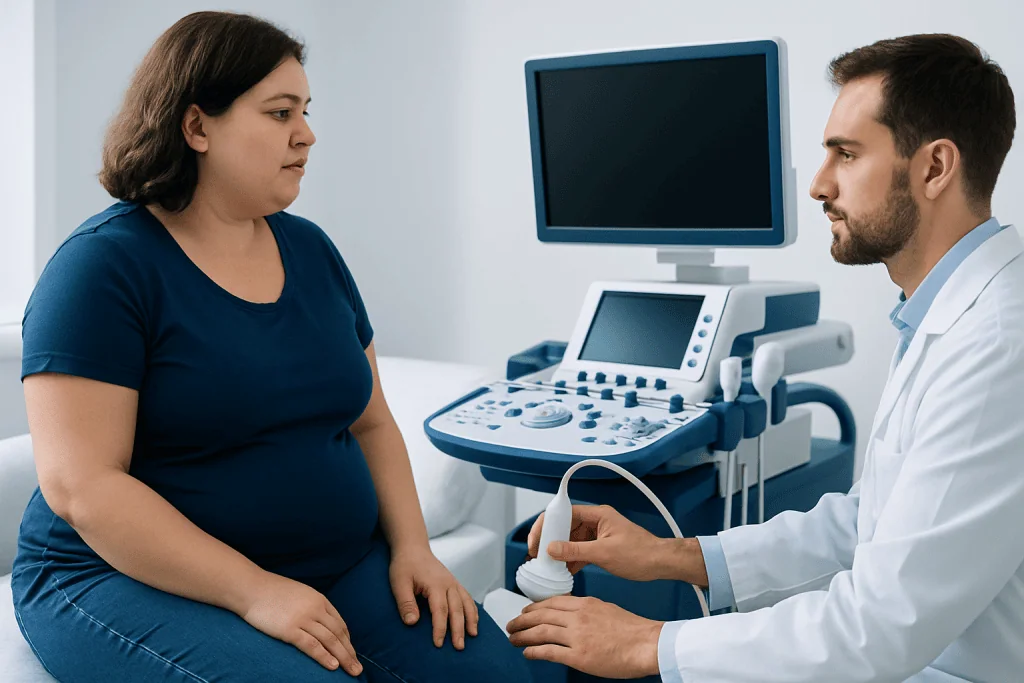
People often describe a feeling of being “heavier” or “puffier” before or during menstruation. This can happen even when actual body fat has not changed. Common reasons include water being held in the tissues, abdominal bloating, constipation, and temporary changes in eating patterns. Some also notice breast tenderness, pelvic fullness, or swelling in the hands and feet.
The scale can also be misleading during this time. Body weight naturally varies from day to day based on hydration, salt intake, bowel movements, exercise, and the stage of the menstrual cycle. A short-term increase of a few pounds does not automatically mean fat gain. Tracking weight at the same time of day over several weeks, rather than focusing on a single reading, gives a clearer picture.
Symptoms can overlap with menstrual irregularity or premenstrual complaints, especially if cycles are unpredictable or symptoms are more intense than usual. Keeping a simple symptom diary can help a doctor tell the difference between normal cycle-related fluctuation and a separate medical issue.
Why the scale may go up: hormones, fluids, and appetite

Before a period, estrogen and progesterone levels change significantly. These hormone shifts can influence how the body handles sodium and water, leading to temporary fluid retention. This is one of the main reasons a person may feel bloated or notice a small rise in weight just before menstruation.
Hormones can also affect the digestive system. Some people become constipated before their period, while others have looser stools once bleeding starts. Either change can alter how the abdomen feels and can briefly affect body weight. Gas and bloating may add to the sensation of “fatness,” even though the issue is usually temporary distension rather than added body fat.
Appetite and cravings may change too. Some people feel hungrier in the days before their period and may crave salty or sugary foods. If this leads to more calorie intake over time, it can contribute to true weight gain, but that is an indirect effect of eating patterns rather than the period itself causing fat gain. When symptoms are persistent or severe, a doctor may also consider conditions such as polycystic ovary syndrome (PCOS), which can affect periods, hormones, and weight.
When period-related weight changes may signal another problem
Cycle-related bloating is usually harmless, but not every weight change around a period is simply “normal hormones.” It is worth paying attention if the increase is ongoing, if swelling is significant, or if symptoms are changing over time. Persistent weight gain that does not settle after the period may point to another cause, including thyroid disease, PCOS, side effects of medication, stress-related changes, or lifestyle factors unrelated to menstruation.
Heavy periods, severe cramps, pain during sex, very irregular cycles, or abdominal swelling that seems to worsen over months can also suggest a gynecologic condition. For example, fibroids or endometriosis may cause pelvic pressure, bloating, and painful periods. These do not directly mean fat gain, but they can make the abdomen feel larger or more uncomfortable. In some situations, doctors may investigate concerns related to endometriosis or other pelvic conditions.
General swelling in the legs, shortness of breath, marked fatigue, or a rapidly changing weight should not be assumed to be menstrual. These symptoms deserve medical assessment because they may relate to fluid balance, heart, kidney, endocrine, or other health issues.
How doctors evaluate unexplained weight gain around periods
If someone seeks medical advice, the first step is usually a careful history. A doctor may ask when the weight change happens, whether it improves after the period, how regular the cycles are, and whether there are other symptoms such as pain, acne, excess hair growth, constipation, heavy bleeding, or swelling elsewhere in the body. Menstrual tracking, recent medications, stress, sleep, and diet can all provide useful clues.
The physical exam may include weight trends, blood pressure, signs of fluid retention, thyroid assessment, and an abdominal or pelvic examination when appropriate. Depending on the symptoms, blood tests may be used to check thyroid function, anemia, blood sugar, or hormone-related concerns. If pelvic symptoms are present, imaging such as ultrasound may be recommended. In some cases, broader evaluation through check-up and screening helps identify whether the issue is cycle-related or part of a larger health pattern.
When pain, heavy bleeding, or structural concerns are suspected, a gynecologic review may be important. This can include gynecology care and pelvic ultrasound to assess the uterus and ovaries. The goal is not only to explain the symptom but also to rule out conditions that may need treatment.
What can help: practical self-care for temporary period bloating
For mild, predictable symptoms, self-care is often enough. Regular movement can help reduce bloating and improve well-being. Gentle walking, stretching, and usual exercise may support circulation and digestion. Some people also find that paying attention to salt intake in the days before a period helps limit fluid retention.
Steady eating habits can be useful as well. Instead of responding to cravings with very salty or highly processed foods, it may help to focus on balanced meals with fiber, protein, and adequate fluids. Good hydration does not usually worsen water retention; in fact, it may help the body regulate fluid balance better. If constipation contributes to abdominal heaviness, fiber-rich foods and fluids may reduce discomfort.
Symptom tracking can be one of the most practical tools. Recording weight, bloating, cravings, bowel changes, and period timing over two to three cycles can show whether the pattern is brief and cyclical or persistent. If lifestyle measures do not help or the pattern becomes troublesome, a healthcare professional may discuss treatment options based on the underlying cause. For international patients who need assessment, Acibadem International’s multidisciplinary specialists in JCI-accredited hospitals diagnose and treat menstrual and hormone-related concerns.
When to seek medical care
Medical review is a good idea if weight gain continues after the period ends, increases over several months, or comes with irregular or missed periods. It is also sensible to seek advice if bloating is severe, new, or associated with pelvic pain, very heavy bleeding, or pain during sex. These features may suggest that something more than routine premenstrual fluid retention is happening.
Prompt medical attention is especially important if there is swelling in the legs, shortness of breath, fainting, severe weakness, rapidly increasing abdominal size, or sudden unexplained weight change. These symptoms are not typical signs of ordinary period-related bloating and should not be ignored.
A doctor can help determine whether the main issue is harmless cycle-related fluctuation, a gynecologic problem, a hormone disorder, or another medical condition. If symptoms are significantly affecting daily life, personalized advice from a qualified clinician is the safest next step.
Frequently asked questions
Do you actually gain fat on your period?
Usually, no. Most short-term weight changes during a period are related to water retention, bloating, and digestive changes rather than true fat gain. If weight remains up over time, another factor may be involved.
How much weight can fluctuate during a menstrual cycle?
Body weight can vary naturally from day to day, and some people notice a temporary increase around their period. The exact amount differs from person to person and depends on hydration, salt intake, bowel habits, and hormone changes. Looking at trends over weeks is more useful than focusing on a single day.
Why do clothes feel tighter before a period?
This often happens because of bloating and temporary fluid retention, especially in the abdomen and breasts. Gas, constipation, and pelvic fullness can add to this sensation. It does not necessarily mean body fat has increased.
Can period cravings lead to real weight gain?
They can if increased calorie intake happens regularly over time, but the period itself does not directly create body fat. A few days of stronger appetite may not lead to lasting weight gain, especially if overall habits remain balanced. Persistent changes in appetite or weight are worth discussing with a doctor.
When should someone worry about weight gain around their period?
It is wise to seek medical advice if the weight gain does not go away after the period, worsens month by month, or comes with irregular cycles, severe pain, heavy bleeding, or unusual swelling. Sudden or rapid changes should also be assessed. These signs can point to a hormonal, gynecologic, or general medical issue.
How can someone tell if it is bloating or real weight gain?
Bloating usually comes and goes with the menstrual cycle and may be accompanied by abdominal fullness, gas, or constipation. True weight gain tends to persist beyond the period and continue over time. Tracking symptoms, cycle timing, and weight trends can help show the difference.
References
- American College of Obstetricians and Gynecologists
- Office on Women's Health
- National Institute of Child Health and Human Development
- Mayo Clinic
- National Health Service
This article is for general information only and is not a substitute for professional medical advice. Please consult a qualified doctor about your individual situation.
Medical weight-loss options in Turkey — costs & eligibility
JCI-accredited · board-certified surgeons · reply within 24h
Add us as a Preferred Source to see more of our trusted health content across Google Search, AI Overviews and Discover.
Check your numbers in seconds
BMI, calories, due date, blood pressure and 30+ more clinical calculators — free, instant, doctor-reviewed ranges.