Von Hippel Lindau Disease: Early Signs, Risk Factors, and How It Is Treated

Von Hippel Lindau disease is a genetic condition caused by a change in the VHL gene. It can lead to tumors or cysts in multiple organs, including the eyes, brain, spine, kidneys, pancreas, and adrenal glands.
Key Takeaways
- Von Hippel Lindau disease is a genetic condition caused by a change in the VHL gene.
- It can lead to tumors or cysts in multiple organs, including the eyes, brain, spine, kidneys, pancreas, and adrenal glands.
- Symptoms vary widely and some people have no symptoms until a screening test finds a growth.
- Ongoing surveillance is a central part of care because early treatment can reduce complications.
- Management often involves a multidisciplinary team, including genetics, neurology, ophthalmology, urology, endocrinology, and oncology specialists.
Von Hippel Lindau disease is a rare inherited condition that increases the chance of developing tumors and cysts in organs such as the brain, eyes, kidneys, pancreas, and adrenal glands. Early recognition, genetic testing, and regular screening help doctors find problems sooner and guide treatment before complications develop.
Overview
Von Hippel Lindau disease is a hereditary condition that makes certain tumors and fluid-filled cysts more likely to develop over a person’s lifetime. These growths can occur in different parts of the body, especially the retina of the eye, the brain and spinal cord, the kidneys, the pancreas, the inner ear, and the adrenal glands. Some tumors linked to this condition are benign, while others can be cancerous or become serious because of where they grow.
The condition is caused by a change in the VHL gene, which normally helps control cell growth. When this gene does not work properly, cells may grow in an unregulated way. This does not mean every growth will behave the same way, but it does explain why people with the condition need regular follow-up over time.
Von hippel lindau disease can affect children, teens, or adults, although many people are diagnosed in early adulthood or after a family member is found to have the condition. In some families, the pattern is already known. In others, the diagnosis begins when a person develops a related tumor or unusual symptom and doctors investigate further.
Because the condition can involve several organs, care is usually organized around surveillance and timely treatment rather than a single one-time therapy. A clear plan for screening, imaging, eye checks, and lab testing is often the most important step in protecting long-term health.
Early signs and symptoms
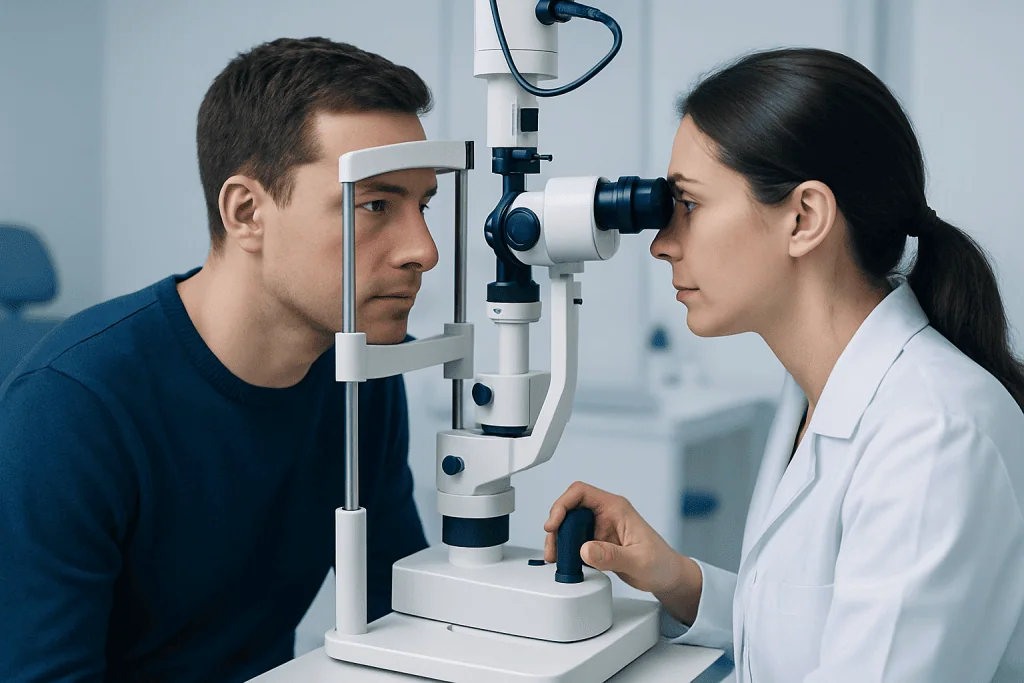
Early signs of von hippel lindau disease depend on which organ is affected. Some people have no symptoms at first, and a tumor or cyst is only discovered during screening. Others notice symptoms related to pressure, bleeding, hormone release, or changes in organ function.
Eye involvement may cause blurred vision, floaters, flashes, or vision loss if retinal hemangioblastomas affect the retina. Tumors in the brain or spinal cord may cause headaches, balance problems, dizziness, weakness, numbness, or difficulty walking. Inner ear involvement can lead to hearing loss, ringing in the ears, or problems with balance.
Kidney tumors may not cause symptoms early on, but larger masses can lead to blood in the urine, flank pain, or a detectable mass. Adrenal gland tumors called pheochromocytomas can produce hormones that raise blood pressure and trigger headaches, sweating, palpitations, anxiety, or tremor. Pancreatic cysts often cause no symptoms, but some pancreatic tumors may need closer evaluation.
- Blurred vision or floaters
- Headaches or balance changes
- Hearing problems or tinnitus
- High blood pressure episodes
- Blood in the urine
- Symptoms discovered during family screening
These symptoms can have many possible causes, so they do not automatically mean a person has VHL. Still, when symptoms occur alongside a strong family history or multiple related tumors, doctors may recommend evaluation for genetic diseases such as von Hippel-Lindau syndrome.
Causes and risk factors

The main cause of von hippel lindau disease is an inherited change in the VHL gene. This condition follows an autosomal dominant inheritance pattern, which means a child can inherit the altered gene from one affected parent. Each child of an affected parent has a significant chance of inheriting the condition.
Not every person diagnosed with VHL has a known family history. In some cases, the genetic change happens for the first time in that person. Once present, however, it can be passed to future generations. Genetic counseling is often helpful for understanding this risk and planning family testing.
Risk is not based on lifestyle, diet, or environmental exposure in the same way as many common conditions. The most important risk factors are having a parent with VHL, having a known VHL gene variant, or having tumors that are strongly associated with the condition, such as retinal or central nervous system hemangioblastomas, pheochromocytoma, or certain kidney tumors.
Even within the same family, the condition can look different from one person to another. One relative may have eye findings at a young age, while another may first develop kidney or adrenal problems later. This variation is one reason why structured surveillance is recommended even when a person feels well.
How doctors diagnose von Hippel Lindau disease
Diagnosis usually combines family history, clinical findings, imaging, and genetic testing. If a person has a close relative with VHL and develops a typical tumor, the diagnosis may be strongly suspected. In people without a known family history, the diagnosis may begin after doctors identify one or more characteristic growths and then confirm the cause with genetic testing.
Testing often includes a detailed eye examination, brain and spinal imaging, abdominal imaging to assess the kidneys, pancreas, and adrenal glands, and blood or urine tests when pheochromocytoma is suspected. The exact schedule depends on age, symptoms, family history, and prior findings. MRI is commonly used because it provides detailed images without radiation exposure.
Genetic testing can confirm a VHL gene change and help guide screening for the patient and at-risk family members. A genetics specialist can explain what the results mean, including whether other relatives should be offered testing. This step can be especially important when a person appears to have VHL but there is no obvious family history.
Because VHL can affect several systems, people may be assessed by different specialists over time. Imaging such as MRI may be part of regular surveillance, and if a kidney mass raises concern, doctors may evaluate it in the context of kidney cancer risk linked to the syndrome.
Treatment options and long-term management
There is no single treatment that removes the inherited condition itself, so care focuses on monitoring and treating each problem at the right time. Some tumors can be safely watched for a period, especially if they are small and not causing symptoms. Others need treatment sooner because they are growing, producing hormones, threatening vision, or pressing on nearby structures.
Treatment depends on the organ involved. Retinal lesions may be treated with laser therapy or other eye procedures. Brain or spinal hemangioblastomas that are symptomatic or growing may require neurosurgery. Kidney tumors are often managed carefully to preserve kidney function while treating lesions that are large enough or suspicious enough to need intervention; options can include surgery or other targeted approaches, sometimes within the broader care pathway used for kidney cancer treatment.
Pheochromocytomas usually need evaluation by endocrinology and surgery teams, with careful blood pressure control before an operation. Pancreatic or inner ear lesions are managed according to their size, symptoms, and behavior. In selected situations, systemic therapies may be considered, particularly when surgery is not the best option or when multiple lesions are present, but treatment choices must be individualized.
Long-term management is often coordinated by a multidisciplinary team. This may include geneticists, neurologists, neurosurgeons, ophthalmologists, urologists, endocrinologists, radiologists, and oncologists. Near the end of the care pathway, some international patients choose centers such as Acibadem International, where multidisciplinary specialists in JCI-accredited hospitals diagnose and treat complex hereditary conditions including VHL.
Screening, prevention, and self-care
Von hippel lindau disease cannot usually be prevented because it is inherited, but complications can often be reduced through early detection. That makes surveillance one of the most important parts of care. Regular eye exams, blood pressure checks, imaging studies, and lab tests can help identify growths before they damage organs or cause severe symptoms.
The screening plan is tailored to age and personal history. People with a known VHL mutation often begin surveillance in childhood or adolescence, especially for eye findings and pheochromocytoma risk. Adults generally continue lifelong follow-up because new lesions can appear over time even after earlier treatments.
Self-care does not replace medical monitoring, but it can support overall health. Patients can benefit from keeping records of past scans and procedures, knowing their family history, attending regular appointments, and reporting new symptoms promptly. It is also helpful to discuss family planning, genetic counseling, and emotional support, since living with a hereditary disorder can be stressful.
Healthy lifestyle habits such as not smoking, staying physically active within personal limits, and managing blood pressure are sensible general measures. They do not cure VHL, but they may help overall well-being and support recovery if a procedure or surgery becomes necessary.
When to seek medical care
Medical review is important if a person has a family history of von Hippel-Lindau syndrome or if they have been told they carry a VHL gene change, even when they feel well. Routine surveillance appointments should not be delayed, because some tumors linked to VHL can grow silently before causing symptoms.
A person should arrange medical assessment if they develop new headaches, changes in vision, hearing loss, dizziness, weakness, episodes of very high blood pressure, palpitations, severe sweating, or blood in the urine. These symptoms do not always mean a serious problem, but they do deserve prompt evaluation in someone at risk for VHL.
Urgent care is especially important for sudden vision changes, severe neurological symptoms, intense headache with vomiting, chest pain, fainting, or signs of dangerously high blood pressure. If a child or sibling may also be at risk because of family history, asking about genetic counseling can help clarify next steps in a calm and organized way.
Frequently asked questions
Is von Hippel Lindau disease cancer?
Von Hippel Lindau disease is not a single cancer. It is an inherited disorder that increases the risk of developing certain tumors and cysts in different organs. Some of these growths are benign, while others can be cancerous or become harmful because of their location.
What is usually the first sign of VHL disease?
There is no single first sign for everyone. Some people first notice vision changes, headaches, balance problems, or episodes of high blood pressure, while others have no symptoms and are diagnosed through screening because of family history. The earliest clue often depends on which organ is affected first.
Can someone have von Hippel Lindau disease without a family history?
Yes. Although VHL is commonly inherited, some people have a new genetic change and are the first person in their family to be diagnosed. Once present, the condition can still be passed on to future children.
How is von Hippel Lindau disease confirmed?
Doctors usually confirm the diagnosis with a combination of medical history, physical assessment, imaging, eye examinations, and genetic testing. Genetic testing can identify a change in the VHL gene and can also help guide testing for relatives.
Is there a cure for von Hippel Lindau disease?
There is no cure that removes the inherited gene change itself. However, regular monitoring and timely treatment can manage many VHL-related tumors effectively and reduce the risk of complications. Long-term follow-up is a key part of care.
Do all people with VHL need surgery?
No. Some lesions are monitored for a time and only treated if they grow, cause symptoms, or threaten organ function. Whether surgery is needed depends on the type of lesion, its size, where it is located, and the person’s overall health.
References
- National Cancer Institute
- National Organization for Rare Disorders
- Genetics Home Reference at MedlinePlus
- National Eye Institute
- National Institutes of Health
This article is for general information only and is not a substitute for professional medical advice. Please consult a qualified doctor about your individual situation.
Joint and spine care in Turkey — expert assessment & treatment
JCI-accredited · board-certified surgeons · reply within 24h
Add us as a Preferred Source to see more of our trusted health content across Google Search, AI Overviews and Discover.
Check your numbers in seconds
BMI, calories, due date, blood pressure and 30+ more clinical calculators — free, instant, doctor-reviewed ranges.