Papaya Seeds: A Complete Medical Overview

Papaya seeds contain fiber, healthy fats, and plant compounds, but research on medical benefits in humans is limited. They have a strong, peppery-bitter taste and may cause nausea, stomach discomfort, or diarrhea in some people.
Key Takeaways
- Papaya seeds contain fiber, healthy fats, and plant compounds, but research on medical benefits in humans is limited.
- They have a strong, peppery-bitter taste and may cause nausea, stomach discomfort, or diarrhea in some people.
- Papaya seeds are not a substitute for medical treatment for infections, parasites, liver disease, or weight loss.
- Pregnant or breastfeeding people, children, and those with allergies or digestive conditions should use extra caution.
- Medical advice is important if symptoms follow eating papaya seeds or if someone plans regular or concentrated use.
Papaya seeds are edible, but they are best understood as a food with possible benefits rather than a proven treatment. Small amounts are usually tolerated by healthy adults, while larger amounts or concentrated use may cause digestive symptoms and may not be safe for everyone.
Overview
Papaya seeds are the small black seeds found in the center of the papaya fruit. They are edible and contain fiber, fats, and natural plant compounds, which is why they are sometimes promoted online for digestion, parasite cleansing, liver support, or weight management. However, current evidence does not support using papaya seeds as a medical treatment, and many of the stronger claims are based on limited laboratory, animal, or small human studies.
From a medical point of view, papaya seeds are best considered a food ingredient rather than a remedy. Some healthy adults may eat small amounts without problems, especially when the seeds are used occasionally in smoothies, dressings, or as a pepper-like seasoning. Still, they have a very strong flavor and can irritate the stomach in some people, particularly if eaten in large quantities.
Safety also matters. Concentrated intake, frequent use, or self-treatment with papaya seeds may not be appropriate for children, pregnant people, or those with digestive disease. Anyone who has ongoing abdominal pain, diarrhea, vomiting, or symptoms of infection should seek proper medical care rather than rely on papaya seeds alone.
What nutrients and compounds do papaya seeds contain?
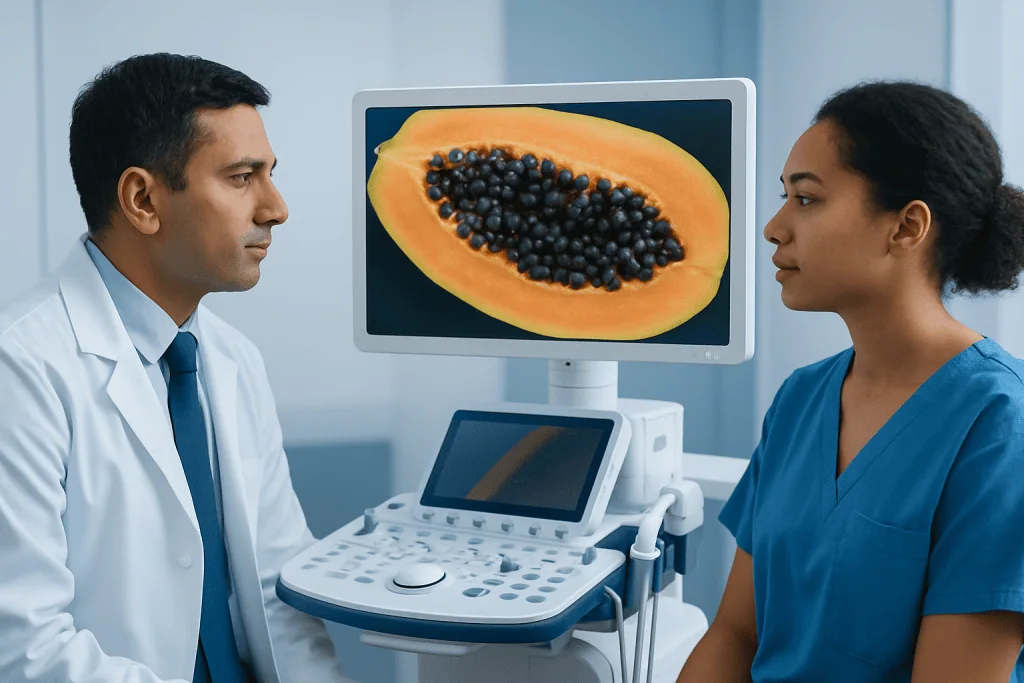
Papaya seeds contain dietary fiber, small amounts of protein, and fats including fatty acids. They also provide naturally occurring phytochemicals such as polyphenols and other antioxidant compounds. These substances help explain why papaya seeds are studied for their possible biological effects, but the presence of a compound does not automatically mean it will produce a clear health benefit in real-life use.
The seeds also contain enzymes and bitter-tasting substances that can affect taste and digestion. Their peppery flavor is stronger than the flesh of the fruit, so people often use them in very small amounts. Because the seed composition can vary depending on the type of papaya and how the seeds are prepared, effects may not be the same from one source to another.
Some reports discuss compounds in papaya seeds that may have antimicrobial or antiparasitic activity in laboratory settings. This is scientifically interesting, but laboratory findings do not always translate into safe or effective treatment for people. That is why doctors generally recommend evidence-based care for confirmed digestive infections or gastrointestinal infections rather than home remedies alone.
Possible benefits: what is known and what is uncertain?
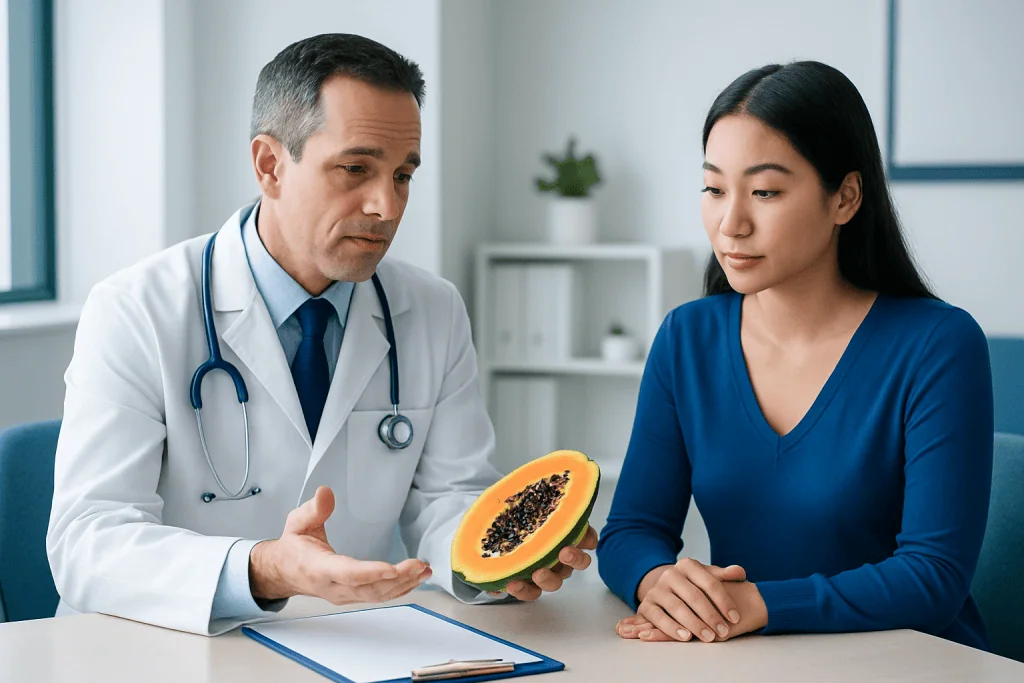
The main potential benefit of papaya seeds as a food is that they add fiber and plant compounds to the diet. Fiber can support regular bowel habits and overall digestive health when it is part of a balanced eating pattern with enough fluids. Their antioxidant content has also led to interest in whether they may help protect cells from oxidative stress, but this does not prove that they prevent or treat disease.
Online claims often focus on parasites, detoxification, liver cleansing, or rapid weight loss. At present, these claims are not well established by strong human evidence. A few small studies and traditional uses have suggested possible antiparasitic effects, but papaya seeds should not replace stool testing, medical diagnosis, or prescription treatment when a parasite is suspected.
There is also no reliable evidence that papaya seeds can cure chronic liver disease, reverse kidney disease, or act as a proven detox product. If a person has ongoing digestive symptoms, abnormal liver tests, or unexplained weight changes, proper evaluation is more appropriate than self-treatment. Depending on symptoms, doctors may advise targeted testing or specialist care such as gastroenterology evaluation.
Risks, side effects, and who should be careful
The most common concerns with papaya seeds are digestive side effects. Because the seeds are potent in taste and composition, some people experience nausea, stomach upset, cramping, loose stools, or diarrhea after eating them. These effects are more likely when the seeds are eaten in larger amounts or when someone is not used to them.
Allergic reactions are possible, especially in people who are sensitive to papaya, latex, or related fruits. Symptoms may include itching in the mouth, hives, swelling, wheezing, or difficulty breathing. Any sign of a severe allergic reaction needs urgent medical attention.
There are also special groups who should avoid experimentation with papaya seeds unless advised by a doctor. Pregnant and breastfeeding people should be cautious because safety data are limited. Children should not be given papaya seeds as a home treatment for worms or digestive symptoms. People with ulcers, chronic gastritis, irritable bowel symptoms, or other digestive disorders may find that the seeds worsen irritation. If someone already has persistent abdominal pain, bleeding, fever, or significant diarrhea, medical assessment is more important than dietary trials; in some cases, clinicians may evaluate for conditions such as colitis.
- Possible side effects: nausea, bloating, cramps, diarrhea, bitter aftertaste
- Possible allergy concerns: papaya allergy, latex-fruit syndrome
- Use extra caution with: pregnancy, breastfeeding, children, digestive disease
How papaya seeds can be used more safely
If a healthy adult wants to try papaya seeds as a food, the safest approach is moderation. The seeds can be rinsed and eaten fresh in very small amounts, dried and ground as a seasoning, or blended into a smoothie. Because the taste is sharp and peppery, many people tolerate only a little at a time.
It is sensible to begin with a minimal amount and watch for side effects rather than taking large servings. Drinking enough water and not combining papaya seeds with multiple new supplements at the same time can also make reactions easier to recognize. Concentrated powders, extracts, or aggressive “cleanses” are harder to judge for safety and are usually not recommended without professional guidance.
Papaya seeds should not be used as a self-directed treatment for stomach pain, parasites, constipation, diarrhea, or unexplained bloating. When symptoms are frequent or persistent, doctors may recommend assessment that could include lab work, imaging, or procedures such as endoscopy if clinically needed. This helps identify the real cause and guide appropriate treatment.
When to seek medical care
Medical care is important if symptoms develop after eating papaya seeds and are more than mild or short-lived. Warning signs include severe abdominal pain, ongoing vomiting, dehydration, blood in the stool, black stools, persistent diarrhea, fever, or signs of an allergic reaction such as swelling, wheezing, or trouble breathing.
People should also contact a doctor if they are considering papaya seeds for a specific health problem, such as suspected parasites, liver concerns, significant weight change, or chronic digestive symptoms. These issues may need testing and medical treatment rather than dietary self-care. Early evaluation can prevent delays in diagnosis.
For people traveling internationally or seeking specialist support, Acibadem International’s multidisciplinary specialists and JCI-accredited hospitals diagnose and treat digestive and related health conditions for international patients. If symptoms point to a structural or long-standing digestive problem, a doctor may discuss care options that include colonoscopy or other investigations when appropriate.
Practical bottom line
Papaya seeds are edible and may be enjoyed in small amounts as part of food, but they are not a proven cure for parasites, detoxification, liver disease, or weight loss. Their nutritional value and plant compounds make them scientifically interesting, yet the medical evidence remains limited, especially for regular or high-dose use.
For most healthy adults, occasional small amounts may be reasonable if they are well tolerated. At the same time, it is wise to avoid exaggerated health claims and to stop using the seeds if they cause stomach upset or any allergic symptoms. People with underlying health conditions should ask a qualified clinician before using them regularly.
The safest approach is to see papaya seeds as an optional food ingredient, not a treatment plan. A balanced diet, symptom-based evaluation, and professional medical advice remain the most reliable ways to protect digestive and overall health.
Frequently asked questions
Are papaya seeds safe to eat?
Papaya seeds are generally edible, and some healthy adults can eat small amounts without problems. However, they can cause digestive upset, and safety is less clear with large amounts, frequent use, or concentrated products.
What do papaya seeds taste like?
Papaya seeds have a strong, peppery, bitter flavor. Because of this, they are usually used in small amounts rather than eaten in large portions.
Can papaya seeds kill parasites?
There is limited early research and traditional use suggesting possible antiparasitic effects, but this is not enough to rely on them as a treatment. If a parasite is suspected, proper testing and medical care are the safest approach.
Can papaya seeds help with weight loss?
There is no strong evidence that papaya seeds cause meaningful or lasting weight loss. Healthy weight management is better supported by balanced nutrition, physical activity, sleep, and medical guidance when needed.
Who should avoid papaya seeds?
Pregnant or breastfeeding people, children, and anyone with papaya allergy, latex-related allergy, or sensitive digestive conditions should be especially cautious. A doctor can help decide whether they are appropriate in an individual case.
How much papaya seed is too much?
There is no universally established medically approved dose for routine health use. Because evidence is limited, it is safest to keep intake modest, avoid concentrated cleanses or extracts, and stop if symptoms occur.
References
- World Health Organization
- U.S. Food and Drug Administration
- National Center for Complementary and Integrative Health
- National Institute of Diabetes and Digestive and Kidney Diseases
- Academy of Nutrition and Dietetics
This article is for general information only and is not a substitute for professional medical advice. Please consult a qualified doctor about your individual situation.
Explore treatments in Turkey — costs, top hospitals & a free quote
JCI-accredited · board-certified surgeons · reply within 24h
Add us as a Preferred Source to see more of our trusted health content across Google Search, AI Overviews and Discover.