Tenosynovitis: Diagnosis, Outlook, and Modern Treatment Approaches

Tenosynovitis affects the tendon sheath, not just the tendon itself. Common symptoms include pain with movement, swelling, tenderness, and stiffness.
Key Takeaways
- Tenosynovitis affects the tendon sheath, not just the tendon itself.
- Common symptoms include pain with movement, swelling, tenderness, and stiffness.
- Overuse, inflammatory arthritis, injury, and infection are possible causes.
- Diagnosis usually starts with a clinical exam and may be supported by ultrasound or MRI.
- Treatment depends on the cause and often includes activity modification, splinting, medication, and rehabilitation.
- Urgent medical care is needed if symptoms follow a wound or are linked with fever, warmth, or rapidly worsening swelling.
Tenosynovitis is inflammation of the protective lining around a tendon, often causing pain, swelling, stiffness, and difficulty moving the affected area. Diagnosis focuses on the pattern of symptoms and the underlying cause, and modern treatment may include rest, splinting, medicines, therapy, injections, or surgery in selected cases.
Overview: what tenosynovitis means
Tenosynovitis is inflammation of the thin sheath that surrounds a tendon. Tendons connect muscle to bone and help the body move smoothly. When the tendon sheath becomes irritated or inflamed, movement can become painful, stiff, or difficult. This can affect the hand, wrist, thumb, foot, ankle, or other areas where tendons pass through tight spaces.
In many people, tenosynovitis develops gradually from repeated strain or friction. In others, it is linked with an underlying inflammatory condition such as rheumatoid arthritis, or less commonly with an infection that enters the tendon sheath through a cut, puncture wound, or spread from nearby tissue. Because the causes differ, treatment is most effective when it is matched to the specific reason for the inflammation.
A practical way to understand tenosynovitis is to think of it as a problem of both movement and space. As the sheath becomes swollen or thickened, the tendon may no longer glide easily. This can lead to pain, catching, a rubbing sensation, or reduced function in daily tasks such as gripping, typing, walking, or lifting.
How tenosynovitis feels and where it occurs
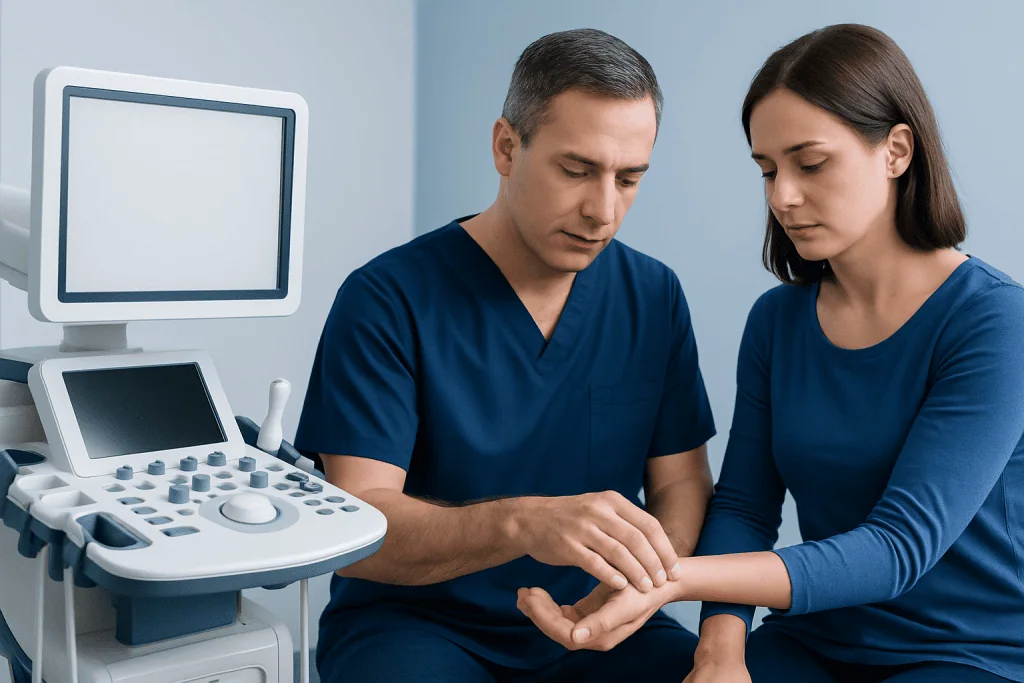
Symptoms vary by location and cause, but pain with movement is one of the most common complaints. The area may feel tender to touch, look mildly swollen, or seem warm. Some people notice morning stiffness or discomfort that worsens after repetitive activity. Others describe a creaking, snapping, or catching feeling as the tendon moves through the inflamed sheath.
The hand and wrist are frequent sites. Thumb-side wrist pain may be related to de Quervain tenosynovitis, while finger involvement may cause triggering or locking. The condition can also affect the ankle and foot, especially in runners or people who spend long periods standing. In some cases, the affected area feels weak simply because painful movement is avoided.
Possible symptoms include:
- Pain during movement or gripping
- Localized swelling or puffiness
- Tenderness along the tendon path
- Stiffness, especially after rest
- A catching, clicking, or creaking sensation
- Reduced range of motion
If symptoms are severe, rapidly worsening, or associated with fever, marked redness, or a recent puncture wound, infection must be considered. Infectious tenosynovitis needs urgent medical attention because delayed treatment can lead to complications.
Why tenosynovitis happens: causes and risk factors

Tenosynovitis has several possible causes. Repetitive hand use, forceful gripping, frequent lifting, long periods of keyboard work, sports training, and poorly tolerated changes in activity level can all irritate the tendon sheath. Minor injuries may also trigger inflammation, especially where a tendon passes through a narrow tunnel or pulley.
Medical conditions can make tenosynovitis more likely. Inflammatory arthritis, including rheumatoid arthritis, can inflame tendon sheaths as part of a broader joint disease process. Diabetes, crystal-related arthritis such as gout, and certain infections may also play a role. In the foot and ankle, altered mechanics, unsuitable footwear, or overtraining may contribute.
Less commonly, bacteria can enter the tendon sheath through a cut, bite, puncture, or contaminated wound. This form is different from overuse-related tenosynovitis and should be treated as urgent. Risk tends to be higher when there is a recent injury, hand wound, immunosuppression, or a rapidly progressive pattern of pain and swelling.
Risk factors may include:
- Repetitive work or sport involving the hands, wrists, or feet
- Sudden increase in activity intensity or duration
- Inflammatory joint disease
- Diabetes or other metabolic conditions
- Recent trauma, puncture wound, or animal bite
- Poor ergonomics or technique during repetitive tasks
How doctors diagnose tenosynovitis
Diagnosis usually begins with a careful history and physical examination. A doctor asks when symptoms started, what movements provoke pain, whether there has been a recent injury, and whether there are signs of infection or inflammatory disease. During the exam, they may press along the tendon, test movement against resistance, and look for swelling, triggering, warmth, or reduced function.
In many cases, the diagnosis is clinical, meaning it can be made from symptoms and examination findings. Imaging is used when the diagnosis is uncertain, when symptoms do not improve, or when another condition needs to be ruled out. Ultrasound can show fluid, thickening, or abnormal tendon gliding in real time, while MRI may help assess deeper structures or more complex cases.
Additional tests depend on the suspected cause. Blood tests may be considered if inflammatory arthritis or infection is possible. If a clinician is concerned about a fracture, arthritis, or a different structural problem, X-ray imaging may be helpful. Diagnosis is not only about naming the problem, but also about identifying whether it is mechanical, inflammatory, or infectious, because that directly shapes treatment.
Modern treatment approaches
There is no single treatment for all cases of tenosynovitis. The best approach depends on the cause, location, severity, and how long symptoms have been present. For overuse-related or noninfectious tenosynovitis, the first step is often to reduce the activities that provoke symptoms while keeping the area gently mobile within comfort. Temporary splinting may support healing by reducing friction and strain.
Doctors may recommend anti-inflammatory medication when appropriate, along with ice or other local measures for symptom relief. Hand therapy or physical therapy can be useful to improve movement patterns, restore strength, and reduce the chance of recurrence. In selected cases, an image-guided or clinically guided corticosteroid injection may calm inflammation around the tendon sheath when simpler measures have not been enough.
If there is severe mechanical narrowing, persistent triggering, or symptoms that do not improve with conservative care, surgery may be considered. Procedures are designed to release tight structures, remove inflamed tissue, or address associated problems depending on the tendon involved. In broader musculoskeletal care, related support may include physical therapy and rehabilitation or assessment by orthopedics and traumatology specialists.
Infectious tenosynovitis is treated differently. It may require urgent antibiotics and sometimes surgical drainage or cleaning of the tendon sheath. Because treatment timing matters, suspected infection should not be managed as a routine overuse injury.
Recovery, outlook, and prevention
The outlook for tenosynovitis is often good when the cause is recognized early and the affected area is given a chance to recover. Mild overuse-related cases may settle with activity changes and supportive treatment. Recovery may take longer if symptoms have been present for many weeks, if the tendon continues to be repeatedly stressed, or if there is an underlying inflammatory condition that also needs management.
Prevention focuses on reducing repeated irritation. This may include ergonomic adjustments, gradual increases in exercise, improved sports technique, regular breaks during repetitive tasks, and strengthening or mobility exercises recommended by a clinician or therapist. Supportive footwear, grip modification, and proper equipment can also help depending on the body area involved.
People with chronic joint disease should keep regular follow-up with their doctor, since controlling the underlying condition may lower the risk of recurrent tendon sheath inflammation. If symptoms return despite rest, it is sensible to seek reassessment rather than repeatedly pushing through pain. Toward the end of the care pathway, some patients may benefit from multidisciplinary assessment; Acibadem International’s specialists in JCI-accredited hospitals diagnose and treat tenosynovitis for international patients when coordinated orthopedic, imaging, and rehabilitation care is needed.
When to seek medical care
Medical review is appropriate if pain, swelling, or stiffness lasts more than a few days, interferes with daily activities, or keeps returning. Assessment is also important when symptoms limit grip strength, walking, work tasks, or sports. Early diagnosis can help prevent prolonged irritation and guide the most suitable treatment.
Urgent care is recommended if tenosynovitis symptoms are linked to a recent cut, puncture wound, bite, fever, spreading redness, marked warmth, pus, or rapidly worsening swelling. These features may suggest infection, which needs prompt treatment. Immediate medical attention is also sensible if a finger or toe becomes difficult to move, the hand is held in a guarded position, or pain is severe and out of proportion.
People with diabetes, inflammatory arthritis, immune suppression, or poor circulation should be especially cautious about persistent or worsening tendon-related pain. When symptoms are not straightforward, a qualified doctor can help distinguish tenosynovitis from tendon tears, arthritis, nerve compression, bursitis, or other causes of limb pain.
Frequently asked questions
What is the difference between tenosynovitis and tendonitis?
Tendonitis refers to inflammation or irritation of the tendon itself, while tenosynovitis affects the tendon sheath that surrounds the tendon. The two can occur together, and the symptoms may overlap. A clinical exam helps identify which structure is most likely involved.
Can tenosynovitis go away on its own?
Mild cases related to temporary overuse may improve with rest, activity changes, and supportive care. However, ongoing symptoms should be assessed because persistent pain can point to continued mechanical stress, inflammatory disease, or a different diagnosis. Infection-related tenosynovitis does not usually resolve without medical treatment.
Is tenosynovitis serious?
Many cases are not dangerous and improve with conservative treatment. It becomes more concerning when symptoms are severe, recurrent, or linked to infection, inflammatory arthritis, or significant loss of function. Prompt medical review is important if there is fever, redness, or a recent wound.
How is tenosynovitis diagnosed?
Doctors usually diagnose tenosynovitis through a history and physical examination focused on pain location, movement, swelling, and tenderness. Imaging such as ultrasound or MRI may be used if the diagnosis is uncertain or if symptoms are persistent. Blood tests may be considered when infection or inflammatory disease is suspected.
What treatments are commonly used for tenosynovitis?
Treatment may include activity modification, splinting, ice, anti-inflammatory medication, and hand or physical therapy. Some patients benefit from corticosteroid injection if symptoms continue despite initial care. Surgery is usually reserved for selected cases, such as persistent triggering, marked sheath narrowing, or infection needing drainage.
How long does recovery from tenosynovitis take?
Recovery time depends on the cause, the area affected, and how early treatment begins. Mild cases may improve within days to weeks, while longstanding or recurrent symptoms can take longer. Recovery is often slower if the aggravating activity continues or if there is an underlying inflammatory condition.
References
- American Academy of Orthopaedic Surgeons
- National Institute of Arthritis and Musculoskeletal and Skin Diseases
- Merck Manual
- Mayo Clinic
- Cleveland Clinic
This article is for general information only and is not a substitute for professional medical advice. Please consult a qualified doctor about your individual situation.
Tenosynovitis in Turkey — costs, top hospitals & a free quote
JCI-accredited · board-certified surgeons · reply within 24h
Add us as a Preferred Source to see more of our trusted health content across Google Search, AI Overviews and Discover.