Over the Counter Pain Relievers for Stomach Pain: Common Causes, Related Conditions, and When to See a Doctor

Not every over-the-counter pain reliever is suitable for stomach pain. Acetaminophen is often gentler on the stomach than NSAIDs, but it does not treat the underlying digestive cause.
Key Takeaways
- Not every over-the-counter pain reliever is suitable for stomach pain.
- Acetaminophen is often gentler on the stomach than NSAIDs, but it does not treat the underlying digestive cause.
- Ibuprofen, naproxen, and aspirin can irritate the stomach lining and may worsen ulcers, gastritis, or bleeding.
- Stomach pain may come from indigestion, gas, constipation, infection, acid reflux, ulcers, gallstones, or other conditions.
- Severe pain, fever, vomiting, blood in stool or vomit, black stools, chest pain, dehydration, or pain that persists should be assessed by a doctor.
Over the counter pain relievers for stomach pain can sometimes ease mild discomfort, but they are not all equally safe for the stomach. The best option depends on what is causing the pain, and some symptoms need medical evaluation rather than self-treatment.
Overview: Which over-the-counter pain reliever is safest for stomach pain?
Over the counter pain relievers for stomach pain may help in some situations, but they are not the first answer for every stomach ache. For mild discomfort, acetaminophen is often considered gentler on the stomach than nonsteroidal anti-inflammatory drugs, also called NSAIDs. However, pain relief alone does not explain why the stomach hurts, and the right approach depends on the cause.
Medicines such as ibuprofen, naproxen, and aspirin can irritate the stomach lining. In some people, they may trigger heartburn, gastritis, ulcers, or bleeding. For that reason, they are usually not the best choice when stomach pain may be related to inflammation of the stomach, acid-related problems, or a history of ulcers.
It can also help to think beyond standard pain relievers. Some common stomach complaints respond better to remedies targeted to the symptom itself, such as antacids for acid reflux, anti-gas medicines for bloating, or oral rehydration and rest for a mild stomach virus. If the pain is strong, keeps returning, or comes with warning signs, self-treatment should give way to a medical assessment.
Common causes of stomach pain
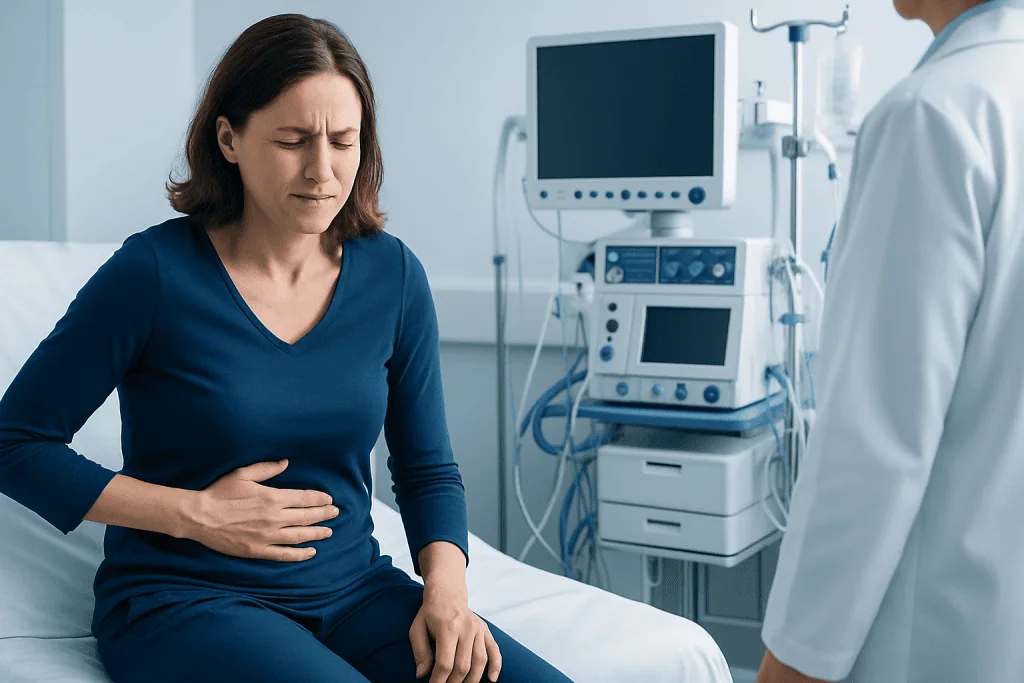
Stomach pain is a broad symptom rather than a diagnosis. It may refer to pain in the upper abdomen, around the belly button, or lower in the abdomen. Some causes are mild and temporary, while others need prompt treatment. The pattern of pain, the location, and associated symptoms all help explain what may be happening.
Frequent causes include indigestion, overeating, gas, constipation, viral gastroenteritis, acid reflux, food intolerance, menstrual cramps, and muscle strain in the abdominal wall. These problems often improve with hydration, dietary adjustment, rest, and targeted nonprescription remedies rather than general painkillers.
Other causes can be more significant, including gastritis, peptic ulcer disease, gallstones, kidney stones, appendicitis, pancreatitis, inflammatory bowel disease, or infection. Conditions such as gastroesophageal reflux disease, ulcers, or irritable bowel syndrome can also cause recurring discomfort and may need a structured treatment plan.
- Burning upper abdominal pain may suggest acid-related irritation.
- Cramping can occur with gas, diarrhea, constipation, or menstrual pain.
- Sudden severe pain raises concern for urgent conditions.
- Pain linked to meals may point toward indigestion, gallbladder disease, or ulcers.
- Pain with urinary symptoms may reflect a kidney or bladder problem.
How different over-the-counter medicines affect the stomach

Many people reach first for a common pain reliever, but these medicines work differently. Acetaminophen can reduce pain and fever and is often easier on the stomach lining. It may be a reasonable option for mild abdominal discomfort when the pain is not clearly caused by inflammation in the stomach itself. Still, it should be used carefully and according to label directions, especially in people with liver disease or heavy alcohol use.
NSAIDs such as ibuprofen and naproxen reduce pain and inflammation, but they can also lower the stomach’s natural protective defenses. This may lead to irritation, worsening heartburn, nausea, ulcers, or gastrointestinal bleeding. Aspirin has similar stomach risks and may be especially problematic in people with a history of ulcers, bleeding disorders, blood thinner use, or advanced age.
For some symptoms, non-pain-reliever products are more suitable. Antacids may help occasional acid discomfort. Medicines that reduce stomach acid may be advised for recurrent reflux or indigestion. Anti-gas products may help bloating, and gentle laxatives may be used for constipation when appropriate. Persistent symptoms, repeated need for medication, or uncertainty about the cause are reasons to ask a doctor rather than trying multiple products without guidance.
Children, older adults, pregnant people, and anyone with chronic liver, kidney, heart, or digestive conditions should be especially cautious with self-medication. A pharmacist or physician can help determine whether an over-the-counter option is appropriate and whether it might interact with prescription medicines.
Related conditions that may need medical attention
Some forms of abdominal pain are better understood by considering the underlying condition rather than the symptom alone. For example, repeated burning pain, nausea, or pain related to meals can occur with gastritis or ulcers. Heartburn and sour-tasting regurgitation may suggest reflux disease. Lower abdominal cramps with changes in bowel habits may be linked to irritable bowel syndrome or infection.
More serious conditions may begin with symptoms that seem nonspecific. Appendicitis can start near the belly button before moving to the lower right side. Gallbladder inflammation may cause pain in the upper right abdomen after fatty meals. Pancreatitis often causes severe upper abdominal pain that can spread to the back. Kidney stones can cause sharp flank or abdominal pain with nausea.
If a person has recurring or unexplained symptoms, doctors may evaluate for disorders such as gastritis, peptic ulcer disease, or other digestive causes. Depending on the findings, further care may include dietary management, medication to reduce acid, testing for infection, or procedures such as endoscopy to examine the upper digestive tract when clinically indicated.
How doctors diagnose the cause of stomach pain
Diagnosis begins with a clear history. A doctor typically asks where the pain is, when it started, how strong it feels, what it is like, and whether it is linked to meals, bowel movements, urination, menstruation, or movement. Associated symptoms such as vomiting, diarrhea, fever, weight loss, bloating, black stools, or heartburn can provide important clues.
A physical examination helps identify tenderness, guarding, swelling, bowel sounds, or signs of dehydration. In many cases, this evaluation is enough to suggest a likely cause. If symptoms are persistent, severe, or unclear, additional testing may be recommended.
Tests can include blood work, stool tests, urine tests, pregnancy testing when relevant, ultrasound, or cross-sectional imaging. In selected cases, doctors may advise colonoscopy for lower gastrointestinal symptoms or gastroenterology evaluation for recurring abdominal complaints. The goal is not just to reduce pain, but to identify whether the problem is functional, inflammatory, infectious, or structural.
Treatment options beyond standard painkillers
Treatment depends on the cause. Mild indigestion may improve with smaller meals, avoiding trigger foods, and short-term acid relief. Constipation may respond to fluids, fiber, activity, and a doctor-approved laxative. Viral stomach upset often improves with rest, hydration, and a gradual return to bland foods. In these situations, general pain relievers may offer limited benefit compared with targeted care.
If acid-related conditions are suspected, treatment may include antacids or other acid-reducing medicine recommended by a clinician. Bacterial infection such as Helicobacter pylori, if present in some ulcer cases, requires medical treatment. Gallbladder disease, appendicitis, bowel obstruction, and some kidney stones can require urgent hospital care or surgery rather than home management.
Doctors also look at medicines that may be contributing to the problem. NSAIDs, alcohol, iron supplements, some antibiotics, and other drugs can irritate the digestive tract in certain people. Adjusting these safely should be done with medical advice, especially when the medicines were prescribed for other health needs.
Near the end of evaluation and treatment planning, some patients also benefit from coordinated specialist care. Acibadem International’s multidisciplinary specialists and JCI-accredited hospitals diagnose and treat digestive conditions for international patients when more detailed assessment is needed.
Self-care and prevention tips
Many mild stomach complaints improve with practical self-care. Eating slowly, avoiding very large meals, and limiting foods that repeatedly trigger symptoms can help. Common triggers include very spicy foods, high-fat meals, excess alcohol, and large amounts of caffeine. Staying hydrated is especially important if pain is accompanied by diarrhea or vomiting.
It is also wise to review medicine habits. Taking NSAIDs on an empty stomach can increase irritation, and frequent use should not continue without medical advice. People with a history of ulcers, gastritis, bleeding, kidney disease, or reflux should be particularly cautious with these products.
Helpful habits may include:
- Choosing simpler foods temporarily during a mild stomach upset
- Drinking water regularly and replacing fluids lost through diarrhea or vomiting
- Using symptom-specific products only as directed on the label
- Keeping a note of foods, medicines, or situations that trigger recurring pain
- Seeking medical advice if stomach pain becomes frequent or begins disrupting daily life
Prevention also means not ignoring repeated symptoms. Recurrent pain is often a sign that the digestive system needs proper evaluation rather than repeated self-treatment with over-the-counter medicines.
When to seek medical care
Medical care is recommended if stomach pain is severe, lasts more than a short time, keeps returning, or is getting worse. Pain that wakes a person from sleep, prevents eating or drinking, or is focused strongly in one area deserves attention. Ongoing symptoms can reflect a condition that needs diagnosis instead of symptom masking.
Urgent evaluation is important if stomach pain occurs with fever, persistent vomiting, blood in vomit, black or bloody stools, fainting, chest pain, trouble breathing, yellowing of the skin, marked dehydration, a swollen rigid abdomen, or pain after an injury. These symptoms can suggest bleeding, infection, obstruction, organ inflammation, or another serious problem.
Pregnant people, young children, older adults, and people with chronic medical conditions should have a lower threshold for contacting a doctor. If there is uncertainty about which medicine is safe, or whether any over-the-counter pain reliever should be used at all, professional guidance is the safest choice.
Frequently asked questions
What is the best over-the-counter pain reliever for stomach pain?
The safest choice depends on the cause of the pain. Acetaminophen is often gentler on the stomach than ibuprofen, naproxen, or aspirin, but it may not help with the underlying digestive problem. If pain is significant, recurring, or unexplained, a doctor should guide treatment.
Can ibuprofen make stomach pain worse?
Yes. Ibuprofen and other NSAIDs can irritate the stomach lining and may worsen gastritis, reflux, ulcers, or stomach bleeding in some people. They should be used with caution, especially by anyone with a history of ulcers or digestive bleeding.
Should stomach pain be treated with antacids instead of pain relievers?
If the discomfort feels like heartburn, acid reflux, or burning indigestion, antacids or other acid-reducing medicines may be more appropriate than a general pain reliever. These products address a likely cause rather than simply dulling pain. A clinician can help if symptoms happen often.
When is stomach pain an emergency?
Emergency care may be needed if stomach pain is severe or sudden, or if it comes with vomiting blood, black stools, fainting, chest pain, trouble breathing, a hard swollen abdomen, or signs of dehydration. Pain with fever or pain that sharply worsens also deserves urgent assessment. These features can point to a serious underlying condition.
Can acetaminophen be used for stomach cramps?
It may help reduce discomfort from mild cramps, but it does not treat causes such as gas, constipation, acid reflux, infection, or inflammation. It is important to follow the label directions and avoid taking more than recommended. People with liver disease or heavy alcohol use should ask a doctor before using it.
Why does stomach pain keep coming back after taking over-the-counter medicine?
Repeated pain suggests that the underlying cause has not been identified or treated. Conditions such as reflux, gastritis, ulcers, gallbladder problems, constipation, or irritable bowel syndrome may need a different approach. Ongoing or recurrent symptoms should be medically assessed rather than repeatedly masked with pain medicine.
This article is for general information only and is not a substitute for professional medical advice. Please consult a qualified doctor about your individual situation.
Persistent digestive symptoms? Get evaluated in Turkey
JCI-accredited · board-certified surgeons · reply within 24h
Add us as a Preferred Source to see more of our trusted health content across Google Search, AI Overviews and Discover.

More from the Health Library

How to Flatten Stomach? Here Is What the Evidence Says

What Is the Pressure Ulcer? A Doctor-Reviewed Answer

Does Stevia Raise Blood Sugar? A Doctor-Reviewed Answer

How Long Do Broken Ribs Take to Heal? Here Is What the Evidence Says

Why Is My Ear Hot All of a Sudden? Causes, Explanations, and Next Steps