How Long Do Broken Ribs Take to Heal? Here Is What the Evidence Says

Most single, uncomplicated rib fractures heal without surgery in about 6 weeks. Pain often improves gradually, but it may take 8 weeks or longer to feel fully comfortable with all activities.
Key Takeaways
- Most single, uncomplicated rib fractures heal without surgery in about 6 weeks.
- Pain often improves gradually, but it may take 8 weeks or longer to feel fully comfortable with all activities.
- Difficulty breathing, worsening chest pain, coughing blood, fever, or pain after major trauma needs prompt medical assessment.
- Doctors may diagnose a rib fracture from the history and examination; imaging is used when complications or other injuries are suspected.
- Avoid tight chest binding, as it can limit deep breathing and increase the risk of chest infections.
Most uncomplicated broken ribs heal in around 6 weeks, although tenderness and discomfort with deep breathing, coughing, or movement may continue for several weeks longer. Rest, effective pain control, and regular gentle breathing are important because they support comfort and help prevent lung complications during recovery.
How Long Do Broken Ribs Take to Heal?
Most broken ribs heal on their own in approximately 6 weeks. In many otherwise healthy people with a single uncomplicated fracture, pain begins to ease noticeably within the first 2 to 3 weeks, while the bone continues repairing over the following weeks. It is common to still notice soreness when taking a deep breath, coughing, laughing, twisting, or lying in certain positions during this time.
Recovery is not identical for everyone. Multiple fractures, an injury caused by a high-impact accident, older age, osteoporosis, smoking, long-term steroid use, poor nutrition, and certain long-term medical conditions can slow healing or make symptoms more difficult to manage. Some people need 8 weeks or longer before normal movement and exercise feel comfortable again.
Rib fractures are often manageable and do not cause lasting problems. However, ribs protect the lungs and other organs, so new or severe breathing symptoms, worsening pain, or signs of infection should not be ignored. Early review is especially important after a significant injury or in people with lung disease, frailty, or reduced immune function.
Why Broken Ribs Hurt and What Recovery Feels Like
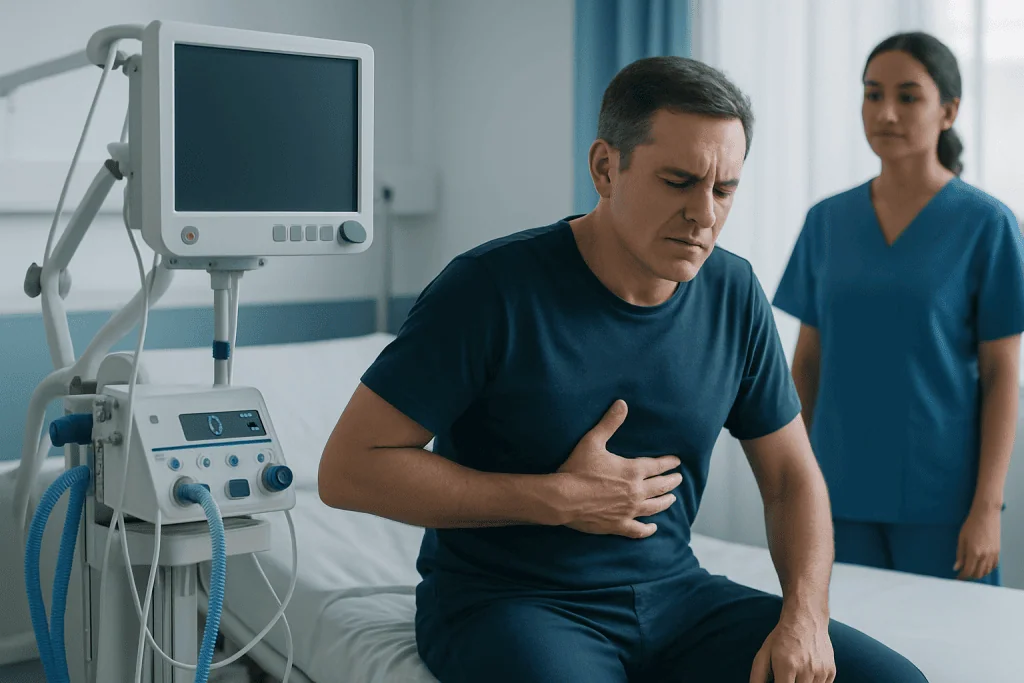
A rib can crack partially or break completely after direct force to the chest. Falls, vehicle collisions, sports impacts, and forceful coughing are possible causes. Because the rib cage moves with every breath, even a stable fracture can be painful. The muscles between the ribs and the lining around the chest wall may also be bruised or strained, adding to discomfort.
The typical symptom is a localized sharp or aching pain that becomes worse with deep breathing, coughing, sneezing, laughing, or changing position. There may be tenderness, bruising, or swelling over the injured area. Some people instinctively take shallow breaths to avoid pain, but doing this repeatedly can prevent the lower parts of the lungs from expanding fully.
Healing usually occurs in stages. During the first days, pain and stiffness may be most prominent. Over the next few weeks, movement and breathing gradually become easier. A small area of sensitivity can persist after the bone has united, particularly after several fractured ribs or an injury involving the chest muscles. Recovery should generally trend toward improvement rather than progressively worsening pain.
When to Seek Medical Care

Anyone who thinks they may have broken a rib should consider medical advice, particularly if the injury followed a hard impact, a fall, or a vehicle accident. A clinician can assess whether the pain is likely to come from a rib injury and whether there may be injury to the lungs, heart area, spine, or abdominal organs. This is especially important if more than one rib may be injured.
Urgent medical care is needed for shortness of breath, rapidly worsening breathing difficulty, blue or gray lips, fainting, confusion, severe or increasing chest pain, coughing up blood, or a visible chest deformity. Emergency assessment is also appropriate if there is pain in the abdomen or shoulder after lower-rib trauma, since lower ribs are close to organs such as the spleen, liver, and kidneys.
A person should arrange prompt review if they develop fever, chills, a new productive cough, or increasing pain after initially improving. These can sometimes signal a chest infection or another complication. Older adults, people taking blood-thinning medicines, and those with chronic lung disease should have a lower threshold for seeking care, even when the initial injury seems minor.
How Doctors Diagnose a Rib Fracture
Diagnosis begins with questions about how the injury happened, the location and pattern of pain, breathing symptoms, and relevant health conditions. During the examination, a doctor may gently check the chest for point tenderness, bruising, swelling, irregular movement, or a crackling sensation beneath the skin. They also listen to the lungs and assess oxygen levels, heart rate, and blood pressure when needed.
An X-ray may be used, but not every rib fracture is visible on a standard chest X-ray, particularly soon after injury. This does not necessarily change treatment for a simple, stable fracture. Imaging is more useful when the clinician needs to look for complications such as a collapsed lung, fluid around the lung, pneumonia, or injuries elsewhere in the chest.
CT scanning can provide more detailed images and may be recommended after high-energy trauma, when multiple fractures are suspected, or when symptoms suggest internal injury. Blood tests are not routinely required for an isolated rib fracture, but they may be used in an emergency setting to evaluate the person’s overall condition. The aim is not only to identify a broken rib, but also to make sure breathing and nearby organs are safe.
Treatment During Rib Fracture Recovery
For most people, treatment focuses on controlling pain well enough to breathe deeply, cough effectively, sleep, and move safely. A clinician may recommend appropriate non-prescription pain relief or prescribe other options when pain is more severe. The best choice depends on medical history, other medicines, kidney or stomach conditions, and bleeding risk, so it is important to seek individualized advice rather than self-treating with multiple medicines.
Regular gentle deep-breathing exercises are a central part of recovery. A doctor, nurse, or physiotherapist may advise taking several slow deep breaths at regular intervals while awake and coughing gently when needed to clear mucus. Holding a pillow or folded blanket lightly against the painful area during a cough can make it more comfortable. This is called splinting and should not involve wrapping the entire chest.
Rib binding, taping, or tightly wrapping the chest is generally not recommended. Restricting chest movement can lead to shallow breathing and may raise the risk of mucus buildup and chest infection. Surgery is uncommon, but it may be considered for selected people with severely displaced fractures, an unstable chest wall, or injuries that require surgery for other reasons.
Acibadem International’s multidisciplinary specialists and JCI-accredited hospitals assess chest injuries and provide coordinated care for international patients when evaluation or treatment is needed.
Daily Activities, Sleep, and Returning to Exercise
Relative rest is sensible in the early stage, but complete bed rest is usually unhelpful. Gentle walking and normal light activity, as tolerated, can support circulation and lung function. Activities that cause sharp pain, increase breathlessness, or carry a risk of another impact to the chest should be avoided until a clinician confirms it is safe to return.
Many people sleep more comfortably in a partly upright position for the first few nights, using extra pillows or a reclining chair if available. Sleeping on the uninjured side may also reduce pressure on the painful area. Getting in and out of bed slowly, rolling onto the side first, and supporting the chest with a pillow can reduce sudden discomfort.
Driving should wait until the person can turn the upper body, wear a seat belt, and perform an emergency stop without significant pain or restricted movement. Return to contact sports, heavy lifting, gym training, and physically demanding work should be gradual. A clinician can give more specific guidance, especially for people with multiple fractures, demanding jobs, or ongoing pain beyond the expected recovery period.
Supporting Bone Healing and Preventing Complications
There is no quick way to make a rib fuse faster, but healthy recovery habits can help the body heal. Eating regular balanced meals with adequate protein, calcium, vitamin D, and other nutrients supports bone health. People who have a restricted diet, low appetite after injury, or known osteoporosis may benefit from discussing nutrition and bone health assessment with their doctor.
Not smoking is particularly important. Tobacco use can delay bone healing and irritate the lungs, while vaping or exposure to smoke may also worsen coughing or breathing discomfort. Limiting alcohol is helpful because alcohol can increase fall risk, interfere with sleep, and make safe use of pain medicines more complicated.
Follow-up is advisable if pain is not steadily improving after several weeks, if everyday activities remain very limited, or if pain returns after it had improved. A doctor may check for delayed healing, another source of chest pain, or complications such as infection. Most people recover fully, and attentive pain management plus regular breathing exercises can make the healing period safer and more manageable.
Frequently asked questions
Can broken ribs heal in 2 weeks?
A broken rib is unlikely to be fully healed in 2 weeks. Pain may begin to improve during that period, especially with a minor injury, but bone healing usually takes around 6 weeks. It is important to continue avoiding strenuous activity until movement and deep breathing are comfortable or a clinician advises otherwise.
How can someone tell whether a rib is broken or bruised?
A bruised rib and a fractured rib can cause very similar pain, tenderness, and discomfort with breathing. It is not usually possible to tell reliably at home. A clinician can assess the injury and decide whether imaging is needed, particularly if there are breathing symptoms or the injury was significant.
Should a person keep moving with broken ribs?
Gentle movement and short walks are usually helpful, provided they do not markedly increase pain or breathlessness. Remaining completely still can make stiffness worse and may reduce deep breathing. Heavy lifting, contact sports, and activities with a risk of another chest impact should be postponed during healing.
Why does a broken rib hurt more at night?
Pain may feel stronger at night because lying down changes pressure on the chest wall and makes it harder to find a comfortable position. People may also notice pain more when they are still and less distracted. Extra pillows, a partly upright position, and a clinician-approved pain plan can improve nighttime comfort.
Can a broken rib cause a collapsed lung?
In some cases, a fractured rib can injure the lung lining and cause a collapsed lung, also called pneumothorax. This is uncommon with simple minor injuries, but it is a reason to seek urgent care for sudden shortness of breath, worsening chest pain, rapid breathing, dizziness, or blue lips.
Is coughing dangerous with broken ribs?
Coughing can be painful, but suppressing every cough is not advisable because mucus needs to be cleared from the lungs. Supporting the painful area gently with a pillow while coughing can improve comfort. A new persistent cough, fever, or worsening breathlessness should be assessed by a healthcare professional.
References
- National Health Service
- Mayo Clinic
- American College of Surgeons
- MedlinePlus
- Cleveland Clinic
This article is for general information only and is not a substitute for professional medical advice. Please consult a qualified doctor about your individual situation.
Joint and spine care in Turkey — expert assessment & treatment
JCI-accredited · board-certified surgeons · reply within 24h
Add us as a Preferred Source to see more of our trusted health content across Google Search, AI Overviews and Discover.
Check your numbers in seconds
BMI, calories, due date, blood pressure and 30+ more clinical calculators — free, instant, doctor-reviewed ranges.

More from the Health Library



Related Specialists

Dr. Mehmet Akif Akman
Emergency Service
Dr. Dilara Akman
Infectious Diseases & Clinical Microbiology
Dr. Özlem Türkcanoğlu
Emergency Service
Prof. Dr. Arzu Akçay
Pathology