Blood Sugar After Eating: An Evidence-Based Guide for Patients

Blood sugar after eating often peaks about 1 to 2 hours after a meal and then starts to come down. What is considered normal depends on the person, whether they have diabetes, and how glucose is being measured.
Key Takeaways
- Blood sugar after eating often peaks about 1 to 2 hours after a meal and then starts to come down.
- What is considered normal depends on the person, whether they have diabetes, and how glucose is being measured.
- Meal composition, portion size, timing, activity, stress, sleep, and some medicines can all affect post-meal readings.
- Repeatedly high post-meal blood sugar can point to prediabetes, diabetes, or the need to adjust treatment.
- Home monitoring, lab tests, and medical review help clarify whether post-meal glucose patterns are expected or need treatment.
Blood sugar after eating normally increases as the body digests carbohydrates, then gradually falls as insulin helps move glucose into cells. If the rise is larger than expected or stays elevated for too long, it can be a sign that the body is having difficulty regulating glucose and should be assessed by a clinician.
Overview: what blood sugar after eating means
Blood sugar after eating refers to the level of glucose in the bloodstream following a meal or snack. This is also called post-meal or postprandial glucose. After carbohydrates are digested, glucose enters the blood. In response, the pancreas releases insulin, which helps the body use or store that glucose so blood sugar can return toward its usual range.
For many people, blood sugar rises after eating, reaches its highest point about 1 to 2 hours later, and then gradually falls over the next several hours. A temporary rise is normal. The question is not whether blood sugar increases, but how high it goes, how long it stays elevated, and whether the pattern fits the person’s overall health.
Doctors look at post-meal blood sugar because it can reveal early changes in glucose regulation that fasting measurements sometimes miss. Repeatedly high readings after meals may suggest prediabetes or diabetes, or may show that an existing treatment plan needs adjustment.
What is considered normal after meals?
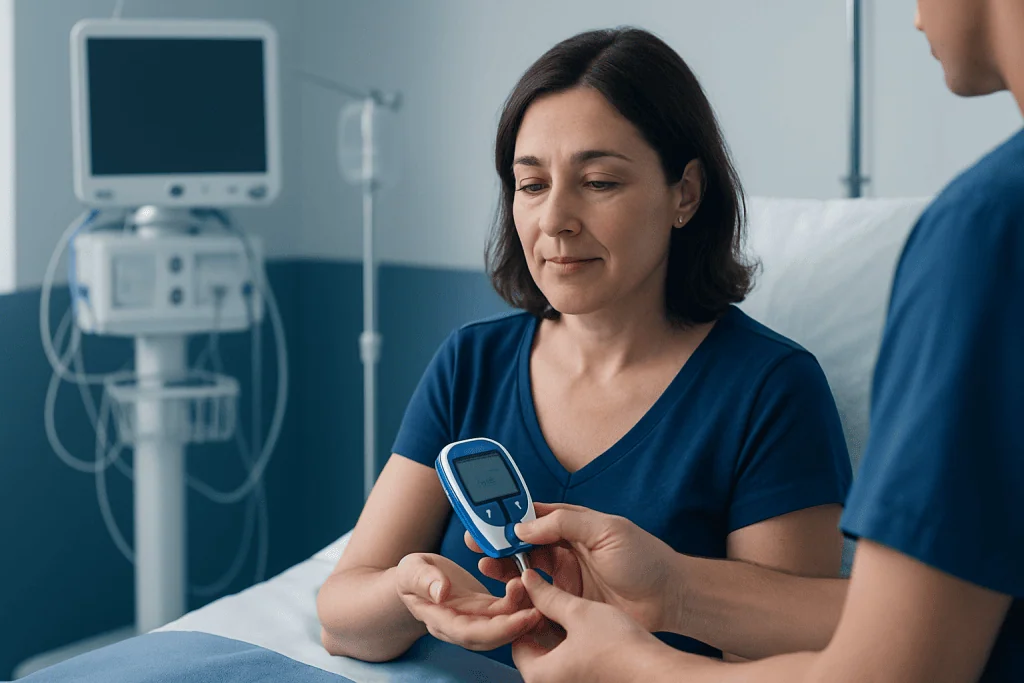
There is no single number that applies to every situation. A person’s age, medical history, pregnancy status, diabetes diagnosis, and type of glucose test all matter. In general, clinicians evaluate blood sugar after eating in the context of fasting glucose, long-term glucose markers such as A1C, symptoms, and daily patterns rather than one isolated result.
For many people without diabetes, blood sugar rises modestly after meals and returns close to the usual baseline within about 2 to 3 hours. In people with diabetes, target ranges are individualized by a clinician. Many care plans use a 1- or 2-hour post-meal target, but the exact goal depends on the person and the treatment being used.
How glucose is measured also matters. A finger-stick meter, a laboratory blood sample, and a continuous glucose monitor may not show exactly the same number at the same moment. This does not necessarily mean something is wrong; it reflects differences in the method and in the timing of when glucose is measured in blood or tissue fluid.
- Higher-carbohydrate meals usually cause a larger rise than meals with more protein, fiber, and healthy fats.
- Larger portions often lead to higher and longer-lasting glucose elevations.
- Gentle activity after eating may help glucose come down sooner.
- Stress, poor sleep, illness, and some medications can push readings higher.
Why blood sugar may rise more than expected

Several everyday factors can lead to higher blood sugar after eating. The most common are meal size and carbohydrate type. Refined carbohydrates and sugary drinks are absorbed quickly and can cause a sharper rise. Meals that include fiber, protein, and fat are often digested more slowly, which may blunt the glucose spike.
The body’s ability to make and use insulin also plays a major role. In insulin resistance, the body’s cells do not respond to insulin as effectively as they should. The pancreas may compensate for some time by releasing more insulin, but over time blood sugar can rise after meals and later in the fasting state as well. This pattern is often seen in prediabetes and type 2 diabetes.
Other causes include missed or delayed diabetes medication, low physical activity, sleep disruption, emotional stress, infection, and certain medicines such as corticosteroids. Less commonly, hormone disorders or pancreatic problems may contribute. If post-meal readings are repeatedly high, a doctor may investigate these possibilities and assess for related conditions such as obesity that can affect insulin sensitivity.
Symptoms and signs to notice
Mildly elevated blood sugar after eating may cause no clear symptoms, especially early on. That is one reason it can be overlooked. Some people only learn that their glucose is running high after routine blood work or home monitoring.
When post-meal blood sugar rises enough, symptoms can include increased thirst, frequent urination, tiredness, blurred vision, headache, dry mouth, or a sense of mental fog. These symptoms are not specific to high glucose, but they can be a clue when they happen regularly after meals.
Low blood sugar can also occur after eating in some situations, especially in people using insulin or certain diabetes medicines, or more rarely in reactive hypoglycemia. Symptoms of low glucose may include shakiness, sweating, palpitations, hunger, dizziness, or confusion. Because symptoms alone cannot confirm the cause, persistent or concerning episodes should be discussed with a healthcare professional.
How doctors evaluate post-meal blood sugar
Assessment starts with a medical history. A clinician may ask when the readings occur, what foods were eaten, whether symptoms are present, and whether there have been changes in activity, stress, sleep, weight, or medications. They may also review family history and risk factors for diabetes and cardiovascular disease.
Testing can include fasting blood glucose, A1C, and sometimes an oral glucose tolerance test. For people already diagnosed with diabetes, home finger-stick checks or continuous glucose monitoring may be used to identify patterns and guide treatment decisions. These tools help show whether blood sugar peaks too high, stays high too long, or fluctuates widely from day to day.
If there are signs of complications or associated conditions, additional evaluation may be needed. Depending on the person’s situation, doctors may assess cholesterol, kidney function, blood pressure, weight, and other markers of metabolic health. Where appropriate, specialist-led endocrinology and metabolic disease care can help clarify diagnosis and tailor a management plan.
What helps manage blood sugar after eating
Management depends on the cause. If blood sugar after eating is mildly elevated and there is no diagnosis of diabetes, a doctor may first recommend lifestyle measures and repeat testing. If prediabetes or diabetes is confirmed, treatment is individualized and may include nutrition changes, exercise, weight management, glucose monitoring, and medication.
Nutrition strategies often focus on the overall meal rather than one ingredient alone. Many people benefit from moderating portion sizes, spacing carbohydrates more evenly through the day, choosing high-fiber foods, and limiting sugary drinks. Pairing carbohydrates with protein, healthy fats, or fiber may reduce rapid spikes. A registered dietitian or diabetes educator can help build a plan that is practical and sustainable.
Physical activity can improve how the body uses glucose. Even a short walk after meals may help some people lower post-meal readings. If medication is needed, options may include tablets, non-insulin injectables, or diabetes treatment plans that use insulin when appropriate. Care is personalized to reduce both high and low blood sugar while fitting the person’s lifestyle and health goals.
For some individuals, weight reduction is an important part of improving insulin sensitivity. In selected cases, treatment of severe obesity may be discussed as part of a broader metabolic plan, including obesity surgery when clinically appropriate and after specialist evaluation.
Self-care tips for daily monitoring and prevention
People who monitor glucose at home should use a consistent routine so the results are easier to interpret. It helps to check at the times recommended by a clinician, note whether the reading is 1 or 2 hours after the first bite of a meal, and keep a brief record of the meal, activity, symptoms, and medicines taken. Patterns over time are usually more useful than one unexpected number.
Helpful daily habits include regular meals, balanced carbohydrate intake, physical activity, adequate hydration, good sleep, and stress management. Smoking cessation and moderation of alcohol intake also support overall metabolic health. People with diabetes should ask their care team how to prevent both high glucose and hypoglycemia, especially if treatment changes, travel, fasting, or exercise are involved.
Near the end of the care pathway, some patients value coordinated specialist input. Acibadem International’s multidisciplinary teams in JCI-accredited hospitals diagnose and treat glucose-related conditions for international patients when evaluation or ongoing care is needed.
When to seek medical care
Medical review is advisable if blood sugar after eating is repeatedly higher than the target set by a clinician, if glucose remains elevated for several hours after meals, or if symptoms such as unusual thirst, frequent urination, tiredness, or blurred vision occur often. These patterns may suggest prediabetes, diabetes, or the need to adjust a current treatment plan.
Prompt medical attention is important if high readings are accompanied by vomiting, severe weakness, confusion, trouble breathing, chest pain, or signs of dehydration. People taking insulin or glucose-lowering medication should also seek help urgently for symptoms of low blood sugar that do not improve quickly with treatment, or for episodes of fainting or seizures.
Pregnant individuals, children, and people with kidney disease, heart disease, or other chronic conditions should contact their clinician sooner if there are concerns about glucose control. A qualified doctor can decide whether symptoms need simple monitoring, medication changes, or more detailed testing.
Frequently asked questions
How long does blood sugar stay high after eating?
Blood sugar usually rises after a meal, often peaks around 1 to 2 hours later, and then gradually comes down. In many people it moves back toward baseline within about 2 to 3 hours, although this varies with the meal, activity level, and whether diabetes is present.
What foods cause the biggest rise in blood sugar after eating?
Foods and drinks rich in rapidly absorbed carbohydrates tend to raise blood sugar the most. Examples include sugary beverages, sweets, white bread, and large portions of refined starches. Meals that contain fiber, protein, and healthy fats often lead to a slower and smaller rise.
Is it normal for blood sugar to rise after every meal?
Yes. A rise after eating is a normal body response because digestion turns carbohydrates into glucose. What matters is whether the increase is within an expected range for that person and whether it returns toward baseline in a reasonable time.
Can someone have high blood sugar after eating but normal fasting blood sugar?
Yes, this can happen, especially in the early stages of impaired glucose regulation. Some people first show abnormal glucose handling after meals before fasting levels become clearly elevated. That is one reason doctors may use A1C, home monitoring, or a glucose tolerance test in addition to fasting blood tests.
Does walking after meals help lower blood sugar?
For many people, gentle activity after eating can help the body use glucose more effectively and may reduce the post-meal rise. The effect varies, and exercise plans should be individualized, especially for people using insulin or medicines that can cause low blood sugar.
Should home glucose readings be checked 1 hour or 2 hours after eating?
That depends on the reason for monitoring and the clinician's advice. Some care plans focus on 1-hour values, others on 2-hour values, and some use both to understand the pattern more fully. The most important point is to measure consistently and record when the check was done.
References
- American Diabetes Association
- National Institute of Diabetes and Digestive and Kidney Diseases
- Centers for Disease Control and Prevention
- Mayo Clinic
- World Health Organization
This article is for general information only and is not a substitute for professional medical advice. Please consult a qualified doctor about your individual situation.
Explore treatments in Turkey — costs, top hospitals & a free quote
JCI-accredited · board-certified surgeons · reply within 24h
Add us as a Preferred Source to see more of our trusted health content across Google Search, AI Overviews and Discover.
Check your numbers in seconds
BMI, calories, due date, blood pressure and 30+ more clinical calculators — free, instant, doctor-reviewed ranges.

More from the Health Library



Related Specialists

Prof. Dr. Harzem Özger
Orthopedic Surgery & Traumatology
Dr. Etem Aytaç Yazar
Orthopedic Surgery & Traumatology
Dr. Yusuf Ay
Emergency Service
Dr. Emel Çolakoğlu
Ophthalmology