Sleep Study: An Evidence-Based Guide for Patients
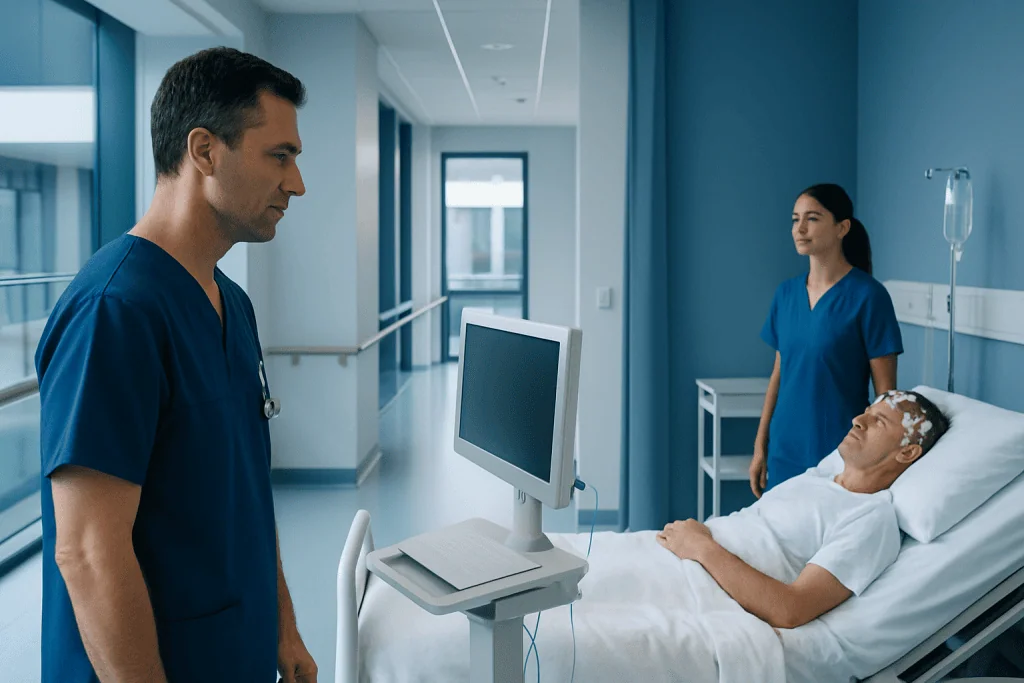
A sleep study measures breathing, oxygen level, heart rhythm, body movements, and sleep stages. It is commonly used to diagnose obstructive sleep apnea, but it can also help assess other sleep disorders.
Key Takeaways
- A sleep study measures breathing, oxygen level, heart rhythm, body movements, and sleep stages.
- It is commonly used to diagnose obstructive sleep apnea, but it can also help assess other sleep disorders.
- Some people need an in-lab sleep study, while others may qualify for a home sleep apnea test.
- The test is usually safe, painless, and designed to reflect normal sleep as closely as possible.
- Results help doctors choose the most appropriate treatment and follow-up plan.
A sleep study is a test used to understand how a person sleeps and to detect conditions such as sleep apnea, restless legs syndrome, and unusual movements or behaviors during sleep. It may be done overnight in a sleep laboratory or at home, depending on symptoms and the condition being evaluated.
Overview: what a sleep study shows
A sleep study is a medical test that records body functions during sleep to find the cause of symptoms such as loud snoring, pauses in breathing, excessive daytime sleepiness, restless sleep, or unusual nighttime behaviors. The formal name for a comprehensive overnight study is polysomnography. Depending on the symptoms, a doctor may recommend a sleep laboratory study or a simpler home sleep apnea test.
The main purpose of a sleep study is to identify whether sleep is being disrupted by breathing problems, frequent awakenings, abnormal movements, or changes in brain activity. During the test, sensors may measure airflow, oxygen level, heart rate, chest and abdominal movement, body position, limb activity, and sometimes brain waves and eye movements. These measurements help build a detailed picture of sleep quality and sleep stages.
Although many people associate a sleep study only with snoring, it is more accurate to think of it as a diagnostic tool that helps explain symptoms. It can help confirm or rule out conditions such as sleep apnea and guide decisions about treatment, lifestyle changes, and follow-up care.
Who may need a sleep study
A doctor may suggest a sleep study when symptoms point to a possible sleep disorder. Common reasons include loud habitual snoring, witnessed pauses in breathing, gasping or choking during sleep, morning headaches, poor concentration, unexplained fatigue, or falling asleep easily during the day. Some people are referred because high blood pressure, heart rhythm problems, or obesity raise concern for undiagnosed sleep apnea.
A sleep study may also be useful when a person has repeated nighttime awakenings, leg movements, unusual dream-enacting behaviors, or suspected narcolepsy. In children, a study may be considered for persistent snoring, restless sleep, bedwetting associated with breathing concerns, or daytime behavioral problems thought to be linked to poor sleep.
Not everyone with sleep symptoms needs the same type of test. For example, people with a high likelihood of uncomplicated obstructive sleep apnea may sometimes begin with a home sleep apnea test. By contrast, symptoms involving movement disorders, seizure-like events, complex sleep behaviors, or certain medical conditions often require a more detailed in-lab evaluation.
Types of sleep studies
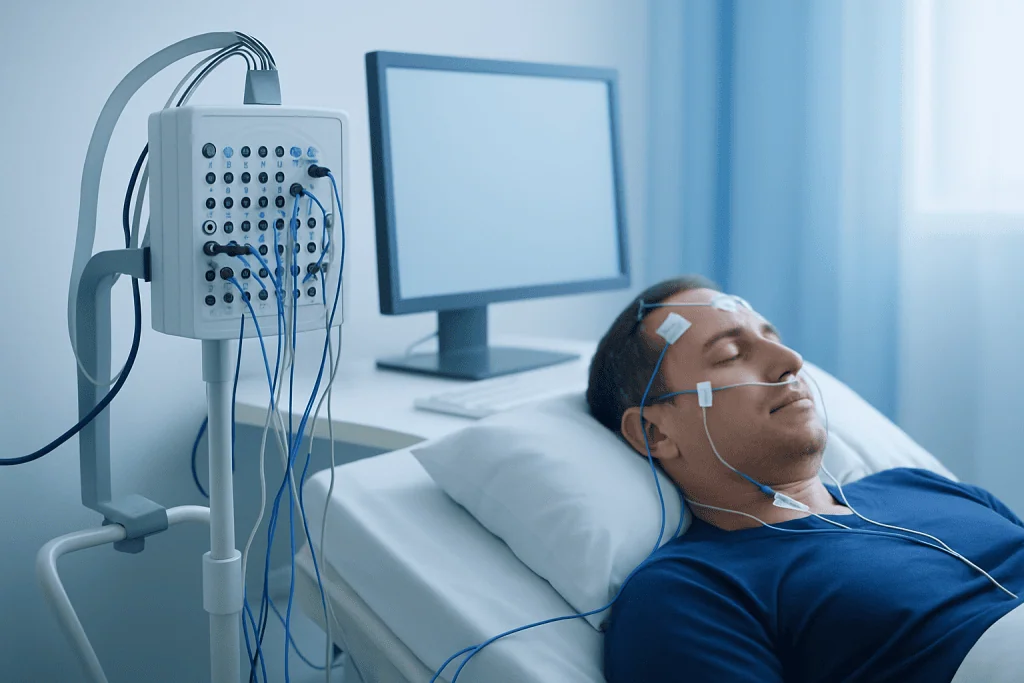
There are several forms of sleep testing, and the choice depends on the question the doctor is trying to answer. The most complete test is attended overnight polysomnography in a sleep laboratory. This records multiple signals at once, often including brain activity, breathing, oxygen, heart rhythm, muscle tone, limb movements, and body position. It is especially useful when symptoms are complex or when conditions other than sleep apnea are being considered.
A home sleep apnea test is a simplified study used mainly to evaluate obstructive sleep apnea in selected adults. It usually records breathing effort, airflow, and oxygen levels but does not measure sleep stages as completely as in-lab testing. Because of these limits, a normal home test does not always rule out a sleep disorder, and further testing may still be needed if symptoms remain convincing.
Some people need additional testing after the initial study. Examples include CPAP titration, which helps determine the right pressure settings for sleep apnea treatment, or a split-night study, in which diagnosis and treatment adjustment happen during the same night when criteria are met. In certain situations, daytime tests such as a multiple sleep latency test may be used to evaluate excessive sleepiness and conditions such as narcolepsy.
What happens before, during, and after the test
Before the sleep study, the care team usually reviews symptoms, sleep habits, medications, and medical history. The patient may be asked to avoid caffeine, alcohol, or naps on the day of the test because these can affect sleep patterns. It is generally helpful to bring comfortable sleepwear and a list of medications. If the study is done at home, the patient receives instructions on how to apply the sensors and return the equipment.
During an in-lab sleep study, small sensors are placed on the scalp, face, chest, and legs, and belts may be placed around the chest and abdomen to track breathing effort. A pulse oximeter on the finger measures oxygen level. These sensors are designed to be as comfortable as possible and do not cause pain, though they may feel unfamiliar at first. Sleep technologists monitor the recording overnight and can assist if a sensor shifts or if the patient needs to get up.
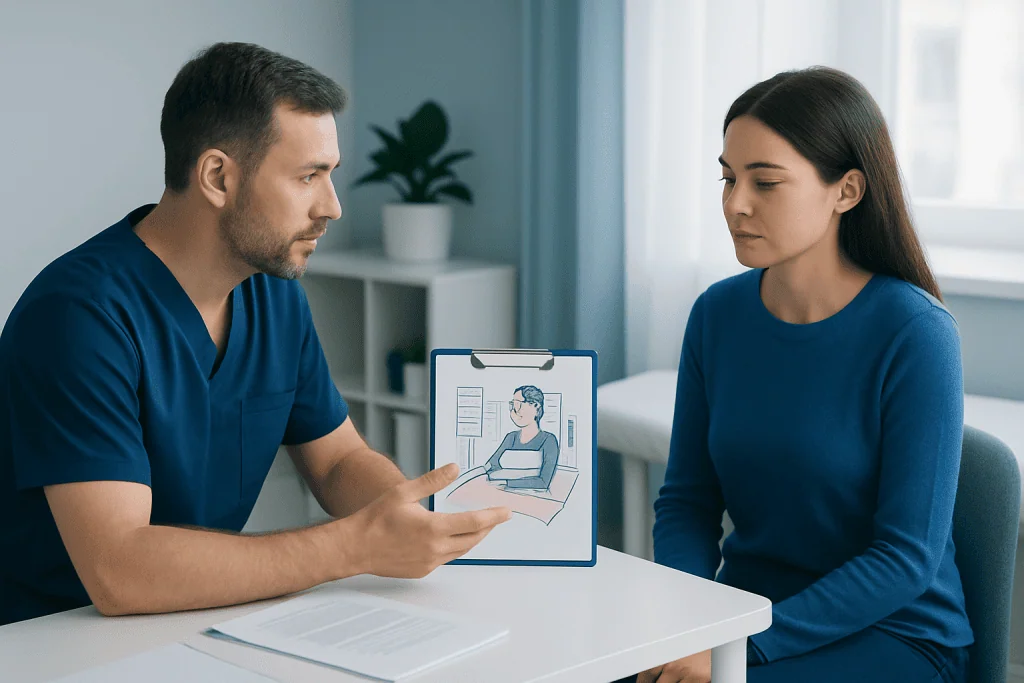
After the test, a sleep specialist reviews the data rather than relying on a simple automated score. The report may describe sleep stages, how often breathing events occurred, whether oxygen dropped during sleep, and whether limb movements or awakenings were frequent. The final interpretation is combined with the patient’s symptoms and overall health, because treatment decisions depend on the full clinical picture rather than one number alone.
What conditions a sleep study can help diagnose
The most common reason for a sleep study is to diagnose obstructive sleep apnea, a condition in which the upper airway repeatedly narrows or closes during sleep. This can lead to snoring, drops in oxygen, fragmented sleep, and daytime sleepiness. Some studies can also help identify central sleep apnea, in which breathing pauses are related to changes in brain signaling rather than airway blockage.
Sleep studies may also help evaluate movement-related and behavior-related disorders. These include periodic limb movement disorder, parasomnias such as acting out dreams, and other causes of unexplained nighttime events. When daytime sleepiness is severe, testing may be part of an evaluation for disorders of hypersomnolence. If symptoms suggest a broader neurological issue, a doctor may also consider related conditions such as epilepsy when interpreting nighttime behaviors.
Importantly, a sleep study is one part of diagnosis, not the whole diagnosis by itself. Snoring alone does not always mean sleep apnea, and a person can have significant symptoms even if one test is inconclusive. That is why doctors consider symptoms, physical examination, sleep history, and sometimes repeat or alternative testing before making a final diagnosis.
How results guide treatment
Treatment depends on what the sleep study shows and how severe the findings are. If obstructive sleep apnea is confirmed, options may include weight management when appropriate, changes in sleeping position, treatment of nasal obstruction, oral appliance therapy, and positive airway pressure therapy. Many patients benefit from CPAP or related devices that keep the airway open during sleep.
If the study suggests another sleep disorder, treatment may look different. A person with frequent limb movements may need evaluation for contributing factors such as iron deficiency or medication effects. People with parasomnias or unusual nighttime behaviors may need safety measures, a review of triggers, and specialist follow-up. If breathing problems are linked to structural issues in the nose or throat, referral for ENT treatment may be appropriate.
Follow-up matters because the best treatment is the one a patient can use safely and consistently. Sometimes a doctor recommends another study to adjust therapy, especially if symptoms continue despite treatment. Near the end of the care pathway, some international patients choose centers such as Acibadem International, where multidisciplinary specialists in JCI-accredited hospitals evaluate sleep-related conditions and coordinate diagnosis and treatment plans.
Preparing well and improving sleep in daily life
A sleep study works best when it is paired with a clear symptom history and healthy sleep habits. Keeping a sleep diary for one to two weeks can help the doctor understand bedtime, wake time, naps, snoring patterns, and daytime sleepiness. Bringing this information to the appointment can make the interpretation of test results more meaningful.
General self-care steps may improve sleep quality whether or not a formal sleep disorder is found. Helpful measures include keeping a regular sleep schedule, limiting alcohol near bedtime, reducing evening caffeine, maintaining a comfortable sleep environment, and discussing sedating or stimulating medications with a doctor. When excess weight contributes to airway narrowing, gradual lifestyle changes may support treatment.
People should not try to diagnose themselves based only on wearable devices or smartphone apps. Consumer sleep tools can sometimes raise useful questions, but they do not replace a medically supervised sleep study. A qualified clinician can decide whether a home test, a laboratory study, or another evaluation is the most appropriate next step.
When to seek medical care
Medical advice should be sought if a person regularly snores loudly, stops breathing during sleep, wakes up gasping, or feels excessively sleepy during the day despite spending enough time in bed. Evaluation is also important for unexplained morning headaches, trouble concentrating, or sleepiness that affects driving, school, or work performance.
Prompt assessment is especially important when sleep symptoms occur along with heart disease, uncontrolled high blood pressure, stroke risk, obesity, or significant lung disease. Parents should speak with a doctor if a child snores often, breathes through the mouth at night, sleeps restlessly, or has daytime behavioral or learning concerns that may be linked to poor sleep.
Emergency care may be needed for severe breathing difficulty, chest pain, fainting, or sudden confusion. For ongoing sleep-related concerns, a primary care doctor, pulmonologist, neurologist, or sleep medicine specialist can decide whether a sleep study is needed and what type will be most helpful.
Frequently asked questions
Is a sleep study the same as a home sleep test?
No. A sleep study often refers to in-lab polysomnography, which records a wide range of body functions during sleep. A home sleep apnea test is simpler and mainly used to assess suspected obstructive sleep apnea in selected adults.
Can someone sleep normally during a sleep study?
Many people worry that the sensors or unfamiliar setting will prevent sleep, but most still sleep enough for the test to provide useful information. Sleep specialists understand that one night may not be perfect, and the study is interpreted with that in mind.
Is a sleep study painful or risky?
A sleep study is generally painless and noninvasive. Sensors are attached to the skin, but they do not deliver electricity into the body. Risks are minimal, although the test may feel slightly inconvenient or unfamiliar.
How long does it take to get sleep study results?
Results are not usually given immediately because the data must be carefully reviewed by a trained specialist. Timing varies by center, but the report is often discussed at a follow-up visit after full interpretation.
What if the home sleep test is normal but symptoms continue?
A normal home test does not always rule out a sleep disorder. If symptoms strongly suggest sleep apnea or another problem, a doctor may recommend a full in-lab sleep study or additional evaluation.
Do children ever need sleep studies?
Yes. Children may need sleep studies when they snore regularly, have pauses in breathing, sleep restlessly, or have daytime problems that may be related to poor sleep. Pediatric evaluation is important because the causes and treatment approach can differ from adults.
References
- American Academy of Sleep Medicine
- National Heart, Lung, and Blood Institute
- National Institute of Neurological Disorders and Stroke
- Centers for Disease Control and Prevention
- Mayo Clinic
This article is for general information only and is not a substitute for professional medical advice. Please consult a qualified doctor about your individual situation.
Explore treatments in Turkey — costs, top hospitals & a free quote
JCI-accredited · board-certified surgeons · reply within 24h
Add us as a Preferred Source to see more of our trusted health content across Google Search, AI Overviews and Discover.
Check your numbers in seconds
BMI, calories, due date, blood pressure and 30+ more clinical calculators — free, instant, doctor-reviewed ranges.