Fourchette Piercing: A Complete Medical Overview

A fourchette piercing passes through the posterior fourchette, the small fold of tissue at the back of the vaginal opening. Not everyone has suitable anatomy for this piercing, and placement in the wrong tissue raises the risk of tearing, rejection, and poor healing.
Key Takeaways
- A fourchette piercing passes through the posterior fourchette, the small fold of tissue at the back of the vaginal opening.
- Not everyone has suitable anatomy for this piercing, and placement in the wrong tissue raises the risk of tearing, rejection, and poor healing.
- Common short-term issues include pain, swelling, spotting, and irritation; more serious problems include infection, migration, embedding, and scar formation.
- Gentle hygiene, avoiding friction, and watching for warning signs support healing and reduce complications.
- Medical evaluation is important for severe pain, spreading redness, fever, foul-smelling discharge, heavy bleeding, or a piercing that appears to tear through the tissue.
A fourchette piercing is a genital piercing placed through the thin fold of tissue at the back of the vulvar opening. It can heal well in carefully selected anatomy, but it carries meaningful risks such as pain, bleeding, infection, migration, and scarring, so informed decision-making and appropriate medical care matter.
Overview
A fourchette piercing is a type of female genital piercing placed through the posterior fourchette, the small fold of skin and mucosal tissue at the back of the vulvar opening. People often ask whether it is safe, how painful it is, and whether it heals reliably. The short answer is that a fourchette piercing can heal without major problems in some people, but it is anatomy-dependent and has higher irritation and migration risks than many standard ear or body piercings.
This piercing is not suitable for everyone. Some people do not have enough tissue in the area for secure placement, especially if the tissue is naturally tight, thin, scarred, or stretched in a way that would place pressure on jewelry. A professional piercer may decide not to perform it, and that is often a safety decision rather than a matter of preference.
Because the fourchette lies in a warm, moist, high-friction area, healing can be affected by movement, sexual activity, clothing pressure, and natural vaginal and vulvar secretions. These factors do not make the piercing impossible, but they do mean aftercare needs to be careful and realistic. If symptoms suggest a problem, a qualified clinician should assess the area promptly rather than relying only on informal advice.
How It Is Placed and Why Anatomy Matters
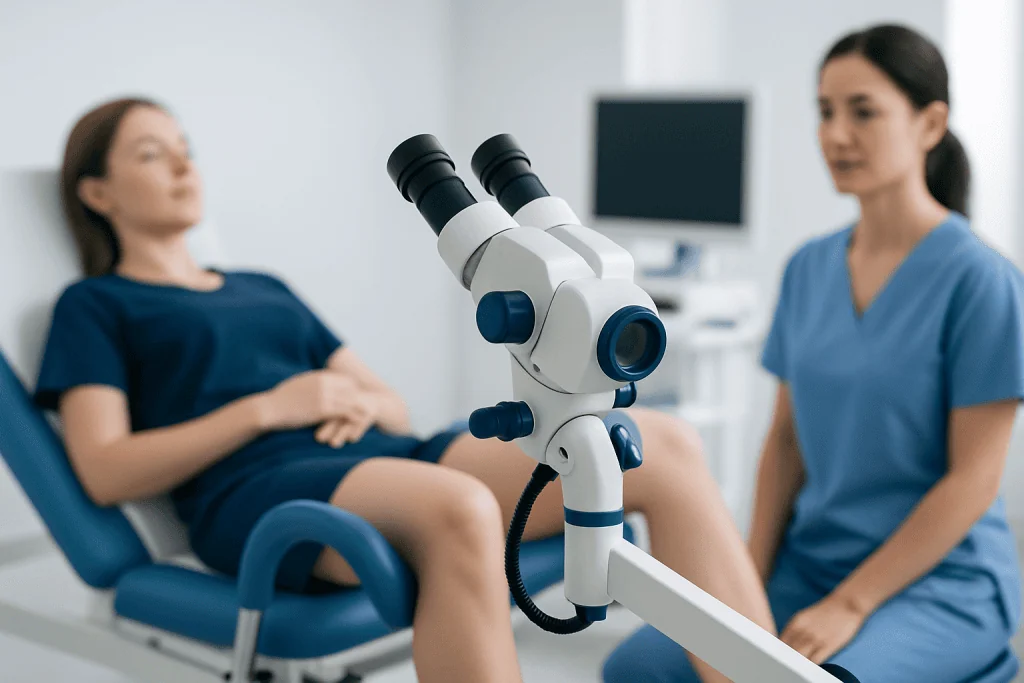
The posterior fourchette is located where the inner vulvar tissues meet near the lower end of the vaginal entrance. In a fourchette piercing, jewelry usually passes through a pinchable ridge of tissue rather than deeply through muscle or the vaginal canal. Correct placement is important because tissue that is too shallow may tear, while tissue that is too tight may remain painful or fail to heal properly.
Good candidates generally have a distinct fold of tissue that can be gently lifted without excessive tension. If the tissue is very flat, very delicate, or affected by prior childbirth injury, surgery, or scarring, the piercing may be more likely to migrate or become irritated. Conditions that affect skin or mucosal healing may also make healing less predictable, including certain inflammatory skin conditions or recurrent infections. Related vulvar and vaginal concerns, such as vaginal infections, should be addressed before considering any piercing in this area.
Placement is usually done with sterile technique and body-safe jewelry selected for a sensitive mucosal site. Even with experienced technique, however, this area can react strongly because it is exposed to motion, moisture, and friction. That is why anatomy assessment and realistic counseling are central parts of safer decision-making.
Symptoms and Normal Healing Changes

In the first days after a fourchette piercing, mild to moderate pain, tenderness, localized swelling, and small amounts of spotting can occur. Some people also notice a temporary stinging sensation during urination because urine can contact the healing tissue. These symptoms often ease gradually as the initial inflammation settles.
During the next several weeks, the area may remain sensitive to pressure from sitting, tight underwear, exercise, or sexual activity. A small amount of clear or pale crusting around the jewelry can be part of normal healing. Mild itching may also occur as tissue repairs itself, but itching should not be intense or associated with worsening redness, discharge, or rash.
Healing time varies from person to person and depends on anatomy, jewelry fit, hygiene, friction, and overall health. A piercing may look calm on the outside before deeper tissue is fully healed, so early comfort does not always mean the site is ready for sexual activity, jewelry changes, or heavy pressure. Patience helps lower the chance of tearing and long-term irritation.
Risks, Complications, and Contributing Factors
The main medical concerns with a fourchette piercing are infection, migration, rejection, traumatic tearing, prolonged pain, and scarring. The area is close to the vaginal and anal regions, so bacterial exposure is higher than in many other piercing sites. If aftercare is inconsistent or the jewelry is too tight, too heavy, or poorly positioned, irritation can become persistent.
Other possible complications include contact allergy to certain metals, overgrowth of scar tissue, bleeding, and embedding of jewelry into swollen tissue. Friction during sex, exercise, or tight clothing can delay healing or cause the jewelry to pull through the tissue. If a person has underlying gynecologic symptoms such as burning, abnormal discharge, or recurrent irritation, these should be evaluated because a piercing can worsen already-sensitive tissue. In some situations, assessment may overlap with evaluation used for sexually transmitted diseases or other infections.
Certain factors can increase the risk of problems: smoking, uncontrolled diabetes, immune suppression, poor genital hygiene, premature jewelry changes, and using harsh cleaning products. Piercing during an active skin rash, yeast infection, or bacterial infection is also more likely to lead to complications. People prone to keloids or problematic scarring should discuss this risk with a clinician, even though keloids are less common in mucosal areas than on some external skin sites.
- Higher friction than many other piercings
- Moist environment that may slow surface healing
- Need for suitable anatomy to avoid migration
- Potential overlap with gynecologic infections or dermatitis
Diagnosis and Medical Evaluation of Problems
Most fourchette piercings do not require routine medical testing, but complications should be assessed by a healthcare professional. Diagnosis is usually based on history and physical examination. A clinician may ask when the piercing was done, what jewelry was used, how the site has been cleaned, whether there has been sexual activity, and whether symptoms include fever, discharge, odor, or increasing pain.
On examination, the clinician looks for localized redness, swelling, tissue thinning, discharge, bleeding, ulceration, or signs that the jewelry is migrating or becoming embedded. They may also check for skin irritation caused by cleansers, lubricants, latex, or metal exposure. If infection is suspected, testing may sometimes be needed, especially when symptoms are severe, recurrent, or not improving with basic measures.
Because genital symptoms can have more than one cause, a clinician may also consider other conditions such as dermatitis, yeast infection, bacterial infection, or trauma unrelated to the piercing. If a deeper problem is suspected, gynecologic review can be appropriate. Depending on symptoms, evaluation may be linked with gynecology assessment or, in selected cases, obstetrics and gynecology care to protect both healing tissue and overall vulvovaginal health.
Treatment Options and What to Do if Something Feels Wrong
Treatment depends on the problem. Mild irritation may improve with reducing friction, wearing breathable underwear, avoiding sexual activity for a time, and using simple saline-based cleansing if advised. Harsh antiseptics, scented products, and repeated touching usually make symptoms worse rather than better.
If infection is suspected, medical care is important. A clinician may recommend removing or retaining jewelry depending on the severity, the location, and whether removal could trap infection. Self-removal is not always the safest choice, especially if the jewelry appears embedded or the tissue is tearing. If there is an abscess, severe swelling, or spreading infection, more urgent treatment may be necessary.
Migration or rejection often means the tissue is too thin or too stressed to support the piercing. In that situation, the safest option may be planned removal and allowing the area to heal completely. Persistent pain with intercourse, scarring, or tissue changes may benefit from specialist review. When structural damage, painful scarring, or other vulvar problems need broader evaluation, clinicians may consider related plastic and reconstructive surgery support in carefully selected cases.
Self-care, Healing Support, and Prevention
Good aftercare is gentle, consistent, and non-irritating. Hands should be washed before touching the area, but unnecessary handling should be avoided. Clean, loose-fitting underwear and clothing can reduce friction, and the area should be kept as dry and comfortable as possible without over-cleansing.
During healing, it is wise to avoid activities that place pressure or repeated traction on the jewelry. This may include cycling, vigorous exercise with friction, or sexual contact before the tissue is ready. Condom or barrier use remains important for sexual health, but even protected activity can mechanically irritate a fresh piercing. If a person develops symptoms suggestive of a new infection, evaluation should not be delayed.
Prevention starts before the piercing itself. Choosing an experienced professional who uses sterile technique, high-quality body jewelry, and an anatomy-first approach can reduce avoidable complications. People should postpone piercing if they have active genital symptoms, uncontrolled chronic illness, or difficulty with wound healing. Near the end of the care pathway, some international patients choose multidisciplinary assessment at Acibadem International, where JCI-accredited hospitals evaluate and treat genital health concerns with input from relevant specialists when needed.
- Avoid scented soaps, powders, and sprays on the area
- Do not rotate or twist jewelry unless specifically instructed
- Use breathable fabrics and limit pressure on the site
- Seek guidance before changing jewelry
When to Seek Medical Care
Medical advice should be sought if pain is severe, swelling is rapidly increasing, or the area becomes markedly red, hot, or very tender. Fever, chills, foul-smelling discharge, pus, heavy bleeding, or a wound that appears to split or tear are also important warning signs. These symptoms can suggest infection, tissue injury, or a problem that needs prompt treatment.
Care is also advisable if the jewelry looks too tight, starts sinking into the tissue, or seems to be moving toward the surface. Ongoing pain during walking, sitting, urination, or intercourse should not be ignored, especially if symptoms persist beyond the expected early healing period. People with diabetes, immune suppression, pregnancy, or recurrent genital infections should have a lower threshold for professional evaluation.
In general, it is better to ask early than to wait for a minor issue to become more difficult to treat. A clinician can help distinguish between normal healing and a complication, guide safe aftercare, and advise whether the piercing can remain in place.
Frequently asked questions
What is a fourchette piercing?
A fourchette piercing is a genital piercing placed through the small fold of tissue at the back of the vulvar opening. It is different from clitoral hood or labial piercings and depends heavily on having enough suitable tissue for safe placement.
Is a fourchette piercing safe?
It can be done safely in carefully selected anatomy with sterile technique and appropriate aftercare, but it is not considered low-risk. Because the area is delicate and exposed to friction and moisture, infection, migration, and tearing are important concerns.
How long does a fourchette piercing take to heal?
Healing varies, and the timeline can be influenced by anatomy, jewelry fit, hygiene, and friction from daily activities. Even when the surface looks better early on, deeper healing may still be incomplete, so following professional advice is important.
What are signs that a fourchette piercing may be infected?
Warning signs include worsening redness, increasing pain, heat, swelling, pus, foul odor, fever, or symptoms that are not improving. Because some irritation is normal at first, it helps to focus on symptoms that are intensifying rather than slowly settling.
Can a fourchette piercing affect sex or urination?
Yes. During healing, the area may be sore with intercourse, pressure, or movement, and some people notice brief stinging when urine contacts the fresh piercing. Persistent pain during sex or urination should be assessed by a healthcare professional.
Should the jewelry be removed if there is a problem?
Not always. Removing jewelry without guidance can sometimes worsen matters, especially if the tissue is swollen or infected. A clinician or experienced piercing professional can advise whether removal is appropriate and how to do it safely.
References
- American College of Obstetricians and Gynecologists
- Association of Professional Piercers
- Centers for Disease Control and Prevention
- National Health Service
- Mayo Clinic
This article is for general information only and is not a substitute for professional medical advice. Please consult a qualified doctor about your individual situation.
Explore treatments in Turkey — costs, top hospitals & a free quote
JCI-accredited · board-certified surgeons · reply within 24h
Add us as a Preferred Source to see more of our trusted health content across Google Search, AI Overviews and Discover.