Glutamate: An Evidence-Based Guide for Patients

Glutamate is both a common amino acid in food and an important neurotransmitter in the brain. Normal glutamate signaling supports learning, memory, movement, and communication between nerve cells.
Key Takeaways
- Glutamate is both a common amino acid in food and an important neurotransmitter in the brain.
- Normal glutamate signaling supports learning, memory, movement, and communication between nerve cells.
- Problems related to glutamate are usually about signaling in the brain, not simply eating foods that contain glutamate.
- Glutamate imbalance has been studied in conditions such as epilepsy, stroke, migraine, and some psychiatric disorders.
- Symptoms are not specific to glutamate alone, so medical evaluation is important when neurologic or persistent symptoms occur.
- Treatment focuses on the underlying condition rather than trying to self-correct glutamate levels without guidance.
Glutamate is a naturally occurring amino acid and the brain’s main excitatory neurotransmitter, meaning it helps nerve cells send signals. It is essential for learning, memory, and normal body function, but too much or too little activity in certain settings may be linked with neurologic or mental health symptoms.
Overview: What glutamate is and why it matters
Glutamate is a substance the body naturally makes and uses every day. It is an amino acid found in many foods, and it also acts as the brain’s main excitatory neurotransmitter. In simple terms, this means glutamate helps nerve cells activate and communicate with one another. Without it, many normal brain functions would not work efficiently.
In healthy amounts, glutamate supports learning, memory, attention, movement, and sensory processing. The body carefully controls how much glutamate is released, how long it stays active, and when it is cleared away. This balance is important because brain cells need enough stimulation to function, but not so much that they become stressed or injured.
Patients often encounter glutamate in different contexts, such as nutrition labels, discussions about monosodium glutamate (MSG), or articles about brain health. These topics are related but not identical. Most health concerns tied to glutamate involve its signaling role inside the nervous system rather than the normal dietary glutamate found in foods.
How glutamate works in the brain and body
Glutamate sends signals by attaching to specialized receptors on nerve cells. These receptors help regulate how strongly and how quickly neurons respond. This signaling is essential for synaptic plasticity, the process that allows the brain to adapt, form memories, and learn new skills.
The body also uses glutamate outside the brain. It participates in metabolism and can serve as a building block in other biochemical pathways. In the brain, however, its role is especially important because even small changes in signaling can affect how networks of neurons behave.
To keep glutamate balanced, the brain relies on support cells called astrocytes, which help remove excess glutamate from the spaces between neurons. If release is too high or clearance is impaired, overstimulation may occur. This process, sometimes called excitotoxicity, has been studied in several neurologic conditions, including stroke and seizure disorders.
Symptoms and health effects linked to glutamate imbalance

There is no single set of symptoms that proves a person has a glutamate problem. Instead, researchers study glutamate as one factor that may contribute to symptoms in certain brain and nervous system conditions. Depending on the underlying issue, symptoms can include headaches, seizures, dizziness, confusion, memory problems, changes in mood, or increased sensitivity to light and sound.
Too much excitatory signaling may play a role in seizure activity, acute brain injury, and some chronic neurologic disorders. Too little or altered glutamate signaling may also affect thinking, motivation, mood, or cognition in some people. Because glutamate interacts with many other brain chemicals, symptoms are usually complex and cannot be explained by one molecule alone.
Some people also wonder whether dietary glutamate causes widespread symptoms on its own. Scientific evidence does not support a simple rule that glutamate-containing foods are harmful for most people. A small number of individuals may notice symptoms after certain foods, but these reactions are not the same as a diagnosed disorder of brain glutamate signaling.
Causes, risk factors, and related conditions
Glutamate imbalance is not usually a standalone diagnosis. More often, it is part of a broader medical condition affecting the brain, nerves, or mental health. Acute conditions such as head injury, lack of oxygen, infection, and stroke may disrupt normal glutamate regulation. In these settings, excessive stimulation of nerve cells can contribute to injury.
Chronic neurologic and psychiatric conditions have also been linked to altered glutamate signaling in research studies. These include epilepsy, migraine, Alzheimer’s disease, Parkinson’s disease, depression, anxiety disorders, schizophrenia, and some chronic pain syndromes. This does not mean glutamate is the only cause of these conditions, but it may be one part of the biology involved.
Risk factors depend on the underlying disorder. They may include vascular risk factors, traumatic brain injury, sleep deprivation, substance use, severe stress, certain infections, or a family history of neurologic disease. Because the picture is individualized, a clinician typically considers the whole medical history rather than focusing on glutamate alone.
- Brain injury or reduced oxygen supply
- Seizure disorders
- Migraine and chronic pain conditions
- Neurodegenerative disorders
- Mood and thought disorders
- Sleep, stress, and metabolic factors that affect brain signaling
How doctors evaluate glutamate-related concerns
Doctors do not usually diagnose a “glutamate imbalance” with a simple routine test. Instead, they evaluate the symptoms, look for possible underlying conditions, and decide whether the nervous system needs further assessment. The evaluation often starts with a medical history, review of medications and supplements, and a neurologic examination.
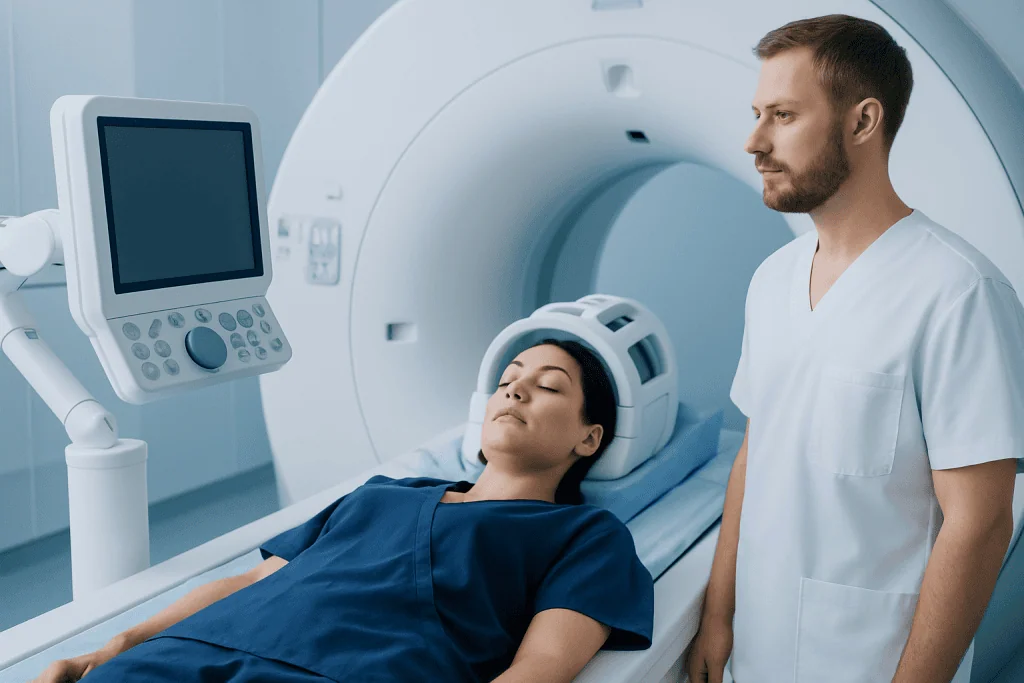
Depending on the symptoms, additional testing may include blood tests, brain imaging, or nerve and brain function studies. For example, a patient with sudden weakness or confusion may need urgent MRI imaging to assess for structural or vascular causes. Someone with episodes suggestive of seizures may need EEG testing to evaluate the brain’s electrical activity.
In some research settings, advanced scans or laboratory methods are used to study glutamate more directly, but these are not standard for most patients. What matters most in everyday care is identifying whether the symptoms point to migraine, seizures, medication effects, sleep problems, mental health conditions, or another medical issue that can be treated appropriately.
Treatment options and everyday management
Treatment is aimed at the underlying condition rather than at glutamate in isolation. For example, if a person has seizures, care may include evaluation and management for epilepsy. If the problem is a recent neurologic event, treatment focuses on the specific cause, such as stroke care, infection treatment, or recovery after injury.
Some medications used in neurology and psychiatry influence glutamate pathways directly or indirectly. These choices depend on the diagnosis, symptom pattern, age, medical history, and possible side effects. Patients should not start, stop, or change prescription medicines in an attempt to alter glutamate without medical supervision.
Self-care can still support overall brain health. Regular sleep, balanced meals, hydration, exercise, stress management, and limiting alcohol or recreational drugs may help stabilize symptoms in some people. When headaches, seizures, mood changes, or cognitive issues are present, keeping a symptom diary can help a clinician identify triggers and patterns.
For international patients who need coordinated evaluation, Acibadem International’s multidisciplinary specialists and JCI-accredited hospitals diagnose and treat neurologic conditions that may involve abnormal glutamate signaling, using tools such as neurology care and advanced imaging when appropriate.
Diet, MSG, prevention, and when to seek medical care
Dietary glutamate is a common source of confusion. Glutamate naturally occurs in foods such as tomatoes, mushrooms, cheese, soy products, and meat. Monosodium glutamate is a flavor enhancer that contains glutamate. For most people, consuming glutamate in food is considered safe and is not the same as having abnormal brain glutamate activity.
There is no proven general prevention plan focused only on glutamate. Instead, prevention means lowering the risk of conditions that can affect brain function. This includes managing blood pressure, diabetes, and cholesterol; protecting the head from injury; treating sleep disorders; avoiding substance misuse; and following medical advice for known neurologic or psychiatric conditions.
Medical care is important if symptoms are sudden, severe, persistent, or worsening. A person should seek urgent help for new weakness, trouble speaking, seizures, fainting, severe confusion, chest pain, or a sudden severe headache. Non-urgent medical review is appropriate for ongoing headaches, memory changes, recurrent dizziness, mood changes, or unusual sensory symptoms that interfere with daily life.
Frequently asked questions
Is glutamate good or bad for health?
Glutamate is essential for health because it helps nerve cells communicate and supports learning, memory, and normal brain function. It becomes a concern mainly when signaling is disrupted in certain medical conditions, not because glutamate itself is inherently harmful.
Is glutamate the same as MSG?
No. Glutamate is a naturally occurring amino acid used by the body and found in many foods, while MSG is a sodium salt of glutamate used as a flavor enhancer. Although related, discussions about brain glutamate signaling are different from questions about dietary MSG.
Can a doctor test my glutamate level?
In routine clinical practice, there is usually no simple standard test that explains symptoms by measuring glutamate alone. Doctors typically investigate the underlying problem through medical history, examination, imaging, and other tests based on the symptoms.
What conditions are associated with glutamate imbalance?
Research has linked altered glutamate signaling with conditions such as epilepsy, stroke, migraine, traumatic brain injury, and some psychiatric and neurodegenerative disorders. However, these conditions are complex and are not caused by glutamate alone.
Should people avoid foods that contain glutamate?
Most people do not need to avoid glutamate-containing foods. If someone notices that certain foods seem to trigger symptoms, it may help to track patterns and discuss them with a doctor or dietitian rather than making broad restrictions without guidance.
Can lifestyle habits affect glutamate-related symptoms?
Yes, indirectly. Sleep, stress, alcohol use, hydration, and overall brain health can affect how the nervous system functions and may influence symptoms in conditions where glutamate signaling is relevant. Healthy routines can support treatment, but they do not replace medical care.
References
- National Institute of Neurological Disorders and Stroke
- National Institute of Mental Health
- U.S. Food and Drug Administration
- World Health Organization
- MedlinePlus
This article is for general information only and is not a substitute for professional medical advice. Please consult a qualified doctor about your individual situation.
Explore treatments in Turkey — costs, top hospitals & a free quote
JCI-accredited · board-certified surgeons · reply within 24h
Add us as a Preferred Source to see more of our trusted health content across Google Search, AI Overviews and Discover.