How to Meditate Daily? Here Is What the Evidence Says

A daily meditation habit is usually built through short, regular sessions rather than long, occasional ones. Simple methods such as breath awareness, body scan, or guided meditation are suitable for most beginners.
Key Takeaways
- A daily meditation habit is usually built through short, regular sessions rather than long, occasional ones.
- Simple methods such as breath awareness, body scan, or guided meditation are suitable for most beginners.
- Meditation can support stress management, attention, sleep, and emotional well-being, but it is not a substitute for medical care.
- Some people notice temporary discomfort such as restlessness, frustration, or stronger emotions when starting meditation.
- Medical review is important if distress is severe, persistent, or linked with symptoms such as panic, depression, trauma reactions, or sleep problems.
- A doctor may assess mental health, sleep, stress, medications, and related conditions when meditation seems to worsen symptoms.
How to meditate daily usually means choosing a simple technique, practicing at the same time most days, and starting with just a few minutes. Research suggests that a short, consistent routine is more sustainable than trying to meditate perfectly or for long periods.
Overview: What the evidence says about meditating every day
For most people, learning how to meditate daily is a safe and practical wellness goal. The best-supported approach is usually simple: choose one basic technique, practice for a short time on most days, and link it to an existing routine such as waking up, taking a lunch break, or preparing for bed.
Evidence suggests meditation can help some people manage stress, improve emotional regulation, support attention, and sleep better. Results vary from person to person, and meditation is not a cure for every concern. Still, many people benefit from a realistic, steady routine rather than trying to force long sessions or chase a perfectly calm mind.
Daily meditation is often harmless, especially when it is brief and gentle. However, if meditation triggers severe anxiety, panic, dissociation, traumatic memories, or worsening mood, medical review is sensible. A clinician may ask about mental health history, sleep, medications, substance use, and stress levels to understand whether meditation is the issue or whether another condition needs attention.
How to start a daily meditation practice
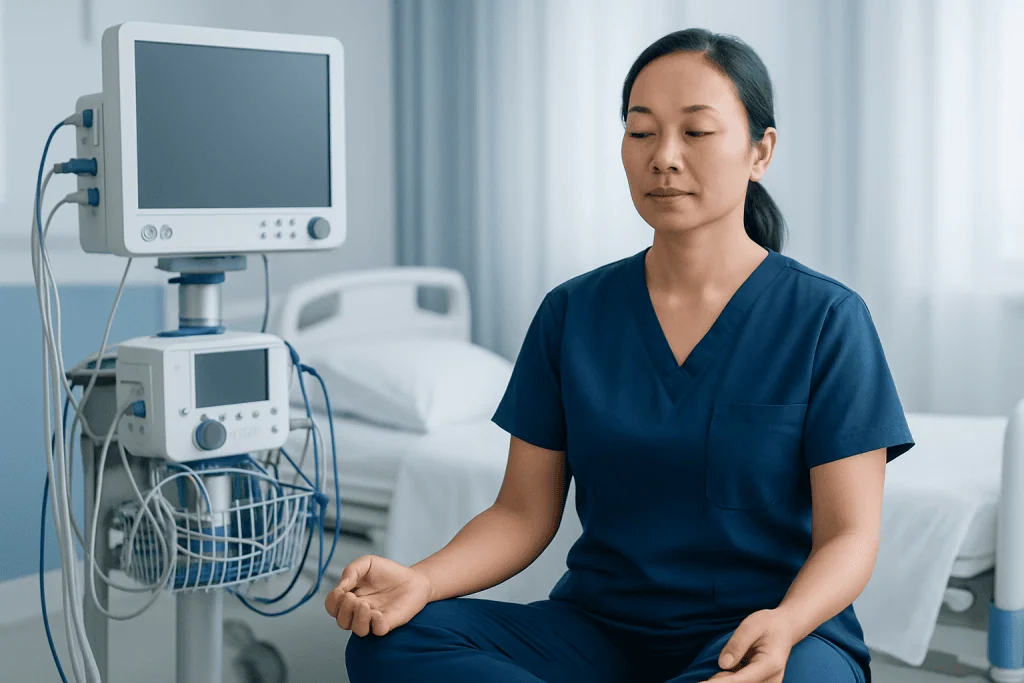
The most effective beginner plan is usually small enough to repeat. Many people do well by starting with 3 to 5 minutes once a day for one or two weeks, then increasing gradually if it feels helpful. Consistency tends to matter more than session length, especially early on.
A quiet room can help, but perfect conditions are not required. Sitting in a chair with both feet on the floor, resting on a cushion, or even standing still can all work. The key is a stable, comfortable posture that allows natural breathing without strain.
One practical framework is:
- Pick a regular time, such as after waking or before bed.
- Set a short timer.
- Choose one focus point, such as the breath or body sensations.
- When the mind wanders, gently bring attention back.
- End without judging the session as good or bad.
This approach may sound basic, but it reflects what many studies and clinical programs use: repetition, attention training, and a nonjudgmental attitude. For people who want more structure, guided audio sessions can make the early stages easier.
A simple step-by-step method for daily meditation

A straightforward breath-based practice is often the easiest answer to the question of how to meditate daily. First, sit comfortably and set a timer for a few minutes. Then notice the feeling of breathing at the nose, chest, or abdomen without trying to control it.
Thoughts will come and go. That is normal, not a sign of failure. Each time attention drifts to plans, memories, sounds, or worries, the task is simply to notice it and return attention to the breath.
At the end of the session, take a moment to observe how the body feels. Some people prefer to finish by setting a simple intention for the day, such as patience, focus, or steadiness. Over time, this can help connect meditation with everyday behavior rather than keeping it separate from the rest of life.
Other techniques may also suit daily use, including body scan, loving-kindness meditation, mindful walking, and guided mindfulness. If sitting still feels difficult, a moving practice such as slow walking can be a reasonable alternative, especially for restless beginners.
Why daily meditation works for some people
Meditation is often described as attention training. Instead of eliminating thoughts, it helps a person notice where the mind goes and come back to the present. Repeating this process may strengthen skills related to awareness, emotional regulation, and response to stress.
Research on mindfulness and related practices suggests small to moderate benefits for stress, anxiety symptoms, mood, and quality of life in some groups. It may also support healthy routines when paired with sleep hygiene, physical activity, and balanced nutrition. This is why meditation is commonly included in broader self-care plans rather than used alone.
Daily practice may be more useful than occasional long sessions because it builds familiarity. A short session done regularly can become part of the nervous system’s learned pattern for pausing and resetting. For people living with ongoing stress, that regularity may be more practical than aiming for rare, ideal conditions.
At the same time, meditation is not the right tool for every moment. Someone with severe insomnia, depression, trauma-related symptoms, or significant anxiety may need a broader evaluation and treatment plan. In some cases, meditation works best when combined with professional support for depression or other mental health concerns.
Common obstacles and how to handle them
Many beginners think meditation should feel peaceful from the start. In reality, early sessions may feel busy, boring, awkward, or emotionally uncomfortable. Noticing this without stopping immediately can be part of the practice, as long as the discomfort stays mild and manageable.
Common obstacles include sleepiness, restlessness, frustration, self-criticism, and forgetting to practice. Often, small adjustments help: meditate earlier in the day if nighttime leads to drowsiness, keep sessions shorter if agitation builds, or use guided sessions if the mind feels scattered.
Practical strategies include:
- Attach meditation to an existing habit, such as brushing teeth.
- Keep the first goal very small, even 2 minutes.
- Use reminders on a phone or calendar.
- Track consistency rather than quality.
- Try gentle movement or walking meditation if sitting feels too intense.
If meditation repeatedly brings up distressing memories, intense fear, or a sense of disconnection from the body or surroundings, it is wise to pause and seek advice. In some people, especially those with trauma or high baseline anxiety, a clinician may recommend adapting the technique or using supportive care such as psychiatric evaluation or therapy.
How to make meditation a sustainable habit
Building a daily meditation routine is often more about behavior design than motivation. People are more likely to continue when the practice is easy to begin, linked to a predictable cue, and not judged too harshly. Missing a day is common and does not mean the habit has failed.
One useful strategy is to define the minimum version of the practice. For example, on busy days the goal may be one minute of mindful breathing rather than skipping altogether. This keeps the routine active and lowers the pressure that often leads people to quit.
Environment can also matter. Leaving a chair, cushion, or headphones in a consistent place may act as a visual reminder. Some people find that combining meditation with another health routine, such as stretching, journaling, or a sleep wind-down, increases long-term adherence.
If stress, low mood, or poor sleep are major reasons for starting meditation, it can help to address those issues broadly. A clinician may recommend mindfulness alongside care for anxiety, lifestyle measures, counseling, or, when needed, structured support through psychological counseling.
When to seek medical care
For many people, occasional restlessness or emotional discomfort during meditation is temporary and manageable. Medical advice becomes more important when symptoms are strong, persistent, or interfere with daily life. Examples include panic attacks, worsening depression, severe insomnia, distressing flashbacks, dissociation, or thoughts of self-harm.
A doctor will usually begin by asking what type of meditation is being practiced, how often it happens, and what symptoms appear during or after sessions. They may also review sleep patterns, stress, past trauma, mental health history, medications, caffeine or substance use, and physical symptoms that could mimic anxiety or agitation.
Depending on the situation, assessment may include screening for anxiety disorders, mood disorders, sleep problems, or other conditions that affect concentration and emotional regulation. Sometimes the main issue is not meditation itself but an underlying condition that becomes more noticeable during quiet attention. In those cases, treatment might focus on the underlying problem, including support through neurological evaluation if symptoms such as persistent dizziness, unusual sensory experiences, or headaches suggest a different medical cause.
Near the end of the care pathway, some people may benefit from a multidisciplinary approach that combines medical assessment with mental health support and lifestyle guidance. Acibadem International’s multidisciplinary specialists in JCI-accredited hospitals diagnose and treat related conditions for international patients when further evaluation is needed.
Frequently asked questions
How long should someone meditate each day?
For many beginners, 3 to 10 minutes a day is a reasonable starting point. A short practice done regularly is usually more sustainable than long sessions done occasionally. Over time, the duration can be adjusted based on comfort and goals.
Is it better to meditate in the morning or at night?
The best time is usually the one a person can repeat most consistently. Morning practice may help set the tone for the day, while evening practice may fit well into a wind-down routine. If meditation causes sleepiness or alertness at the wrong time, changing the schedule may help.
What if the mind keeps wandering during meditation?
Mind wandering is expected and happens to everyone. The practice is not to stop thoughts completely but to notice distraction and gently return attention to the chosen focus. That repeated return is part of the skill being developed.
Can meditation help with anxiety?
Meditation may help some people manage mild to moderate anxiety symptoms and stress. However, it does not replace professional care when anxiety is severe, persistent, or disabling. If meditation worsens anxiety or triggers panic, medical advice is appropriate.
Do guided meditations count as real meditation?
Yes, guided meditations are a valid and often helpful way to begin. They can provide structure, pacing, and reassurance for people who are new to the practice. Some people continue using them long term, while others later switch to silent practice.
Can meditation ever make someone feel worse?
Yes, some people may feel more restless, emotional, or uncomfortable, especially at the start. Usually this is mild and short-lived, but severe distress, traumatic memories, dissociation, or worsening mood should not be ignored. In those situations, stopping the practice and seeking professional advice is sensible.
References
- National Center for Complementary and Integrative Health
- National Institutes of Health
- American Psychiatric Association
- World Health Organization
This article is for general information only and is not a substitute for professional medical advice. Please consult a qualified doctor about your individual situation.
Explore treatments in Turkey — costs, top hospitals & a free quote
JCI-accredited · board-certified surgeons · reply within 24h
Add us as a Preferred Source to see more of our trusted health content across Google Search, AI Overviews and Discover.