

Sign and Symptoms of Cancer of the Breast: Possible Causes and When to Seek Care

A new lump in the breast or armpit is a common warning sign, but breast cancer can also appear without a noticeable lump. Skin dimpling, redness, thickening, nipple inversion, or bloody discharge can also be important symptoms.
Key Takeaways
- A new lump in the breast or armpit is a common warning sign, but breast cancer can also appear without a noticeable lump.
- Skin dimpling, redness, thickening, nipple inversion, or bloody discharge can also be important symptoms.
- Many breast symptoms are caused by benign conditions, so changes need evaluation rather than self-diagnosis.
- Diagnosis usually involves a clinical breast exam, imaging such as mammography or ultrasound, and sometimes a biopsy.
- Prompt medical review is especially important for changes that are new, one-sided, persistent, or worsening.
The sign and symptoms of cancer of the breast can include a new breast or underarm lump, changes in breast shape, skin dimpling, nipple inversion, or unusual nipple discharge. Many breast changes are not cancer, but any new or persistent change should be assessed by a qualified doctor to find the cause and start treatment early if needed.
Overview
The sign and symptoms of cancer of the breast most often include a new lump, thickening in the breast or underarm, changes in breast shape, skin dimpling, nipple changes, or unusual discharge. Some people notice only a subtle difference, such as one breast feeling firmer than before or a small area of skin that looks pulled inward.
It is important to remember that not every breast change means cancer. Hormonal changes, cysts, infections, and other benign breast conditions can cause similar symptoms. Even so, a new or unexplained change should not be ignored, because breast cancer is easier to treat when found earlier.
Symptoms can vary from person to person. Some breast cancers are found during screening before they cause any symptoms at all, while others are first noticed because of a visible or physical change. Understanding what to look for can help a person seek care promptly and with less uncertainty.
Common signs and symptoms to watch for
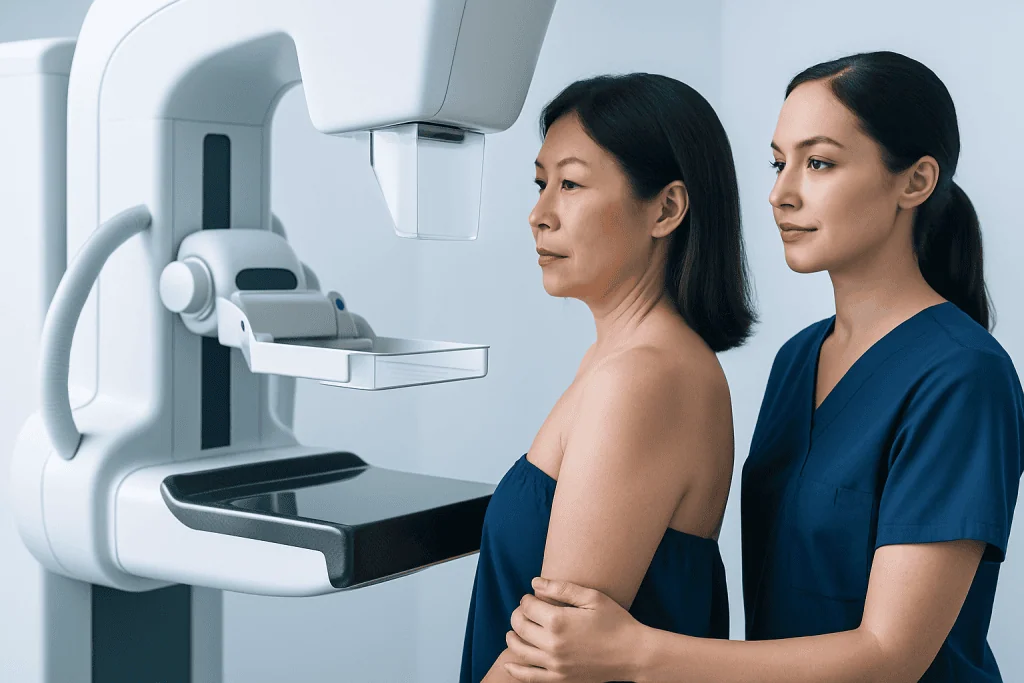
A breast lump is one of the best-known signs, but it is not the only one. A concerning lump is often new, feels different from surrounding tissue, and may be firm or fixed, although some cancerous lumps can be soft or tender. Swelling or a lump in the armpit can also happen if lymph nodes are involved.
Changes in the skin or nipple may also be early clues. The skin over the breast may look dimpled, puckered, thickened, red, or inflamed. The nipple may turn inward when it did not before, develop scaling or crusting, or produce discharge, especially if the discharge is bloody or happens without squeezing.
Breast pain is less commonly the main sign of cancer, but it can occur. Persistent pain in one area, especially when it comes with another change, deserves medical attention. Some people also notice one breast becoming larger, changing shape, or feeling heavier than usual.
- New lump or thickened area in the breast
- Lump or swelling in the underarm
- Change in breast size, shape, or contour
- Skin dimpling, puckering, redness, or thickening
- Nipple inversion, crusting, or rash
- Spontaneous nipple discharge, especially bloody discharge
- Persistent, localized breast pain or tenderness
Possible causes and risk factors

Breast cancer develops when cells in the breast grow abnormally and form a tumor. The exact reason this starts is not always clear. It usually involves a combination of genetic changes, hormone exposure, age-related risk, and environmental or lifestyle influences rather than a single cause.
Risk increases with age, a personal or family history of breast or ovarian cancer, certain inherited gene changes such as BRCA1 or BRCA2, dense breast tissue, prior chest radiation, and long-term exposure to estrogen. Lifestyle factors such as alcohol use, obesity after menopause, and low physical activity may also contribute to risk, although having risk factors does not mean a person will definitely develop cancer.
At the same time, many breast symptoms are due to non-cancerous conditions. Cysts, fibroadenomas, mastitis, duct ectasia, hormonal breast tenderness, and skin conditions can all cause lumps, pain, redness, or nipple discharge. Because symptoms can overlap, a proper medical assessment is the safest way to tell the difference between benign changes and breast cancer.
How doctors evaluate breast changes
Evaluation usually begins with a medical history and clinical breast exam. The doctor will ask when the change began, whether it changes with the menstrual cycle, whether there is pain or discharge, and whether there is any family history of breast or ovarian cancer. They will also examine both breasts and the lymph nodes under the arms and near the collarbone.
Imaging tests are commonly used to learn more about the change. Depending on age, symptoms, and clinical findings, this may include mammography and breast ultrasound. In some cases, additional imaging such as breast MRI may be recommended, especially when findings are unclear or a person has a higher inherited risk.
If imaging shows a suspicious area, a biopsy is usually needed to confirm whether cancer is present. A biopsy removes a small tissue sample for laboratory analysis. This step is important because only a tissue diagnosis can reliably distinguish cancer from benign breast conditions.
Treatment options if breast cancer is diagnosed
Treatment depends on the type of breast cancer, its stage, hormone receptor status, HER2 status, and the person’s overall health and preferences. Doctors typically create an individualized plan after reviewing imaging, biopsy results, and sometimes additional scans or blood tests.
Common treatments include surgery, radiation therapy, chemotherapy, hormone therapy, targeted therapy, or a combination of these. Some people may have breast-conserving surgery, while others may need mastectomy. In selected cases, treatment is given before surgery to shrink the tumor.
Supportive care is also an important part of treatment. This may include symptom management, emotional support, nutritional guidance, and rehabilitation after surgery. For people exploring care pathways, options such as breast cancer treatment and medical oncology are often discussed as part of a coordinated plan.
Prevention, screening, and self-awareness
No method can prevent all cases of breast cancer, but some steps may help reduce risk and improve early detection. Maintaining a healthy weight, staying physically active, limiting alcohol, and discussing personal risk factors with a doctor are sensible preventive measures. People with a strong family history may benefit from formal risk assessment and genetic counseling.
Screening is different from checking symptoms. Screening mammography aims to find cancer before symptoms appear, which can improve treatment options. The best screening schedule varies by age, breast density, family history, and national guidance, so it is worth reviewing an individual plan with a healthcare professional.
Breast self-awareness can also be useful. Rather than following a rigid technique, many experts encourage people to become familiar with how their breasts normally look and feel, so that a new change is easier to notice. Self-awareness does not replace screening or a medical evaluation, but it can support timely attention to symptoms.
When to seek medical care
Medical care should be sought promptly for any new breast lump, a lump in the armpit, bloody nipple discharge, unexplained nipple inversion, or skin changes such as dimpling, redness, or thickening. A doctor should also assess persistent one-sided breast pain or a change in size or shape that does not go away.
Urgent assessment is especially important if symptoms are worsening, involve only one breast, or are accompanied by swelling, warmth, or a rapidly changing appearance. People who are pregnant, breastfeeding, or younger can still develop significant breast conditions, so symptoms should not be dismissed based on age alone.
If cancer is suspected or confirmed, specialist evaluation helps guide the next steps clearly and efficiently. Near the end of the care pathway, patients may benefit from centers with coordinated imaging, pathology, surgery, and oncology services. Acibadem International’s multidisciplinary specialists and JCI-accredited hospitals diagnose and treat breast conditions for international patients.
Frequently asked questions
What are the first sign and symptoms of cancer of the breast?
The earliest signs can include a new breast lump, thickening in the breast or armpit, nipple changes, or skin dimpling. Some people have no symptoms and the cancer is found on screening mammography.
Can breast cancer cause pain?
Yes, breast cancer can sometimes cause pain, but pain alone is more often linked to benign breast conditions. Persistent pain in one area, especially with a lump or visible change, should be checked by a doctor.
Is every breast lump cancer?
No, many breast lumps are non-cancerous and may be caused by cysts, fibroadenomas, or hormonal changes. Even so, any new or unusual lump needs professional evaluation to determine the cause.
What kind of nipple discharge is concerning?
Discharge is more concerning when it happens on its own, comes from one breast, or is bloody or clear rather than milky. A doctor can assess whether the cause is benign or needs further testing.
How is breast cancer confirmed?
Doctors usually start with a clinical exam and imaging such as mammography or ultrasound. If an area looks suspicious, a biopsy is needed to confirm whether cancer cells are present.
Should younger people worry about breast cancer symptoms?
Breast cancer is more common with increasing age, but younger people can still develop breast cancer or other important breast conditions. Any persistent or unusual breast change should be assessed regardless of age.
References
- World Health Organization
- American Cancer Society
- National Cancer Institute
- Centers for Disease Control and Prevention
- National Comprehensive Cancer Network
This article is for general information only and is not a substitute for professional medical advice. Please consult a qualified doctor about your individual situation.
Oncology care in Turkey — second opinion and treatment plan
JCI-accredited · board-certified surgeons · reply within 24h
Add us as a Preferred Source to see more of our trusted health content across Google Search, AI Overviews and Discover.

More from the Health Library



Related Specialists

Prof. Dr. Çiğdem Kalaycık Ertuğay
Otorhinolaryngology
Dr. İlker Özmen
Internal Medicine
Prof. Dr. A. Çağrı Büke
Infectious Diseases & Clinical Microbiology
Prof. Dr. Vahit Emre Özden
Orthopedic Surgery & Traumatology