Understanding Types of Therapy: A Complete Patient Guide

Types of therapy include mental health, rehabilitation, communication, and medical support approaches. Different therapies are chosen based on symptoms, diagnosis, age, function, and personal goals.
Key Takeaways
- Types of therapy include mental health, rehabilitation, communication, and medical support approaches.
- Different therapies are chosen based on symptoms, diagnosis, age, function, and personal goals.
- Many people benefit from a combined plan, such as medication plus psychotherapy or physical therapy after surgery.
- Progress often takes time, regular attendance, and active participation between sessions.
- A qualified clinician can help match the most appropriate therapy to the person’s needs.
Types of therapy refers to the different treatment approaches used to support mental, physical, behavioral, and communication health. The right therapy depends on a person’s symptoms, diagnosis, goals, and how treatment is expected to improve daily life.
Overview: what are the main types of therapy?
Types of therapy are the different structured treatments used to improve health, function, coping, and quality of life. In everyday use, the term may refer to mental health counseling, rehabilitation after injury, speech and language support, or other clinician-guided treatments. The best option depends on the problem being treated, such as anxiety, chronic pain, mobility limits, communication difficulty, or recovery after illness.
Broadly, therapy can be grouped into psychological therapies, physical and rehabilitation therapies, communication therapies, and supportive medical therapies. Some are designed to change thoughts and behaviors, some restore strength or movement, and others help people speak, swallow, or manage daily tasks more safely. A person may use one kind of therapy or several together.
Therapy is not one-size-fits-all. Two people with the same diagnosis may need different approaches depending on symptom severity, age, lifestyle, medical history, and treatment goals. For example, one person with back pain may mainly need exercise-based rehabilitation, while another may benefit from rehabilitation plus pain management and emotional support.
Mental health therapy types
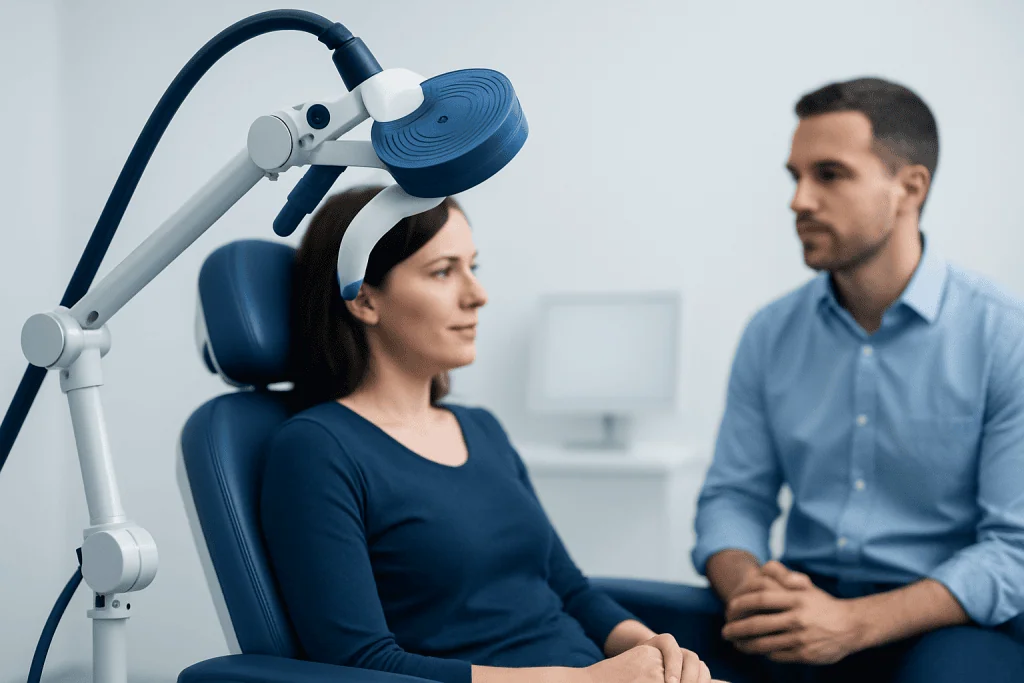
Mental health therapies, often called psychotherapy or talk therapy, help people understand thoughts, emotions, and behaviors. These approaches are commonly used for anxiety, depression, trauma-related symptoms, stress, sleep problems, grief, and relationship difficulties. Sessions may be individual, couple-based, family-based, or in a group setting.
Common psychotherapy types include cognitive behavioral therapy, which helps people identify and change unhelpful thought patterns; interpersonal therapy, which focuses on relationships and life changes; psychodynamic therapy, which explores deeper emotional patterns; and supportive therapy, which strengthens coping and resilience. Other approaches may include mindfulness-based therapies, exposure-based therapy for fears, and dialectical behavior therapy for emotion regulation.
Not everyone needs the same method. Some people benefit most from practical skills and short-term goals, while others need a longer process to work through recurring patterns or past experiences. When symptoms are more severe, therapy may be combined with medical treatment, including evaluation by specialists in depression or anxiety disorders when available and appropriate.
- Individual therapy: one-to-one support with a therapist
- Group therapy: guided sessions with people facing similar concerns
- Family or couples therapy: focuses on communication and relationships
- Trauma-focused therapy: tailored for distress after traumatic experiences
Physical, occupational, and rehabilitation therapies

Rehabilitation therapies aim to restore or improve movement, independence, and day-to-day function. These approaches are often recommended after injury, surgery, stroke, nerve disorders, chronic pain conditions, or long periods of reduced activity. They can also help people manage ongoing conditions safely and confidently.
Physical therapy focuses on movement, strength, flexibility, balance, posture, and pain reduction. Treatment may include guided exercises, stretching, gait training, education, and hands-on techniques. It is often part of recovery after orthopedic injuries, spine problems, or neurological events, and may be arranged through physical therapy and rehabilitation.
Occupational therapy is different from physical therapy, although the two often work together. Occupational therapy helps people perform everyday tasks such as dressing, bathing, cooking, working, or using adaptive equipment. It is especially useful when illness or injury affects coordination, energy, hand function, attention, or safety at home. In some cases, coordinated rehabilitation may also support recovery after stroke.
Speech, language, and other specialized therapies
Speech and language therapy supports people who have difficulty with speech sounds, language understanding, voice, fluency, or swallowing. Children may need therapy for developmental language concerns, while adults may need it after stroke, brain injury, neurological disease, or head and neck treatment. Therapy plans are individualized and may involve exercises, communication strategies, and caregiver education.
Other specialized therapies may address specific needs. Respiratory therapy can support breathing and airway care in certain lung or critical care conditions. Nutritional therapy may help people with dietary-related medical needs, digestive disorders, or recovery from illness. Behavioral therapy can help children and adults build routines, reduce disruptive behaviors, and improve coping in home or school settings.
Creative and adjunctive approaches, such as art therapy, music therapy, or relaxation-based therapy, may also play a role in supportive care. These are usually used alongside standard medical or psychological treatment rather than as a replacement. The goal is to improve emotional expression, stress management, participation, and overall well-being.
How doctors decide which therapy is right
Choosing among types of therapy starts with a clear assessment. A clinician reviews symptoms, medical history, mental health history, medications, daily function, family context, and personal goals. In many cases, a diagnosis is needed before therapy begins; in others, therapy may start while the diagnostic process is still underway.
Several factors affect treatment choice: the main problem, how long symptoms have been present, severity, age, communication ability, motivation, and whether there are other medical conditions. For example, chronic knee pain may call for rehabilitation, while panic symptoms may respond better to psychotherapy and medical review. Some situations need a multidisciplinary plan involving more than one specialist.
Therapy selection also depends on practicality. Frequency of sessions, home exercises, transportation, caregiver support, and the person’s comfort with a treatment style all matter. A good therapy plan should be realistic, measurable, and reviewed regularly so it can be adjusted if progress is limited or goals change.
When symptoms affect more than one area of health, combined treatment is often the most effective. A person recovering from surgery may need pain management and rehabilitation. Someone with a neurological condition may need medical treatment together with neurological rehabilitation or communication support, depending on function and symptoms.
What to expect from therapy and how progress is measured
Therapy usually begins with an evaluation, followed by a personalized treatment plan. The first sessions often focus on understanding the problem, setting goals, and explaining how the therapy works. In rehabilitation settings, clinicians may measure strength, balance, mobility, or daily function. In mental health care, they may track symptoms, sleep, stress, coping, and quality of life.
Progress is often gradual rather than immediate. Some people feel better after a few sessions, while others need longer treatment to notice meaningful change. This does not mean therapy is failing. Improvement may appear first as better coping, less symptom intensity, more confidence, or better participation in everyday activities before the main problem fully improves.
Active participation matters. Home exercises, practice between sessions, keeping follow-up appointments, and giving honest feedback can all affect results. If a therapy does not seem helpful, the clinician may change the approach, revise goals, or recommend an additional assessment.
- Ask what the therapy is intended to improve
- Discuss how long treatment may take
- Learn what can be practiced at home
- Report side effects, discomfort, or emotional distress promptly
Self-care, support, and common misconceptions
Therapy works best when it is supported by healthy daily habits. Good sleep, balanced nutrition, regular movement within safe limits, stress management, and social support can all improve treatment response. In mental health therapy, journaling, routine building, and practicing coping skills between visits may be helpful. In rehabilitation, pacing activity and following exercise instructions are often important.
A common misconception is that therapy is only for severe illness. In reality, many people use therapy for mild to moderate concerns, early recovery, prevention of decline, or support during major life changes. Another misunderstanding is that one therapy type is always better than another. The most effective therapy is usually the one that matches the person’s diagnosis, needs, and readiness to participate.
It is also important to know that therapy is not a sign of weakness or failure. Seeking treatment can be a practical step toward recovery, independence, and symptom control. Near the end of the care pathway, some people choose evaluation in larger centers where multidisciplinary specialists can coordinate diagnosis and treatment. Acibadem International’s JCI-accredited hospitals provide care for international patients in areas that may include psychiatry and rehabilitation services when appropriate.
When to seek medical care
A person should seek medical advice if symptoms are persistent, worsening, or interfering with daily life, work, school, sleep, relationships, mobility, or communication. Professional assessment is especially important when there is unexplained pain, sudden loss of function, major mood changes, repeated falls, memory problems, or difficulty speaking or swallowing.
Urgent medical care is needed for warning signs such as suicidal thoughts, self-harm risk, chest pain, sudden weakness, confusion, seizure, severe shortness of breath, or sudden trouble speaking. These symptoms should not be managed with self-help alone. Emergency services or immediate evaluation may be necessary.
Even when symptoms are not urgent, early assessment can help identify the most suitable therapy and prevent avoidable complications. A primary care doctor, psychiatrist, neurologist, rehabilitation specialist, psychologist, speech therapist, or physical therapist may all play a role depending on the concern.
Frequently asked questions
What are the main types of therapy?
The main types of therapy include psychotherapy for mental and emotional health, physical therapy for movement and pain, occupational therapy for daily activities, and speech-language therapy for communication or swallowing. Other specialized therapies may be recommended depending on a person’s condition and goals.
How do I know which therapy I need?
The right therapy depends on symptoms, diagnosis, medical history, and how the problem affects daily life. A qualified clinician can assess these factors and recommend one therapy or a combination of treatments.
Can different therapies be used together?
Yes. Many people benefit from a combined approach, such as psychotherapy with medication, or physical therapy alongside pain management and occupational therapy. Combined plans are common when symptoms affect more than one area of health.
How long does therapy usually take?
There is no single timeline. Some therapies are short-term and goal-focused, while others continue for weeks or months depending on recovery, symptom severity, and progress over time.
Is therapy only for serious conditions?
No. Therapy can help with mild, moderate, or severe concerns, and it may also be used early to prevent symptoms from becoming more disruptive. People often use therapy to improve coping, function, and quality of life.
What if therapy does not seem to be helping?
It is important to discuss concerns with the treating clinician rather than stopping without guidance. The plan may need more time, a different method, a new therapist, or further medical assessment to understand why progress is limited.
References
- World Health Organization
- National Institute of Mental Health
- American Psychological Association
- National Institute of Neurological Disorders and Stroke
- American Physical Therapy Association
This article is for general information only and is not a substitute for professional medical advice. Please consult a qualified doctor about your individual situation.
Explore treatments in Turkey — costs, top hospitals & a free quote
JCI-accredited · board-certified surgeons · reply within 24h
Add us as a Preferred Source to see more of our trusted health content across Google Search, AI Overviews and Discover.