Immune System: A Complete Medical Overview

The immune system includes cells, organs, and proteins that protect the body from infections and help repair damage. It has two main parts: innate immunity for rapid defense and adaptive immunity for targeted, long-term protection.
Key Takeaways
- The immune system includes cells, organs, and proteins that protect the body from infections and help repair damage.
- It has two main parts: innate immunity for rapid defense and adaptive immunity for targeted, long-term protection.
- Immune function can become too weak, too active, or misdirected, leading to infections, allergies, or autoimmune disease.
- Good sleep, balanced nutrition, vaccination, stress management, and regular exercise help support immune health.
- Repeated infections, slow wound healing, unexplained fevers, or severe inflammation may need medical evaluation.
The immune system is the body’s defense network against infections, harmful substances, and abnormal cells. It works through a coordinated response involving white blood cells, organs, proteins, and tissues, and it can be affected by age, lifestyle, medical conditions, and certain treatments.
Overview: What the Immune System Does
The immune system is the body’s built-in protection system. It helps recognize and respond to bacteria, viruses, fungi, parasites, toxins, and abnormal cells, while also supporting healing after injury or illness. In simple terms, it works by detecting what belongs in the body and what may be harmful, then organizing a defense.
This system is not a single organ. It is a network that includes white blood cells, antibodies, the bone marrow, lymph nodes, spleen, thymus, skin, mucous membranes, and many chemical messengers. These parts constantly communicate with one another to decide when a threat is present and how strong a response is needed.
A healthy immune response is balanced. If the immune system is too weak, the body may struggle to fight infections. If it becomes too active or attacks the body’s own tissues, it may contribute to allergies, inflammation, or autoimmune disease. Understanding this balance is often more helpful than thinking in terms of simply “boosting” immunity.
How the Immune System Works
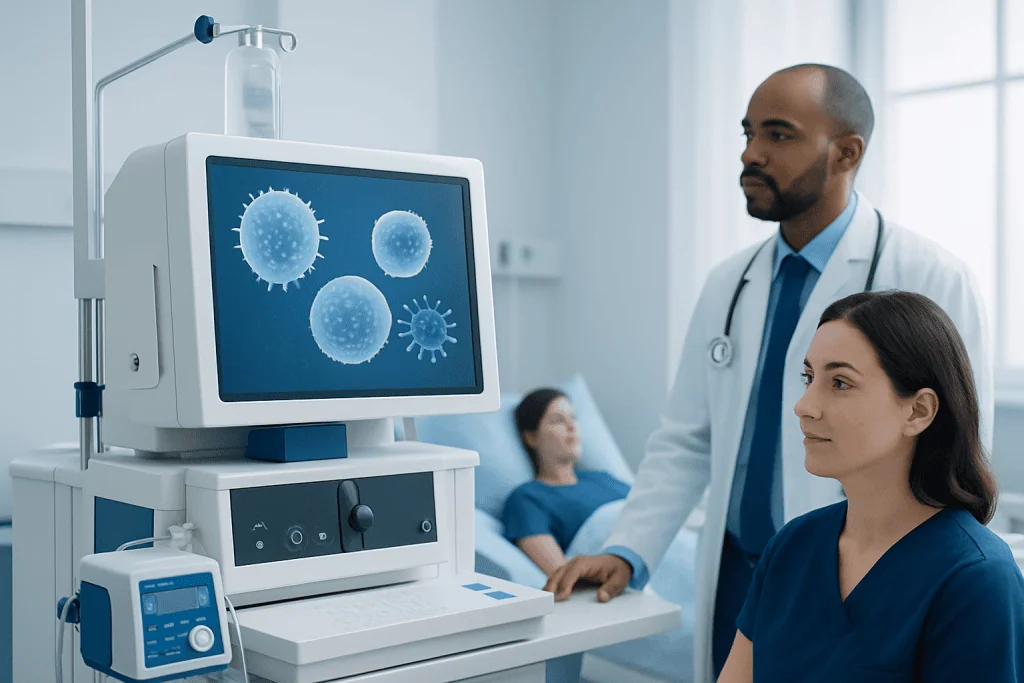
The immune system has two closely connected branches: innate immunity and adaptive immunity. Innate immunity is the body’s first line of defense. It reacts quickly using barriers such as the skin and the lining of the nose, lungs, and digestive tract, along with immune cells that attack common threats soon after they enter the body.
Adaptive immunity is more specialized. It learns from past exposure and creates a targeted response to specific germs. This is where B cells make antibodies and T cells help coordinate defense or directly attack infected cells. Because adaptive immunity can remember previous threats, it is the reason vaccines help protect against future infection.
Inflammation is also part of normal immune function. When tissues are injured or infected, the immune system increases blood flow and sends protective cells to the area. This can cause redness, warmth, swelling, or pain, which are common signs that the body is responding. When properly regulated, inflammation helps healing, but ongoing inflammation may damage healthy tissue.
- Skin and mucous membranes help block germs from entering the body.
- White blood cells identify and attack harmful invaders.
- Antibodies bind to specific germs to help neutralize them.
- Lymphatic tissues filter fluid and support immune cell activity.
- Immune memory helps the body respond faster the next time.
Main Parts of the Immune System
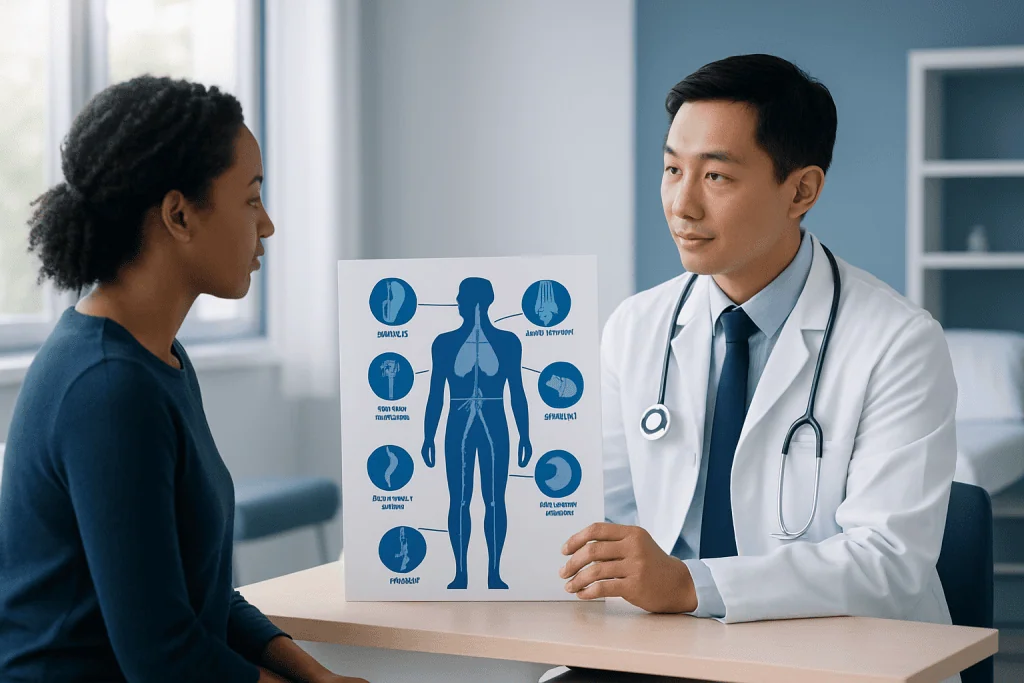
Several organs and tissues play essential roles in immunity. Bone marrow produces many blood cells, including immune cells. The thymus helps certain T cells mature, especially earlier in life. The spleen filters blood and helps respond to infections. Lymph nodes act like checkpoints where immune cells gather and react to threats carried in lymph fluid.
The skin is often overlooked, but it is a major immune barrier. It physically blocks many microbes and works with natural oils and beneficial microorganisms on the skin surface. The nose, throat, lungs, and intestines also contain immune defenses because these areas are common entry points for germs.
The gut has a particularly close relationship with immune health. A large amount of immune activity takes place in the digestive system, where the body must distinguish between harmful organisms and harmless food particles or helpful bacteria. This is one reason a balanced diet and overall digestive health can support normal immune function.
What Can Affect Immune Health
Immune function changes throughout life. Newborns and young children are still developing immune memory, which is why childhood vaccinations are important. In older adults, the immune response may become slower or less effective, increasing the risk of infection and reducing the body’s response to some vaccines.
Many everyday factors also influence immune health. Poor sleep, ongoing stress, smoking, heavy alcohol use, limited physical activity, and poor nutrition can affect how well immune cells work. Chronic medical conditions such as diabetes, kidney disease, liver disease, and some cancers may also reduce the body’s defenses.
Medicines can play a major role. Corticosteroids, chemotherapy, some biologic drugs, and medicines used after organ transplant may suppress the immune response on purpose to treat disease or prevent rejection. People receiving these treatments may need closer medical follow-up. In some situations, specialists may evaluate related problems such as immunodeficiency or inflammatory conditions linked to the body’s defense system.
It is also important to know that no food, supplement, or habit can make the immune system perfect. The goal is not to overstimulate immunity, but to support normal, well-regulated function through healthy routines and appropriate medical care.
Immune System Disorders and Common Problems
Immune-related problems generally fall into a few broad groups. In immunodeficiency, the immune system is weakened and cannot respond effectively, leading to more frequent, severe, or unusual infections. This may be present from birth or develop later because of illness, malnutrition, or medications.
Autoimmune disease happens when the immune system mistakenly attacks the body’s own tissues. Depending on the condition, this may affect joints, skin, nerves, blood vessels, the digestive tract, or endocrine organs. Examples include rheumatoid arthritis, lupus, and autoimmune thyroid disease. Some patients may need coordinated care for conditions such as multiple sclerosis, where immune activity affects the nervous system.
Allergies are another form of immune overreaction. In these cases, the immune system responds to substances that are usually harmless, such as pollen, dust mites, foods, or animal dander. The symptoms may involve sneezing, itching, rash, swelling, or breathing difficulty. Asthma can also have an immune and inflammatory component.
Doctors may investigate persistent or severe immune-related symptoms using blood tests, imaging, and other targeted evaluations. Depending on the suspected problem, care may involve specialists in infectious diseases, allergy, rheumatology, hematology, neurology, or internal medicine.
How Doctors Evaluate the Immune System
Evaluation begins with a detailed medical history. A doctor will usually ask about repeated infections, fevers, weight loss, rashes, swollen glands, allergies, medication use, recent travel, chronic illness, and family history. The pattern matters. For example, frequent mild colds are common, but repeated pneumonia, unusual infections, or poor recovery may need closer assessment.
A physical examination may look for signs such as enlarged lymph nodes, skin changes, oral ulcers, joint swelling, chest findings, or abdominal tenderness. Blood tests can help measure white blood cells, inflammation markers, antibody levels, organ function, and signs of infection or autoimmunity. In some cases, more specific immune testing is needed.
Additional studies depend on symptoms. Imaging may be used when doctors suspect infection, inflammation, or organ involvement. If a condition affects the bone marrow or blood cells, further hematologic testing may be recommended. Some people with complex immune disorders need a multidisciplinary plan that may include bone marrow transplantation or other advanced therapies in selected cases.
Treatment, Prevention, and Everyday Self-Care
Treatment depends on the underlying problem. Infections may require antiviral, antibacterial, antifungal, or antiparasitic treatment. Autoimmune and inflammatory diseases may be managed with anti-inflammatory medicines, immune-modulating drugs, or other targeted therapies. Some allergic conditions are treated with trigger avoidance, medicines, or supervised immunotherapy. When immunity is severely impaired, careful infection prevention becomes especially important.
Vaccination is one of the most effective ways to support immune protection. Vaccines train adaptive immunity to recognize specific threats before natural exposure occurs. A person’s age, medical conditions, pregnancy status, travel plans, and treatment history help determine which vaccines are appropriate. A doctor can advise whether timing should be adjusted for people receiving chemotherapy, steroids, or other immune-suppressing treatment such as chemotherapy.
Daily habits also matter. Helpful steps include getting enough sleep, eating a varied diet rich in fruits, vegetables, legumes, whole grains, and protein, staying physically active, avoiding smoking, limiting alcohol, managing stress, and keeping chronic conditions under good control. Hand hygiene and appropriate food safety are practical ways to lower infection risk.
At the same time, it is wise to be careful with unsupported claims about “immune boosters.” Supplements, herbal products, and detox programs are not always harmless, and some may interact with medicines or affect the liver, kidneys, or blood clotting. It is safest to discuss supplements with a qualified healthcare professional before use.
When to Seek Medical Care
Medical advice is important if a person has infections that are frequent, severe, unusually long-lasting, or difficult to treat. Other signs that deserve attention include unexplained fever, ongoing fatigue, swollen lymph nodes, repeated mouth ulcers, slow wound healing, unexplained weight loss, or inflammatory symptoms such as persistent joint swelling, rash, or abdominal pain.
Urgent medical care is needed for breathing difficulty, high fever with confusion, signs of severe dehydration, chest pain, rapidly spreading rash, or any symptoms of a serious allergic reaction, such as swelling of the lips or throat. People with weakened immunity due to cancer treatment, transplant medicines, or known immune disorders should contact their doctor early when infection symptoms begin.
For patients who need specialist assessment, Acibadem International’s multidisciplinary teams in JCI-accredited hospitals evaluate and treat immune-related conditions for international patients, including advanced care when needed such as immunotherapy in selected disease settings.
Frequently asked questions
What is the immune system in simple terms?
The immune system is the body’s defense network. It helps protect against infections and harmful substances while also supporting healing and tissue repair.
Can the immune system be strengthened naturally?
Healthy habits can support normal immune function, but there is no single way to instantly strengthen it. Good sleep, balanced nutrition, regular physical activity, stress control, and vaccination are the most reliable steps.
What are signs of a weak immune system?
Possible signs include frequent infections, infections that are unusually severe or slow to improve, repeated sinus or chest infections, and slow wound healing. These symptoms can have different causes, so a medical evaluation may be needed.
What happens when the immune system is overactive?
An overactive immune system may lead to allergies, chronic inflammation, or autoimmune disease. In these situations, the body reacts too strongly or mistakenly targets its own tissues.
Do vitamins and supplements boost the immune system?
Vitamins and supplements may help if a person has a deficiency, but they do not replace healthy lifestyle measures or medical care. Some products can interact with medicines, so it is best to ask a doctor before starting them.
How do vaccines help the immune system?
Vaccines train the adaptive immune system to recognize a specific germ without causing the full disease. This helps the body respond faster and more effectively if that germ is encountered later.
This article is for general information only and is not a substitute for professional medical advice. Please consult a qualified doctor about your individual situation.
Explore treatments in Turkey — costs, top hospitals & a free quote
JCI-accredited · board-certified surgeons · reply within 24h
Add us as a Preferred Source to see more of our trusted health content across Google Search, AI Overviews and Discover.

More from the Health Library

Stuffy Nose — Explained by Medical Evidence, Not Myths

Masseter Botox: A Complete Medical Overview

Water Kefir: An Evidence-Based Guide for Patients

Crossback Squat: An Evidence-Based Guide for Patients

Life Expectancy After Prostate Removal: A Complete Medical Overview