Feet Swelled for 3 Days After Flying: A Complete Medical Overview

Mild swelling in both feet after a flight is often temporary and related to fluid pooling in the legs. Swelling that persists for 3 days can still be benign, but it should be assessed in the context of symptoms, medical history, and whether one or both legs are affected.
Key Takeaways
- Mild swelling in both feet after a flight is often temporary and related to fluid pooling in the legs.
- Swelling that persists for 3 days can still be benign, but it should be assessed in the context of symptoms, medical history, and whether one or both legs are affected.
- One-sided swelling, calf pain, redness, warmth, chest pain, or breathlessness can suggest a blood clot and need urgent care.
- Simple measures such as walking, calf exercises, leg elevation, hydration, and compression socks may help prevent and reduce swelling.
- People with heart, kidney, liver, vein, or lymphatic problems may be more prone to post-flight swelling.
Feet swelled for 3 days after flying is commonly caused by temporary fluid buildup from sitting still, cabin pressure changes, and dehydration. In many people it settles with movement, elevation, hydration, and time, but swelling that lasts several days deserves attention if it is one-sided, painful, red, warm, or linked to shortness of breath.
Overview: Why feet can stay swollen after a flight
If feet swelled for 3 days after flying, the most common explanation is travel-related edema. This means fluid has collected in the feet and lower legs because blood and lymphatic fluid tend to pool when a person sits still for long periods. Air travel can add other contributing factors, including reduced movement, mild dehydration, and pressure changes that can affect fluid balance.
In many cases, swelling is mild, affects both feet, and gradually improves after walking, elevating the legs, and returning to normal activity. Some people notice tighter shoes, sock marks at the ankles, or puffiness on the top of the feet. This can be uncomfortable, but it is often not dangerous on its own.
However, swelling that lasts for 3 days should not be dismissed automatically. The duration matters less than the overall pattern. Swelling in both feet without pain is more often related to fluid retention or vein issues, while swelling in one leg or foot raises more concern for a circulation problem such as deep vein thrombosis.
Because post-flight swelling can also uncover an underlying medical condition, it is helpful to look at the whole picture: whether swelling is new, whether it has happened before, what other symptoms are present, and whether there are risk factors such as pregnancy, varicose veins, obesity, recent surgery, or a history of clots.
What is normal and what is not
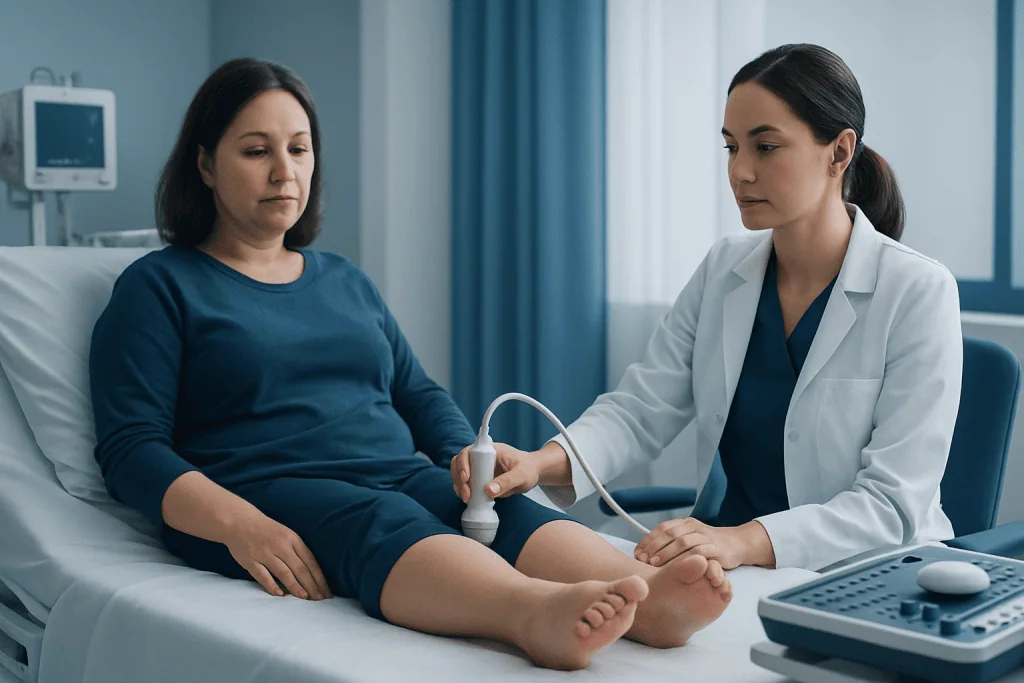
A normal pattern after flying is mild swelling in both feet or ankles that appears the same day or the day after travel and then slowly improves. It may be more noticeable after a long-haul flight or when a person remains seated for much of the day after landing. The skin usually looks normal, and there is little or no pain.
Swelling becomes less typical when it is pronounced, gets worse rather than better, or continues beyond a few days. If a person cannot fit into their usual shoes, has significant tightness of the skin, or sees swelling extending into one calf more than the other, medical advice is sensible. Persistent swelling can sometimes reflect venous insufficiency, lymphedema, medication effects, or an underlying heart, kidney, or liver issue.
Another clue is whether pressure leaves an indentation. This is called pitting edema and can occur with simple fluid retention, but it can also be seen in vein-related or systemic causes of swelling. By contrast, firm swelling with skin thickening may suggest a lymphatic problem rather than ordinary travel swelling.
It is also important to notice associated symptoms. Redness, warmth, calf tenderness, fever, skin discoloration, chest pain, or shortness of breath are not expected features of routine post-flight swelling. These signs point away from simple travel edema and toward a condition that may need prompt medical evaluation.
Common causes and risk factors

The most frequent cause of swollen feet after flying is prolonged immobility. When the calf muscles are not moving, they do not help pump blood efficiently back toward the heart. As pressure builds in the veins of the lower legs, fluid can leak into nearby tissues, causing swelling. This is more likely during long flights, especially when there is little walking or stretching.
Dehydration can also contribute. Airplane cabins are dry, and some travelers drink less water or more alcohol or caffeine than usual. Although dehydration sounds opposite to swelling, it can alter circulation and encourage the body to retain fluid. Tight seating positions, crossed legs, and restrictive clothing around the thighs or calves may make the effect more noticeable.
Some people are more prone to post-flight swelling because of preexisting medical conditions. These include chronic venous insufficiency, varicose veins, lymphedema, obesity, pregnancy, heart failure, kidney disease, and liver disease. Certain medicines, such as some blood pressure drugs, hormones, or anti-inflammatory medications, may also increase fluid retention.
A more serious but less common cause is a blood clot in the deep veins of the leg. Risk rises with recent surgery, cancer, clotting disorders, smoking, estrogen therapy, pregnancy, previous DVT, or a long period of immobility. Because the symptoms can overlap, a person with significant one-sided swelling may need assessment for vein-related disease or clotting problems rather than assuming the flight is the only reason.
Symptoms that deserve closer attention
Most travel-related swelling is more of a nuisance than an emergency, but there are warning signs that should not be ignored. The most important pattern is swelling in one leg or foot, especially if it is new and clearly greater on one side. This can suggest a blocked vein or another local circulation issue.
Other concerning symptoms include calf pain, tenderness when walking, warmth, redness, or skin that looks bluish or unusually pale. Some people describe a heavy, tight feeling in one leg. If there is sudden shortness of breath, chest pain, dizziness, or coughing up blood, urgent medical care is needed because a clot can sometimes travel to the lungs.
Persistent swelling can also matter even without dramatic symptoms. If swelling lasts beyond a few days, keeps returning after flights, or begins happening without travel, a clinician may look for chronic vein problems, lymphatic disorders, thyroid disease, or systemic conditions involving the heart, kidneys, or liver. In some cases, imaging such as Doppler ultrasound helps evaluate blood flow and rule out a clot.
People who are older, pregnant, recovering from surgery, or living with cancer or cardiovascular disease should be more cautious about ongoing swelling after travel. The threshold to contact a healthcare professional is lower in these groups, even when symptoms seem mild.
How doctors evaluate swelling after flying
Medical evaluation begins with the history. A doctor will ask how long the flight was, when the swelling began, whether one or both feet are involved, and whether there is pain, redness, or breathlessness. They will also review medications and any personal history of blood clots, vein disease, heart disease, or kidney problems.
The physical examination usually includes checking both legs for symmetry, skin color, tenderness, temperature, and pitting. The clinician may look for signs of varicose veins, skin changes from chronic venous insufficiency, or swelling that extends above the ankle into the calf. Listening to the heart and lungs can help if a systemic cause is suspected.
If there is concern about a clot, doctors may arrange tests such as a D-dimer blood test in selected situations and imaging with venous Doppler ultrasound. If swelling seems linked to broader health issues, blood and urine tests may be used to assess kidney function, liver function, electrolytes, or heart-related factors. In some cases, a specialist may recommend cardiology evaluation or vascular assessment.
The goal is not only to explain why the feet swelled after flying, but also to separate harmless temporary edema from conditions that need treatment. This is why the pattern of swelling matters as much as the swelling itself.
Treatment and practical relief measures
For uncomplicated post-flight swelling, treatment is usually supportive. Walking regularly, gently flexing and pointing the feet, and raising the legs above heart level when resting can help the body move fluid back out of the tissues. Many people improve over one to several days as normal circulation resumes.
Hydration is another useful step. Drinking water and limiting excess salt, alcohol, and prolonged sitting may reduce further fluid retention. Comfortable shoes and loose clothing around the calves and ankles can also make symptoms easier to manage. Some travelers find mild compression socks helpful, especially on longer flights, but they should fit properly and may not be suitable for everyone.
When swelling is related to an underlying condition, treatment depends on the cause. Vein disease may require lifestyle changes, compression therapy, or specialist care. If a blood clot is diagnosed, prompt medical treatment is needed. If heart, kidney, or liver problems are contributing, those conditions should be addressed directly rather than treating the swelling alone.
Near the end of the care pathway, some patients benefit from multidisciplinary review, especially if swelling is recurrent or difficult to explain. Acibadem International’s multidisciplinary specialists in JCI-accredited hospitals evaluate circulation, internal medicine, and imaging needs for international patients when persistent swelling after travel requires further assessment.
Prevention for future flights
Preventing swelling starts before boarding. Travelers can choose comfortable clothing, avoid very tight socks or footwear, and plan to stand or walk at intervals during long trips. Even small movements matter. Simple ankle circles, heel raises, and calf contractions while seated can support blood flow.
Hydration is also important before and during travel. Water is generally the best choice, while heavy alcohol intake can worsen dehydration and reduce movement. Some people benefit from an aisle seat because it makes it easier to get up regularly.
Compression stockings may help people who often experience swelling, have varicose veins, or are otherwise at higher risk of venous pooling. They should be selected carefully and used with medical guidance when there is known artery disease, significant neuropathy, or other circulation concerns. For travelers with known vascular problems, preventive planning may include review by a specialist in vascular care.
If a person has had a previous clot or has major clotting risk factors, they should ask a clinician for travel-specific advice before flying. Preventive strategies vary from person to person, and self-prescribing medication is not appropriate. What works for simple swelling is different from what is needed to prevent DVT.
When to seek medical care
Medical care should be sought promptly if swelling affects only one leg or foot, if there is calf pain, redness, warmth, or if the swelling is severe or worsening. Urgent care is especially important for chest pain, shortness of breath, faintness, or sudden cough, as these symptoms can indicate a clot-related emergency.
A non-urgent medical appointment is reasonable if feet swelled for 3 days after flying and there is little improvement, even without severe pain. A doctor can check for common causes such as venous insufficiency, medication-related edema, or hidden heart, kidney, or liver issues. Ongoing or repeated swelling after travel deserves evaluation rather than repeated self-treatment.
People who are pregnant, have cancer, recently had surgery, or have a history of DVT or heart disease should contact a healthcare professional sooner. If symptoms are accompanied by skin breakdown, infection signs, or trouble walking, that also adds urgency.
Although many cases of post-flight swelling are harmless, persistent symptoms are best interpreted in context. Timely medical advice can provide reassurance when the cause is benign and allow faster treatment when it is not.
Frequently asked questions
Is it normal for feet to stay swollen for 3 days after flying?
It can be normal if the swelling is mild, affects both feet, and is gradually improving. Long periods of sitting often cause temporary fluid pooling. If swelling lasts 3 days without improvement or is one-sided, painful, red, or warm, a doctor should review it.
How can someone tell the difference between normal swelling and a blood clot?
Routine travel swelling is usually in both feet or ankles and feels more puffy than painful. A blood clot is more likely when one leg is more swollen than the other, especially with calf pain, warmth, redness, or tenderness. Shortness of breath or chest pain needs urgent medical attention.
What helps swollen feet after a flight?
Walking, gentle ankle and calf exercises, leg elevation, and good hydration are often helpful. Avoiding long periods of sitting after landing can also reduce swelling. If symptoms are persistent or severe, self-care should be combined with medical advice.
Should compression socks be used for air travel?
Compression socks can help some people, especially on long flights or if they often get ankle swelling. They should fit correctly and may not be suitable for everyone, particularly those with certain artery or nerve problems. A clinician can advise whether they are appropriate.
Can dehydration cause feet to swell after flying?
Yes, indirectly. Dehydration can affect circulation and fluid balance, while the dry cabin environment and reduced movement can make swelling more noticeable. Drinking water and moving regularly during travel may help lower the risk.
When should a person see a doctor for swollen feet after flying?
A doctor should be contacted if swelling lasts several days, keeps coming back, or interferes with walking or shoe fit. Prompt assessment is needed for one-sided swelling, calf pain, redness, warmth, chest pain, or breathlessness. People with a history of clots, cancer, pregnancy, or recent surgery should seek advice earlier.
This article is for general information only and is not a substitute for professional medical advice. Please consult a qualified doctor about your individual situation.
Explore treatments in Turkey — costs, top hospitals & a free quote
JCI-accredited · board-certified surgeons · reply within 24h
Add us as a Preferred Source to see more of our trusted health content across Google Search, AI Overviews and Discover.
Check your numbers in seconds
BMI, calories, due date, blood pressure and 30+ more clinical calculators — free, instant, doctor-reviewed ranges.

More from the Health Library

Toothpaste on Pimple: An Evidence-Based Guide for Patients

Forward Head Posture: A Complete Medical Overview

White Mucus — Explained by Medical Evidence, Not Myths

Sexual OCD: What Patients Need to Know

Cranberry Juice for UTI: An Evidence-Based Guide for Patients