White Matter Disease: Symptoms, Causes, and Treatment Options

White matter disease affects the brain’s communication pathways and is commonly found on MRI scans. It is often associated with aging and vascular risk factors such as high blood pressure, diabetes, and smoking.
Key Takeaways
- White matter disease affects the brain’s communication pathways and is commonly found on MRI scans.
- It is often associated with aging and vascular risk factors such as high blood pressure, diabetes, and smoking.
- Symptoms can include walking difficulties, slowed thinking, memory changes, urinary urgency, or mood changes, though some people have no symptoms.
- Treatment focuses on identifying the cause, controlling risk factors, and managing symptoms to help protect brain function.
- Medical assessment is important when symptoms are new, worsening, or suggest stroke or another neurological disorder.
White matter disease is a term for changes or damage in the brain’s white matter, the network that helps different brain areas communicate. It is often seen on MRI and may be related to aging, small blood vessel disease, or other neurological conditions, with effects ranging from no symptoms to problems with balance, memory, or mood.
Overview: what white matter disease means
White matter disease refers to damage or changes in the brain’s white matter, the tissue made up of nerve fibers that connect different parts of the brain. These fibers are covered by myelin, a protective coating that helps signals travel quickly and efficiently. When white matter is affected, communication between brain regions may become slower or less organized.
In everyday practice, white matter disease is often identified on a brain MRI. A scan may show white matter changes, white matter lesions, or areas sometimes described as leukoaraiosis. These findings are common with increasing age, but they are not all the same and do not always mean a person will develop major symptoms.
The significance of white matter disease depends on how extensive the changes are, where they are located, and what is causing them. In some people, the changes are mild and found incidentally. In others, white matter disease can contribute to difficulties with walking, balance, concentration, mood, or memory. Because the causes are varied, a careful neurological evaluation is important.
Symptoms and how they can affect daily life
White matter disease symptoms can develop gradually, and they may be subtle at first. A person may notice slower thinking, trouble multitasking, reduced attention, or mild forgetfulness. Family members sometimes observe that the person seems less steady on their feet or less confident with daily tasks that require planning.
Walking and balance problems are common when white matter pathways involved in movement are affected. Steps may become slower or shorter, and turning may feel less secure. Some people describe a feeling of heaviness in the legs or difficulty coordinating movements, even when muscle strength seems normal.
Changes in mood and bladder control can also occur. White matter disease may be linked with apathy, depression, emotional slowing, or urinary urgency. These symptoms can overlap with other neurological or medical conditions, which is one reason diagnosis should not be based on symptoms alone.
- Slowed thinking or reduced mental processing speed
- Difficulty with attention, planning, or organization
- Balance problems or changes in gait
- Memory complaints, especially with complex tasks
- Mood changes such as apathy or depression
- Urinary urgency or frequency in some cases
Causes and risk factors

The most common cause of white matter disease is chronic injury related to small blood vessels in the brain. Over time, conditions that affect the health of blood vessels can reduce blood flow to white matter and lead to gradual damage. This is why white matter disease is often linked to vascular risk factors and may be seen alongside stroke risk.
Important risk factors include high blood pressure, diabetes, high cholesterol, smoking, obesity, and a sedentary lifestyle. Aging is also a major factor. As people get older, white matter changes become more common, although age alone does not explain every case. Sleep apnea and heart rhythm disorders may also contribute in some patients by affecting oxygen delivery or circulation.
Not all white matter disease is due to small vessel disease. White matter lesions can also be caused by inflammatory, autoimmune, infectious, genetic, toxic, traumatic, or demyelinating conditions. For example, a doctor may need to distinguish vascular white matter disease from multiple sclerosis or other neurological disorders when the MRI pattern or clinical history suggests a different cause.
Because the term is broad, the underlying reason matters. A neurologist considers symptoms, age, vascular history, examination findings, and imaging features together before deciding whether the changes are most likely age-related, vascular, or due to another process.
How white matter disease is diagnosed
Diagnosis begins with a medical history and neurological examination. The doctor asks about walking changes, memory concerns, falls, headaches, strokes, blood pressure, diabetes, smoking, and mood symptoms. Medication use and family history may also be relevant, especially if the white matter disease appears more extensive than expected for age.
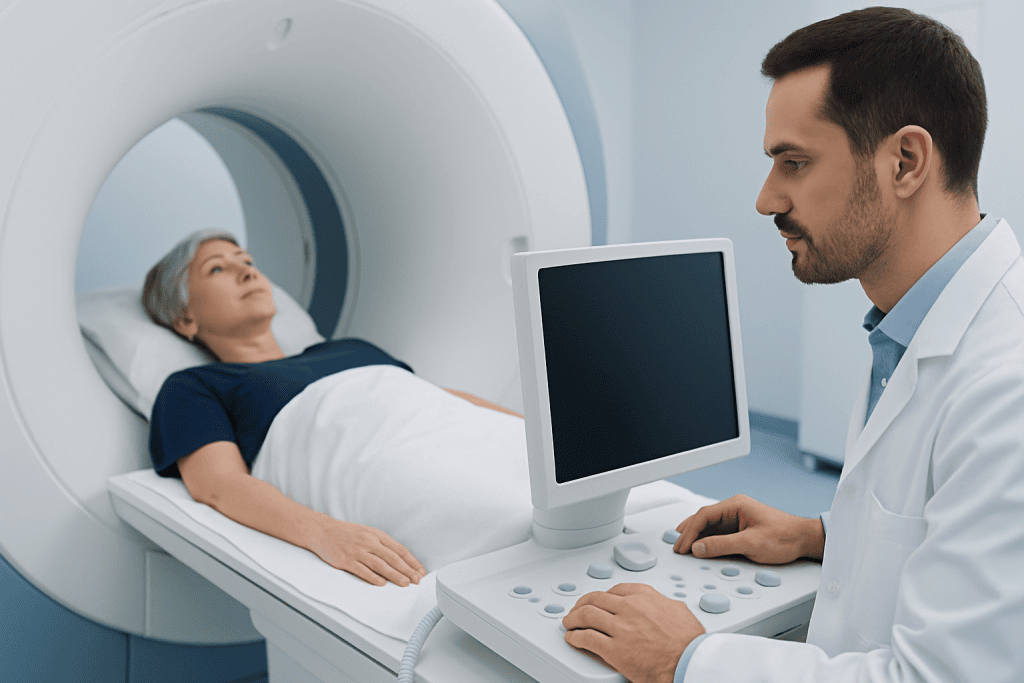
Brain MRI is the main imaging test used to evaluate white matter disease. MRI can show the location and extent of white matter changes in far greater detail than CT. Radiology reports may describe hyperintensities, ischemic changes, or chronic small vessel disease. These terms can sound worrying, but they need to be interpreted in the context of the whole person, not the scan alone.
Additional tests depend on the suspected cause. A doctor may recommend blood tests, cognitive assessment, heart evaluation, or vascular studies if there is concern about stroke risk. In selected situations, advanced imaging such as brain MRI or MR angiography may help clarify whether blood vessel disease or another neurological condition is contributing to the findings.
The goal is not only to confirm white matter changes, but also to identify whether they are mild incidental findings or part of a broader neurological or vascular condition that needs treatment and follow-up.
Treatment options and long-term management
There is no single treatment that reverses all white matter disease. Management focuses on the underlying cause, reducing further brain injury, and supporting day-to-day function. For many people, the most important step is careful control of vascular risk factors, especially blood pressure, blood sugar, cholesterol, and smoking cessation.
If symptoms are present, treatment may include physical therapy for gait and balance, cognitive support strategies, and management of mood or bladder symptoms. When white matter disease is related to another condition rather than vascular small vessel disease, treatment is directed at that specific diagnosis. This is why an accurate assessment is essential before making a care plan.
Doctors may also evaluate for related conditions such as transient ischemic attack, stroke, or memory disorders when appropriate. Depending on the clinical picture, support from neurology, cardiology, rehabilitation, geriatrics, or mental health professionals may be helpful. In some patients, formal neurological rehabilitation can improve mobility, confidence, and independence.
Near the end of the diagnostic and treatment pathway, some people benefit from multidisciplinary follow-up. Acibadem International’s specialists in neurology, radiology, and rehabilitation at JCI-accredited hospitals evaluate and treat white matter disease for international patients when more detailed assessment is needed.
Prevention and self-care
Prevention is centered on protecting blood vessel health and brain function. Even though some white matter changes are associated with aging, lifestyle and medical care can still make a meaningful difference. A person with white matter disease should work with a qualified doctor to reduce modifiable risks and review treatment goals regularly.
Healthy habits support both cardiovascular and neurological health. These include regular physical activity, a balanced eating pattern, smoking cessation, good sleep, weight management, and taking prescribed medicines consistently. Limiting excess alcohol and addressing hearing or vision problems may also help reduce falls and maintain daily functioning.
Self-care is also practical. People who notice balance or memory changes may benefit from organizing medications, simplifying household hazards, using reminders, and asking for an assessment if falls occur. If there are concerns about attention, memory, or executive function, a doctor may recommend cognitive screening or referral for neuropsychological testing.
- Monitor and treat high blood pressure
- Manage diabetes and cholesterol
- Stop smoking and avoid secondhand smoke
- Stay physically active and maintain balance training if needed
- Follow up regularly for neurological or vascular symptoms
When to seek medical care
Medical review is appropriate if a person develops new memory concerns, changes in walking, repeated falls, unexplained urinary urgency, or noticeable slowing in thinking. These symptoms do not always mean severe white matter disease, but they should be evaluated because they can overlap with other conditions that may need treatment.
Urgent medical attention is needed for possible stroke symptoms, such as sudden weakness, facial drooping, trouble speaking, sudden confusion, severe dizziness, sudden vision loss, or a sudden severe headache. White matter disease itself is usually a chronic process, but it can coexist with acute neurological problems that need immediate care.
It is also sensible to seek medical advice if an MRI report mentions significant white matter changes and the meaning is unclear. A clinician can explain whether the finding is likely age-related, linked to vascular risk factors, or suggestive of another disorder requiring further investigation.
Frequently asked questions
Is white matter disease the same as dementia?
No. White matter disease is not the same as dementia, although it can contribute to thinking and memory problems in some people. Many individuals have mild white matter changes on MRI without developing dementia.
Can white matter disease be reversed?
In many cases, established white matter changes are not fully reversible. However, treatment can often slow progression, reduce further injury, and help manage symptoms by controlling underlying risk factors.
Does white matter disease always cause symptoms?
No. Some people have white matter changes found incidentally during imaging for another reason and do not notice symptoms. Others may develop gait, cognitive, mood, or bladder-related symptoms depending on the extent and location of the changes.
What is the main cause of white matter disease?
A common cause is chronic small vessel disease, where tiny blood vessels in the brain are affected over time. High blood pressure, diabetes, smoking, high cholesterol, and aging are important contributing factors.
How serious is white matter disease?
The seriousness varies widely. Mild white matter disease may cause no problems, while more extensive disease can affect walking, thinking, and independence. A doctor interprets severity based on symptoms, examination findings, and MRI results together.
What tests are used to diagnose white matter disease?
Brain MRI is the main test because it shows white matter changes clearly. Doctors may also use blood tests, cognitive evaluation, and vascular or heart-related tests if they need to identify the underlying cause or assess stroke risk.
References
- National Institute of Neurological Disorders and Stroke
- American Stroke Association
- National Institute on Aging
- Radiological Society of North America
- World Health Organization
This article is for general information only and is not a substitute for professional medical advice. Please consult a qualified doctor about your individual situation.
Explore treatments in Turkey — costs, top hospitals & a free quote
JCI-accredited · board-certified surgeons · reply within 24h
Add us as a Preferred Source to see more of our trusted health content across Google Search, AI Overviews and Discover.
Check your numbers in seconds
BMI, calories, due date, blood pressure and 30+ more clinical calculators — free, instant, doctor-reviewed ranges.