Treat Lice Nits: An Evidence-Based Guide for Patients
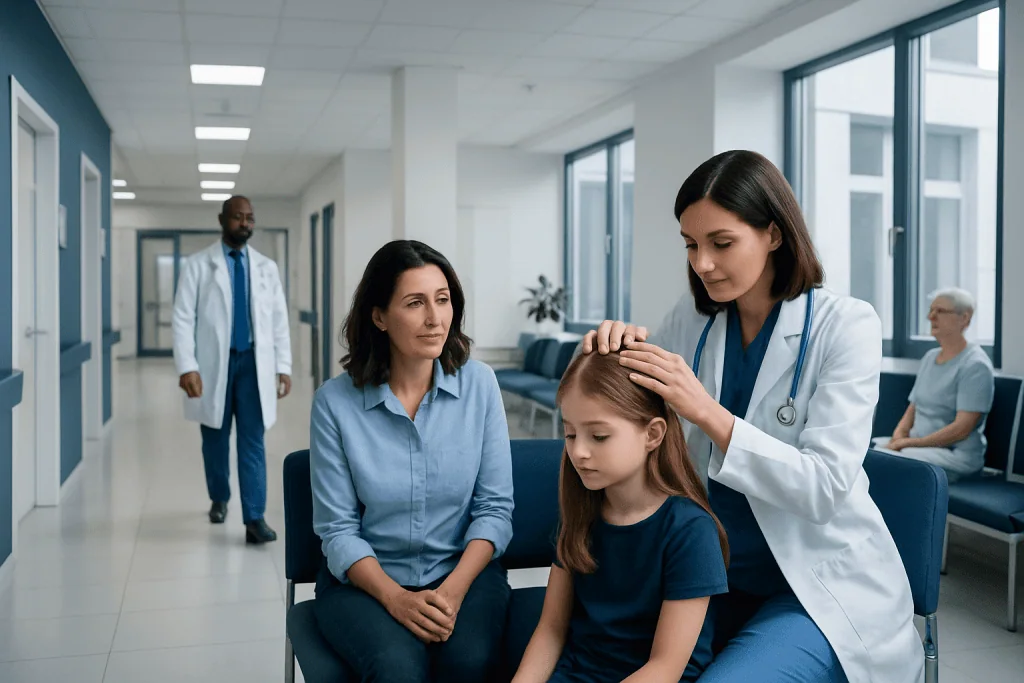
Nits are lice eggs attached firmly to hair shafts and are harder to remove than dandruff or debris. The most effective approach usually combines an approved lice treatment with repeated wet combing using a fine-toothed nit comb.
Key Takeaways
- Nits are lice eggs attached firmly to hair shafts and are harder to remove than dandruff or debris.
- The most effective approach usually combines an approved lice treatment with repeated wet combing using a fine-toothed nit comb.
- A second treatment may be needed based on the product used, because many treatments do not kill every egg.
- Household cleaning should be practical, not extreme: wash recently used items and avoid unnecessary deep-cleaning.
- Medical advice is important for infants, pregnancy, treatment failure, scalp infection, or uncertain diagnosis.
To treat lice nits effectively, most people need two steps: a proven head lice treatment that kills live lice and meticulous combing to remove eggs and newly hatched lice. Because some nits survive or hatch later, follow-up checks and, when directed, a second treatment are often essential.
Overview: How to Treat Lice Nits
To treat lice nits, the goal is not only to kill live head lice but also to remove eggs from the hair and prevent newly hatched lice from restarting the infestation. In most cases, this means using an evidence-based lice treatment exactly as directed, then combing the hair carefully with a nit comb and repeating checks over the next 1 to 2 weeks.
Nits are tiny eggs laid by head lice on the hair shaft, usually close to the scalp where warmth helps them develop. They are often confused with dandruff, hair product residue, or dry skin, but true nits are usually oval, firmly attached, and difficult to slide off with the fingers. Treating nits matters because eggs that survive may hatch and continue the cycle.
Head lice are common, especially in school-aged children, and they do not mean poor hygiene. Lice spread mainly through direct head-to-head contact, not because a person is unclean. A calm, methodical approach is usually enough, and families can often manage treatment safely at home with guidance from a pharmacist or doctor when needed.
What Nits Look Like and Common Symptoms
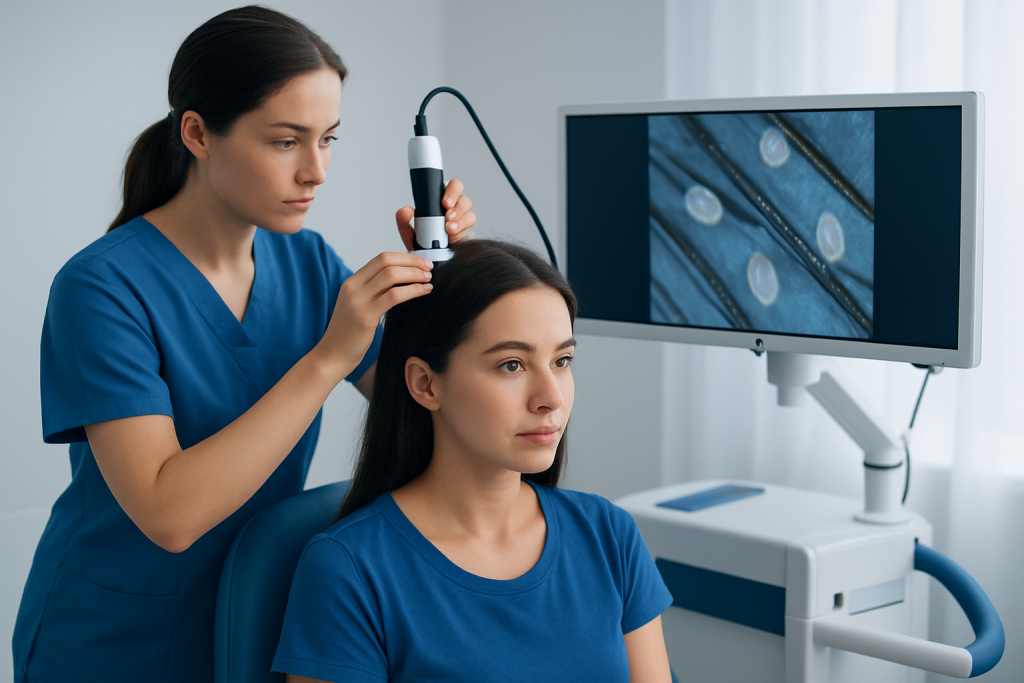
Nits are small, usually yellowish, tan, or white, and they stick to one side of the hair shaft. Unlike dandruff, they do not brush away easily. Empty eggshells may appear lighter in color and can remain attached farther from the scalp after the egg has hatched. Live lice, by contrast, are moving insects that may be harder to spot because they avoid light and move quickly.
The most common symptom of head lice is itching of the scalp, especially behind the ears and at the back of the neck. However, some people have lice and nits with little or no itching at first. Scratching may lead to redness, irritation, or small sores on the scalp.
Other signs can include a tickling feeling in the hair, trouble sleeping if itching is worse at night, or visible lice or nits during close inspection. Because many conditions can mimic lice, it helps to confirm the diagnosis before starting treatment. If there is doubt, a clinician can assess whether the problem is head lice or another scalp condition such as seborrheic dermatitis.
Causes, Spread, and Risk Factors
Head lice infestation, also called pediculosis capitis, is caused by tiny insects that feed on small amounts of blood from the scalp. Lice cannot jump or fly; they crawl. Spread usually happens through close, prolonged head-to-head contact during play, sports, sleepovers, or household contact.
Although less common, lice may occasionally spread through sharing items that have had recent contact with the head, such as hats, scarves, hair accessories, combs, or pillowcases. Pets do not spread human head lice. Lice survive best on the human scalp and usually do not live long once they are away from it.
Risk is higher in children who are in close contact with peers and in households where one person already has lice. Long hair does not cause lice, but it may make detection and combing more time-consuming. Reinfection is common if close contacts are not checked or if treatment steps are not completed carefully.
Diagnosis: Confirming Lice Before Treatment
The best way to diagnose head lice is to find a live louse or a viable nit very close to the scalp. Good lighting, a magnifying glass, and a fine-toothed nit comb can help. Wet combing often makes detection easier because conditioner or water slows the lice and separates the hair.
Finding nits alone does not always mean there is an active infestation, especially if the nits are far from the scalp or look like empty shells. This distinction matters because unnecessary treatment can irritate the scalp and may not address the true cause of symptoms. When the diagnosis is uncertain, a doctor or dermatologist may examine the scalp and hair more closely.
If a person has significant scalp irritation, crusting, swollen lymph nodes, or repeated treatment failures, professional assessment is especially useful. In some cases, a specialist may help rule out other conditions affecting the scalp and hair, such as eczema, psoriasis, or infection. When a broader scalp evaluation is needed, services related to dermatology care may be helpful.
Treatment Options That Work
Effective treatment usually involves two parts: using a lice treatment that targets live lice and manually removing nits with a fine-toothed comb. Over-the-counter and prescription options are available, but the right choice depends on age, local resistance patterns, scalp sensitivity, pregnancy status, and whether previous treatments have failed. Product directions should be followed carefully, including whether a second application is recommended after several days.
Many common lice medicines kill live lice better than they kill eggs. That is why repeat timing is important. If a product does not reliably kill nits, eggs may hatch later, and newly emerged lice can restart the infestation. Careful nit combing every few days for about 2 weeks can improve clearance and help remove eggs that treatment missed.
Wet combing is often done on damp hair divided into sections, using a metal nit comb from the scalp to the ends of the hair. The comb should be wiped after each pass so lice and nits can be seen and removed. This process takes patience, but it is one of the most important steps when families want to treat lice nits thoroughly.
Some people need prescription treatment, especially when over-the-counter products have not worked or cannot be used. A doctor may also address scalp inflammation or secondary skin infection caused by scratching. If persistent itching or scratching has affected the scalp, a clinician may evaluate for related skin concerns through specialist skin assessment.
Home and Environmental Steps: What Is Enough
Cleaning the home can help reduce the chance of immediate re-exposure, but extreme cleaning is not necessary. Focus on items used in the previous 1 to 2 days by the person with lice. Wash pillowcases, hats, scarves, and recently worn clothing in hot water if the fabric allows, then dry them using heat according to care instructions.
Combs, brushes, and hair accessories can be cleaned in hot water or set aside for a period if advised by local guidance. Vacuuming upholstered furniture, rugs, and car seats that had recent head contact is reasonable. Sprays, fumigation products, and large-scale household disinfection are not recommended because they offer little benefit and may expose people to unnecessary chemicals.
Family members and close contacts should be checked, but not everyone needs treatment. Only those with confirmed live lice, and in some situations those sharing a bed with the affected person, may need prompt treatment. Avoid sharing personal hair items until the infestation has cleared.
- Do not rely on home remedies alone without evidence of benefit.
- Do not use more product, longer exposure, or more frequent treatment than instructed.
- Do not use products intended for animals on people.
- Recheck the hair regularly after treatment to look for live lice or newly found nits.
Prevention and Self-Care After Treatment
Prevention centers on reducing head-to-head contact and avoiding shared hair items. Children can be taught not to share combs, hats, helmets, or hair accessories. During outbreaks in schools or households, regular checks with a nit comb may help identify infestation early, before symptoms become obvious.
After treatment, continue to inspect the hair and scalp every few days. Some itching may persist for a short time even after lice are gone, but ongoing itching does not always mean treatment failure. The more reliable sign of active infestation is finding live lice.
If there have been repeated infestations, it may help to review the entire treatment process: whether the diagnosis was certain, whether the product was used correctly, whether combing was thorough, and whether close contacts were checked. Persistent cases may need professional guidance, and in selected situations a doctor may coordinate care with skin or pediatric specialists. For international patients who need evaluation, Acibadem International’s multidisciplinary specialists and JCI-accredited hospitals diagnose and treat scalp and skin conditions with patient-centered care.
When to Seek Medical Care
Medical advice is recommended if the person with lice is very young, pregnant, breastfeeding, has significant skin disease, or has a weakened immune system. A clinician can help choose a safe treatment and confirm whether lice are truly present. Professional evaluation is also wise if several treatment attempts have failed or if there is uncertainty about the diagnosis.
Prompt medical care is important if the scalp becomes very red, swollen, painful, or develops pus, crusting, or a bad odor, as these may suggest a secondary bacterial infection from scratching. Care should also be sought if itching is severe enough to disrupt sleep or daily life, or if there are enlarged lymph nodes in the neck.
In rare cases, persistent scalp symptoms may reflect another condition rather than lice. A doctor may consider whether a person has dermatitis, eczema, fungal infection, or another cause of irritation. If a wider assessment of scalp health is needed, referral for pediatric evaluation or specialist skin care may be appropriate depending on the patient’s age and symptoms.
Frequently asked questions
What is the best way to treat lice nits?
The most reliable approach is usually a combination of an approved lice treatment and repeated nit combing. This helps kill live lice and remove eggs or newly hatched lice that may survive the first step.
Can nits live after lice treatment?
Yes. Some lice treatments do not kill every egg, which is why a second treatment may be advised depending on the product. Regular follow-up combing and scalp checks are important to make sure newly hatched lice are removed.
How can a person tell the difference between nits and dandruff?
Nits are attached firmly to the hair shaft and are difficult to slide off, while dandruff flakes usually move more easily. Nits are often oval and sit on one side of a hair, especially close to the scalp.
Should everyone in the household be treated?
Not necessarily. Close contacts should be checked carefully, but treatment is usually reserved for people with confirmed live lice and, in some cases, bed-sharing contacts. Treating people without evidence of infestation may expose them to unnecessary medication.
Do home remedies remove nits effectively?
Many home remedies are widely discussed, but evidence for them is often limited or inconsistent. Because some methods may irritate the scalp or delay effective care, it is safer to use proven treatments and a proper nit comb.
How long should hair be checked after treatment?
Hair is usually checked every few days for about 2 weeks, or according to the instructions of the product used. The goal is to detect any live lice or newly hatched lice before they can lay more eggs.
References
- Centers for Disease Control and Prevention
- American Academy of Pediatrics
- National Health Service
- Mayo Clinic
- American Academy of Dermatology
This article is for general information only and is not a substitute for professional medical advice. Please consult a qualified doctor about your individual situation.
Explore treatments in Turkey — costs, top hospitals & a free quote
JCI-accredited · board-certified surgeons · reply within 24h
Add us as a Preferred Source to see more of our trusted health content across Google Search, AI Overviews and Discover.

More from the Health Library

Tincture: An Evidence-Based Guide for Patients

Sore Back Under Ribs Right Side — Explained by Medical Evidence, Not Myths
Hypoechoic: An Evidence-Based Guide for Patients

Septum — Explained by Medical Evidence, Not Myths
Nebulizer: A Complete Medical Overview