Cancer Ribbon: Diagnosis, Outlook, and Modern Treatment Approaches

A cancer ribbon represents awareness and support, and different ribbon colors are linked with different cancers. A ribbon cannot identify a cancer type or stage; diagnosis depends on medical history, examination, imaging, laboratory tests, and often biopsy.
Key Takeaways
- A cancer ribbon represents awareness and support, and different ribbon colors are linked with different cancers.
- A ribbon cannot identify a cancer type or stage; diagnosis depends on medical history, examination, imaging, laboratory tests, and often biopsy.
- Cancer outlook varies widely based on the cancer type, stage, tumor biology, overall health, and response to treatment.
- Modern cancer treatment may include surgery, chemotherapy, radiotherapy, targeted therapy, immunotherapy, hormone therapy, or a combination.
- Persistent warning signs such as unexplained weight loss, unusual bleeding, a new lump, or ongoing pain should be assessed by a doctor.
A cancer ribbon is an awareness symbol, not a diagnosis. Its main value is to encourage attention to screening, symptoms, timely testing, and informed treatment decisions based on the specific cancer type.
Overview: What a Cancer Ribbon Means
A cancer ribbon is a widely recognized symbol of awareness, solidarity, and support for people affected by cancer. Many cancers have a specific ribbon color, but the ribbon itself does not diagnose disease or predict prognosis. In practice, its greatest health value is that it can encourage people to learn about symptoms, attend screening appointments, and seek medical advice without delay when something feels wrong.
Because cancer is not a single illness, there is no one meaning that applies to every ribbon beyond awareness. Different cancers behave differently, affect different organs, and require different tests and treatments. For that reason, any discussion of a cancer ribbon is most useful when it leads into practical questions: What symptoms should be checked? How is cancer diagnosed? What treatments are available today? What influences outlook?
Modern cancer care is increasingly personalized. Doctors consider the exact cancer type, where it began, whether it has spread, how the cells look under a microscope, and whether the tumor has specific molecular features. This information helps a multidisciplinary team recommend the safest and most effective care plan for the individual rather than relying on a one-size-fits-all approach.
Common Cancer Warning Signs and Symptoms
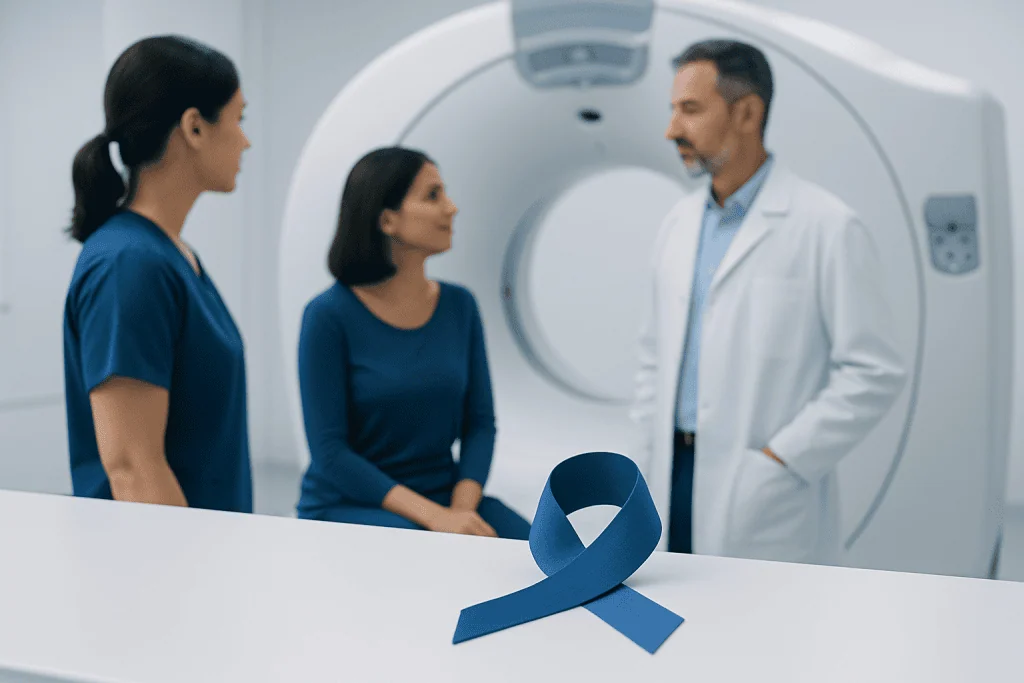
Cancer symptoms depend on the organ involved, and some early cancers cause no symptoms at all. That is one reason screening can be important. When symptoms do appear, they are often non-specific and may also be caused by common non-cancerous conditions. Even so, persistent or unexplained changes deserve medical attention.
Examples of symptoms that should be evaluated if they continue include a new lump or swelling, unexplained weight loss, ongoing fatigue, unusual bleeding, a persistent cough, changes in bowel or bladder habits, difficulty swallowing, a sore that does not heal, or changes in a mole or skin lesion. Pain can also occur, although many cancers are painless in the early stages.
Warning signs vary by cancer type. For instance, breast changes may suggest the need for assessment for breast cancer, while bowel changes or blood in the stool can prompt evaluation for colon cancer. Symptoms do not confirm cancer, but they can help guide timely testing.
- New or growing lump
- Unexplained weight loss or loss of appetite
- Persistent tiredness
- Bleeding without a clear reason
- Long-lasting cough or hoarseness
- Changes in skin, bowel, bladder, or swallowing
How Cancer Is Diagnosed
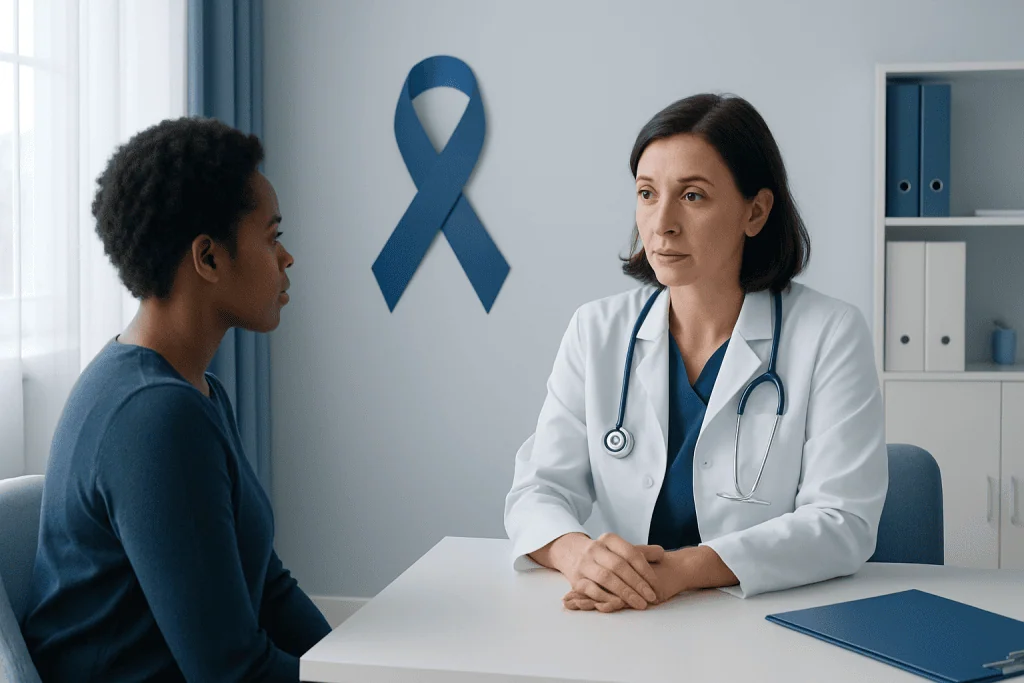
Cancer diagnosis usually begins with a medical history and physical examination. A doctor asks about symptoms, their duration, personal and family history, smoking or alcohol exposure, occupational risks, medications, and previous illnesses. This first step helps determine which tests are most appropriate and how urgently they are needed.
Imaging tests may be used to look for suspicious areas or to estimate the extent of disease. Depending on the situation, this can include ultrasound, mammography, CT, MRI, PET-CT, or endoscopy. Blood tests may help assess general health, organ function, anemia, or certain tumor-related markers, but blood tests alone usually cannot confirm a cancer diagnosis.
In many cases, a biopsy is the key step. During a biopsy, a small tissue sample is taken and examined by a pathologist to determine whether cancer is present and, if so, what type it is. Additional laboratory analysis may look for hormone receptors, genetic mutations, or other biomarkers that can affect treatment planning. For some patients, specialized biopsy procedures and advanced imaging are central to reaching a clear diagnosis.
Once cancer is confirmed, doctors perform staging. Staging describes how large the cancer is and whether it has spread to nearby lymph nodes or distant organs. Accurate staging is essential because treatment options and outlook can differ greatly between an early-stage tumor and advanced disease.
Causes, Risk Factors, and What a Ribbon Cannot Tell You
A cancer ribbon can raise awareness, but it cannot explain why an individual developed cancer. Most cancers arise from a combination of factors rather than one single cause. Changes in DNA may occur over time because of aging, inherited risk, tobacco exposure, alcohol, radiation, certain infections, chronic inflammation, obesity, environmental exposures, or chance.
Risk factors differ by cancer type. Smoking remains one of the clearest examples because it increases the risk of several cancers, especially lung cancer. Family history can also be important, particularly in cancers linked to inherited gene changes. However, having a risk factor does not mean a person will definitely develop cancer, and some people with cancer have no obvious risk factors.
It is also important to understand what awareness campaigns can and cannot do. Ribbons may improve public understanding and encourage screening, but they do not replace evidence-based prevention. Vaccination where appropriate, avoiding tobacco, limiting alcohol, maintaining a healthy weight, staying physically active, protecting the skin from excess sun, and attending recommended screening programs remain practical ways to reduce risk.
Modern Treatment Approaches
Cancer treatment has evolved significantly, and many patients receive a combination of therapies rather than just one. The main options include surgery, radiotherapy, chemotherapy, hormone therapy, targeted therapy, immunotherapy, and supportive or palliative care. The treatment plan depends on the cancer type, stage, tumor biology, symptoms, and the patient’s overall health and preferences.
Surgery may be used to remove a localized tumor, confirm the diagnosis, or relieve symptoms. Radiotherapy uses high-energy beams to destroy cancer cells in a specific area, while chemotherapy uses medicines that circulate through the body to treat cancer cells more broadly. In appropriate cases, specialists may recommend chemotherapy or radiotherapy as the main treatment, before surgery, or after surgery to reduce the risk of recurrence.
Targeted therapies are designed to act on specific molecules or pathways involved in tumor growth. Immunotherapy aims to help the immune system recognize and attack cancer cells more effectively. These treatments are not suitable for every cancer, but they have changed care for some tumor types and may be considered after biomarker testing. Hormone therapy is another important option for cancers that depend on hormones, such as some breast and prostate cancers.
Supportive care is part of modern cancer treatment at every stage. It can help manage pain, nausea, fatigue, nutrition concerns, sleep problems, and emotional distress. A coordinated oncology team often includes medical, surgical, and radiation oncologists, pathologists, radiologists, nurses, dietitians, and mental health professionals. For selected patients, immunotherapy may be considered within a personalized care plan.
Outlook and Living With Cancer
The outlook for cancer varies widely, and it is best understood in the context of the specific diagnosis. Important factors include the cancer type, stage at diagnosis, grade, molecular features, treatment response, age, and general health. Some cancers are often cured when found early, while others can be controlled for long periods even if cure is not possible.
It can be helpful to think of outlook as a range rather than a fixed prediction. Doctors use information from pathology, imaging, and response to treatment to discuss what may happen next, but each person’s course is individual. Newer therapies have improved outcomes in many cancers, and follow-up care allows teams to monitor for recurrence, manage side effects, and adjust treatment if needed.
Living with cancer involves more than the tumor itself. Emotional wellbeing, family support, work, sleep, nutrition, fertility concerns, sexuality, and physical recovery all matter. Many people benefit from practical guidance, rehabilitation, counseling, symptom management, and survivorship planning after treatment ends.
Near the end of the treatment journey or during complex decision-making, a multidisciplinary approach can be especially valuable. Acibadem International’s multidisciplinary specialists and JCI-accredited hospitals diagnose and treat cancer for international patients, with treatment plans based on the individual cancer type and stage.
Prevention, Screening, and Self-Care
Not all cancers can be prevented, but risk can often be reduced. Avoiding tobacco is one of the most effective steps. Other helpful measures include limiting alcohol, maintaining a healthy weight, eating a balanced diet, being physically active, protecting the skin from excess ultraviolet exposure, and following advice on vaccinations such as HPV and hepatitis B when appropriate.
Screening is different from diagnosing symptoms. Screening looks for cancer before symptoms appear in people who are at average or higher risk. Depending on age, sex, family history, and personal risk factors, screening may involve mammography, cervical screening, colon screening, low-dose CT for selected smokers, or other tests. A doctor can advise which screening program is appropriate.
Self-care during and after treatment can also improve quality of life. This may include staying hydrated, eating small nourishing meals when appetite is low, pacing activities to manage fatigue, taking medicines as prescribed, and reporting side effects promptly. Patients should be cautious with supplements or alternative remedies and discuss them with their oncology team to avoid interactions or delays in standard care.
When to Seek Medical Care
Medical care should be sought promptly for any unexplained symptom that persists, especially a new lump, unusual bleeding, blood in the stool or urine, a lasting cough, difficulty swallowing, a persistent sore, or unexplained weight loss. Urgent assessment is also important if a person being treated for cancer develops severe pain, breathing difficulty, dehydration, high fever, or sudden confusion.
People with a strong family history of cancer, a known inherited cancer syndrome, or a previous cancer diagnosis should ask a doctor whether they need earlier screening or genetic counseling. Even when symptoms turn out to have a non-cancer cause, timely evaluation can provide reassurance and help identify other treatable conditions.
Early medical review does not mean the outcome will be serious; it simply allows the right tests to be done at the right time. When in doubt, discussing symptoms with a qualified doctor is the safest next step.
Frequently asked questions
What does a cancer ribbon mean?
A cancer ribbon is a symbol of awareness, support, and advocacy. Different ribbon colors are associated with different cancer types, but the ribbon itself does not provide medical information about diagnosis, stage, or prognosis.
Can a cancer ribbon color tell which cancer someone has?
Ribbon colors can suggest a general association with a certain cancer, but they are not a medical tool. Diagnosis always depends on clinical assessment and testing, because symptoms and treatment needs vary widely between cancers.
How is cancer usually confirmed?
Cancer is usually confirmed through a combination of examination, imaging, and tissue testing. In many cases, a biopsy is needed so a pathologist can identify the exact cancer type and guide treatment planning.
What are the main modern treatments for cancer?
Common treatments include surgery, chemotherapy, radiotherapy, hormone therapy, targeted therapy, and immunotherapy. Many people receive a combination of these, chosen according to the cancer type, stage, biomarkers, and overall health.
Does an early diagnosis always mean cancer can be cured?
Early diagnosis often improves treatment options and can improve the chance of cure for many cancers, but outcomes still depend on the exact cancer type and biology. Even when cure is not possible, treatment may help control the disease and relieve symptoms.
When should someone see a doctor about possible cancer symptoms?
A doctor should be consulted if symptoms are unexplained, persistent, or worsening, such as a new lump, unusual bleeding, unexplained weight loss, or a long-lasting cough. It is also wise to seek advice if there is a strong family history of cancer or concerns about screening.
References
- World Health Organization
- National Cancer Institute
- American Cancer Society
- National Comprehensive Cancer Network
- Centers for Disease Control and Prevention
This article is for general information only and is not a substitute for professional medical advice. Please consult a qualified doctor about your individual situation.
Oncology care in Turkey — second opinion and treatment plan
JCI-accredited · board-certified surgeons · reply within 24h
Add us as a Preferred Source to see more of our trusted health content across Google Search, AI Overviews and Discover.