Essential Hypertension: An Evidence-Based Guide for Patients

Essential hypertension is the most common type of high blood pressure and usually develops over time. It often causes no symptoms, which is why routine blood pressure checks are important.
Key Takeaways
- Essential hypertension is the most common type of high blood pressure and usually develops over time.
- It often causes no symptoms, which is why routine blood pressure checks are important.
- Risk is influenced by age, family history, salt intake, weight, stress, sleep, and other lifestyle factors.
- Treatment may include diet changes, exercise, weight management, limiting alcohol, and medication.
- Good blood pressure control helps lower the risk of heart disease, stroke, kidney disease, and eye damage.
Essential hypertension is long-term high blood pressure that develops without a single identifiable cause. Most people can manage it well with regular monitoring, healthy habits, and, when needed, medication guided by a doctor.
Overview: what essential hypertension means
Essential hypertension is persistent high blood pressure that does not have one specific, identifiable medical cause. It is also called primary hypertension. In practical terms, this means the pressure inside the arteries stays higher than it should over time, even though tests do not point to a single disorder such as a hormone problem, kidney artery narrowing, or another clearly reversible condition.
This is the most common form of high blood pressure. It usually develops gradually over many years and is shaped by a combination of inherited traits, aging, environment, and daily habits. Because blood pressure can rise silently, many people feel completely well and only learn they have essential hypertension during a routine visit, home reading, or health screening.
Although the term may sound technical, the overall message is reassuring: essential hypertension is well understood, can be monitored accurately, and is often very treatable. Early diagnosis and steady long-term care help protect the heart, brain, kidneys, blood vessels, and eyes from avoidable complications.
How blood pressure affects the body
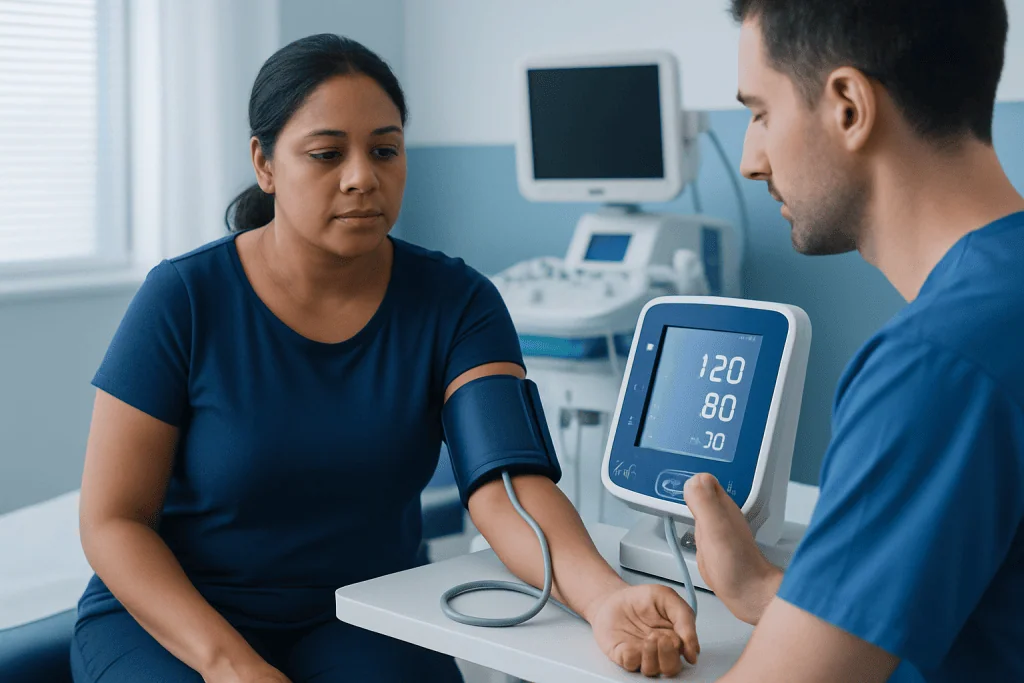
Blood pressure is the force of blood pushing against artery walls. It is recorded with two numbers: systolic pressure, when the heart contracts, and diastolic pressure, when the heart relaxes between beats. A diagnosis of hypertension is not made from one isolated reading alone. Doctors look for repeated elevated readings over time, often using clinic measurements together with home or ambulatory blood pressure monitoring.
When blood pressure remains high, arteries and organs are exposed to extra strain. Over time, this can make blood vessels stiffer and less healthy. The heart may have to work harder to pump blood, and delicate organs such as the kidneys, brain, and retina can be damaged gradually.
This is why essential hypertension matters even when symptoms are absent. Consistent control helps lower the long-term risk of serious conditions such as coronary artery disease, stroke, heart failure, chronic kidney disease, and vision problems. The goal is not only to bring numbers down, but also to protect overall health in the years ahead.
Symptoms and signs to know

Most people with essential hypertension have no obvious symptoms. For that reason, it is often called a silent condition. A person may feel normal while blood pressure has been elevated for months or years. This is why regular checks are so important, especially in adults with risk factors or a family history of high blood pressure.
When symptoms do occur, they are usually not specific enough to confirm hypertension on their own. Some people report headaches, dizziness, palpitations, fatigue, or a sense of pressure in the head, but these can happen for many reasons and do not always correlate with blood pressure levels. Nosebleeds can occur, but they are not a reliable sign of essential hypertension.
Very high blood pressure can sometimes lead to more urgent warning symptoms. These may include chest pain, shortness of breath, severe headache, sudden weakness, confusion, fainting, or changes in vision. Such symptoms should not be ignored, because they may signal a medical emergency rather than routine, uncomplicated high blood pressure.
- Often no symptoms at all
- Possible but non-specific complaints: headache, dizziness, fatigue
- Urgent symptoms: chest pain, trouble breathing, severe headache, neurological symptoms, vision changes
Causes and risk factors
Essential hypertension does not come from one single cause. Instead, it develops through a mix of factors that affect blood vessel tone, salt balance, kidney regulation, hormone signaling, and the way the nervous system controls circulation. Genetics plays a role, which helps explain why high blood pressure often runs in families, but genes alone do not determine who will develop it.
Several everyday factors can increase risk. These include getting older, carrying excess body weight, eating a high-salt diet, being physically inactive, drinking too much alcohol, smoking, sleeping poorly, and living with ongoing stress. Conditions such as diabetes, high cholesterol, and obstructive sleep apnea can also contribute to overall cardiovascular risk and make blood pressure harder to control.
Doctors also consider the possibility of secondary hypertension, which is high blood pressure caused by another condition or medication. This possibility is more likely when hypertension starts at a young age, becomes suddenly severe, resists treatment, or is accompanied by other unusual findings. In those cases, clinicians may investigate kidney disease, endocrine disorders, or medication effects. People with related metabolic concerns may also have diabetes, which often needs coordinated long-term care alongside blood pressure treatment.
- Family history of hypertension
- Older age
- High sodium intake and low intake of fruits and vegetables
- Overweight or obesity
- Low physical activity
- Smoking, alcohol overuse, poor sleep, and chronic stress
How doctors diagnose essential hypertension
Diagnosis starts with accurate blood pressure measurement. A clinician may repeat the reading after a few minutes of rest and check both arms at the first assessment. Because stress, caffeine, pain, or activity can temporarily raise blood pressure, doctors usually do not rely on one reading alone. Multiple measurements on different days are often needed.
Home blood pressure monitoring can be very helpful, especially when readings in the clinic may be influenced by anxiety. In some cases, a doctor may recommend 24-hour ambulatory monitoring, which records blood pressure through the day and night. This can help identify white-coat hypertension, masked hypertension, and whether blood pressure stays elevated during sleep.
Once hypertension is confirmed, the next step is to look for organ effects and related risk factors. Evaluation may include blood and urine tests, kidney function testing, cholesterol and glucose assessment, and an electrocardiogram. Some people may need an echocardiogram or cardiology evaluation to assess how the heart has been affected. Eye examination and kidney assessment can also be important in long-standing or poorly controlled cases.
Treatment options and long-term management
Treatment for essential hypertension is individualized. The plan depends on the level of blood pressure, age, overall cardiovascular risk, other medical conditions, and whether any organ damage is already present. For some people, lifestyle changes may be the first step. For others, medication is recommended from the start because the blood pressure is higher or the risk of complications is greater.
Lifestyle treatment remains the foundation of care. Doctors commonly advise reducing salt intake, following a heart-healthy eating pattern, staying physically active, reaching a healthier weight if needed, stopping smoking, improving sleep, and limiting alcohol. These steps can support medication effectiveness and improve overall heart and vessel health.
Medications may include one drug or a combination, depending on the situation. Common classes include diuretics, ACE inhibitors, angiotensin receptor blockers, calcium channel blockers, and others chosen to match the person’s needs. The aim is steady control, not quick temporary lowering. Regular follow-up helps doctors adjust treatment safely, check for side effects, and support adherence. When blood pressure remains difficult to control or there are signs of a more complex cardiovascular picture, a broader hypertension treatment plan or check-up may be useful.
Essential hypertension is usually a long-term condition, so treatment should be viewed as ongoing protection rather than a short course. Many people need medication for years, and some need more than one medicine. This is common and does not mean treatment has failed; it reflects how complex blood pressure regulation can be.
Prevention and self-care habits that help
Not all cases of essential hypertension can be prevented, especially when family history and age are strong factors, but healthy habits can make a meaningful difference. Prevention and self-care overlap: the same steps that reduce risk can also help improve control after diagnosis. Small, consistent changes are often more sustainable than dramatic short-term efforts.
Helpful self-care includes checking blood pressure as advised, taking medication regularly, keeping follow-up appointments, and learning what affects day-to-day readings. It can help to bring a home blood pressure log to appointments. Patients should also ask their doctor before using over-the-counter medicines or supplements, as some products can raise blood pressure or interfere with treatment.
- Choose a diet rich in vegetables, fruits, whole grains, legumes, and lean proteins
- Reduce excess salt and highly processed foods
- Aim for regular physical activity most days of the week
- Maintain a healthy weight when possible
- Do not smoke and limit alcohol
- Prioritize sleep and manage stress in realistic ways
Near the end of the care journey, some people benefit from coordinated specialist support, especially if blood pressure is difficult to control or linked with other conditions. Acibadem International’s multidisciplinary specialists and JCI-accredited hospitals diagnose and treat hypertension for international patients as part of broader cardiovascular care.
When to seek medical care
A routine medical appointment is appropriate if repeated home or pharmacy readings appear elevated, even if the person feels well. It is also wise to arrange an evaluation if there is a strong family history of hypertension, past pregnancy-related high blood pressure, kidney disease, diabetes, or other cardiovascular risk factors. Early assessment allows a doctor to confirm the diagnosis and start a safe plan if needed.
Prompt medical review is important if blood pressure stays high despite treatment, if medications cause troublesome side effects, or if new symptoms such as swelling, palpitations, worsening fatigue, or exercise intolerance develop. These issues do not always mean an emergency, but they do deserve timely attention.
Emergency care is needed for severe symptoms such as chest pain, severe shortness of breath, fainting, sudden weakness or numbness, difficulty speaking, confusion, severe headache unlike usual headaches, or sudden visual changes. These symptoms may indicate an acute complication such as heart, brain, or vascular injury and should be assessed without delay.
Frequently asked questions
What is the difference between essential hypertension and secondary hypertension?
Essential hypertension means high blood pressure without one clearly identifiable cause. Secondary hypertension is high blood pressure caused by another condition or factor, such as kidney disease, a hormonal disorder, or certain medications. Essential hypertension is much more common.
Can essential hypertension be cured?
Essential hypertension is usually managed rather than cured. Many people control it very well with lifestyle changes, medication, or both. The main goal is to keep blood pressure in a healthy range and reduce long-term complications.
Does essential hypertension always cause symptoms?
No. Most people have no symptoms at all, especially in the early stages. That is why regular blood pressure checks are important, even in people who feel well.
How is essential hypertension diagnosed?
Doctors diagnose it using repeated blood pressure readings over time, not a single measurement. They may also recommend home monitoring or 24-hour ambulatory monitoring to confirm the pattern and rule out temporary causes of higher readings.
Can stress alone cause essential hypertension?
Stress can raise blood pressure temporarily and may contribute to long-term risk, but it is usually not the only factor. Essential hypertension typically develops from a combination of genetics, age, lifestyle, and other health influences.
Will I need medication forever?
Some people need long-term medication, while others can reduce treatment needs through sustained lifestyle improvement under medical supervision. Decisions should always be made with a doctor, because stopping medicine suddenly or without guidance can be unsafe.
References
- World Health Organization
- American Heart Association
- Centers for Disease Control and Prevention
- National Heart, Lung, and Blood Institute
- European Society of Cardiology
This article is for general information only and is not a substitute for professional medical advice. Please consult a qualified doctor about your individual situation.
Hypertension in Turkey — costs, top hospitals & a free quote
JCI-accredited · board-certified surgeons · reply within 24h
Add us as a Preferred Source to see more of our trusted health content across Google Search, AI Overviews and Discover.
Check your numbers in seconds
BMI, calories, due date, blood pressure and 30+ more clinical calculators — free, instant, doctor-reviewed ranges.

More from the Health Library

Key Lime Juice: An Evidence-Based Guide for Patients

Swelling of Glands Below Ear: An Evidence-Based Guide for Patients

Fluphenazine — Explained by Medical Evidence, Not Myths

Protien: What Patients Need to Know

Ambulatory — Explained by Medical Evidence, Not Myths