Ql Muscle: A Complete Medical Overview
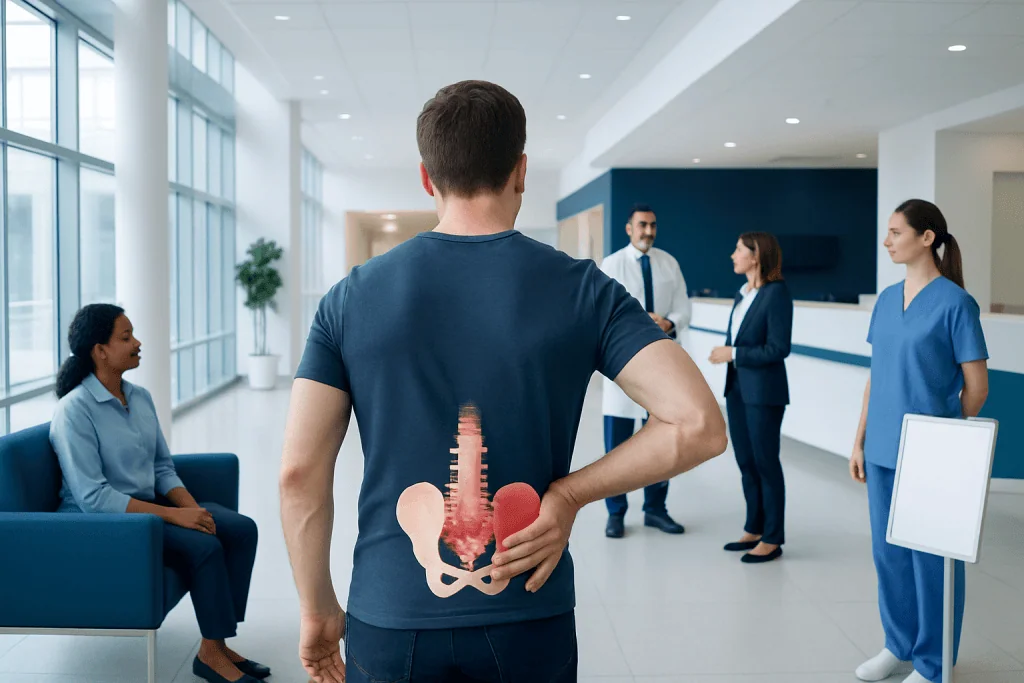
The ql muscle is a deep core-stabilizing muscle in the lower back that helps support the spine and pelvis. QL muscle problems often cause one-sided low back pain, stiffness, and pain with bending, twisting, coughing, or prolonged posture.
Key Takeaways
- The ql muscle is a deep core-stabilizing muscle in the lower back that helps support the spine and pelvis.
- QL muscle problems often cause one-sided low back pain, stiffness, and pain with bending, twisting, coughing, or prolonged posture.
- Common triggers include muscle strain, overuse, poor lifting mechanics, uneven posture, and weak surrounding core or hip muscles.
- Diagnosis is usually based on symptoms and physical examination, while imaging may be used to rule out other causes of back pain.
- Treatment often includes rest from aggravating activities, gentle movement, physical therapy, and pain-relief strategies tailored to the cause.
- Medical review is important if pain is severe, persistent, follows an injury, or occurs with weakness, numbness, fever, or bladder or bowel changes.
The ql muscle, or quadratus lumborum, is a deep lower back muscle that supports posture, side bending, and pelvic stability. When it becomes strained, tight, or irritated, it can cause localized low back pain, stiffness, and discomfort with movement or prolonged sitting or standing.
Overview: What the QL Muscle Does
The ql muscle, short for quadratus lumborum, is a deep muscle in the lower back on each side of the spine. It connects the lowest rib to the pelvis and lumbar vertebrae. Its main roles are to help stabilize the trunk, support upright posture, assist with side bending, and help control the pelvis during walking, standing, and lifting.
Because the ql muscle works constantly in daily life, it can become overloaded. A strained or tight ql muscle may cause aching or sharp pain in the low back, often more on one side. Some people also feel discomfort in the buttock, hip area, or along the top of the pelvis. The pain may be worse after sitting for long periods, standing unevenly, or bending and twisting.
QL muscle pain is common, but it is not the only possible cause of low back pain. Problems involving joints, discs, nerves, or nearby muscles can feel similar. That is why symptoms should be considered in the context of overall posture, movement patterns, activity level, and any warning signs that suggest another condition.
Symptoms of QL Muscle Pain or Strain
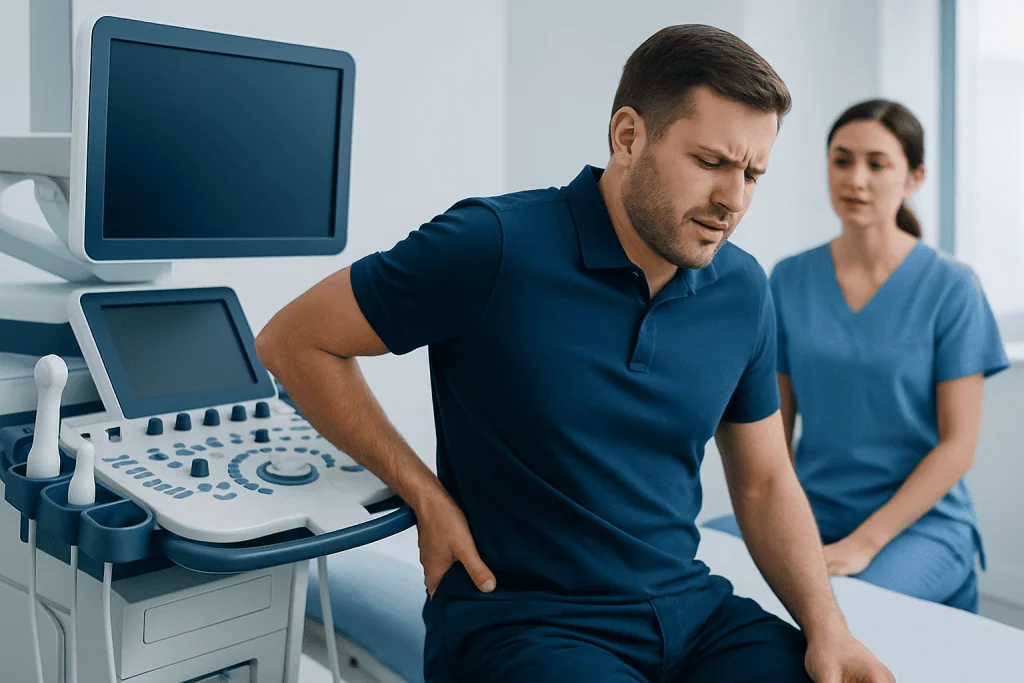
Symptoms related to the ql muscle vary from mild tightness to more noticeable pain that interferes with movement. The discomfort is often felt deep in the lower back and may be more noticeable on one side. Some people describe it as a nagging ache, while others notice a sudden sharp pain after lifting, reaching, or twisting.
Common symptoms can include stiffness when getting up from a chair or bed, pain with side bending, and tenderness around the low back or upper pelvic area. Coughing, sneezing, or taking a deep breath can sometimes make the pain more noticeable because the ql muscle attaches to the lower rib and helps stabilize the trunk during these actions.
People with ql muscle irritation may also feel that their posture is “off,” or that one hip sits higher than the other. Guarding and muscle spasm can make walking feel uneven. In some cases, symptoms overlap with lower back pain from other causes, so a careful assessment is helpful when pain persists.
- One-sided low back pain or tightness
- Pain near the top of the buttock or back of the hip
- Stiffness after sitting, driving, or sleeping
- Pain with bending, twisting, or standing upright
- Muscle spasm or a feeling of “catching” in the low back
Causes and Risk Factors
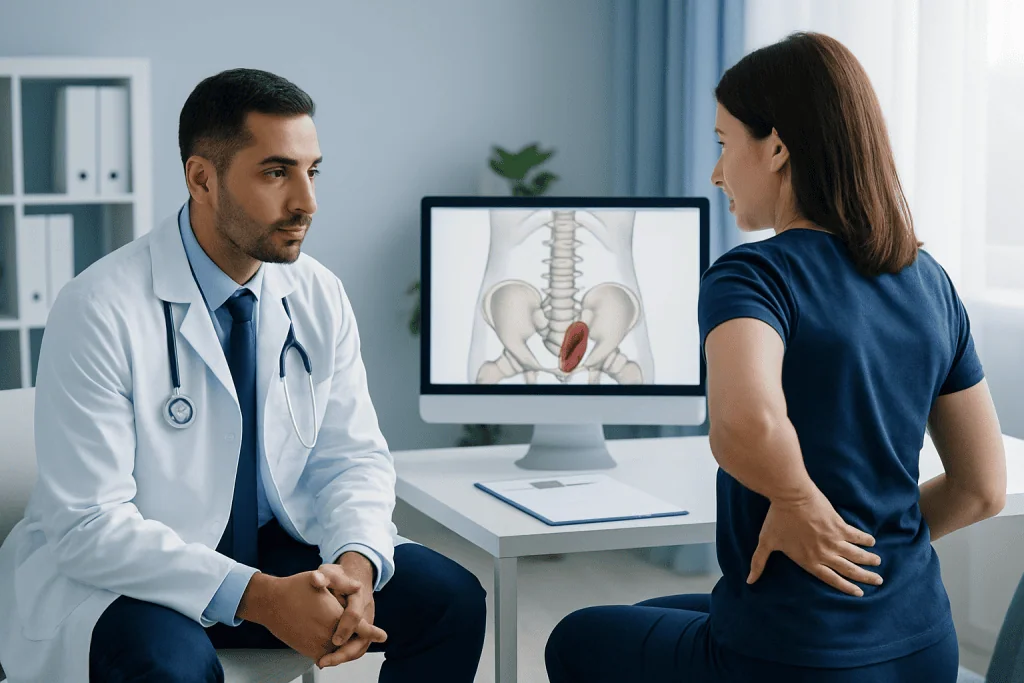
The ql muscle can become painful for several reasons. A true strain may happen when the muscle fibers are overstretched or overloaded, often during lifting, sudden twisting, sports, or awkward reaching. More commonly, the ql muscle becomes irritated from overuse, poor movement mechanics, or compensating for weakness in nearby muscles.
Risk factors include prolonged sitting, standing with more weight on one leg, carrying heavy bags on one side, repetitive bending, and jobs that involve frequent lifting or twisting. Weak abdominal, gluteal, or hip muscles can place extra demands on the ql muscle. Leg length differences, scoliosis, and altered gait may also contribute by creating uneven loading through the pelvis and lower spine.
Other nearby structures can provoke or mimic ql pain. For example, the sacroiliac joint, facet joints, or a spinal disc may refer pain to a similar area. Some people with herniated disc or nerve irritation describe pain in the low back and hip region, which is why persistent or radiating symptoms should not be assumed to be a muscle problem without assessment.
Physical stress is not the only influence. Fatigue, reduced conditioning, and stress-related muscle tension may worsen symptoms or slow recovery. In many cases, ql muscle pain develops from a combination of posture, repetitive load, reduced flexibility, and inadequate recovery rather than from one single event.
How QL Muscle Problems Are Diagnosed
Diagnosis begins with a medical history and physical examination. A clinician will ask when the pain started, what movements make it worse, whether it radiates, and whether there are symptoms such as numbness, weakness, fever, or recent trauma. These details help separate likely muscle strain from other causes of back pain.
During the examination, the doctor or physical therapist may assess posture, range of motion, muscle tenderness, strength, walking pattern, and pelvic alignment. Pain reproduced with side bending, trunk extension, or palpation over the ql region can support the diagnosis, but there is no single test that confirms ql muscle pain on its own.
Imaging is not always needed for straightforward muscle strain. However, X-rays, ultrasound, or MRI scanning may be considered if symptoms are severe, last longer than expected, follow a significant injury, or suggest another issue such as a fracture, disc problem, or inflammation. In complex cases, rehabilitation and spinal specialists may work together to clarify the cause and guide care.
Treatment Options for QL Muscle Pain
Treatment depends on the cause, severity, and duration of symptoms. For a mild ql muscle strain, the first steps often include reducing aggravating activities for a short time, using relative rest rather than complete bed rest, and gradually returning to gentle movement. Early light activity is often more helpful than avoiding movement completely.
Short-term pain relief may include heat or ice, depending on which feels better, and over-the-counter pain medicines if a doctor considers them appropriate. Gentle stretching and breathing exercises may help reduce guarding around the lower rib and pelvis. If pain is significant or recurring, referral for physical therapy and rehabilitation can be very useful.
Physical therapy usually focuses on improving mobility, reducing muscle spasm, restoring balanced movement, and strengthening the abdominal, gluteal, and hip muscles that support the lower back. Therapists may also address lifting mechanics, sitting posture, and walking pattern to reduce repeated stress on the ql muscle. In selected cases, a broader spine surgery assessment may be needed when symptoms are not explained by a muscle strain alone and another structural spinal problem is suspected.
Recovery time varies. Mild muscle irritation may improve within days to a few weeks, while repeated strain or coexisting back problems can take longer. The goal is not only to settle pain but also to correct the movement or loading pattern that led to the problem in the first place.
Prevention and Self-Care
Many episodes of ql muscle pain can be improved and sometimes prevented with simple daily habits. Regular movement breaks, especially during desk work or long drives, can reduce stiffness and prolonged loading through the lower back. Balanced posture and even weight distribution on both legs may also help reduce strain on one side.
Strength and flexibility matter as well. A program that includes core stability, hip strength, and gentle mobility work can improve how the trunk and pelvis share load. Warming up before exercise, using proper lifting technique, and progressing activity gradually are also sensible steps. People returning to sport or heavy work often benefit from a structured rehabilitation plan rather than resuming full activity at once.
- Change positions regularly during the day
- Avoid lifting and twisting at the same time when possible
- Strengthen the core, hips, and gluteal muscles
- Use supportive movement habits for work, travel, and exercise
- Seek assessment for repeated episodes of one-sided back pain
Self-care is useful, but it should not replace medical evaluation when symptoms are severe or unusual. Persistent pain may mean the ql muscle is only part of the issue, with the spine, sacroiliac joint, or surrounding soft tissues also involved.
When to Seek Medical Care
Medical care is appropriate if ql muscle pain does not improve after a short period of self-care, keeps returning, or interferes with work, sleep, walking, or normal activities. Evaluation is also important after a fall, sports injury, or heavy lift if the pain is immediate or intense. A doctor can help confirm whether the problem is muscular or related to another structure in the back or pelvis.
Urgent medical review is needed if low back pain occurs with numbness, leg weakness, fever, unexplained weight loss, or changes in bladder or bowel control. Pain that travels clearly down the leg, especially below the knee, may suggest nerve involvement rather than a simple ql muscle strain. These situations need prompt assessment.
For international patients who need coordinated evaluation, Acibadem International’s multidisciplinary specialists and JCI-accredited hospitals diagnose and treat back and musculoskeletal conditions using individualized plans. This can be helpful when symptoms are persistent, recurring, or difficult to explain with one diagnosis alone.
Frequently asked questions
What is the ql muscle?
The ql muscle is the quadratus lumborum, a deep muscle on each side of the lower back. It helps stabilize the spine and pelvis and assists with side bending and upright posture.
Where is ql muscle pain usually felt?
QL muscle pain is usually felt in the low back, often more on one side. It may also be noticed near the top of the buttock, around the back of the hip, or along the lower rib and pelvic crest area.
Can a tight ql muscle cause hip pain?
Yes, a tight or irritated ql muscle can contribute to discomfort around the hip and pelvis. However, hip pain can also come from the joint, tendons, sacroiliac region, or lower spine, so persistent symptoms should be assessed properly.
How long does a ql muscle strain take to heal?
A mild ql muscle strain may improve within days to a few weeks, especially with activity modification and guided exercises. More persistent pain can take longer if there is repeated strain, poor mechanics, or another back condition contributing to symptoms.
Should ql muscle pain be treated with rest or exercise?
Usually, short-term relative rest is helpful at first, but complete inactivity is often not recommended. Gentle movement and a gradual return to activity, especially with physical therapy guidance, are commonly part of recovery.
How can someone tell if the pain is from the ql muscle or a disc problem?
Muscle pain is often localized and related to movement or posture, while disc-related pain may radiate down the leg and may come with numbness, tingling, or weakness. Because symptoms can overlap, a clinician should evaluate ongoing or more severe pain.
References
- National Institute of Arthritis and Musculoskeletal and Skin Diseases
- American Academy of Orthopaedic Surgeons
- National Health Service
- Cleveland Clinic
- MedlinePlus
This article is for general information only and is not a substitute for professional medical advice. Please consult a qualified doctor about your individual situation.
Joint and spine care in Turkey — expert assessment & treatment
JCI-accredited · board-certified surgeons · reply within 24h
Add us as a Preferred Source to see more of our trusted health content across Google Search, AI Overviews and Discover.

More from the Health Library

Pink Lemon: A Complete Medical Overview

Ozempic Benefits: A Complete Medical Overview

Coriander Substitute: A Complete Medical Overview

Bactrim: What Patients Need to Know

Syringomas: An Evidence-Based Guide for Patients

Sickness of Liver: What Patients Need to Know
Physical Medicine & Rehabilitation Specialists at Acibadem

Fzt. Busenur Sezer
Physical Medicine & Rehabilitation
Büşra Zeybek
Physical Medicine & Rehabilitation
Fzt. Çağlar Dal
Physical Medicine & Rehabilitation
Assoc. Prof. Dr. Çağrı Örs
Orthopedic Surgery & Traumatology