Growing Pains: Common Causes, Related Conditions, and When to See a Doctor

Growing pains usually cause aching or throbbing in both legs, often in the calves, thighs, or behind the knees. They tend to happen in the late afternoon, evening, or at night and are usually gone by morning.
Key Takeaways
- Growing pains usually cause aching or throbbing in both legs, often in the calves, thighs, or behind the knees.
- They tend to happen in the late afternoon, evening, or at night and are usually gone by morning.
- Typical growing pains do not cause swelling, limping, fever, or pain in just one specific joint.
- Gentle massage, warmth, stretching, and reassurance often help relieve symptoms.
- A doctor should assess persistent, one-sided, severe, or daytime pain, or pain linked with limping or other concerning symptoms.
Growing pains are a common cause of aching legs in children, especially in the evening or at night, and they are not usually a sign of a serious illness. Despite the name, they are not proven to be caused by growth itself, so it is important to recognize the typical pattern and know when symptoms suggest something else.
Overview: What Growing Pains Really Are
Growing pains are a common pattern of recurring leg aches in children, usually between preschool and early school age, though older children can have them too. The discomfort is often felt in both legs rather than one exact spot and commonly affects the calves, thighs, shins, or the area behind the knees. Episodes often come and go over months or years.
Although the term is widely used, growing pains are not clearly linked to bones growing faster. Instead, they are best understood as a benign pain pattern seen in otherwise healthy children. The pain can be upsetting for the child and family, but it does not usually damage joints, bones, or muscles.
What makes growing pains distinctive is their timing and behavior. They often appear later in the day or wake a child from sleep, then improve with comfort measures and are usually gone by morning. Between episodes, children typically run, jump, and play normally without stiffness or trouble using the legs.
Because many conditions can also cause limb pain, the diagnosis depends on the full picture rather than the name alone. When the symptoms fit the typical pattern and the child is otherwise well, growing pains are usually harmless. If the pattern is unusual, a pediatric evaluation can help rule out problems such as injury, inflammation, or juvenile arthritis.
Common Symptoms and Typical Pattern
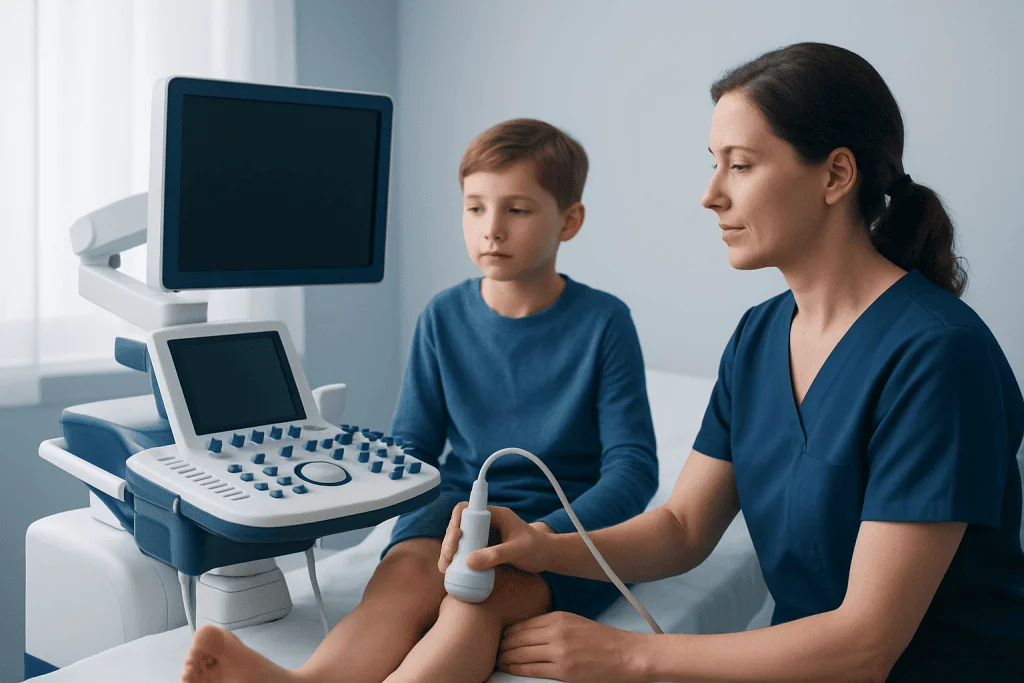
The most common symptom of growing pains is aching, throbbing, or cramping pain in the legs. Children may point to the front of the thighs, the calves, or behind the knees. The pain is often in both legs, although one side may feel worse during some episodes.
Symptoms usually begin in the late afternoon, evening, or during the night. Some children wake from sleep because of the discomfort, but they are generally comfortable again by morning. The pain is intermittent, meaning there can be pain-free days or weeks between episodes.
Typical growing pains do not usually cause visible redness, warmth, swelling, or tenderness of a specific joint. Children can usually walk normally during the day and continue their regular activities. If a child has morning pain, persistent daytime pain, or a limp, the symptoms deserve a closer look.
- Often affects both legs
- Usually felt in muscles rather than in one joint
- More common in the evening or at night
- Improves with massage, warmth, or simple comfort
- Usually absent by morning
Possible Causes and Why They Happen
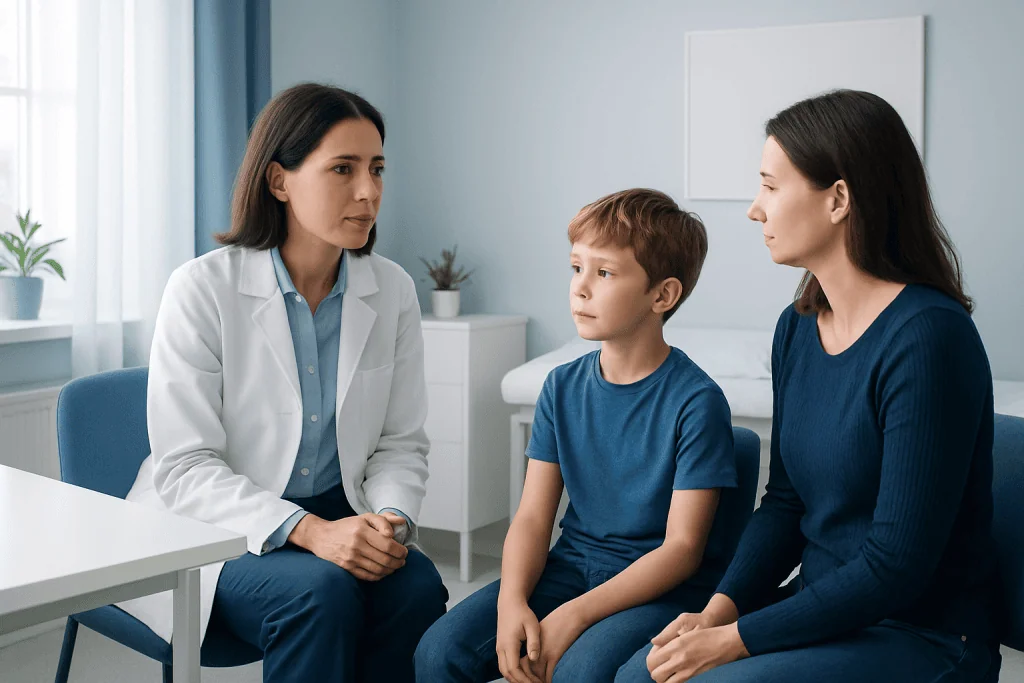
The exact cause of growing pains is still not fully understood. Researchers and clinicians generally do not believe they are caused directly by bone growth. Instead, they may relate to muscle fatigue after active days, individual differences in how children feel and process pain, or normal variations in flexibility and movement.
Many families notice episodes after busy days filled with running, jumping, sports, or playground activity. This has led to the idea that overuse of muscles may contribute, especially in children who are very active. Some children may also have tight muscles or flatter feet, which can affect how the legs handle strain, though these factors do not explain every case.
Growing pains can also appear more often in children who are otherwise healthy but more sensitive to physical discomfort. Emotional stress does not cause the condition, but stress, poor sleep, and fatigue may make pain episodes feel more intense. In practice, the most useful point is that growing pains are a diagnosis based on a familiar symptom pattern rather than one proven single cause.
Parents often wonder whether nutrition, vitamin levels, or posture are to blame. These may sometimes play a role in general musculoskeletal comfort, but they are not considered the main cause of typical growing pains. If symptoms are frequent or unusual, a doctor may look for other explanations, including biomechanical issues or an underlying bone, joint, or muscle condition.
Related Conditions That Can Mimic Growing Pains
Not every child with leg pain has growing pains. Doctors consider other possibilities when symptoms are one-sided, persistent, linked to activity in a specific way, or associated with swelling, fever, weakness, or difficulty walking. Minor injuries, muscle strains, and overuse are common alternatives, especially in active children.
Joint-related conditions may also cause pain that is mistaken for growing pains. For example, inflammation in a joint may lead to stiffness, swelling, or pain that is worse in the morning rather than at night. In some cases, specialists may assess for conditions such as juvenile arthritis or other causes of chronic joint pain.
Other possibilities include flat feet, hypermobility, vitamin deficiency, infections, or less commonly bone problems. When pain is focused in the hip, knee, or one area of the leg, a clinician may recommend examination or imaging to look more closely. If needed, MRI scanning or X-ray evaluation can help clarify whether there is a structural cause.
Rare but important causes of persistent bone pain include inflammatory, orthopedic, or hematologic disorders. These are not common explanations for the classic growing pains pattern, but they should be considered when a child has unexplained weight loss, fever, bruising, night sweats, severe localized pain, or ongoing pain that disrupts daily life.
How Doctors Diagnose Growing Pains
There is no single laboratory test for growing pains. Diagnosis is usually based on the child’s history, the timing and location of pain, and a normal physical examination. Doctors often ask when the pain occurs, whether it affects one or both legs, whether the child limps, and whether symptoms interfere with daytime play.
A typical story strongly supports the diagnosis: intermittent aching in both legs, mostly at night, with no swelling, fever, or morning stiffness, and normal activity between episodes. During the exam, the doctor checks gait, joints, muscle tenderness, range of motion, and signs of injury or inflammation.
Tests are not always necessary when the pattern is classic. However, if symptoms are atypical, prolonged, or associated with other warning signs, the doctor may order blood tests or imaging studies. In some situations, pediatric orthopedic evaluation is helpful, especially when pain is localized, recurring after sports, or affecting walking.
Parents should feel comfortable sharing photos or a symptom diary, especially if episodes happen at night and are difficult to describe during an office visit. Notes about timing, duration, triggers, and what relieves the pain can make the assessment more accurate and help separate growing pains from other causes.
Treatment and At-Home Relief
Growing pains usually improve with simple supportive care. Gentle massage of the aching muscles often helps quickly, and many children find warmth soothing. A warm bath before bed, a heating pad used carefully on a low setting, or light stretching can be useful comfort measures.
Reassurance matters too. Children may become frightened when pain wakes them at night, so calm explanation and physical comfort are important. Since the pain can come and go, parents can remind children that the episodes are common and usually temporary.
Some clinicians may recommend occasional pain relief medicine appropriate for the child’s age and health status, but parents should use medication only as directed by a qualified doctor. It is also reasonable to review footwear, activity levels, and stretching habits, especially if symptoms tend to follow busy physical days.
When symptoms are frequent, a doctor may suggest assessing biomechanics or flexibility and may refer the child for further evaluation. In selected cases, physical therapy and rehabilitation can help with stretching, posture, balance, or muscle conditioning if these factors appear to contribute to recurring discomfort.
Prevention and Self-Care Strategies
There is no guaranteed way to prevent growing pains, but a few habits may reduce how often they happen or make episodes easier to manage. Children benefit from balanced activity, supportive footwear, regular sleep, and time to recover after very active days. A predictable evening routine may also help, especially for children whose pain tends to appear at bedtime.
Gentle stretching of the calves, thighs, and hamstrings can be included after play or before sleep. Hydration and regular meals support overall muscle health, even though they are not specific cures for growing pains. If a child is involved in sports, it may help to notice whether certain activities seem to trigger pain more than others.
Parents can keep a simple record of when symptoms occur, how long they last, and what helps. This can reveal patterns such as pain after high-impact activity or on days with less rest. It also gives useful information to the child’s doctor if evaluation is needed.
When growing pains are diagnosed, the goal is not to restrict a healthy child unnecessarily. Most children can continue normal play and sports unless a doctor advises otherwise. Rest may help during painful episodes, but complete activity avoidance is usually not needed when the child is well between episodes.
When to Seek Medical Care
Medical advice is important if the pain pattern does not fit typical growing pains. A child should be assessed if pain happens mainly during the day, is still present in the morning, causes limping, or is focused in one specific area such as the hip, knee, or ankle. These features can point to a problem other than benign nighttime leg aches.
Parents should also seek care if there is swelling, redness, joint stiffness, weakness, fever, rash, unusual tiredness, bruising, weight loss, or repeated falls. Pain after an injury, or pain that steadily becomes more frequent or severe, also deserves prompt attention. In these situations, a doctor may examine the child and decide whether further tests are needed.
If a child cannot bear weight, has severe pain, or appears acutely unwell, urgent medical assessment is appropriate. While growing pains are common and usually harmless, unusual symptoms should not be assumed to be normal. A careful evaluation helps ensure the right diagnosis and treatment.
For families seeking specialist assessment, Acibadem International’s multidisciplinary teams in JCI-accredited hospitals evaluate and treat children with musculoskeletal symptoms, including cases where leg pain may be due to a condition other than growing pains.
Frequently asked questions
Are growing pains actually caused by growth?
Not necessarily. Despite the name, there is no clear evidence that these pains are directly caused by bones growing. They are better understood as a common, benign pattern of leg pain in childhood.
What age do growing pains usually happen?
Growing pains are most often reported in preschool and school-age children. They can happen at other ages too, but they are mainly seen during the years when children are very active and still developing normal movement patterns.
Where do growing pains usually hurt?
They usually affect the muscles of the legs, especially the calves, thighs, shins, or the area behind the knees. The pain is often in both legs rather than in one exact joint.
Can growing pains happen every night?
They can happen repeatedly, but they are usually intermittent rather than constant. Some children may have several episodes in a week, while others go long periods without symptoms.
How can parents help a child during an episode?
Gentle massage, warmth, stretching, and calm reassurance often help. If pain relief medicine is being considered, it should be used according to a doctor’s advice and the child’s individual health needs.
What symptoms are not typical for growing pains?
Swelling, redness, fever, morning stiffness, ongoing daytime pain, limping, or pain in one clearly defined joint are not typical. These signs suggest the child should be evaluated by a doctor.
References
- American Academy of Pediatrics
- National Institute of Arthritis and Musculoskeletal and Skin Diseases
- American Academy of Orthopaedic Surgeons
- MedlinePlus
- NHS
This article is for general information only and is not a substitute for professional medical advice. Please consult a qualified doctor about your individual situation.
Joint and spine care in Turkey — expert assessment & treatment
JCI-accredited · board-certified surgeons · reply within 24h
Add us as a Preferred Source to see more of our trusted health content across Google Search, AI Overviews and Discover.

More from the Health Library



Related Specialists

Dr. Ersin Adem Hadzhiyusein
Inpatient Clinic Physicians Clinical Service
Dr. Ahmet Arif Ağlar
Cardiovascular Surgery
Dr. Ümran Duranay
Pediatrics
Dr. Murat Sağlam
Emergency Service