Pediatric Orthopedics
Pediatric orthopedics focuses on diagnosing and treating bone, joint, muscle, limb and spine conditions in infants, children and adolescents with growth-sensitive care.
Quick answer
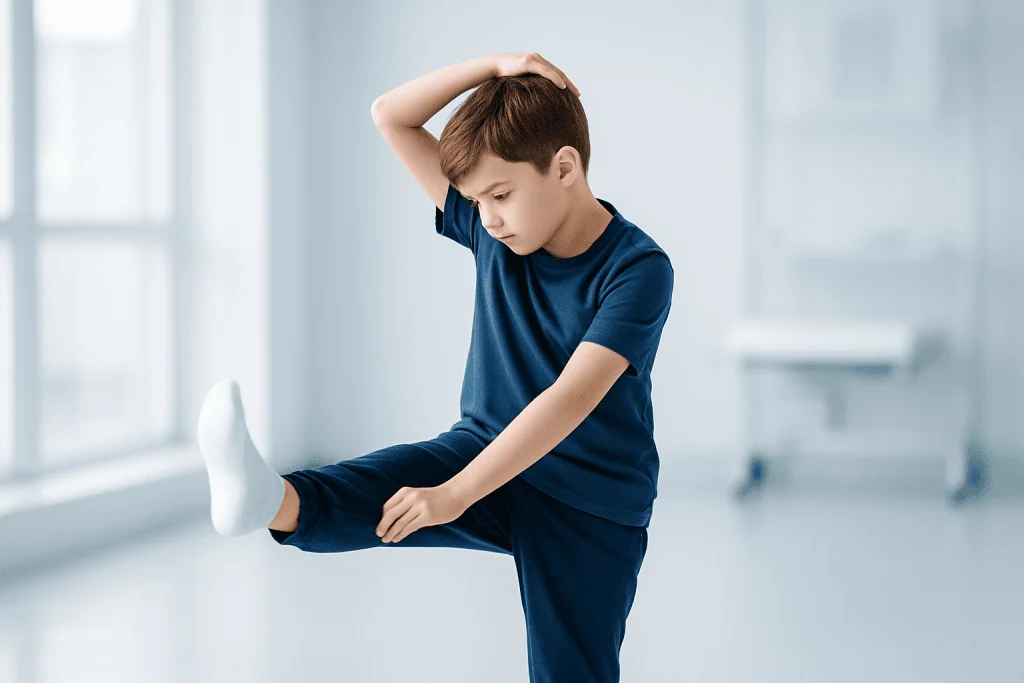
Pediatric orthopedics is the medical and surgical specialty for bone, joint, muscle, limb and spine conditions in children and adolescents. It covers fractures, hip dysplasia, clubfoot, scoliosis, limb differences and sports injuries. Because children's skeletons are still growing, treatment ranges from observation, bracing and physiotherapy to surgery timed carefully around growth plates and developmental stage.
Pediatric Orthopedics: Specialist Care for Growing Bones, Joints and Spines
Pediatric orthopedics is the medical and surgical specialty that diagnoses and treats conditions of the bones, joints, muscles, tendons, ligaments, limbs, hips, hands, feet and spine in children and adolescents. It covers everything from newborn hip screening and clubfoot correction to childhood fractures, adolescent sports injuries and scoliosis care. The specialty exists as a distinct field for one simple reason: a child’s skeleton is still growing, and treatment has to work with that growth rather than against it.
When a child is limping, walking differently, complaining of pain, recovering from a fracture or being evaluated for a spine or limb difference, parents usually carry two worries at once. The first is immediate: Is my child in pain? Is this serious? Does it need treatment now? The second is long-term: Will this affect growth, movement, sports, school, self-confidence or adult health? The specialty addresses both questions together, because in a growing child they cannot be separated. A decision that looks sensible today has to remain sensible in five years, when the child is taller, heavier and more active.
Children are not simply smaller adults. Their bones, joints, cartilage, muscles and ligaments are still developing, and the growth plates — areas of developing cartilage near the ends of the long bones — behave differently from mature bone. An injury or deformity that would be straightforward in an adult can behave differently in a child. Some childhood conditions improve on their own with observation and physiotherapy. Others need bracing, casting, guided growth procedures or surgery timed carefully around the child’s developmental stage. Getting the timing right is often as important as choosing the treatment itself.
You may see the field written in several ways online: pediatric orthopedics, pediatric orthopaedics, or the informal shorthand “pedia ortho” that parents sometimes use in search. All of these describe the same specialty, and the same core idea: care for the musculoskeletal system that takes growth into account at every step. The scope includes both non-surgical and surgical care. Many children are treated with observation, physiotherapy, activity modification, splints, casts, orthoses or braces. Others need procedures to realign bones, correct deformities, stabilise fractures, guide growth, lengthen or reconstruct limbs, treat hip disorders or correct spinal curvature. The right approach depends on the diagnosis, the child’s age, the severity of the condition, the symptoms, the growth remaining and the family’s goals.
The decision can feel even more complex when opinions differ. Families often find themselves weighing conflicting advice, trying to understand whether surgery is truly necessary, or looking for a centre that can coordinate imaging, specialist assessment, rehabilitation and follow-up without long gaps between steps. At Acibadem, pediatric orthopedic care sits within the wider Orthopedics & Joint Center and works closely with Pediatrics, so that a child’s bone or joint problem is assessed in the context of their overall health and development, not in isolation.
What is a pediatric orthopedic specialist?
A pediatric orthopedic specialist is a physician trained specifically in the musculoskeletal problems of children and adolescents, from infancy through the end of skeletal growth. The specialist evaluates not only the visible problem — a turned-in foot, a curved spine, a limp — but also the child’s growth pattern, gait, muscle balance, neurological status and developmental milestones. That wider view matters because the same finding can mean very different things at different ages.
Intoeing in a toddler, for example, is often a normal developmental variation that improves over time, while a limp accompanied by pain in the same child may need prompt imaging. A mild spinal curve may only need monitoring, whereas a curve that progresses during the pubertal growth spurt may need bracing or surgery. Distinguishing between these situations — what needs treatment, what needs watching and what needs nothing at all — is the daily work of the specialty.
What does a pediatric orthopedic surgeon do?
A pediatric orthopedic surgeon diagnoses and treats bone, joint, muscle, limb and spine problems in children, using both non-surgical and surgical methods. Despite the title, a large part of the role is non-operative: examining children, reading imaging, applying and adjusting casts, prescribing braces, planning physiotherapy, and following growth over months or years. Surgery is one tool among several, reserved for the situations where it genuinely changes the outcome.
When surgery is indicated, the pediatric orthopedic surgeon plans and performs procedures adapted to a growing skeleton — fracture fixation, hip reconstruction, guided growth, osteotomy, limb lengthening, tendon procedures, arthroscopy or spinal deformity correction. Just as importantly, the surgeon follows the child afterwards, because a growing body can change the result of even a well-performed operation. Long-term follow-up until skeletal maturity is a routine part of the role, not an optional extra.
What is pediatric orthopedic surgery?
Pediatric orthopedic surgery is the operative side of the specialty: procedures that realign bones, stabilise fractures, guide or redirect growth, reconstruct hips, lengthen or straighten limbs, release or transfer tendons, or correct spinal curvature in patients who are still growing. Every technique is adapted to the child’s size, anatomy and remaining growth. Implants are chosen with the growth plates in mind, incisions are planned for a smaller body, and anesthesia is delivered by teams experienced with children.
What distinguishes pediatric orthopedic surgery from its adult counterpart is the growth plate. In an adult, a surgeon fixes what is broken or worn. In a child, the surgeon must protect what is still forming — or, in guided growth procedures, deliberately harness it, using the child’s own growth to correct alignment gradually rather than cutting bone at all. That option only exists while growth remains, which is one reason timing carries so much weight in this field.
What makes children’s bone and spine care different from adult orthopedics?
Children’s bone and spine care differs from adult orthopedics in three fundamental ways: the skeleton is still growing, injuries behave differently, and the patient changes over the course of treatment. Growing bone can remodel — a fracture that heals with mild angulation in a young child may straighten itself over subsequent growth, something adult bone cannot do. The same growth, however, can turn a small untreated deformity into a larger one, or convert a growth plate injury into a limb length difference years later.
The practical consequences run through everything: imaging is used more selectively to limit radiation exposure, braces must accommodate growth, rehabilitation must fit around school and play, and communication must reach both the parent and a patient who may be two years old or seventeen. A children’s bone and spine service is built around these realities rather than adapting adult pathways to smaller patients.
Who May Need a Pediatric Orthopedic Evaluation
A child may need pediatric orthopedic evaluation when there is pain, an injury, a visible deformity, an abnormal gait, limited movement, delay in motor milestones, or a concern about the spine, hips, feet, knees or limbs. Sometimes the reason is sudden, such as a fracture or a suspected joint infection. In other cases, the concern develops gradually — scoliosis detected during a school screening, or a leg length difference noticed as a child grows.
Common findings that lead families to seek assessment include limping, persistent pain, swelling, joint stiffness, difficulty walking or running, frequent falls, uneven shoulders or hips, back asymmetry, bowlegs, knock-knees, flat feet, clubfoot, toe walking, hip clicking or limited hip motion. In adolescents, sports-related knee, ankle, shoulder and spine injuries are frequent reasons for evaluation. In babies, pediatricians commonly refer infants for suspected developmental dysplasia of the hip, foot deformities, limb differences or positional torticollis picked up during routine checks.
It is worth saying plainly that not every referral leads to treatment. A substantial part of pediatric orthopedic practice is confirming that a finding is a normal variation of development, explaining why, and setting a sensible follow-up interval. For a worried parent, a clear explanation of why nothing needs to be done can be as valuable as any procedure.
How is a pediatric orthopedic problem diagnosed?
Diagnosis begins with a careful history and physical examination, not with a scan. The physician asks when the problem began, whether there was an injury, whether symptoms are worsening, which activities provoke pain, and whether the child has fever, fatigue, neurological symptoms or a family history of orthopedic conditions. The examination typically includes watching the child walk, assessing joint motion and strength, comparing limb lengths, evaluating posture and screening neurological function. Where movement patterns are the central question — in toe walking, for example, or gait changes linked to neurological conditions — assessment may overlap with pediatric movement evaluation.
Imaging is used selectively and matched to the clinical question. X-rays assess alignment, fractures, growth plates, hip development and spinal curvature. Ultrasound is particularly useful for infant hip evaluation, because a baby’s hip is largely cartilage and shows poorly on X-ray, and for certain soft-tissue concerns. MRI is recommended when cartilage, ligaments, bone marrow, the spinal cord, a suspected tumour or an infection needs detailed assessment. CT is reserved for selected cases where fine bone anatomy matters, such as complex fractures or deformity planning. Laboratory tests are ordered when infection, inflammation, metabolic bone disease or another systemic condition is suspected. In children, every imaging decision balances the value of the information against radiation exposure, which is why ultrasound and MRI — neither of which uses ionising radiation — are favoured whenever they can answer the question.
When is a second opinion worth considering?
A second opinion is most useful when the recommendation is major, the diagnosis is uncertain, or advice from different doctors conflicts. In this specialty, families commonly seek one for scoliosis, hip disorders, limb deformity, clubfoot recurrence, complex fractures, sports injuries and any recommendation for surgery. A careful second review can clarify the diagnosis, compare non-surgical and surgical options honestly, and establish the safest timing for intervention — which, in a growing child, is sometimes “not yet” and sometimes “sooner than you think”. Neither answer can be given responsibly without reviewing the imaging and examining the child.
What Are the Most Common Orthopedic Conditions in Children?
The most common orthopedic conditions in children are fractures, developmental dysplasia of the hip, clubfoot and other foot variations, limb alignment differences such as bowlegs and knock-knees, scoliosis and sports-related injuries. Beyond these, the specialty also manages rarer congenital, neuromuscular, infectious and tumour-related problems. The best treatment always depends on the specific diagnosis and the child’s stage of growth, but the main categories are worth understanding in some depth.
Fractures and trauma are among the most frequent reasons children see an orthopedic team. Children’s fractures have their own patterns: they may involve the growth plate, bend or buckle rather than break completely, and often remodel over time as the child grows. That remodelling capacity means some fractures that would need surgery in an adult heal well in a cast in a child. Others — particularly displaced fractures, unstable fractures and certain growth plate injuries — need reduction and fixation with pins, plates, screws or flexible nails. Growth plate fractures deserve particular respect, because a damaged plate can later cause a limb length difference or angular deformity, which is why these injuries are followed until it is clear the plate is growing normally.
Spine conditions include scoliosis, kyphosis, spondylolysis, spondylolisthesis, congenital vertebral differences and neuromuscular spinal deformities. Idiopathic scoliosis in adolescents is the most familiar: many curves are mild and simply monitored through growth, some are braced to reduce the chance of progression while the spine is still growing, and progressive or severe curves may need surgical correction. Kyphosis, stress-related defects of the lower spine in young athletes, and congenital vertebral anomalies each follow their own logic, but the common thread is that growth stage drives the decision as much as the current shape of the spine.
Hip conditions include developmental dysplasia of the hip, slipped capital femoral epiphysis, Legg-Calvé-Perthes disease, hip impingement and hip pain in young athletes, as well as post-traumatic problems. Developmental dysplasia illustrates the value of early detection: in a young infant, an unstable or shallow hip can often be treated with a soft harness that positions the joint while it matures; diagnosed later, the same condition may need casting under anesthesia or open surgery. Slipped capital femoral epiphysis, which affects the growing hip in older children and adolescents, is treated surgically once identified because the femoral head has shifted on its growth plate. Perthes disease, in which the blood supply to the femoral head is temporarily disrupted, is managed according to age and the extent of involvement. In every case, early and accurate hip assessment matters because hip development affects walking, pelvic alignment and the health of the joint decades later.
Foot and ankle conditions include clubfoot, flat feet, high arches, intoeing, out-toeing, toe walking, tarsal coalition, adolescent bunions, ankle instability and sports injuries. Clubfoot is a good example of how modern practice favours the least invasive effective method: most cases are treated from the first weeks of life with serial casting and bracing rather than extensive surgery, with operations reserved for resistant or recurrent deformity. Flexible flat feet in a comfortable, active child are usually a normal variation needing no treatment at all. Rigid or painful feet, structural coalitions between foot bones, and persistent toe walking are different matters and warrant proper assessment.
Limb alignment and length differences include bowlegs, knock-knees, rotational differences, congenital limb deficiencies and leg length discrepancy. Many alignment variations are stages of normal development — bowlegs in toddlers and knock-knees in preschool children typically straighten on their own. When a difference is severe, asymmetric or progressive, treatment options in a growing child include guided growth: a small implant temporarily slows growth on one side of the growth plate so the limb straightens gradually as the child grows, avoiding bone cuts entirely. Larger length differences or complex deformities may need staged limb lengthening or reconstruction, planned across years rather than weeks.
Sports injuries in children and adolescents include ligament injuries, meniscus tears, cartilage injuries such as osteochondritis dissecans, stress fractures, shoulder instability, overuse injuries and growth plate injuries. The developing skeleton changes how these are treated: an anterior cruciate ligament reconstruction in a thirteen-year-old, for instance, must be planned around open growth plates, using techniques an adult knee would never require. Overuse injuries — increasingly common in young athletes who train year-round in a single sport — often respond to load management and structured rehabilitation rather than procedures. The goal throughout is to restore safe movement while protecting the growing skeleton and reducing the risk of reinjury.
Neuromuscular and developmental conditions such as cerebral palsy, spina bifida and muscular dystrophy affect muscle tone, balance and movement, and with them the bones and joints. Orthopedic care in these children addresses contractures, hip displacement, foot deformities, scoliosis and gait problems, usually in coordination with pediatric neurology, rehabilitation medicine and physiotherapy. Because the underlying condition shapes both the problem and the goals of treatment, this work sits naturally alongside pediatric neuromuscular care: an operation that helps one child walk may, for another child, be aimed at comfortable sitting, easier care or pain relief. Honest goal-setting with the family comes before any technical decision.
Bone and joint infections, tumours and inflammatory conditions require timely diagnosis and coordinated care. Septic arthritis and osteomyelitis are treated urgently in hospital practice because delay can damage the joint or bone. Bone lesions found on imaging range from common benign findings that need nothing more than reassurance to rare tumours that must be evaluated with dedicated imaging, sometimes biopsy, and multidisciplinary review alongside pediatric oncology teams. Joint pain and swelling from juvenile inflammatory arthritis is typically managed with rheumatology, with the orthopedic team involved where structural problems develop.
How Pediatric Orthopedic Treatment Works
Pediatric orthopedic care begins with understanding the child as a whole person: age, growth pattern, symptoms, activity level, medical history, family concerns and treatment goals. A toddler learning to walk, a school-age child with a fracture and a competitive teenage athlete all need different communication, different planning and different recovery support. The pathway below describes how care typically unfolds.
Preparation and initial evaluation
Before a specialist appointment, families are usually asked to gather previous medical records, imaging studies, surgical notes, laboratory results and reports from pediatricians or other specialists. Having these documents reviewed together lets the team decide in advance whether additional imaging or consultations will be needed, avoids duplicate tests and repeated radiation exposure, and makes the appointment itself far more productive.
At the evaluation itself, the physician performs an examination tailored to the condition: gait observation, spine assessment, joint range-of-motion and strength testing, limb measurements and neurological screening, comparing both sides of the body and evaluating how the problem affects daily function. When imaging is needed, the aim is the most useful information with appropriate attention to radiation exposure. Full-length standing images help evaluate limb alignment; dedicated spine imaging measures curvature; MRI shows soft tissues, cartilage, bone marrow and spinal structures in detail; and in selected complex cases, advanced imaging supports surgical planning.
Non-surgical treatment comes first where it works
Many pediatric orthopedic conditions are managed entirely without surgery. Non-surgical care may include observation with scheduled follow-up, casts, splints, braces, orthotic devices, physiotherapy, stretching and strengthening programmes, gait training, activity modification, and medication for pain or inflammation prescribed by the treating doctor where appropriate. For early scoliosis, clubfoot, flexible flat feet, mild alignment differences and sports-related overuse injuries, well-matched conservative care is often the whole treatment.
Bracing and casting demand precision in children. A brace must fit properly, accommodate growth where needed, and be tolerable enough for the child to actually wear it as prescribed — a brace in the cupboard treats nothing. A cast must support healing while protecting skin and circulation. Families receive practical instructions on care, warning signs and follow-up timing. These details matter because much of the recovery happens at home, between appointments, ideally with the child’s own pediatrician kept informed through clear documentation.
Surgical treatment when it is genuinely needed
Surgery is considered when non-surgical treatment is unlikely to correct the problem, when a condition is progressing, when function is significantly affected, or when delay would make later treatment more complex. The options vary widely: fracture fixation, tendon lengthening or transfer, guided growth procedures, osteotomy to realign bone, hip reconstruction, limb lengthening, deformity correction, arthroscopic joint surgery and spinal deformity correction each have their place. A typical surgical pathway follows a recognisable sequence:
- Step 1 — Confirmation and planning: the team reviews the diagnosis and imaging, defines the goal of the operation and discusses realistic expectations, alternatives and risks with the family.
- Step 2 — Anesthesia assessment: a pediatric anesthesia review is carried out, particularly important for very young children or children with complex medical conditions.
- Step 3 — Practical preparation: families are informed about fasting, pre-operative tests, what to bring to hospital and the expected length of stay.
- Step 4 — The operation: the surgical approach is chosen for the child’s anatomy and diagnosis; imaging guidance may confirm bone position, implant placement and alignment during the procedure.
- Step 5 — Early recovery in hospital: pediatric nursing, pain management and early physiotherapy support the child through the first days.
- Step 6 — Rehabilitation and follow-up: a structured plan covers mobilisation, therapy, wound or cast care, and scheduled reviews — in some conditions, continuing until skeletal maturity.
Minimally invasive techniques, arthroscopy and smaller incisions suit certain conditions, while complex deformity correction and spine surgery require more extensive planning and exposure. In every case, the child’s growth plates and future development remain central considerations, and pediatric intensive care resources are available where a child’s overall condition calls for them.
What technology supports pediatric orthopedic care?
Technology in children’s orthopedic care exists to answer clinical questions more precisely, not to make treatment more elaborate. Digital radiography measures alignment, limb length and spinal curves accurately. Ultrasound and MRI provide soft-tissue and developmental detail without ionising radiation, which matters most in the youngest patients. Computer-assisted planning tools help surgeons analyse complex deformities before an operation. In the operating room, imaging systems guide the placement of fixation and confirm correction, while arthroscopic systems allow selected joint procedures through small incisions. Gait assessment methods can document movement patterns before and after treatment, particularly in neuromuscular conditions. The purpose throughout is the same: reduce uncertainty and support careful decision-making.
How long do treatment and recovery take?
The honest answer is that duration varies enormously with the diagnosis. A simple fracture may involve evaluation, imaging and casting in a single day, followed by several weeks of healing. A scoliosis assessment may lead to imaging, brace planning and periodic follow-up throughout the remaining growth years. A complex limb or spine procedure may involve several days in hospital and months of rehabilitation. Some treatments are completed in one episode; others are deliberately staged over years because the child is still growing.
Recovery follows the same logic. After casting, children need time to regain strength and motion. After sports injury procedures, return to play is gradual and criteria-based rather than calendar-based — the knee or shoulder must demonstrate readiness, not merely wait out a number of weeks. After spine or limb reconstruction, physiotherapy focuses on walking, posture, strengthening and daily independence. Throughout, recovery depends on family education, kept follow-up appointments, adherence to bracing or therapy, and clear communication among the physicians following the child over time.
Why Acting Early Matters
Early evaluation does not mean early surgery. In pediatric orthopedics, acting early usually means obtaining the right diagnosis at the right time, so that the least invasive effective option remains available. Many childhood conditions are time-sensitive precisely because growth can either help correction or make deformity more pronounced — the same force works in both directions.
Developmental hip dysplasia is far simpler to treat when identified in infancy, when the hip can often be guided into position with a harness rather than an operation. Progressive scoliosis may respond to bracing while growth remains, whereas a severe curve after progression typically requires more complex treatment. Growth plate injuries need accurate diagnosis and follow-up to reduce the risk of future limb length difference or angular deformity. Bone and joint infections are managed urgently in hospital practice because the joint itself is at stake.
Delayed assessment can allow a correctable problem to become more difficult. Joint stiffness increases. Muscles adapt to abnormal alignment. A child may avoid activity, lose strength and develop compensatory movement patterns that outlast the original problem. In adolescents, untreated instability or cartilage injury can lead to recurrent episodes and further damage. Some deformities progress fastest during growth spurts, making later correction more involved than earlier treatment would have been.
The opposite error deserves equal honesty: unnecessary treatment should also be avoided. Flexible flat feet, mild intoeing in young children and toddler bowlegs frequently improve on their own and need nothing beyond observation. A proper pediatric orthopedic evaluation exists to separate the conditions that require action from those that can be safely watched — and to say so plainly in both cases.
Benefits of Pediatric Orthopedic Treatment
The benefits of pediatric orthopedic care depend on the diagnosis, but the overall aim is constant: healthy growth, comfortable movement and long-term function.
| Benefit | What It Means for You |
|---|---|
| Growth-sensitive diagnosis | Your child’s condition is assessed in the context of age, growth plates, skeletal maturity and future development, not only the current appearance of the bone or joint. |
| Appropriate timing of care | The team can identify whether observation, bracing, therapy or surgery is best now, and whether treatment should be coordinated with growth spurts or developmental milestones. |
| Improved comfort and function | Treatment may reduce pain, improve walking, restore joint movement, support posture and help your child return to school, play and sports safely. |
| Reduced risk of progression | For selected conditions such as scoliosis, hip dysplasia, growth plate injury or limb deformity, timely care may reduce the chance of worsening alignment or more complex future treatment. |
| Family-centred planning | Parents receive clear information about the diagnosis, treatment options, recovery expectations, follow-up needs and how to support the child at home. |
Recovery Timeline After Pediatric Orthopedic Treatment
Recovery varies widely by condition and treatment, but the following general timeline shows the shape most pathways take after casting, bracing or surgery.
| Time Period | What Patients Can Expect |
|---|---|
| Day 1 | Evaluation, imaging or treatment may take place. After surgery, the child is monitored for pain control, circulation, movement, hydration and anesthesia recovery. Parents receive initial care instructions. |
| First Week | Swelling, soreness or fatigue may be present depending on the treatment. Cast, wound or brace care is reviewed. Walking support, school planning and medication instructions from the treating team are clarified. |
| First Month | Follow-up imaging or examination may assess healing or alignment. Physiotherapy may begin or progress. Some children resume light daily activities, while others continue restrictions. |
| Longer Term | Strength, mobility and confidence improve gradually. Return to sports may require structured rehabilitation. Growth-related conditions may need periodic monitoring until skeletal maturity. |
What Influences Treatment Outcomes in Children
A good result depends on more than the procedure itself. The first and most important factor is an accurate diagnosis. Similar symptoms can have very different causes: a child who limps may have a minor soft-tissue injury, transient hip inflammation, Perthes disease, a slipped capital femoral epiphysis, an infection or something else entirely. Treatment succeeds only when it targets the true source of the problem, which is why the evaluation stage deserves patience rather than shortcuts.
The child’s age and remaining growth strongly shape decisions. Some deformities can be guided gradually while growth remains; the same deformity near skeletal maturity may need a different approach altogether. In spine care, growth stage is central to predicting whether a curve will progress. In hip and limb conditions, timing affects how well the joint or bone remodels afterwards.
Severity matters just as much. Mild scoliosis, flexible flat feet and small alignment differences may need only observation, while severe or progressive versions of the same conditions may need bracing or surgery. In fractures, the location, displacement, growth plate involvement and stability determine whether casting is enough or fixation is needed. In sports injuries, the degree of instability, cartilage involvement and the athlete’s own goals shape the plan.
Adherence is the factor families control most directly. Braces work when worn as prescribed. Physiotherapy works when attended and practised. Activity restrictions after surgery or fracture care protect healing tissue that cannot yet protect itself. In children, adherence depends heavily on education, comfort, family support and realistic planning around school and daily life — a plan a family cannot live with is not a good plan, however elegant on paper.
Overall health influences healing too: nutrition, bone health, neuromuscular conditions, body weight, infection risk and previous surgeries can all affect recovery and rehabilitation. So does emotional readiness. Children may feel afraid, frustrated or impatient during treatment; adolescents may worry about sport, appearance, independence or missed school. Clear explanations, age-appropriate communication and genuine parental involvement help children participate in their own recovery with confidence.
Finally, continuity of care is essential. Because children grow, some conditions need follow-up over months or years, not weeks. In practice, that means families should leave each stage of care with organised medical records, imaging, rehabilitation recommendations and a clear plan that any physician involved in the child’s ongoing care can pick up and continue. Long-term monitoring matters most after growth plate injuries, scoliosis treatment, hip disorders, limb reconstruction and neuromuscular orthopedic care.
Pediatric Orthopedic Care at Acibadem
Families facing a pediatric orthopedic diagnosis usually need more than a single consultation. They need a trustworthy diagnosis, a clear plan, timely coordination, child-appropriate hospital care and communication they can understand. At Acibadem hospitals, pediatric orthopedic services are built around evidence-based pathways, multidisciplinary collaboration and individualised treatment decisions for infants, children and adolescents.
Care is individualised rather than protocol-driven. A child with scoliosis may need observation, bracing or surgery depending on curve type, growth stage and progression risk. A child with a sports injury may need imaging, rehabilitation or arthroscopic treatment. A baby with hip dysplasia may need early bracing, closed reduction or surgery depending on age and hip stability. In every case, the plan follows a review of the child’s full clinical picture rather than a standard answer.
Multidisciplinary collaboration is a defining feature of the field. Depending on the condition, pediatric orthopedic physicians work with pediatricians, radiologists, anesthesiologists, physiotherapists, rehabilitation specialists, neurologists, neurosurgeons, rheumatologists, infectious disease specialists, pediatric surgery teams or oncology teams. Complex cases can be discussed in multidisciplinary meetings, so that different perspectives inform the diagnosis and the plan before any decision is fixed.
The hospitals use contemporary imaging and surgical support technologies to evaluate pediatric orthopedic problems with precision: digital radiography, ultrasound, MRI, CT in selected cases, intraoperative imaging, arthroscopic systems, spinal and limb alignment planning tools, and rehabilitation resources. As throughout this specialty, the technology serves the clinical question — reducing uncertainty rather than adding complexity.
Just as important is the environment around the medicine. Children experience hospitals differently from adults: unfamiliar rooms, equipment and routines can be frightening, and fear makes examination, treatment and recovery harder. Pediatric nursing teams, anesthesiologists experienced with children and age-appropriate preparation before procedures all reduce that burden. Discharge planning is treated as part of the treatment itself: before a child leaves hospital, families are walked through wound or cast care, mobility and activity limits, pain management as directed by the treating team, and the schedule of follow-up reviews — and they leave with medical documentation prepared so that continuity of care never depends on memory alone.
Above all, pediatric orthopedic care requires respect for the child’s own experience. Children do not always describe symptoms clearly. Adolescents worry about sport, appearance, independence and missed school. Parents balance urgency against a fear of overtreatment. A thoughtful care environment answers all three with clear explanations, measured recommendations and treatment plans that reflect both the medical evidence and the child’s actual life.
Preparing for a Pediatric Orthopedic Evaluation
Wherever the evaluation happens, preparation makes it more useful. The most valuable material a family can bring is the child’s history in documented form: previous imaging with the original files rather than printed reports alone, clinic letters, operation notes if there has been prior surgery, growth records where available, and a short written timeline of when the problem started and how it has changed. Families searching for care often compare many providers — from large university hospitals to regional group practices — and the same principle applies everywhere: a specialist can only be as precise as the information in front of them.
It also helps to think through the questions that matter most to your family before the visit. Common ones include: What exactly is the diagnosis, and how certain is it? What happens if we simply watch and wait? Which options are available now, and which close off as my child grows? What does recovery genuinely involve for school, sport and daily life? What follow-up will be needed, and can it be shared with our doctor at home? A good pediatric orthopedic consultation welcomes these questions and answers them plainly.
Finally, prepare the child as well as the paperwork. Age-appropriate honesty — explaining what will happen at the visit, what an X-ray or examination feels like, and that nothing will be decided without the family — reduces fear and makes the assessment itself more accurate. Children who understand what is happening cooperate better, describe their symptoms better, and recover with more confidence. In pediatric orthopedics, that confidence is part of the treatment.
Preparation
- Families should bring previous X-rays, MRI scans, lab results and medical records to the appointment. The child may need a physical examination, gait assessment and imaging tests. If surgery is planned, fasting, medication review and anesthesia evaluation may be required.
Aftercare
- Aftercare depends on the diagnosis and may include casting, bracing, physiotherapy, wound care or follow-up imaging. Parents should monitor pain, swelling, fever or changes in movement and follow activity restrictions. Rehabilitation and growth monitoring are often important in pediatric orthopedic care.
Turkey vs UK, Germany & USA
Pediatric orthopedics costs and planning vary by diagnosis, the child’s growth stage, the complexity of treatment, and the hospital pathway. International families often compare countries based on access, accreditation, surgeon experience, language support, and what is included in the care package.
The comparison below focuses on practical factors that may influence the overall cost and experience for pediatric orthopedic care abroad.
| Factor | Turkey | UK | Germany | USA |
|---|---|---|---|---|
| Care pathway | Often arranged through international patient departments, with coordinated appointments, diagnostics, and treatment planning. | Public and private pathways differ; private care may offer more direct scheduling for international patients. | Structured specialist hospital pathways with emphasis on diagnostics and multidisciplinary review. | Specialist pediatric orthopedic centers available, often with separate billing for providers and facilities. |
| Hospital and surgeon factors | Cost is influenced by surgeon subspecialty, pediatric facilities, technology, and accreditation such as JCI. | Cost varies by private hospital, consultant experience, imaging needs, and inpatient requirements. | Cost varies by hospital category, specialist team, diagnostic workup, and rehabilitation planning. | Cost is strongly affected by hospital network, surgeon fees, anesthesia, imaging, and insurance or self-pay status. |
| Typical waiting times | International scheduling may be comparatively flexible, depending on urgency and required tests. | Waiting time depends on public versus private access and specialist availability. | Scheduling depends on referral review, imaging needs, and specialist clinic capacity. | Access can be prompt in private settings, but scheduling and approvals vary by provider and payer. |
| Package inclusions | Packages may include specialist consultation, diagnostics, surgery or treatment, hospital stay, interpreter support, and coordination services. | Quotes may be itemized, with consultations, tests, hospital charges, and therapy listed separately. | Plans may be detailed and protocol based, with diagnostics, treatment, and rehabilitation components itemized. | Billing is commonly itemized across hospital, physician, anesthesia, imaging, and rehabilitation services. |
| Travel and language logistics | International patient teams may assist with medical records, translation, transfers, and accommodation guidance. | English-language care is straightforward; travel planning depends on visa status and chosen provider. | Interpreter support may be needed; medical records often require translation for review. | English-language care is standard; long-distance travel and accommodation can add to total planning needs. |
What affects your final cost:
- The child’s diagnosis, age, growth plate status, and overall health.
- The need for imaging, laboratory tests, gait analysis, or genetic and neuromuscular assessment.
- Whether treatment is non-surgical, minimally invasive, reconstructive, or staged.
- The type of implant, cast, brace, external fixation, or orthopedic device required.
- Hospital stay, anesthesia, intensive monitoring needs, and rehabilitation plan.
- Surgeon subspecialty, pediatric hospital resources, accreditation, and multidisciplinary team involvement.
- Interpreter support, medical report translation, transfers, accommodation, and follow-up arrangements.
Compare your options
Pediatric orthopedic options depend on the condition, symptoms, growth potential, and previous treatment history. Suitability is decided by a pediatric orthopedic specialist after examination and review of imaging.
| Option | What it is | Typical use | Key considerations |
|---|---|---|---|
| Observation and growth monitoring | Regular specialist review with clinical checks and imaging when needed. | Mild limb alignment issues, early scoliosis, or conditions likely to change with growth. | Requires planned follow-up to avoid missing progression during growth spurts. |
| Casting, splinting, and bracing | External support to guide healing, positioning, or alignment. | Fractures, clubfoot care, mild spinal curves, and selected limb or joint conditions. | Fit, skin care, compliance, and timely adjustment are important for children. |
| Physiotherapy and rehabilitation | Exercise-based treatment to improve strength, mobility, gait, and function. | Sports injuries, post-fracture recovery, neuromuscular conditions, and post-surgical care. | Family participation and continuity after returning home can affect recovery. |
| Minimally invasive pediatric orthopedic procedures | Smaller-incision techniques such as arthroscopy or targeted soft tissue procedures. | Selected joint problems, soft tissue injuries, and certain developmental conditions. | Not suitable for every child; depends on anatomy, growth stage, and diagnosis. |
| Guided growth and deformity correction | Procedures that use the child’s growth potential or surgical correction to improve alignment. | Limb length difference, angular deformity, and selected knee or ankle alignment problems. | Timing is critical because growth plates are involved and follow-up is essential. |
| Pediatric spine treatment | Non-surgical or surgical management of spinal deformity and related conditions. | Scoliosis, kyphosis, congenital spine problems, and some neuromuscular spine disorders. | Plan depends on curve type, growth remaining, symptoms, and lung or nerve considerations. |
| Hip, foot, and neuromuscular orthopedic care | Specialized assessment and treatment for developing joints, gait, and muscle balance. | Developmental hip dysplasia, cerebral palsy related gait issues, clubfoot, and flatfoot when symptomatic. | Often requires a multidisciplinary plan involving orthopedics, rehabilitation, and pediatric specialists. |
General information only — not medical or financial advice. Final costs depend on the factors above and your individual case; request a free, personalised quote.
Frequently Asked Questions
What affects the cost of pediatric orthopedic treatment?
Cost depends on the diagnosis, complexity of the condition, required imaging, treatment type, implants or braces, anesthesia, hospital stay, rehabilitation, and follow-up needs. Travel, accommodation, interpreter support, and medical record translation can also affect the overall budget.
How can I get a personalized quote for my child?
You can request a free consultation by sharing medical reports, imaging, the child’s age, symptoms, and previous treatments. A pediatric orthopedic specialist can review the information and the international patient team can prepare a personalized care plan and quote.
Does a pediatric orthopedic package include everything?
Packages vary by hospital and treatment plan. They may include consultation, diagnostics, surgery or non-surgical care, hospital stay, interpreter support, and coordination services, but rehabilitation, additional tests, special devices, or extended accommodation may be quoted separately.
Why do quotes differ between countries and hospitals?
Quotes differ because hospital billing systems, surgeon fees, accreditation standards, pediatric facilities, anesthesia services, imaging, rehabilitation, and administrative support are structured differently. The same diagnosis may also require different treatment plans depending on the child’s growth and clinical findings.
Is lower cost the only factor to consider?
No. Families should also consider pediatric orthopedic expertise, hospital accreditation, child-friendly facilities, safety protocols, communication, rehabilitation planning, and follow-up arrangements after returning home. This information is general and does not replace medical or financial advice.
Medically reviewed by the Acıbadem International Medical Board — August 31, 2026
See our medical review board →
Update history
- PublishedJune 8, 2026
- Medical review approvedAugust 31, 2026
- Last content updateAugust 31, 2026
Trusted care for international patients
Doctors Performing This Treatment

Prof. Dr. Metin Türkmen
Orthopedic Surgery & Traumatology
Prof. Dr. Cihangir Tetik
Orthopedic Surgery & Traumatology
Prof. Dr. Harzem Özger
Orthopedic Surgery & Traumatology
Prof. Dr. Ahmet Alanay
Orthopedic Surgery & Traumatology
Prof. Dr. Mustafa Karahan
Orthopedic Surgery & Traumatology
Prof. Dr. Barış Kocaoğlu
Orthopedic Surgery & Traumatology
Prof. Dr. Mustafa Seyhan
Orthopedic Surgery & Traumatology
Prof. Dr. Ata Can Atalar
Orthopedic Surgery & Traumatology
Prof. Dr. Fatih Dikici
Orthopedic Surgery & Traumatology
Prof. Dr. Levent Eralp
Orthopedic Surgery & Traumatology
Prof. Dr. İbrahim Tuncay
Orthopedic Surgery & Traumatology
Prof. Dr. İbrahim Kaya
Orthopedic Surgery & Traumatology
Prof. Dr. Alper Kaya
Orthopedic Surgery & Traumatology
Prof. Dr. Korhan Özkan
Orthopedic Surgery & Traumatology
Prof. Dr. Metin Uzun
Orthopedic Surgery & Traumatology
Prof. Dr. Burak Akan
Orthopedic Surgery & Traumatology
Prof. Dr. Kerem Bilsel
Orthopedic Surgery & Traumatology
Prof. Dr. Göksel Dikmen
Orthopedic Surgery & Traumatology
Prof. Dr. Kerim Sarıyılmaz
Orthopedic Surgery & Traumatology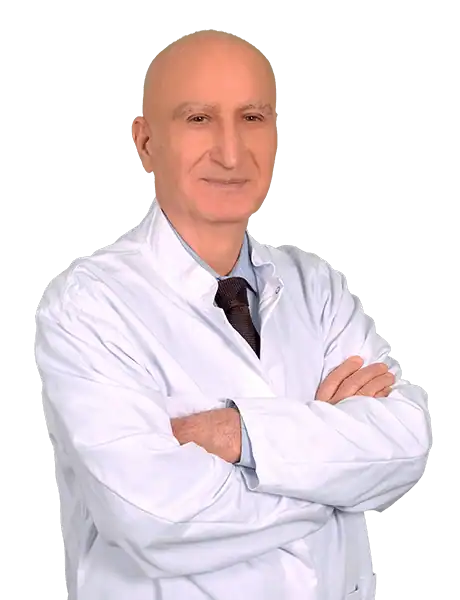
Prof. Dr. Aziz Kaya Alturfan
Orthopedic Surgery & Traumatology
Prof. Dr. Hüseyin Bayram
Orthopedic Surgery & Traumatology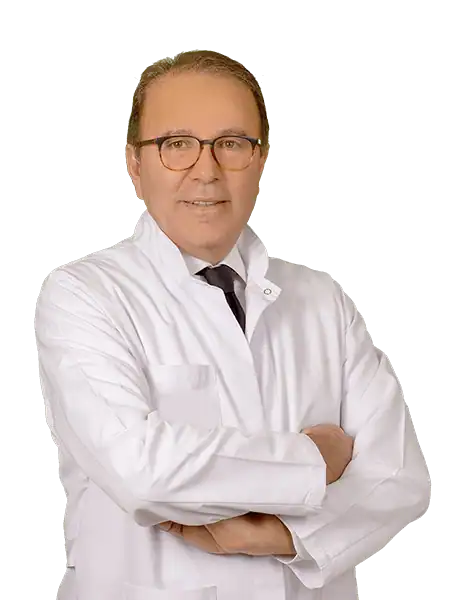
Prof. Dr. Mehmet Serdar Binnet
Orthopedic Surgery & Traumatology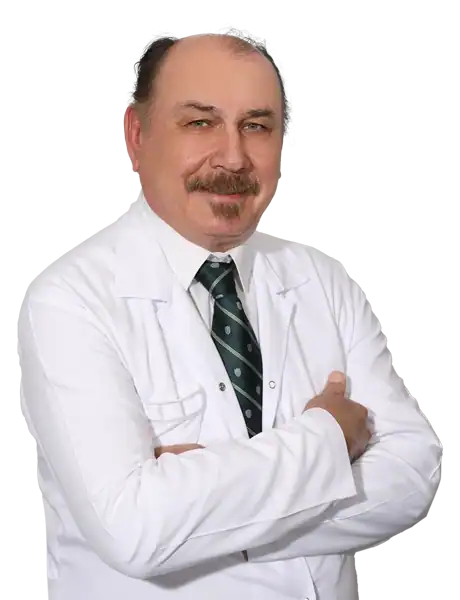
Prof. Dr. Mahir Gülşen
Orthopedic Surgery & Traumatology
Prof. Dr. Mustafa Herdem
Orthopedic Surgery & TraumatologyMedical Units
Available at These Hospitals