Prone: What Patients Need to Know
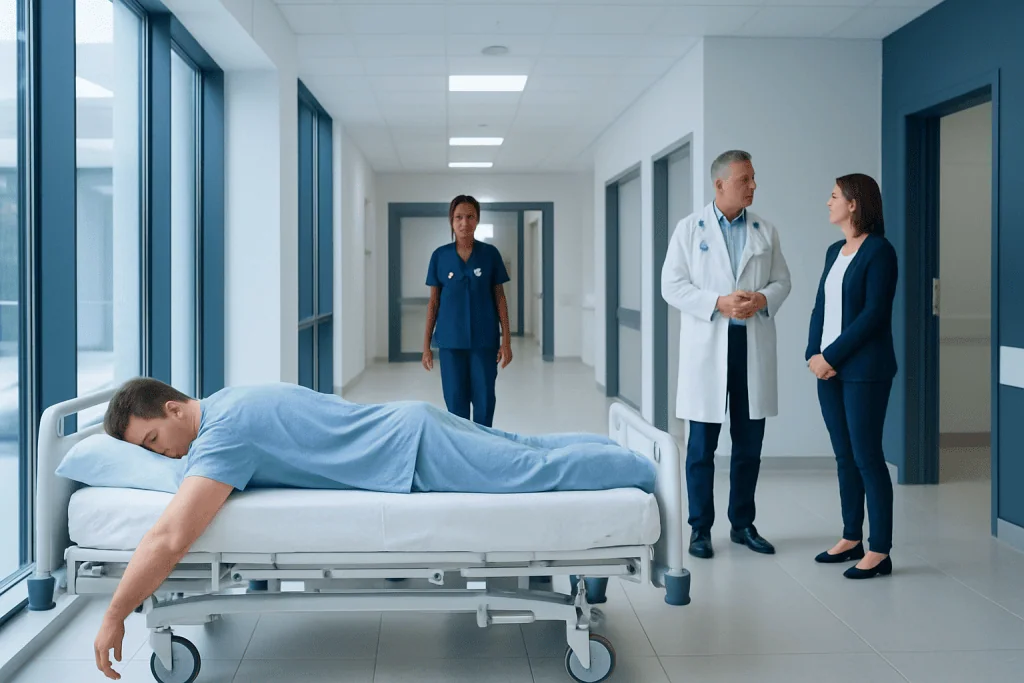
Prone describes a face-down body position used in everyday language and in medical care. Healthcare teams use the prone position for certain scans, operations, pain treatments, and breathing support.
Key Takeaways
- Prone describes a face-down body position used in everyday language and in medical care.
- Healthcare teams use the prone position for certain scans, operations, pain treatments, and breathing support.
- Proning is not suitable for everyone and should be guided by a clinician when illness, injury, or oxygen problems are involved.
- Safe positioning matters because pressure, nerve irritation, falls, and discomfort can occur if posture is not well supported.
- Anyone with chest pain, trouble breathing, severe weakness, or new numbness should seek medical care promptly.
Prone means lying flat with the front of the body facing downward. In medicine, the prone position is used for some examinations, surgeries, imaging tests, and breathing care because it can improve access to the body or support lung function in selected patients.
Overview: what prone means
Prone means lying face down, with the chest and abdomen toward the surface and the back facing up. In simple terms, it is the opposite of lying on the back. People may hear this word in everyday settings, but it is especially common in healthcare, where body position can affect comfort, testing, treatment, and breathing.
In medicine, the prone position is used for several practical reasons. It can give doctors better access to the back, spine, or certain internal structures during examinations and procedures. It can also help during some imaging tests and operations by placing the body in a position that improves visibility or reduces pressure on specific areas.
The term is also often mentioned in respiratory care. In some patients with serious lung illness, a clinician may recommend “proning,” which means spending a period of time in the prone position to support oxygen levels. This approach became more widely known during the COVID-19 pandemic, but it is also used in other situations when the care team believes it may help.
Although prone is a simple word, its meaning depends on context. A person might be asked to lie prone for a physical exam, a massage, a spinal injection, or a scan. In another setting, prone could be part of a hospital treatment plan for breathing support. Understanding the term can make medical instructions easier to follow and less stressful.
How the prone position is used in healthcare
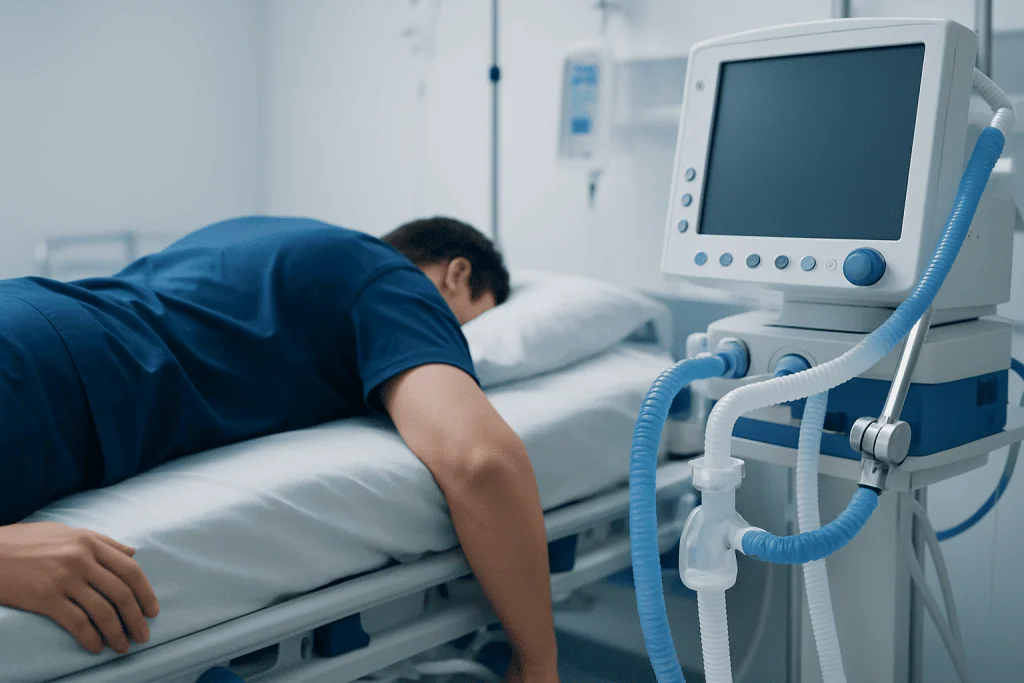
Healthcare professionals use body positioning as a routine part of care. The prone position is common when a doctor needs to examine the back, shoulders, spine, hips, or skin. It may also be used in physical therapy and rehabilitation, where different positions can change how muscles work and how pressure is distributed.
Prone positioning is also used during some procedures and operations. For example, certain spinal surgeries, pain-management injections, and back-focused imaging studies are often performed with the patient lying face down. This can help the clinical team reach the treatment area more directly. In some cases, prone positioning may be part of care related to spine surgery or evaluation for conditions such as a herniated disc.
In respiratory care, proning may improve how air moves through the lungs in selected patients. By changing the body’s position, some parts of the lungs may open more effectively, which can sometimes improve oxygenation. This is usually done under supervision in the hospital when the patient is seriously ill, but some awake patients may also be guided to change position as part of care.
Prone is only one of several common medical positions. Others include supine, which means lying on the back, and lateral, which means lying on the side. Knowing these terms can help patients better understand instructions before a test, procedure, or hospital stay.
Benefits and possible drawbacks
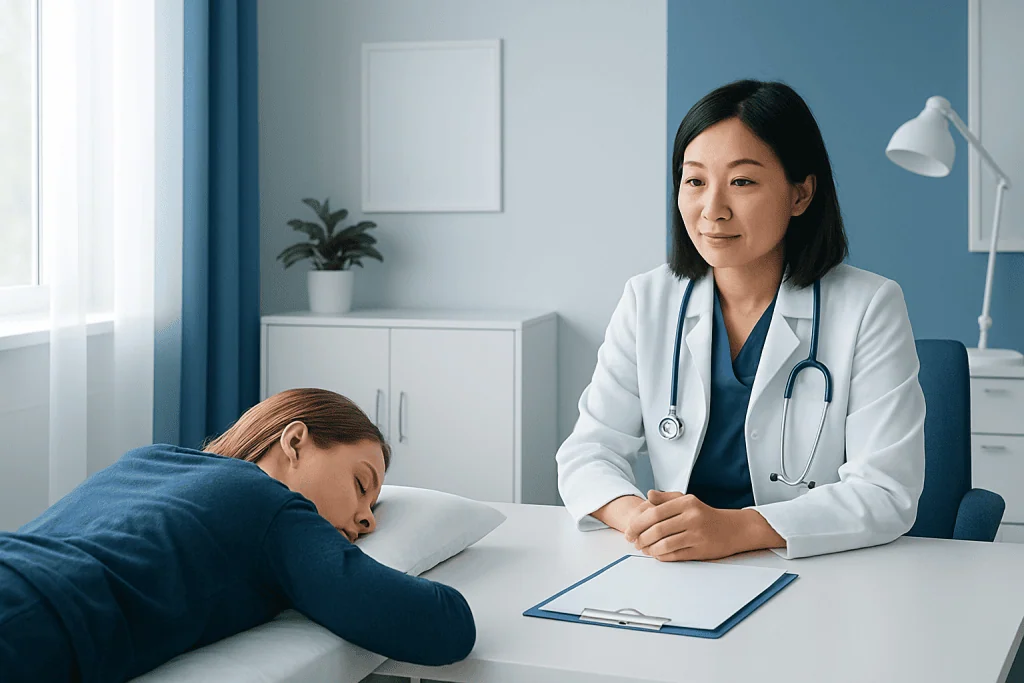
The main benefit of the prone position is that it can make care more effective. For examinations and procedures, it may give better access to the area being treated. For some patients with lung problems, proning can support oxygen levels by changing how blood flow and ventilation are distributed within the lungs.
Prone positioning can also relieve pressure from some parts of the body while placing it on others. Depending on the reason for positioning, this may reduce strain in one area and increase comfort. In rehabilitation or sleep discussions, some people also describe prone as a position that changes spinal alignment or breathing mechanics, although comfort varies from person to person.
At the same time, prone is not automatically comfortable or appropriate for everyone. Lying face down may cause neck strain, pressure on the face, chest, hips, knees, or abdomen, and numbness in the arms if support is poor. In hospital settings, teams use pillows, pads, and careful monitoring to reduce these problems.
Certain patients need special caution. People who are pregnant, have recent abdominal surgery, unstable spinal injury, severe obesity, facial injuries, drains or tubes, or major heart and circulation problems may not tolerate proning well. Clinicians decide whether the benefits outweigh the risks, and they may choose another position if it is safer.
Prone, breathing, and 'proning' in lung care
When people search for the word prone, they are often trying to understand “proning.” In respiratory care, proning refers to placing a patient face down for a period of time to help support breathing. This is most familiar in intensive care, especially for severe lung inflammation or respiratory failure, but it can also be discussed with awake patients who need oxygen support.
The reason proning may help is that the lungs do not work exactly the same in every body position. When a person lies face down, some compressed areas of the lungs may expand better, and oxygen exchange may improve in selected cases. This does not cure the underlying illness, but it can be one useful supportive measure in a broader treatment plan.
Proning should not be started casually at home for significant breathing problems without professional advice. A person with worsening shortness of breath may need urgent assessment, oxygen measurement, or hospital treatment. Conditions such as pneumonia can affect breathing in serious ways, and posture alone is not a substitute for medical evaluation.
In hospital care, proning is planned carefully. Staff protect the skin, eyes, and nerves; secure lines and tubes; and watch for pressure injury or changes in blood pressure and oxygen levels. If breathing symptoms are severe, clinicians may also use tests, medication, oxygen therapy, or advanced support depending on the cause.
Safety, comfort, and positioning tips
For routine exams or short procedures, the healthcare team usually helps the patient into a safe prone position. A pillow may be placed under the head, chest, hips, or ankles to reduce pressure and keep the neck in a more natural alignment. Small adjustments often make a large difference in comfort.
If a person is asked to lie prone at home for exercise, therapy, or clinician-guided recovery, it helps to move slowly and stop if symptoms worsen. Tingling, increasing pain, dizziness, nausea, facial pressure, or trouble breathing are signs that the position may not be suitable at that moment. In some cases, side-lying or lying on the back with support may be more comfortable.
People with back or neck conditions should follow individualized advice. Some conditions improve with certain positions, while others become more painful. For example, if someone is being assessed for ongoing spine pain, the care team may recommend imaging or referral to specialists in orthopedics and traumatology or rehabilitation rather than relying on self-positioning alone.
Safe positioning is especially important for older adults and anyone who is weak or unsteady. Getting into or out of a face-down position can increase the risk of falls. If mobility is limited, it is sensible to ask for assistance rather than forcing the movement.
When prone positioning may be avoided
Prone positioning is not always the best choice. Some people cannot lie comfortably on the stomach because of pain, shortness of breath, recent surgery, pregnancy, or medical devices such as drains, tubes, or casts. The care team considers the whole picture before recommending any position.
People with untreated spinal instability, serious facial trauma, open abdominal wounds, or certain circulation problems may need an alternative approach. In these situations, face-down positioning could increase risk or interfere with monitoring and treatment. A doctor or nurse can explain why a different position is safer.
Children, frail older adults, and patients under anesthesia require extra attention because they may not be able to report discomfort clearly. Padding, frequent checks, and careful handling are used to protect the skin and nerves. During more complex procedures, anesthesiology and surgical teams work together to reduce complications.
If chronic pain, weakness, or mobility limits are making positioning difficult, a broader assessment may help identify the cause. Depending on symptoms, this could include evaluation by rehabilitation, neurology, or spine specialists, and in selected cases treatments related to physical therapy and rehabilitation may be recommended.
When to seek medical care
A person should seek medical advice if lying prone causes significant pain, numbness, weakness, dizziness, or worsening shortness of breath. These symptoms do not always mean something serious, but they deserve attention, especially if they are new, persistent, or clearly getting worse.
Urgent medical care is needed for severe breathing difficulty, chest pain, blue lips, confusion, fainting, sudden one-sided weakness, or loss of bladder or bowel control. These symptoms may point to emergencies that need immediate assessment and should not be managed by changing position alone.
For less urgent concerns, it is reasonable to contact a doctor if a patient has ongoing back pain, suspected nerve compression, poor sleep because no position is comfortable, or repeated discomfort during home recovery exercises. A clinician can look for underlying causes and suggest safer alternatives or further testing.
Near the end of a diagnostic journey, some patients benefit from coordinated specialist care. Acibadem International’s multidisciplinary specialists and JCI-accredited hospitals diagnose and treat a wide range of spine, lung, and rehabilitation-related conditions for international patients when further evaluation is needed.
Frequently asked questions
What does prone mean in medicine?
In medicine, prone means lying face down. The front of the body is toward the bed or table, and the back faces upward. Doctors and nurses use this term during exams, scans, procedures, and some types of breathing support.
Is prone the same as sleeping on the stomach?
Yes, stomach sleeping is a common everyday example of the prone position. However, in healthcare the term is used more broadly and may refer to short-term positioning during treatment or testing. Whether it is comfortable or advisable depends on the person’s condition.
Why do hospitals use the prone position for some patients?
Hospitals use the prone position because it can improve access for procedures and may help lung function in selected patients with serious breathing problems. It is one tool among many and is used only when the care team believes it is appropriate. Patients are monitored closely to reduce pressure-related or positioning-related complications.
Can proning help with breathing at home?
Some clinicians may suggest changing position, including lying prone or side-lying, as part of comfort measures for mild breathing symptoms. But significant shortness of breath should not be treated at home with positioning alone. A qualified clinician should advise whether proning is safe and useful for that person.
Who should avoid lying prone?
Prone positioning may not be suitable for people with recent abdominal surgery, unstable spinal injury, certain heart or circulation problems, facial trauma, or advanced pregnancy. It can also be difficult for people with obesity, severe pain, or medical devices. A doctor can recommend safer alternatives based on the individual situation.
What is the opposite of prone?
The opposite of prone is supine. Supine means lying flat on the back with the face upward. Another common position is lateral, which means lying on one side.
This article is for general information only and is not a substitute for professional medical advice. Please consult a qualified doctor about your individual situation.
Explore treatments in Turkey — costs, top hospitals & a free quote
JCI-accredited · board-certified surgeons · reply within 24h
Add us as a Preferred Source to see more of our trusted health content across Google Search, AI Overviews and Discover.

More from the Health Library
Fistula: An Evidence-Based Guide for Patients
Hip Bone — Explained by Medical Evidence, Not Myths

Black seed benefits for female: A Complete Medical Guide for Patients

Doxazosin: An Evidence-Based Guide for Patients
Same Day Dentures: What Patients Need to Know