

Ovulation Symptoms Explained: Common Triggers and Red Flags

Ovulation symptoms vary widely; some people notice several signs and others notice none. Typical symptoms include clear slippery cervical mucus, mild one-sided pelvic pain, bloating, and increased libido.
Key Takeaways
- Ovulation symptoms vary widely; some people notice several signs and others notice none.
- Typical symptoms include clear slippery cervical mucus, mild one-sided pelvic pain, bloating, and increased libido.
- Ovulation symptoms can overlap with other conditions, so symptoms alone do not confirm ovulation with certainty.
- Severe pain, fever, fainting, heavy bleeding, or ongoing symptoms are not typical and need medical assessment.
- Tracking cycles, cervical mucus, and temperature can help identify patterns over time.
Ovulation symptoms are the physical changes some people notice when an ovary releases an egg, usually around the middle of the menstrual cycle. Common signs include clear stretchy cervical mucus, mild one-sided pelvic discomfort, bloating, and a temporary rise in basal body temperature, while severe pain, heavy bleeding, or persistent symptoms should be checked by a doctor.
Overview: what ovulation symptoms usually mean
Ovulation symptoms are changes that may happen when the body prepares to release an egg from the ovary. For many people, this occurs about once per menstrual cycle, often around the middle of the cycle, although the exact timing can vary from person to person and even from month to month.
Common ovulation symptoms include clear, stretchy cervical mucus, mild pelvic discomfort on one side, bloating, breast tenderness, and a subtle shift in body temperature. These changes are mainly driven by normal hormone fluctuations, especially rising estrogen before ovulation and progesterone after it.
Not everyone notices ovulation symptoms. Some people have very obvious signs, while others have none at all and still ovulate normally. Symptoms can also be affected by stress, travel, sleep changes, recent pregnancy, breastfeeding, perimenopause, or underlying gynecologic conditions.
Because symptoms can overlap with other causes of pelvic pain or abnormal bleeding, they are best understood as clues rather than proof. When symptoms are unusual, very painful, or disruptive, medical evaluation helps rule out other conditions and guide the next steps.
Common ovulation symptoms and what they feel like
The most well-known sign of ovulation is a change in cervical mucus. Around the fertile window, vaginal discharge often becomes more abundant, slippery, and stretchy, sometimes compared with raw egg white. This texture helps sperm move more easily through the reproductive tract.
Some people feel mild ovulation pain, sometimes called mittelschmerz. This is usually a brief ache, twinge, pressure, or cramp on one side of the lower abdomen, depending on which ovary is releasing an egg. It may last minutes to hours, and sometimes up to a day or two, but it is generally mild.
Other possible ovulation symptoms include:
- Light bloating or a feeling of pelvic fullness
- Breast tenderness
- A mild increase in sex drive
- Heightened sense of smell in some people
- Very light spotting or pink-tinged discharge
- A small rise in basal body temperature after ovulation
These symptoms do not appear in every cycle. They also do not always occur together. A person may notice only cervical mucus changes, only pelvic discomfort, or no clear symptoms at all. Tracking patterns for several months can be more helpful than interpreting a single cycle in isolation.
Why ovulation symptoms happen

Ovulation symptoms happen because hormone levels change rapidly during the menstrual cycle. In the first half of the cycle, estrogen rises and helps mature an egg within the ovary. This estrogen increase also causes the cervix to produce clearer and more elastic mucus.
When the hormone luteinizing hormone surges, the ovary releases the egg. The release itself, along with slight stretching of the ovary or a small amount of fluid from the follicle, may contribute to one-sided pelvic discomfort. This helps explain why ovulation pain is often short-lived and localized.
After ovulation, progesterone rises. This hormone can slightly increase resting body temperature and may contribute to breast tenderness, bloating, or a sense of heaviness. These later changes can continue into the second half of the cycle and may overlap with premenstrual symptoms.
Normal hormonal variation explains many ovulation symptoms, but similar signs can occur in other situations too. For example, pelvic pain may also be linked with ovarian cysts, infection, or endometriosis, while irregular discharge or bleeding may reflect hormonal imbalance, pregnancy-related changes, or other gynecologic conditions.
What affects how noticeable ovulation symptoms are
Some cycles are more symptomatic than others. Age, stress, poor sleep, intense exercise, illness, and changes in body weight can all influence hormone patterns and make ovulation symptoms more or less noticeable. In perimenopause, cycles often become less predictable, and symptoms may change in timing or intensity.
Hormonal contraception usually prevents ovulation, so people using many birth control methods may not experience true ovulation symptoms. Fertility medications, on the other hand, can sometimes make ovarian activity more noticeable. After pregnancy or during breastfeeding, ovulation may be delayed or irregular, especially early on.
Underlying reproductive health conditions can also change symptoms. Examples include polycystic ovary syndrome, ovarian cysts, uterine fibroids, and polycystic ovary syndrome. These conditions may affect cycle regularity, discharge patterns, pain, or the ability to predict fertile days based on symptoms alone.
If cycles are very irregular, absent, or unusually painful, symptom tracking should be paired with medical assessment rather than used as a standalone guide. This is especially important for those trying to conceive, those with known hormonal disorders, or anyone whose symptoms are new and persistent.
How ovulation is identified and when symptoms are not enough
Symptoms can suggest ovulation, but they cannot confirm it with complete certainty. Cervical mucus changes may happen before ovulation, while a basal body temperature rise is usually seen after ovulation has already occurred. Pelvic discomfort may be related to ovulation, but it can also have other causes.
For home tracking, common tools include cycle calendars, basal body temperature charts, and urine ovulation predictor kits that detect the luteinizing hormone surge. These methods can be useful for understanding the fertile window, especially when used together over several cycles.
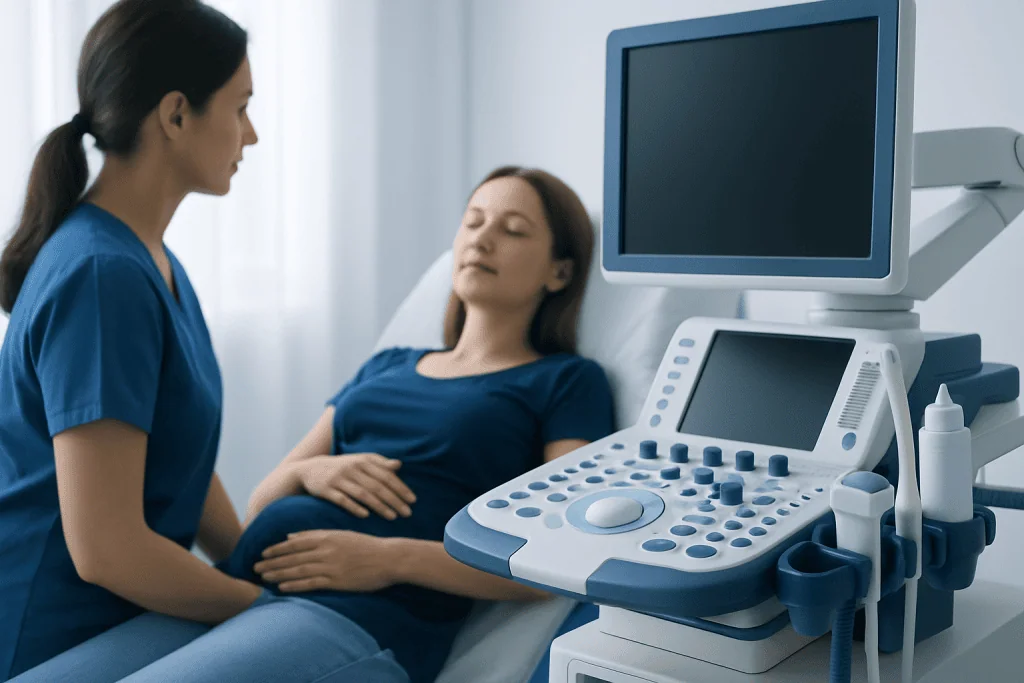
When symptoms are unclear or fertility is a concern, a doctor may recommend additional evaluation. This can include a pelvic examination, blood tests for hormone levels, or pelvic ultrasound to look at the ovaries and uterus. In some cases, specialist care in fertility and IVF services may be discussed if conception has been difficult or ovulation problems are suspected.
Evaluation is also important when pain is stronger than expected, bleeding is unusual, or cycles are very irregular. A clinician may look for conditions such as ovarian cysts, infection, thyroid disease, or structural causes within the pelvis rather than assuming symptoms are due only to normal ovulation.
Managing normal ovulation symptoms and supporting cycle awareness
When ovulation symptoms are mild, they usually do not require medical treatment. Rest, hydration, light movement, and simple comfort measures such as a warm compress on the lower abdomen may help relieve minor pelvic discomfort or bloating. Gentle attention to sleep, nutrition, and stress management may also support more consistent cycle tracking.
Keeping a symptom diary can be practical and reassuring. Recording the first day of each period, discharge changes, one-sided pain, spotting, and basal body temperature may reveal a recurring pattern over time. This can be useful for fertility awareness, symptom discussions with a doctor, or recognizing when something differs from the usual pattern.
If symptoms interfere with daily life, a doctor can advise on appropriate treatment based on the cause. Care may involve gynecologic assessment, monitoring with pelvic ultrasound imaging, or treatment directed at an underlying condition rather than ovulation itself.
Near the end of the care pathway, some patients may benefit from multidisciplinary women’s health support. Acibadem International’s specialists in gynecology, reproductive endocrinology, and imaging at JCI-accredited hospitals diagnose and treat ovulation-related concerns for international patients when further evaluation is needed.
When to seek medical care
Mild, short-lived discomfort and temporary mucus changes are often normal ovulation symptoms. Medical care is recommended, however, if symptoms are severe, recurrent, or different from the usual pattern. This is especially true when pelvic pain limits movement, wakes a person from sleep, or continues beyond a day or two.
A doctor should also assess heavy bleeding, bleeding between periods that keeps recurring, fever, vomiting, fainting, dizziness, pain during sex, or unusual vaginal discharge with odor or irritation. These are not typical ovulation symptoms and may point to infection, a cyst complication, or another gynecologic problem.
People trying to conceive may also want evaluation if cycles are very irregular, periods are absent, or ovulation is difficult to predict. Depending on the findings, doctors may recommend further gynecologic care or in vitro fertilization (IVF)-related fertility assessment for persistent ovulation or conception concerns.
Urgent assessment is important for sudden severe one-sided pain, pain with fever, fainting, shoulder pain, or a positive pregnancy test with pelvic pain or bleeding. These symptoms need prompt medical attention because they can signal conditions that should not be managed at home.
Frequently asked questions
How long do ovulation symptoms last?
Ovulation symptoms are usually brief. Cervical mucus changes may last a few days around the fertile window, while one-sided pelvic discomfort is often short-lived and commonly lasts hours rather than days. If pain persists or becomes intense, it should be evaluated.
Can someone ovulate without noticing any symptoms?
Yes. Many people ovulate normally without obvious symptoms. The absence of noticeable signs does not necessarily mean there is a problem with ovulation.
Is ovulation pain normal every month?
Some people notice mild ovulation pain regularly, while others feel it only occasionally or not at all. Mild, short-lived discomfort can be normal, but severe, worsening, or persistent pain is not typical and deserves medical review.
What does ovulation discharge look like?
Ovulation discharge is often clear, slippery, and stretchy. Many people describe it as similar to raw egg white. It may become more noticeable for a few days during the fertile window.
Do ovulation symptoms mean pregnancy is possible?
Ovulation symptoms can suggest that the fertile window is approaching or occurring, so pregnancy is possible if sperm are present. However, symptoms alone cannot confirm the exact timing of ovulation or whether conception will happen.
Can ovulation cause spotting?
Light spotting can occur around ovulation in some people. It is usually minimal and short-lived. Recurrent bleeding between periods, heavy bleeding, or bleeding with pain should be assessed by a doctor.
When should a person worry about ovulation symptoms?
A person should seek medical advice if symptoms are severe, last longer than expected, or come with fever, vomiting, fainting, heavy bleeding, or unusual discharge. New symptoms after a positive pregnancy test also need prompt assessment.
References
- American College of Obstetricians and Gynecologists
- Office on Women's Health
- Mayo Clinic
- National Health Service
- Merck Manual Consumer Version
This article is for general information only and is not a substitute for professional medical advice. Please consult a qualified doctor about your individual situation.
Persistent digestive symptoms? Get evaluated in Turkey
JCI-accredited · board-certified surgeons · reply within 24h
Add us as a Preferred Source to see more of our trusted health content across Google Search, AI Overviews and Discover.
Check your numbers in seconds
BMI, calories, due date, blood pressure and 30+ more clinical calculators — free, instant, doctor-reviewed ranges.

More from the Health Library



Related Specialists

Dr. Sevda Arık Tekin
Ophthalmology
Dr. A. Ezgi Sancaklı
Gynecology & Obstetrics
Dr. Göker Utku Değer
Orthopedic Surgery & Traumatology
Dr. Mehmet Celal Şen
Pediatric Surgery