Lump Bum Hole: A Complete Medical Overview

A lump near the anus can have several causes, including hemorrhoids, skin tags, abscesses, cysts, warts, or less commonly tumors. Pain, swelling, bleeding, pus, fever, or a lump that does not go away are important signs that need medical attention.
Key Takeaways
- A lump near the anus can have several causes, including hemorrhoids, skin tags, abscesses, cysts, warts, or less commonly tumors.
- Pain, swelling, bleeding, pus, fever, or a lump that does not go away are important signs that need medical attention.
- Doctors usually diagnose the cause with a history, physical exam, and sometimes anoscopy or imaging.
- Treatment depends on the cause and may include self-care, medicines, drainage of an abscess, or minor procedures.
- Good bowel habits, hydration, fiber, and avoiding straining can help lower the risk of some anal lumps.
A lump bum hole usually means a lump near the anus, and common causes include hemorrhoids, skin tags, abscesses, fissures, or cysts. Many are not dangerous, but a new, painful, bleeding, or persistent lump should be assessed by a qualified doctor to confirm the cause and guide treatment.
Overview: What a Lump Near the Anus Can Mean
A lump bum hole commonly refers to a lump at or around the anus. In many cases, the cause is benign and treatable, such as hemorrhoids, a skin tag, or a small cyst. However, because the area can also be affected by infection, inflammatory disease, or rarely cancer, a proper diagnosis is important when a lump is new, painful, bleeding, or persistent.
The anus and surrounding skin contain blood vessels, glands, connective tissue, and nerve endings. Different problems in these tissues can create a lump. Some lumps feel soft and itchy, while others are tender, firm, or swollen. The exact location, how long it has been present, and whether there are symptoms like bleeding, discharge, fever, or bowel changes can offer clues to the cause.
People often delay getting checked because they feel embarrassed. This is very common, but doctors are used to assessing anorectal symptoms in a respectful and routine way. Early evaluation can bring relief, especially if the cause is an infection such as a fistula near the anus or a painful abscess that needs treatment.
Common Symptoms and What They Suggest
Not all anal lumps feel the same. A soft or fleshy lump that is painless may be a skin tag. A tender bluish lump that appears suddenly can suggest a thrombosed external hemorrhoid. A painful swollen area with warmth, redness, or throbbing may point to an abscess. Small bumps that itch or multiply over time can be caused by warts.
Bleeding with bowel movements is another common symptom. Bright red blood on toilet paper or in the toilet bowl can happen with hemorrhoids or an anal fissure, which is a small tear in the anal lining. A fissure may also cause sharp pain during and after passing stool. Mucus, pus, or a bad-smelling discharge can suggest infection or an anal fistula.
Some symptoms deserve extra attention because they are less typical of simple hemorrhoids. These include unexplained weight loss, ongoing change in bowel habits, a hard fixed lump, persistent bleeding, or pain that keeps getting worse. While these signs do not automatically mean cancer, they should be reviewed promptly by a doctor.
- Pain or throbbing: often seen with abscess, fissure, or thrombosed hemorrhoid
- Itching or irritation: often linked to skin tags, hemorrhoids, or dermatitis
- Bleeding: may occur with hemorrhoids, fissures, inflammation, or tumors
- Fever or feeling unwell: raises concern for infection
Possible Causes and Risk Factors
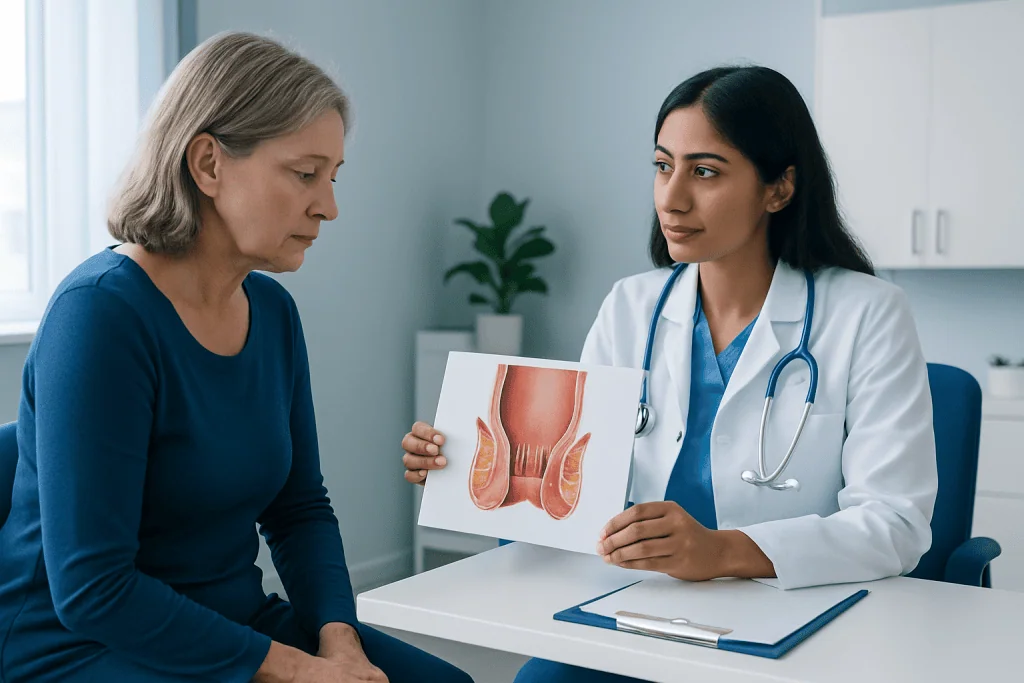
Hemorrhoids are one of the most common reasons for a lump near the anus. They are swollen veins in or around the lower rectum and anus. External hemorrhoids can be felt as a lump, especially if they clot and become thrombosed. Risk factors include constipation, straining, prolonged sitting on the toilet, pregnancy, obesity, and a low-fiber diet. When symptoms are troublesome, doctors may discuss measures ranging from lifestyle steps to hemorrhoid treatment.
Skin tags are another frequent cause. These soft folds of skin may remain after a healed hemorrhoid or fissure, or they may simply develop from friction and irritation. They are usually harmless but can make cleaning difficult and contribute to discomfort or itching.
Infections can create painful lumps. A perianal abscess forms when a gland near the anus becomes blocked and infected. It often causes severe pain, swelling, and sometimes fever. Some abscesses are connected to a small tunnel called a fistula. Other causes of anal or perianal lumps include epidermoid cysts, hidradenitis suppurativa, genital warts caused by human papillomavirus, inflammatory bowel disease such as Crohn's disease, and, less commonly, anal or rectal tumors.
Risk factors vary by condition but may include chronic diarrhea or constipation, heavy lifting, poor local hygiene, diabetes, immune suppression, smoking, sexually transmitted infections, and previous anorectal surgery. A doctor considers these factors together with the appearance of the lump to narrow the diagnosis.
How Doctors Diagnose an Anal Lump
Diagnosis starts with a medical history. The doctor may ask when the lump first appeared, whether it changes size, and if there is pain, bleeding, itching, discharge, fever, constipation, diarrhea, or bowel habit changes. They may also ask about previous hemorrhoids, fissures, inflammatory bowel disease, sexual health, and family history of colorectal disease.
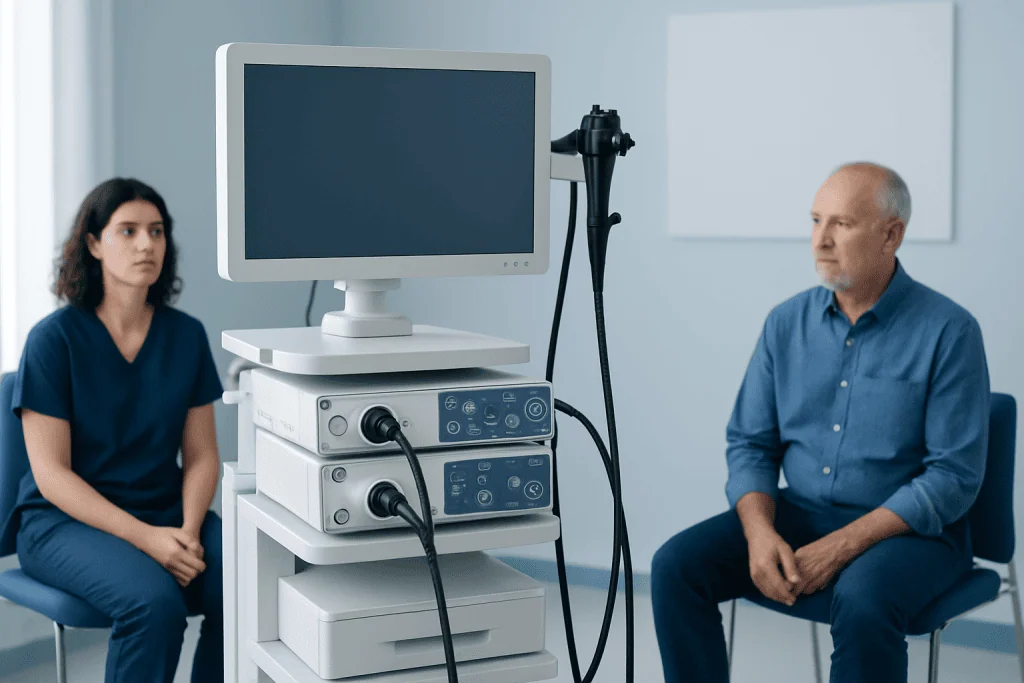
A physical examination usually includes inspection of the skin around the anus and a gentle digital rectal exam if appropriate. In many cases, this is enough to identify common conditions such as external hemorrhoids, skin tags, fissures, or abscesses. If more information is needed, the doctor may use anoscopy, a short examination of the anal canal with a small lighted instrument.
Further tests are only used when clinically necessary. These may include blood tests if infection is suspected, swabs for certain infections, colonoscopy if there is unexplained bleeding or bowel habit change, or imaging such as ultrasound or MRI when an abscess or fistula is suspected. If a lesion looks unusual or does not heal, a biopsy may be recommended to rule out less common causes, including cancer.
Treatment Options: From Self-Care to Procedures
Treatment depends entirely on the cause. Mild hemorrhoids may improve with increased fiber, hydration, warm sitz baths, and avoiding straining. Doctors sometimes recommend topical or oral medicines for symptom relief. If hemorrhoids are large, recurrent, or very painful, office-based procedures or surgery may be considered. In selected cases, this can include hemorrhoid surgery.
Skin tags often do not need treatment unless they cause repeated irritation, hygiene problems, or cosmetic concern. Anal fissures are commonly managed with stool-softening strategies, pain relief, and medicines that relax the anal sphincter. If a fissure becomes chronic, procedural treatment may be considered. Cysts may simply be observed or, if infected or bothersome, removed or drained.
A perianal abscess usually needs prompt drainage rather than home treatment alone. Antibiotics may be used in some situations, but they do not replace drainage when an abscess is present. If a fistula is found, treatment may involve a dedicated procedure such as fistula treatment to prevent recurring infection and drainage.
If the lump is caused by warts, inflammatory bowel disease, or another specific condition, treatment is tailored accordingly. Rarely, if cancer is suspected or confirmed, management may involve colorectal surgeons, gastroenterologists, oncologists, and imaging specialists. The best approach is based on the diagnosis, symptom severity, and the person’s overall health.
Prevention and Self-Care
Not every anal lump can be prevented, but some simple habits can reduce the risk of hemorrhoids, fissures, and irritation. A fiber-rich diet helps keep stools soft and easier to pass. Drinking enough water, staying physically active, and responding to the urge to have a bowel movement without delaying can also support healthy bowel function.
It is helpful to avoid prolonged sitting on the toilet and repeated straining. Gentle cleaning after bowel movements can reduce irritation; harsh wiping and heavily fragranced products may make symptoms worse. Loose, breathable clothing may also help if there is friction or moisture around the area.
People with recurring constipation or diarrhea should discuss this with a healthcare professional rather than relying on repeated self-treatment. Ongoing bowel symptoms may point to an underlying digestive or inflammatory problem. For people with known bowel conditions, careful follow-up can lower the chance of complications around the anus.
- Eat more fiber from vegetables, fruit, legumes, and whole grains
- Drink fluids regularly unless a doctor has advised otherwise
- Exercise most days of the week if possible
- Avoid straining and long toilet sessions
- Seek early care for pain, swelling, or discharge
When to Seek Medical Care
Medical review is advisable if a lump near the anus is new, lasts more than a short time, keeps returning, or causes concern. Prompt care is especially important when there is severe pain, rapidly increasing swelling, bleeding, pus, fever, or difficulty passing stool. These features may suggest an abscess, a thrombosed hemorrhoid, or another condition that benefits from timely treatment.
People should also seek care if they notice a hard or fixed lump, unexplained weight loss, persistent change in bowel habits, or bleeding that is not clearly linked to a minor cause. Older adults and those with a personal or family history of colorectal disease should be particularly careful about not assuming every anal lump is a hemorrhoid.
In children, during pregnancy, or in people with diabetes, weakened immunity, or inflammatory bowel disease, a lower threshold for medical assessment is sensible. A doctor can help distinguish between common benign causes and conditions that need more specific treatment.
For international patients who need evaluation or treatment, Acibadem International’s multidisciplinary specialists and JCI-accredited hospitals provide diagnosis and care for anorectal conditions in a coordinated setting.
Frequently asked questions
Is a lump bum hole always a hemorrhoid?
No. Hemorrhoids are common, but a lump near the anus can also be a skin tag, abscess, fissure-related swelling, cyst, wart, fistula, or less commonly a tumor. A doctor can usually tell the difference with an examination.
How can someone tell if the lump is serious?
Warning signs include severe pain, fever, pus, increasing redness, persistent bleeding, a hard lump, or a lump that does not go away. These do not confirm a dangerous problem, but they should prompt medical review. Any concerning or unusual symptom deserves assessment.
Can an anal lump go away on its own?
Some can. Small hemorrhoids, minor swelling, or irritation may improve with bowel habit changes and self-care. Others, especially abscesses or persistent lumps, need medical treatment and should not be ignored.
Should someone squeeze or try to drain the lump at home?
No. Squeezing or cutting a lump can worsen pain, spread infection, and delay proper treatment. If the area is painful, swollen, or draining, it is safer to seek medical advice.
What doctor treats a lump near the anus?
A primary care doctor can often assess the problem first. Depending on the suspected cause, they may refer to a gastroenterologist, dermatologist, general surgeon, or colorectal surgeon for further care.
Can constipation cause a lump near the anus?
Constipation can contribute indirectly. Hard stools and straining increase the risk of hemorrhoids and fissures, both of which may cause a lump or swelling near the anus. Treating constipation is often an important part of prevention and symptom relief.
This article is for general information only and is not a substitute for professional medical advice. Please consult a qualified doctor about your individual situation.
Explore treatments in Turkey — costs, top hospitals & a free quote
JCI-accredited · board-certified surgeons · reply within 24h
Add us as a Preferred Source to see more of our trusted health content across Google Search, AI Overviews and Discover.

More from the Health Library

Bloated Sore Lower Stomach: An Evidence-Based Guide for Patients

Cyclobenzaprine — Explained by Medical Evidence, Not Myths

Scleral Lenses: An Evidence-Based Guide for Patients

Stages of a Wart Falling Off Pictures: A Complete Medical Overview

Infected Scab: An Evidence-Based Guide for Patients