Infected Scab: An Evidence-Based Guide for Patients

A normal scab protects healing skin, but an infected scab usually becomes more red, tender, swollen, or drains pus. Mild skin injury can become infected if bacteria enter through broken skin, especially when a wound is picked, irritated, or not cleaned well.
Key Takeaways
- A normal scab protects healing skin, but an infected scab usually becomes more red, tender, swollen, or drains pus.
- Mild skin injury can become infected if bacteria enter through broken skin, especially when a wound is picked, irritated, or not cleaned well.
- Treatment depends on severity and may include wound care, topical treatment, drainage, or oral antibiotics prescribed by a doctor.
- Fever, spreading redness, severe pain, or infection near the eyes, face, hands, or genitals needs prompt medical assessment.
- Good wound hygiene, avoiding picking, and keeping dressings clean can help prevent a scab from becoming infected.
An infected scab is a scab over a wound that shows signs of infection rather than steady healing. Common clues include increasing redness, warmth, swelling, drainage, bad odor, or pain that gets worse instead of better.
Overview: What an Infected Scab Means
An infected scab is a scab that forms over injured skin but develops signs that bacteria or, less commonly, other germs are interfering with normal healing. A healthy scab usually becomes drier, smaller, and less tender over time. By contrast, an infected scab often looks more inflamed and feels more painful as the days pass.
A scab itself is part of the body’s repair process. It forms when blood and wound fluid dry over a cut, scrape, insect bite, or other skin injury. This temporary covering helps protect tissue underneath while new skin grows. If germs enter the wound and multiply, the area may become infected before the skin has fully healed.
Many small wounds can heal at home with gentle care, but it helps to know the difference between expected healing and warning signs. Recognizing an infected scab early can reduce the risk of the infection spreading deeper into the skin or surrounding tissue, such as cellulitis.
How to Tell if a Scab Is Infected
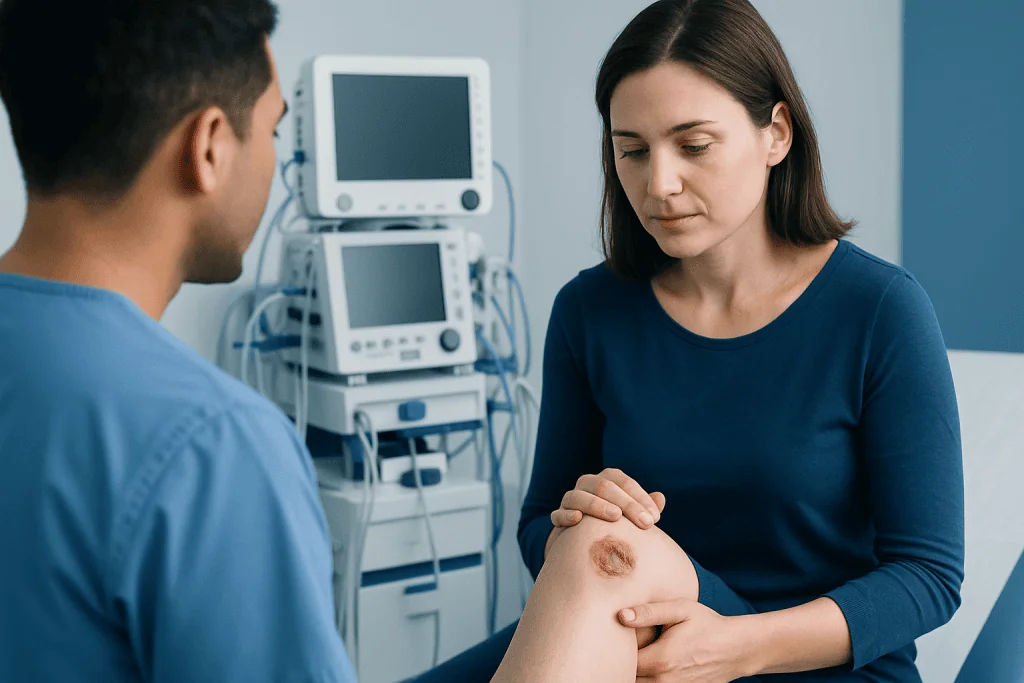
Some redness and mild tenderness are common in the first stage of healing, especially after a scrape or cut. However, signs of infection tend to become more noticeable instead of settling down. The area may look increasingly red or swollen, feel warm, or become more sensitive to touch.
Drainage is another important clue. Clear fluid can be part of healing, but thick yellow, green, or foul-smelling discharge suggests infection. The scab may soften, crack open, or ooze. In some cases, the surrounding skin becomes shiny, tight, or more painful than expected for a minor wound.
Symptoms that may suggest an infected scab include:
- Redness that spreads beyond the wound edges
- Increasing pain or throbbing
- Swelling or warmth
- Pus or cloudy drainage
- Bad odor from the wound
- Scab that does not improve or seems to worsen
- Fever or feeling generally unwell
- Red streaks moving away from the wound
Not every irritated scab is infected. Friction from clothing, allergic reaction to a bandage, dry skin, or repeated picking can also cause redness. A doctor can help distinguish irritation from infection if the picture is unclear.
Why Scabs Become Infected
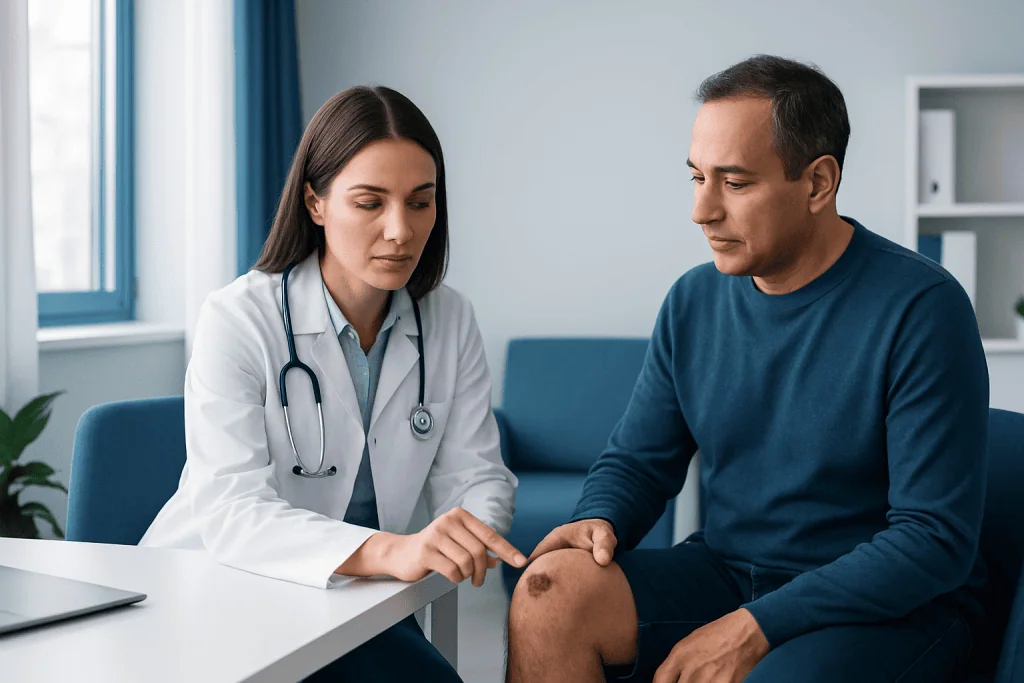
Most infected scabs begin with a break in the skin. Common examples include cuts, abrasions, shaving nicks, blisters, burns, insect bites, acne lesions, and surgical wounds. Skin normally acts as a barrier, but once it is broken, bacteria from the skin surface, hands, or the environment can enter the tissue.
Picking at a scab is a frequent reason healing is delayed. Repeated touching can reopen the wound, introduce germs, and increase local inflammation. Tight shoes, scratching, sports equipment, or rubbing from clothing can have a similar effect by repeatedly irritating the area.
Some people have a higher risk of wound infection or slower healing. Risk factors include diabetes, poor circulation, weakened immunity, eczema, older age, smoking, malnutrition, and certain medicines such as corticosteroids or chemotherapy. Wounds on the legs and feet may heal more slowly, especially in people with circulation problems or nerve damage.
If a wound is large, deep, contaminated with dirt, caused by an animal or human bite, or related to another skin problem such as eczema, medical evaluation may be especially important. Underlying skin disease can make the area more vulnerable to infection and more difficult to heal.
Diagnosis and What a Doctor May Check
Diagnosis is usually based on the history and physical examination. A doctor will ask how the injury happened, how long the scab has been present, whether symptoms are improving or worsening, and whether there are risk factors such as diabetes or immune suppression. The wound and surrounding skin are then examined closely.
The clinician may check the size of the wound, the depth, the appearance of the scab, the amount and type of drainage, and whether redness is spreading. They may also look for nearby swollen lymph nodes, fever, or signs that the infection has extended into deeper tissue.
Most simple skin infections do not need extensive testing. However, if the infection is severe, recurrent, unusual, or not responding to initial treatment, a swab or sample of drainage may be sent for culture. Blood tests or imaging are occasionally needed if there is concern about a deeper abscess, foreign material in the wound, or infection involving structures beneath the skin.
People with repeated boils, nonhealing wounds, or frequent skin infections may need assessment for conditions that impair healing. In some cases, specialists in dermatology evaluation and treatment or wound management can help identify the cause and guide care.
Treatment Options for an Infected Scab
Treatment depends on how severe the infection is and whether deeper tissue is involved. Many mild wound infections are treated with careful cleaning, protection from further irritation, and prescription treatment when needed. A doctor may advise washing the area gently with clean water or saline, patting it dry, and changing dressings regularly.
Topical antibiotic treatment may be appropriate in selected cases, while other infections need oral antibiotics. It is important not to self-start leftover antibiotics or use strong antiseptics repeatedly unless a clinician recommends them, because some products can irritate tissue and slow healing. If there is a collection of pus under or around the scab, the wound may need professional drainage rather than home squeezing.
Good supportive care also matters. This includes avoiding picking, reducing friction, and protecting the wound from dirt. Pain can often be managed with general measures recommended by a clinician. If the infection is related to an abscess, severe inflammation, or a wound that is not healing, a doctor may recommend specialized wound care or, in selected situations, infectious diseases assessment.
People with diabetes, poor circulation, or wounds on the feet should be especially cautious. Even a small infected scab can become more serious if healing is impaired, so timely medical advice is wise.
Safe Self-Care and Prevention
Preventing infection starts with basic wound care. After a minor cut or scrape, the area should be cleaned gently to remove dirt. A simple dressing can protect the wound while it begins to heal, especially if the area rubs against clothing or is likely to get dirty. Bandages should be changed if wet, soiled, or loose.
Moist, protected healing is often better than letting a wound dry out excessively. A clinician may suggest a suitable ointment or dressing, depending on the wound. What matters most is keeping the wound clean, avoiding trauma, and watching for changes rather than repeatedly scrubbing the area.
Helpful self-care steps include:
- Wash hands before touching the wound or changing a dressing
- Do not pick, peel, or scratch the scab
- Keep nails short if scratching is hard to avoid
- Reduce pressure or rubbing on the area
- Seek advice for wounds caused by bites, burns, or dirty injuries
- Make sure tetanus vaccination is up to date when relevant
People with diabetes should inspect their skin regularly, especially the feet. Managing blood sugar, staying well nourished, and not smoking can support normal healing and reduce infection risk over time.
When to Seek Medical Care
Medical care is recommended if an infected scab does not improve within a day or two of good wound care, or if symptoms continue to worsen. Increasing redness, swelling, tenderness, drainage, or reopening of the wound are practical reasons to arrange an assessment.
Prompt medical attention is important if there is fever, chills, red streaking from the wound, severe pain, rapidly spreading redness, or a large amount of pus. Wounds near the eyes, on the face, hands, feet, or genitals deserve extra care because swelling or deeper infection in these areas can cause more complications.
People with diabetes, poor circulation, weakened immunity, or recent surgery should seek advice earlier than others. Deep puncture wounds, animal or human bites, and injuries with embedded dirt or foreign material may also need professional treatment, even if the infection seems mild at first.
Near the end of the care pathway, some people benefit from multidisciplinary assessment, especially if wounds are slow to heal or linked to underlying disease. Acibadem International’s multidisciplinary specialists at JCI-accredited hospitals evaluate and treat wound-related infections for international patients when advanced diagnosis or coordinated care is needed.
Frequently asked questions
Can an infected scab heal on its own?
A mildly irritated scab may settle with proper wound care, but a truly infected scab may need medical treatment. If redness, pain, swelling, or drainage is increasing rather than improving, it is best to consult a doctor.
What does an infected scab look like?
An infected scab may look more red and swollen than expected, and the surrounding skin may appear warm or shiny. Pus, bad odor, spreading redness, or a scab that becomes softer and starts oozing are common warning signs.
Should a scab be kept dry or covered?
Many minor wounds heal well when kept clean and protected with an appropriate dressing. A completely dry, repeatedly disturbed scab may crack, while a clean covered wound is often less likely to be irritated or contaminated.
Is it safe to remove an infected scab at home?
It is usually not a good idea to pick off or forcefully remove a scab at home. This can reopen the wound, increase bleeding, and introduce more bacteria. If a doctor thinks drainage or cleaning under the scab is needed, they can do it safely.
When does an infected scab require antibiotics?
Antibiotics may be needed when there is clear bacterial infection, especially if redness is spreading, pus is present, or symptoms are worsening. The decision depends on the wound, the person’s health, and whether deeper tissue is involved.
Why does my scab keep getting infected?
Repeated infection can happen if a wound is being picked, rubbed, or exposed to moisture and dirt. It may also point to an underlying issue such as eczema, diabetes, poor circulation, or another condition that slows healing.
References
- Centers for Disease Control and Prevention
- American Academy of Dermatology
- National Health Service
- Mayo Clinic
- World Health Organization
This article is for general information only and is not a substitute for professional medical advice. Please consult a qualified doctor about your individual situation.
Explore treatments in Turkey — costs, top hospitals & a free quote
JCI-accredited · board-certified surgeons · reply within 24h
Add us as a Preferred Source to see more of our trusted health content across Google Search, AI Overviews and Discover.