Rectum — Explained by Medical Evidence, Not Myths

The rectum stores stool before a bowel movement and is part of the lower digestive tract. Symptoms involving the rectum may include pain, bleeding, discharge, constipation, diarrhea, or a feeling of incomplete emptying.
Key Takeaways
- The rectum stores stool before a bowel movement and is part of the lower digestive tract.
- Symptoms involving the rectum may include pain, bleeding, discharge, constipation, diarrhea, or a feeling of incomplete emptying.
- Many rectal symptoms are caused by benign problems such as hemorrhoids or fissures, but some require prompt medical assessment.
- Evaluation may include a physical examination, stool tests, endoscopy, imaging, or biopsy depending on symptoms.
- Treatment depends on the cause and may range from diet changes and medicines to endoscopic or surgical care.
- Persistent bleeding, unexplained weight loss, severe pain, or a new change in bowel habits should be discussed with a doctor.
The rectum is the last section of the large intestine, where stool is stored briefly before it leaves the body through the anus. Understanding how the rectum works can help people recognize normal changes, common symptoms, and when medical evaluation is appropriate.
What the rectum is and why it matters
The rectum is the final part of the large intestine. It acts as a short storage chamber for stool before a bowel movement occurs, helping the body coordinate the urge to pass stool with the muscles of the pelvic floor and anus. Although it is small compared with the rest of the colon, it plays an important role in continence, comfort, and normal digestion.
People often use the terms colon, bowel, anus, and rectum interchangeably, but they are not the same. The colon absorbs water and forms stool, while the rectum holds stool temporarily. The anus is the opening through which stool leaves the body. Knowing this difference can make symptoms easier to describe and can help people understand why doctors may recommend different tests for rectal concerns versus problems higher in the digestive tract.
Rectal symptoms are common and do not always mean a serious disease. For example, constipation, straining, hemorrhoids, or small tears in the lining can all cause discomfort or bleeding. At the same time, the rectum can also be affected by inflammation, infections, polyps, and cancer, so persistent or unusual symptoms should not be ignored.
How the rectum works
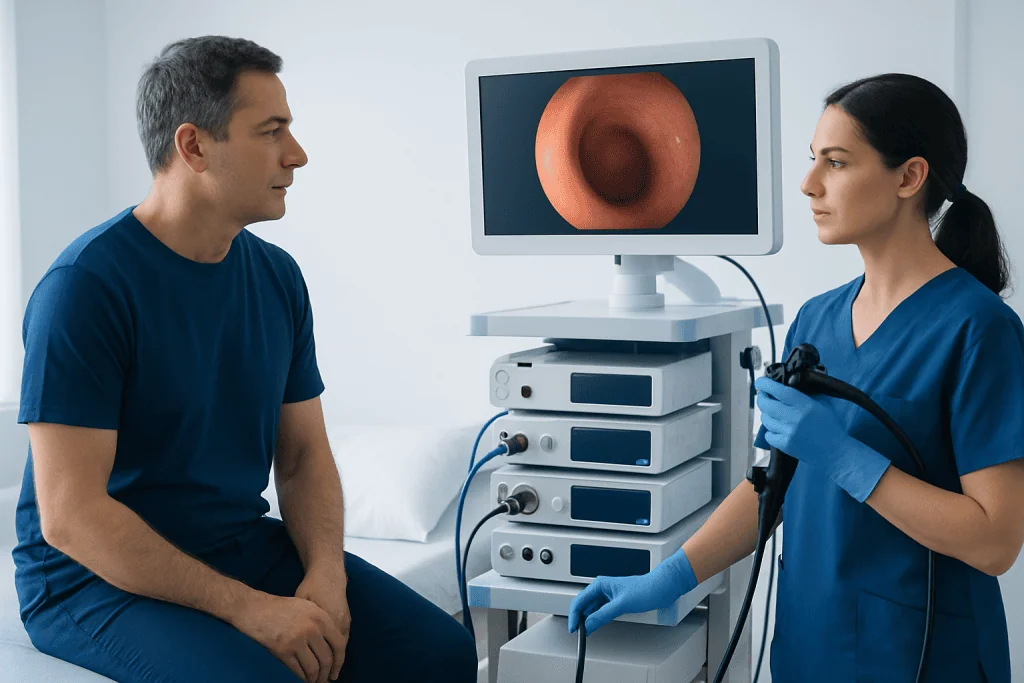
After food is digested, the remaining waste passes through the colon, where water and salts are absorbed. Stool then moves into the rectum. As the rectum stretches, nerves send signals to the brain that create the sensation of needing a bowel movement. The body can then either delay or allow stool to pass, depending on the setting and the function of the pelvic floor and anal sphincter muscles.
This process depends on several systems working together. The rectum must be able to stretch, the nerves must carry normal signals, and the surrounding muscles must relax and tighten at the right time. Problems in any of these areas can lead to constipation, fecal leakage, urgency, or difficulty emptying.
Rectal health can also be influenced by diet, hydration, physical activity, medications, childbirth history, aging, and conditions that affect the nerves or muscles. That is why rectal symptoms may have many different causes, even when they feel similar at first.
Common rectal symptoms and what they can mean
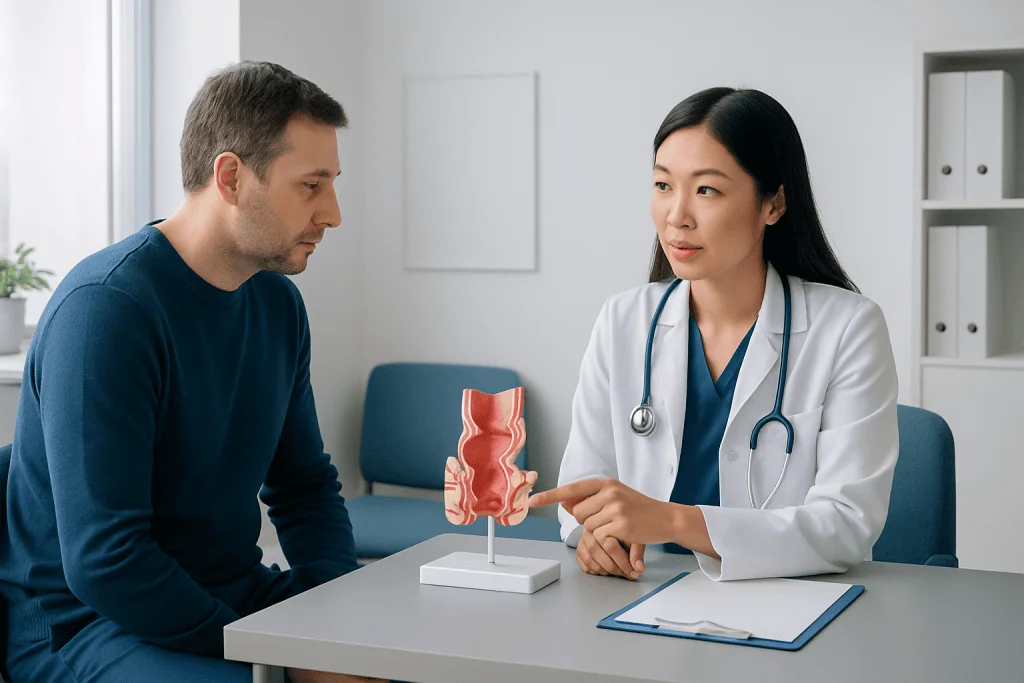
Symptoms involving the rectum may include pain, itching, bleeding, mucus discharge, a feeling of pressure, constipation, diarrhea, urgency, or the sense that the bowel has not emptied fully. Some people notice pain only during bowel movements, while others have discomfort sitting or walking. Bright red blood on toilet paper often comes from the lower rectum or anus, but the exact cause should not be assumed without assessment.
One symptom can have several explanations. Rectal pain may occur with fissures, hemorrhoids, inflammation, infection, muscle spasm, or abscess. Bleeding may be linked to hemorrhoids, but it can also come from polyps, inflammation, diverticular disease higher in the bowel, or colorectal cancer. A new change in stool shape or bowel habits may be temporary, but if it persists, a doctor may advise evaluation for structural or inflammatory conditions.
Symptoms that often deserve attention include:
- Repeated or unexplained rectal bleeding
- Persistent pain or swelling around the anus or rectum
- A lump, prolapse, or discharge
- Changes in bowel habits lasting more than a few weeks
- Unintended weight loss, fatigue, or anemia
- Fever, severe tenderness, or pus, which may suggest infection
Because symptoms overlap, self-diagnosis is not always reliable. A common problem such as hemorrhoids can exist at the same time as another condition, which is one reason medical evaluation may be recommended for ongoing or recurrent symptoms.
Causes and conditions that can affect the rectum
Many rectal problems are noncancerous. Hemorrhoids are enlarged veins in the lower rectum or anus that may cause bleeding, swelling, or discomfort. Anal fissures are small tears that can cause sharp pain and bleeding during bowel movements, especially when stools are hard. Constipation and repeated straining are major contributors to both of these problems.
Inflammatory and infectious conditions can also affect the rectum. Proctitis means inflammation of the rectal lining and may develop because of inflammatory bowel disease, radiation therapy, infection, or reduced blood flow. Ulcerative colitis often involves the rectum and may cause bleeding, urgency, and mucus; some patients may need specialist care for ulcerative colitis. Infections transmitted sexually or through other routes can also cause pain, discharge, and irritation.
Structural changes are another possibility. Rectal prolapse happens when part of the rectum slips downward, sometimes causing a bulge, leakage, or difficulty with bowel movements. Polyps are growths in the lining that may be benign but can sometimes develop into cancer over time. Cancer can arise in the rectum itself and may cause bleeding, altered bowel habits, pelvic discomfort, or unexplained anemia; this is why evaluation of persistent symptoms is important, especially in adults with risk factors or screening needs.
Less common causes include pelvic floor dysfunction, nerve disorders, trauma, and complications after surgery or radiation. Doctors look at the full pattern of symptoms, age, medical history, medications, and family history to narrow down the cause.
How doctors evaluate rectal symptoms
Assessment usually begins with a careful conversation about symptoms, bowel habits, diet, medications, and any personal or family history of colorectal disease. A clinician may ask about the color of blood, whether pain occurs with bowel movements, whether there is constipation or diarrhea, and whether symptoms are new or long-standing. These details help guide the next steps.
A physical examination may include inspection of the anal area and a digital rectal exam, in which a gloved, lubricated finger is used to feel for tenderness, masses, or muscle tone changes. This can be uncomfortable for some people, but it is usually brief and can provide useful information. Depending on the situation, stool testing or blood tests may be recommended to check for infection, inflammation, or anemia.
Doctors may use endoscopic tests to look inside the lower bowel. A flexible sigmoidoscopy examines the rectum and lower colon, while a colonoscopy evaluates the entire colon and rectum and can help identify bleeding sources, polyps, inflammation, or tumors. Imaging studies such as ultrasound, MRI, or CT may be used when there is concern for deeper inflammation, abscess, prolapse, or cancer staging. If an abnormal area is seen, a tissue sample may be taken for analysis.
When cancer is suspected or confirmed, the evaluation may include additional imaging and multidisciplinary planning. In some cases, patients may also be assessed for colon cancer or related colorectal conditions because symptoms can overlap within the lower digestive tract.
Treatment options for rectal conditions
Treatment depends entirely on the underlying cause. For constipation-related irritation, fissures, or mild hemorrhoids, doctors often recommend increasing fiber intake, drinking enough water, avoiding prolonged straining, and using stool-softening strategies when appropriate. Warm baths and prescribed topical medicines may also help ease discomfort. Many people improve with these conservative measures.
If symptoms are linked to inflammation or infection, treatment may involve targeted medicines such as anti-inflammatory drugs, antibiotics, or other therapies based on the diagnosis. People with chronic inflammatory bowel disease may need ongoing specialist follow-up to control flares and protect the bowel lining. Pain should be assessed rather than simply masked, especially if it is severe or recurrent.
Some problems need procedures or surgery. Polyps found during a colonoscopy can often be removed at the same time. Persistent hemorrhoids, prolapse, abscesses, fistulas, and some fissures may require office procedures or operations. Rectal cancer treatment may involve a combination of surgery, radiation therapy, and chemotherapy, depending on the stage and the patient’s overall health.
For selected cancers, modern care may also include advanced planning with pelvic imaging and minimally invasive surgery when suitable. When specialist treatment is needed, Acibadem International’s multidisciplinary specialists and JCI-accredited hospitals diagnose and treat rectal and colorectal conditions for international patients, including cases that may need robotic surgery.
Prevention and self-care for rectal health
Many everyday habits support rectal health. Eating enough fiber from vegetables, fruits, legumes, and whole grains helps stools stay soft and easier to pass. Regular hydration and physical activity can also improve bowel function. Responding to the urge to have a bowel movement rather than delaying it may reduce straining and discomfort.
Bathroom habits matter too. Spending a long time on the toilet, repeated straining, or heavy lifting can worsen some rectal symptoms. Gentle cleansing, avoiding harsh products, and managing diarrhea or constipation early may help protect the delicate skin and lining in this area.
Routine screening is another part of prevention. Colorectal cancer screening can find polyps before they become cancerous and can detect cancers earlier, sometimes before symptoms appear. The best test and timing depend on age, family history, symptoms, and personal risk factors, so people should discuss screening recommendations with a qualified doctor.
Self-care is helpful, but it has limits. Ongoing bleeding, a new lump, severe pain, or symptoms that keep returning should not be managed only at home. A proper diagnosis is the safest way to choose the right treatment.
When to seek medical care
Medical attention is appropriate if rectal symptoms are persistent, worsening, or unexplained. A doctor should assess repeated rectal bleeding, pain that interferes with daily life, a noticeable lump or prolapse, mucus or pus discharge, or bowel habit changes that last more than a few weeks. Even when symptoms seem mild, recurrent episodes deserve evaluation.
Urgent care may be needed for heavy bleeding, black or maroon stool, fever with rectal pain, severe swelling, inability to pass stool or gas, dizziness, or signs of dehydration. These symptoms may point to more serious bleeding, infection, obstruction, or significant inflammation.
People with a personal or family history of colorectal polyps, inflammatory bowel disease, colorectal cancer, or immune system problems should be especially careful not to delay assessment. Early evaluation often helps identify straightforward causes and allows treatment to begin before complications develop.
Frequently asked questions
What is the rectum?
The rectum is the last part of the large intestine, just above the anus. Its main job is to store stool briefly and signal when the body is ready for a bowel movement.
Is rectal bleeding always caused by hemorrhoids?
No. Hemorrhoids are a common cause of bright red bleeding, but bleeding can also come from fissures, inflammation, polyps, infection, or cancer. Because the causes vary, repeated or unexplained bleeding should be discussed with a doctor.
What symptoms suggest a rectal problem?
Common symptoms include pain, bleeding, itching, discharge, constipation, urgency, diarrhea, and a feeling of incomplete emptying. A lump, swelling, or a change in bowel habits can also point to a rectal or lower bowel condition.
How is the rectum examined?
Doctors usually start with a medical history and physical examination, which may include a digital rectal exam. Depending on symptoms, they may also recommend stool tests, blood tests, sigmoidoscopy, colonoscopy, or imaging.
Can rectal pain go away on its own?
Sometimes it can, especially if it is caused by constipation, mild hemorrhoids, or a small fissure. However, pain that is severe, recurrent, or associated with fever, swelling, or bleeding should be assessed by a healthcare professional.
How can people keep the rectum healthy?
Helpful habits include eating enough fiber, drinking fluids, staying active, and avoiding prolonged straining during bowel movements. It is also important to keep up with recommended colorectal screening and seek care for ongoing symptoms.
This article is for general information only and is not a substitute for professional medical advice. Please consult a qualified doctor about your individual situation.
Persistent digestive symptoms? Get evaluated in Turkey
JCI-accredited · board-certified surgeons · reply within 24h
Add us as a Preferred Source to see more of our trusted health content across Google Search, AI Overviews and Discover.

More from the Health Library

Fear of Snakes: An Evidence-Based Guide for Patients

Tyramine — Explained by Medical Evidence, Not Myths

Gas Gangrene: What Patients Need to Know

Oxytocin: An Evidence-Based Guide for Patients

Cyst breakout: Symptoms, Causes, and Treatment — Complete Patient Guide