

Ribcage: What Patients Need to Know
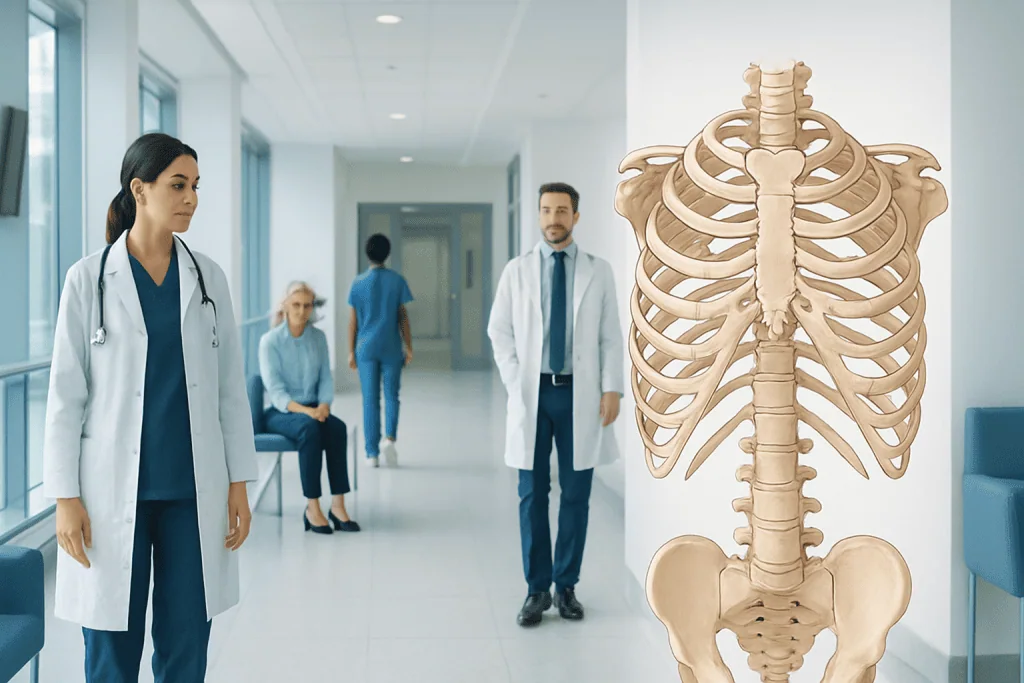
The ribcage protects the heart, lungs, and major blood vessels while helping the chest expand during breathing. Ribcage pain is often caused by muscle strain, minor trauma, inflammation, or coughing, but other chest conditions can also cause similar symptoms.
Key Takeaways
- The ribcage protects the heart, lungs, and major blood vessels while helping the chest expand during breathing.
- Ribcage pain is often caused by muscle strain, minor trauma, inflammation, or coughing, but other chest conditions can also cause similar symptoms.
- Doctors diagnose ribcage problems through a medical history, physical examination, and sometimes imaging tests such as X-ray or CT.
- Treatment depends on the cause and may include rest, pain relief, breathing exercises, and care for any underlying condition.
- Urgent medical care is important for chest pain with shortness of breath, major trauma, fever, or symptoms suggesting heart or lung problems.
The ribcage is the bony framework of the chest that helps protect the heart and lungs and supports breathing. Most ribcage symptoms are related to muscle strain, bruising, inflammation, or minor injury, but persistent, severe, or breathing-related pain should be assessed by a doctor.
Overview: what the ribcage does
The ribcage is the framework of bones and cartilage that surrounds the chest. It includes the ribs, the breastbone (sternum), and the thoracic spine at the back. Its main role is to protect important organs such as the heart and lungs while also helping the body breathe efficiently.
As a person inhales, the ribcage moves slightly to allow the lungs to expand. Muscles between the ribs and the diaphragm work together to create this movement. Because the ribcage is involved in both protection and breathing, discomfort in this area can feel especially noticeable even when the cause is not serious.
Patients often use the word “ribcage” to describe pain anywhere around the upper abdomen, sides of the chest, or upper back. In practice, symptoms may come from the ribs themselves, nearby muscles and cartilage, the lungs, or even organs outside the chest. For that reason, ribcage symptoms are best understood by looking at the pattern of pain, any injury history, and whether breathing or movement makes the discomfort worse.
Common ribcage symptoms
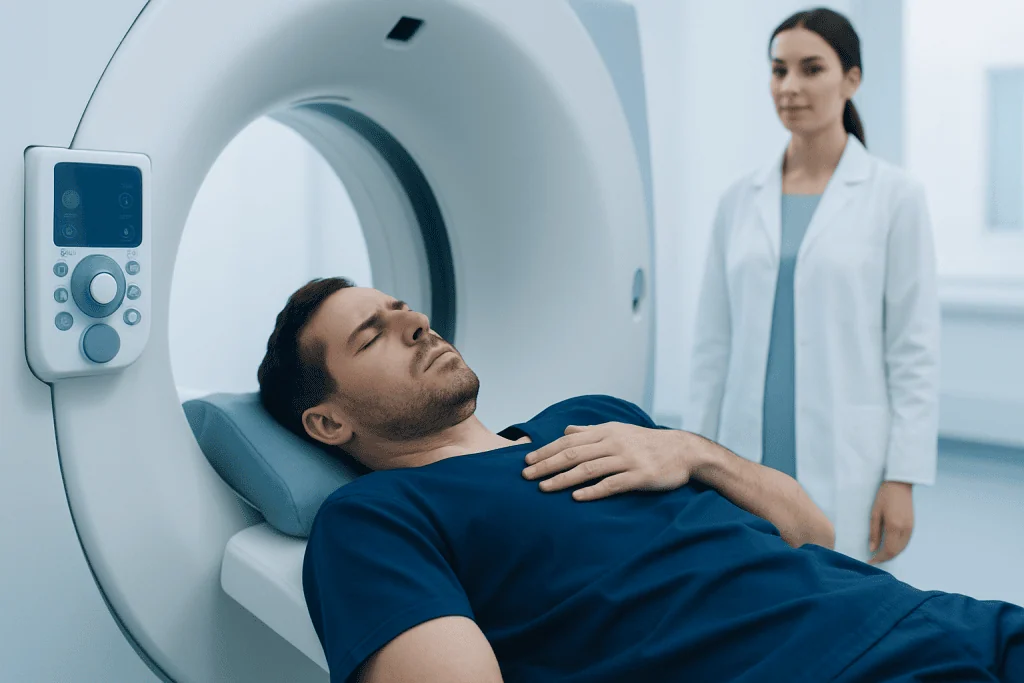
Ribcage symptoms can vary widely. Some people feel a sharp pain after coughing, lifting, or exercise, while others notice a dull ache, tenderness to touch, tightness, or pain when twisting the body. Symptoms may affect one small spot or spread along the side of the chest and upper back.
If the cause is a strained muscle or bruised rib, pain often becomes more noticeable with deep breathing, sneezing, laughing, or certain movements. Inflammation where the ribs meet the cartilage can also cause tenderness at the front of the chest. This type of chest wall pain may be confused with heart-related discomfort, so persistent or unexplained symptoms should not be self-diagnosed.
Less commonly, ribcage symptoms are linked to problems involving the lungs, pleura, spine, or nerves. Warning features can include shortness of breath, fever, a cough, visible chest deformity, widespread pain after an accident, or symptoms that do not improve. Conditions affecting the chest, including lung conditions, may sometimes cause discomfort felt around the ribs rather than directly in the lungs.
- Sharp or aching pain in the chest wall
- Tenderness when pressing on the ribs
- Pain with coughing, sneezing, or deep breaths
- Discomfort after exercise, lifting, or trauma
- Swelling or bruising over the ribs
- Difficulty taking a full breath because of pain
Causes and risk factors

The most common causes of ribcage pain are musculoskeletal. These include muscle strain, overuse, minor injury, bruising, or inflammation of the cartilage connecting the ribs to the sternum. Repeated coughing, heavy lifting, sudden twisting, and intense exercise can all irritate the chest wall and lead to pain.
Direct trauma is another important cause. A fall, sports injury, or car accident can lead to bruised or fractured ribs. In older adults and people with low bone density, even a relatively minor injury may be enough to cause a fracture. A doctor may also consider whether bone health issues, including osteoporosis, could make the ribs more vulnerable.
Other possible causes are more complex and may involve the lungs, pleura, digestive system, or nerves. For example, infections, inflammation around the lungs, shingles, acid reflux, or spine-related pain can sometimes be felt in the ribcage. Rarely, tumors or metastatic disease can affect the ribs or nearby tissues. Risk factors for more serious causes include older age, cancer history, smoking, fever, severe trauma, unexplained weight loss, or pain that is worsening rather than improving.
How doctors evaluate ribcage problems
Diagnosis begins with a careful history. A doctor usually asks when the pain started, whether there was an injury, where the pain is located, and whether it changes with breathing, coughing, posture, or movement. They also ask about cough, fever, shortness of breath, digestive symptoms, and any history of heart, lung, or bone disease.
The physical examination helps narrow down the cause. Localized tenderness over one rib or the cartilage often suggests a chest wall source. The clinician may listen to the lungs and heart, check for bruising or swelling, and assess whether the pain can be reproduced with movement or pressure. Reproducible pain can point toward a musculoskeletal cause, but it does not fully rule out other problems.
Tests are not always needed for mild, clearly strain-related symptoms. If trauma is significant, symptoms are severe, or another chest condition is possible, imaging may be recommended. This can include X-ray imaging for fractures or chest evaluation, or CT scanning when a more detailed view is needed. In some situations, doctors may also order blood tests, breathing-related evaluation, or heart tests to rule out other causes of chest pain.
Treatment options and recovery
Treatment depends on the cause. For muscle strain, bruising, or mild inflammation, the main goals are pain control, gentle movement, and allowing the tissues to heal. Doctors often recommend relative rest, avoiding activities that worsen symptoms, and using general pain-relief strategies as medically appropriate. It is usually better to keep breathing normally and moving gently rather than staying completely still for long periods.
If a rib is fractured but stable, treatment is often supportive. Healing takes time, and pain management is important because a person may avoid deep breaths when the chest hurts. Taking shallow breaths for too long can increase the risk of chest complications, so doctors may advise simple breathing exercises. Severe injuries, repeated fractures, or associated lung problems may need hospital-based care.
When ribcage pain is caused by an underlying condition, treatment is directed at that problem. This may involve physical therapy and rehabilitation for posture or muscle imbalance, treatment for infection or inflammation, or further specialist care. If imaging or symptoms raise concern for disease in the chest, a clinician may recommend additional evaluation, including thoracic surgery assessment when appropriate.
Prevention and self-care
Not all ribcage problems can be prevented, but many everyday causes can be reduced. Warm-up exercises before sports, safe lifting technique, and gradual increases in activity can lower the chance of muscle strain. People who have frequent coughing due to asthma, allergies, or infection may benefit from proper management of the underlying issue.
Bone health also matters. Adequate calcium and vitamin D intake, weight-bearing exercise when appropriate, avoiding smoking, and speaking with a doctor about bone density can help reduce fracture risk over time. Good posture and regular stretching may also decrease strain around the chest wall and upper back.
At home, mild ribcage discomfort may improve with rest, short-term activity modification, and comfort measures recommended by a healthcare professional. However, chest pain should not automatically be assumed to be a simple rib problem. If symptoms are severe, new, or associated with breathing difficulty, patients should seek medical advice rather than relying only on self-care.
When to seek medical care
Medical attention is important if ribcage pain follows a significant fall, car accident, or sports injury, especially if breathing is painful or difficult. A person should also be assessed promptly if pain is severe, if the chest looks misshapen, or if there is extensive bruising or swelling.
Urgent care is needed for chest pain with shortness of breath, fainting, bluish lips, coughing up blood, fever, or symptoms that could suggest a heart or lung emergency. These symptoms may not be caused by the ribs themselves and should not be ignored. Persistent pain lasting more than a few days, unexplained pain, or recurring episodes also deserve evaluation.
For international patients who need coordinated evaluation, Acibadem International’s multidisciplinary specialists and JCI-accredited hospitals diagnose and treat ribcage-related conditions, from musculoskeletal injuries to chest disorders, with imaging and specialist assessment when needed.
Frequently asked questions
What is the ribcage and why is it important?
The ribcage is the bony and cartilaginous structure that surrounds the chest. It protects the heart, lungs, and major blood vessels while helping the chest expand during breathing.
Can ribcage pain happen without a broken rib?
Yes. Many people with ribcage pain have muscle strain, bruising, cartilage inflammation, or irritation from coughing rather than a fracture. A doctor can help distinguish between these causes based on symptoms, examination, and sometimes imaging.
How can someone tell if ribcage pain is serious?
Pain is more concerning if it follows major trauma, causes trouble breathing, or comes with fever, fainting, severe chest pressure, or coughing up blood. Persistent or worsening pain should also be medically assessed because not all chest pain comes from the ribs.
Do all rib injuries show up on an X-ray?
Not always. Some minor fractures or soft tissue injuries may be difficult to see early on plain imaging. If symptoms are significant or another chest injury is suspected, a doctor may recommend additional tests such as CT.
How long does ribcage pain usually last?
The duration depends on the cause. Mild strain or bruising may improve over days to weeks, while fractures and more complex conditions can take longer. Ongoing pain should be reviewed by a healthcare professional.
Is it safe to exercise with ribcage pain?
That depends on the cause and the severity of symptoms. Gentle movement is often acceptable, but activities that worsen pain, involve impact, or strain the chest should usually be avoided until a clinician advises it is safe.
References
- National Library of Medicine
- American Academy of Orthopaedic Surgeons
- Mayo Clinic
- National Health Service
- American College of Radiology
This article is for general information only and is not a substitute for professional medical advice. Please consult a qualified doctor about your individual situation.
Joint and spine care in Turkey — expert assessment & treatment
JCI-accredited · board-certified surgeons · reply within 24h
Add us as a Preferred Source to see more of our trusted health content across Google Search, AI Overviews and Discover.

More from the Health Library



Related Specialists

Dr. Gülgün Atilla
Radiology
Dr. Cem Öncüloğlu
Gynecology & Obstetrics
Dr. Erdem Toku
Emergency Service
Dr. Azad Bairamovi
Inpatient Clinic Physicians Clinical Service