Microcytic Anemia: Early Signs, Risk Factors, and How It Is Treated

Microcytic anemia means the red blood cells are smaller than normal, usually because hemoglobin production is reduced. Iron deficiency is the most common cause, but chronic disease, inherited conditions, lead exposure, and some rare disorders can also contribute.
Key Takeaways
- Microcytic anemia means the red blood cells are smaller than normal, usually because hemoglobin production is reduced.
- Iron deficiency is the most common cause, but chronic disease, inherited conditions, lead exposure, and some rare disorders can also contribute.
- Symptoms may include fatigue, weakness, shortness of breath, paleness, headaches, or dizziness, though mild cases may cause few symptoms.
- Blood tests help confirm the diagnosis, and additional testing is often needed to identify why it developed.
- Treatment may include dietary changes, iron supplementation, management of blood loss, or care for an underlying medical condition.
Microcytic anemia is a type of anemia in which red blood cells are smaller than usual and often carry less hemoglobin. It is commonly linked to iron deficiency, but other causes are possible, so diagnosis and treatment focus on finding and correcting the underlying reason.
Overview
Microcytic anemia is a form of anemia in which the body makes red blood cells that are smaller than normal. These cells often contain less hemoglobin, the protein that carries oxygen, so tissues may receive less oxygen than they need. In practical terms, this can leave a person feeling tired, weak, or short of breath, although some people have mild disease with few obvious symptoms.
The term “microcytic” describes cell size, not a single disease. The most common reason for microcytic anemia is iron deficiency, but it can also be caused by chronic inflammation, inherited blood disorders such as thalassemia, lead exposure, or less common problems that affect hemoglobin production. Because the causes differ, treatment is not one-size-fits-all.
Doctors usually identify microcytic anemia through a complete blood count and red cell indices, especially the mean corpuscular volume (MCV), which reflects red blood cell size. Once the pattern is recognized, the next step is to understand why it happened. This distinction matters, because correcting iron deficiency is different from managing inherited or inflammatory causes.
Signs and Symptoms
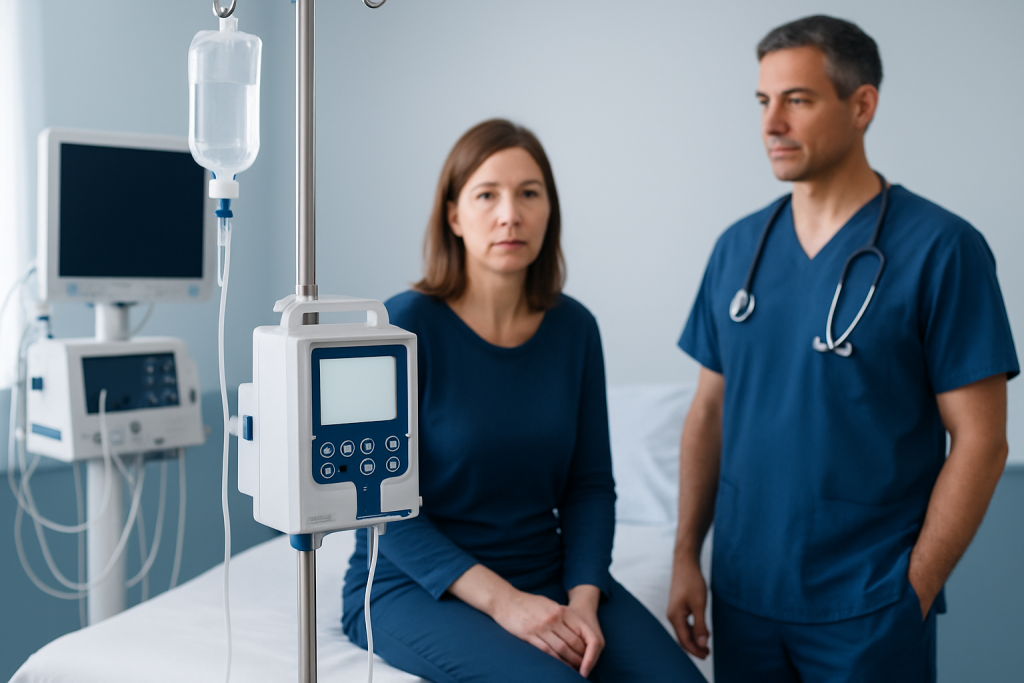
Symptoms of microcytic anemia vary depending on how low the hemoglobin level is, how quickly the anemia developed, and the person’s overall health. Many symptoms come from reduced oxygen delivery to the body’s tissues. They may build gradually and be easy to overlook at first, especially when anemia is mild.
Common symptoms can include tiredness, low energy, weakness, reduced exercise tolerance, shortness of breath with activity, dizziness, headaches, paleness of the skin or inner eyelids, and a fast heartbeat. Some people also notice difficulty concentrating, cold hands and feet, or feeling more irritable than usual.
When iron deficiency is the cause, there can be additional clues such as brittle nails, hair shedding, soreness of the tongue, cracks at the corners of the mouth, or pica, which is a craving for non-food items such as ice, clay, or starch. Children may show poor attention, behavioral changes, or slowed growth if anemia has been present for some time.
- Fatigue or unusual weakness
- Shortness of breath during normal activity
- Pale skin or pale gums
- Dizziness or lightheadedness
- Headaches or difficulty concentrating
- Rapid heartbeat or awareness of the heartbeat
What Causes Microcytic Anemia?

Microcytic anemia develops when the body cannot make normal hemoglobin efficiently. Iron is central to hemoglobin production, which is why iron deficiency is the leading cause worldwide. Iron deficiency may happen because the diet does not provide enough iron, the body does not absorb it well, or blood loss steadily drains iron stores over time.
In adults, chronic blood loss is an important cause that deserves medical attention. Heavy menstrual bleeding can lead to iron deficiency in women of reproductive age. In men and postmenopausal women, doctors often look closely for gastrointestinal bleeding, which can occur with ulcers, hemorrhoids, inflammatory bowel disease, polyps, or colon cancer. Problems such as celiac disease, stomach surgery, or long-term use of certain medicines may reduce iron absorption.
Not all microcytic anemia is due to iron deficiency. Thalassemia is an inherited condition that affects hemoglobin production and can cause microcytosis even when iron levels are normal. Anemia of chronic disease or inflammation can also become microcytic, especially in long-standing illness. Less common causes include sideroblastic anemia and lead poisoning. Depending on the suspected cause, a doctor may also consider related conditions such as anemia or inherited hemoglobin disorders like thalassemia.
Risk Factors
Some people are more likely to develop microcytic anemia because of age, sex, health conditions, diet, or family history. Women with heavy periods, pregnant women, infants, young children, and teenagers during rapid growth are at increased risk of iron deficiency because the body’s iron needs are higher. Older adults may be more likely to have chronic disease, digestive bleeding, or reduced nutrient absorption.
Dietary patterns can also matter. People who eat very little iron-rich food, follow restrictive diets without careful planning, or have poor overall nutrition may be more likely to become iron deficient. Vegetarian or vegan diets can be healthy, but they may require more attention to iron sources and absorption because plant-based iron is less readily absorbed than iron from animal foods.
Other risk factors include gastrointestinal disorders such as celiac disease or inflammatory bowel disease, prior stomach or bowel surgery, chronic kidney disease, inflammatory conditions, and a family history of thalassemia or other blood disorders. Environmental exposure to lead, though less common, is another important risk factor, especially in children or people exposed through older buildings or certain occupations.
How Microcytic Anemia Is Diagnosed
Diagnosis starts with a medical history, a review of symptoms, and a physical examination. A doctor may ask about menstrual bleeding, digestive symptoms, diet, pregnancy, family history, past surgeries, medications, and possible toxin exposure. These details help narrow the list of possible causes before any treatment is chosen.
The main first test is a complete blood count. This can show a low hemoglobin level and a low mean corpuscular volume, which supports microcytic anemia. Additional blood tests often include ferritin, serum iron, transferrin saturation, total iron-binding capacity, reticulocyte count, and sometimes a blood smear. Ferritin is especially useful because low ferritin strongly suggests iron deficiency, although inflammation can affect its interpretation.
If the cause is not clear, more tests may be needed. These can include stool testing for hidden blood, evaluation for gastrointestinal bleeding, celiac disease screening, hemoglobin electrophoresis for thalassemia, or tests for chronic inflammatory disease. In some cases, endoscopic evaluation or imaging may be recommended. Accurate diagnosis helps ensure that treatment addresses the underlying problem rather than only the low blood count.
Treatment Options
Treatment for microcytic anemia depends on the cause. If iron deficiency is confirmed, treatment usually focuses on replacing iron and correcting the reason iron was lost or not absorbed. This may involve improving dietary iron intake, using oral iron supplements, or addressing ongoing blood loss. It is important not to start iron treatment long term without medical advice, because not every case of microcytic anemia is caused by iron deficiency.
Some people benefit from oral iron, while others may need iron infusion if they cannot tolerate tablets, have significant deficiency, absorb iron poorly, or need replenishment more quickly. If heavy menstrual bleeding is contributing, gynecologic evaluation may be part of care. If digestive bleeding is suspected, treatment may focus on the source of bleeding as well as iron replacement. In severe cases or when symptoms are significant, more urgent supportive care may be considered by the treating team.
When an underlying condition is responsible, that condition also needs attention. Thalassemia management differs from iron deficiency and may involve specialist follow-up rather than routine iron supplementation. Anemia related to chronic disease may improve when inflammation or organ disease is better controlled. Depending on the findings, a doctor may recommend evaluation through hematology, and if digestive blood loss is a concern, tests such as colonoscopy may help identify the source.
Follow-up is an important part of treatment. Doctors often repeat blood tests after treatment begins to confirm that hemoglobin and iron stores are improving. If the response is slower than expected, the diagnosis may need to be reviewed again, including whether the person is taking treatment regularly, absorbing it properly, or continuing to lose blood.
Prevention and Self-Care
Prevention is not always possible, but some practical steps can lower the risk of iron deficiency and help support recovery. Eating iron-rich foods is a good starting point. These include lean red meat, poultry, fish, beans, lentils, tofu, spinach, fortified cereals, and pumpkin seeds. Pairing plant-based iron sources with vitamin C-rich foods, such as citrus fruits, berries, tomatoes, or peppers, can improve iron absorption.
People who have heavy periods, are pregnant, follow restrictive diets, or have conditions that affect absorption may benefit from medical advice about screening or preventive supplementation. Supplements should be used under professional guidance, especially in children or in anyone with a family history of inherited blood disorders, because unnecessary iron can be harmful in some situations.
Self-care during recovery includes pacing activities, staying hydrated, and attending follow-up appointments. It is also helpful to tell a doctor about ongoing fatigue, black stools, stomach symptoms, unexpected weight loss, or any change in bleeding patterns. Near the end of the care pathway, some patients may choose referral centers with coordinated specialties; Acibadem International’s multidisciplinary specialists and JCI-accredited hospitals diagnose and treat microcytic anemia for international patients when further evaluation is needed.
When to Seek Medical Care
A person should arrange medical evaluation if they have persistent fatigue, unexplained weakness, shortness of breath with usual activity, dizziness, or pale skin that does not improve. Medical care is also important if there is heavy menstrual bleeding, blood in the stool, black stools, frequent nosebleeds, or signs of poor nutrition. These symptoms do not always mean microcytic anemia, but they do deserve assessment.
Urgent care is appropriate for chest pain, fainting, severe shortness of breath, rapid worsening of symptoms, or signs of significant bleeding. Parents should seek care for children who are unusually tired, pale, poorly growing, or craving non-food items. Early evaluation can make treatment simpler and may help identify conditions that are easier to manage when found sooner.
Frequently asked questions
Is microcytic anemia the same as iron deficiency anemia?
Not exactly. Iron deficiency anemia is the most common cause of microcytic anemia, but microcytic anemia can also result from thalassemia, chronic inflammation, lead exposure, or rarer disorders. A doctor usually needs blood tests to tell the difference.
Can microcytic anemia go away on its own?
It may improve only if the underlying cause is temporary and corrects itself, but many cases need treatment. For example, iron deficiency usually requires iron replacement and investigation of why iron levels fell. Ongoing symptoms or recurrent anemia should always be medically assessed.
What foods help with microcytic anemia?
Foods rich in iron can help, especially when iron deficiency is the cause. Good choices include red meat, poultry, fish, beans, lentils, leafy greens, and iron-fortified cereals. Vitamin C-rich foods can improve iron absorption when eaten with plant-based iron sources.
How long does treatment take to work?
Many people begin to feel better gradually over several weeks, but full recovery can take longer depending on the severity and the cause. Doctors often continue treatment after hemoglobin improves so iron stores can be rebuilt. Follow-up blood tests help track progress safely.
Is microcytic anemia dangerous?
It can become serious if anemia is severe, prolonged, or caused by ongoing bleeding or another untreated condition. Mild cases may cause only subtle symptoms, but it is still important to find the cause. Prompt diagnosis usually helps guide effective treatment and reduce complications.
Who is most at risk for microcytic anemia?
People at higher risk include women with heavy periods, pregnant women, infants and children, older adults, and people with poor iron intake or absorption problems. Those with chronic inflammatory disease or a family history of thalassemia may also be at increased risk. Risk depends on the cause, not just the anemia pattern.
References
- World Health Organization
- National Heart, Lung, and Blood Institute
- American Society of Hematology
- Centers for Disease Control and Prevention
- Merck Manual Professional Edition
This article is for general information only and is not a substitute for professional medical advice. Please consult a qualified doctor about your individual situation.
Anemia in Turkey — costs, top hospitals & a free quote
JCI-accredited · board-certified surgeons · reply within 24h
Add us as a Preferred Source to see more of our trusted health content across Google Search, AI Overviews and Discover.