Prevacid: An Evidence-Based Guide for Patients

Prevacid contains lansoprazole, a proton pump inhibitor that reduces stomach acid production. It may be used for GERD, erosive esophagitis, stomach or duodenal ulcers, and some conditions linked to excess acid.
Key Takeaways
- Prevacid contains lansoprazole, a proton pump inhibitor that reduces stomach acid production.
- It may be used for GERD, erosive esophagitis, stomach or duodenal ulcers, and some conditions linked to excess acid.
- Short-term use is common, but long-term use should be reviewed by a doctor because risks and benefits need regular reassessment.
- Prevacid can interact with some medicines and may not be suitable for everyone.
- Persistent, worsening, or alarm symptoms such as trouble swallowing, vomiting blood, or unexplained weight loss need medical evaluation.
Prevacid is the brand name for lansoprazole, a medicine that reduces stomach acid. It is commonly used for frequent heartburn, gastroesophageal reflux disease, and certain ulcers, and it works best when taken correctly and for the right reason.
Overview: what Prevacid is and what it treats
Prevacid is a brand name for lansoprazole, a medicine in the proton pump inhibitor, or PPI, class. It lowers the amount of acid made by the stomach. This can help the lining of the esophagus, stomach, or upper small intestine heal when irritation or ulcers are driven by acid exposure.
Doctors may recommend Prevacid for several acid-related conditions. These include frequent heartburn, gastroesophageal reflux disease, also called GERD, erosive esophagitis, stomach ulcers, duodenal ulcers, and some cases of excess acid production. In certain situations, lansoprazole is also used as part of combination treatment for Helicobacter pylori, a bacterium linked to ulcers.
Although many people think of Prevacid simply as a heartburn medicine, it is not the right treatment for every stomach symptom. Indigestion, chest discomfort, bloating, nausea, and upper abdominal pain can have different causes. That is why ongoing symptoms should be assessed in context rather than managed indefinitely with self-treatment.
How Prevacid works and when it may help
Prevacid works by blocking the stomach’s acid pumps, which are involved in the final step of acid production. Because it acts on the acid-making process itself, it usually provides stronger and longer-lasting acid suppression than quick-relief antacids. However, it does not work instantly in the same way an antacid does.
It may help people who have symptoms more than occasionally, especially when symptoms are linked to reflux. Reflux happens when stomach contents move backward into the esophagus and cause burning, irritation, or inflammation. In these cases, reducing acid can decrease symptoms and allow healing over time.
People often notice improvement over several days, though full benefit may take longer depending on the condition being treated. The response can also vary from person to person. If symptoms continue despite correct use, a doctor may want to confirm the diagnosis or look for another cause.
Evaluation may include a specialist review in gastroenterology care when symptoms are persistent, complicated, or unclear.
Common uses, symptoms, and what Prevacid does not treat

Prevacid is commonly used for symptoms and conditions related to excess acid or acid reflux. A doctor may prescribe it for chronic heartburn, sour taste in the mouth, regurgitation, night-time reflux, inflammation of the esophagus, or ulcers confirmed or strongly suspected to be acid-related.
Some people also use over-the-counter lansoprazole products for frequent heartburn. In general, these products are intended for people who have heartburn on multiple days per week, not for occasional symptoms after a heavy meal. For infrequent symptoms, other options such as lifestyle changes or short-term antacids may be more appropriate, depending on the person’s health history.
Prevacid does not treat every cause of chest or upper abdominal discomfort. It will not help a heart problem, gallbladder disease, pancreatitis, food intolerance, or all forms of indigestion. It also does not stop reflux from physically occurring; rather, it reduces the acidity of what comes up, which may lessen irritation.
- May help: frequent heartburn, acid reflux, GERD, erosive esophagitis, some ulcers
- May be prescribed with other medicines for H. pylori treatment
- May not help: sudden severe pain, swallowing problems, cardiac chest pain, or non-acid digestive disorders
How to take Prevacid safely
Prevacid works best when taken exactly as directed on the label or by a doctor. Many PPIs are most effective when taken before a meal because they target active acid pumps. The exact timing and duration depend on the form of the medicine and the condition being treated, so patients should follow the instructions provided for their specific product.
People should not increase the dose, take it more often, or continue it longer than recommended without medical advice. If a dose is missed, it is usually best to follow the product instructions rather than doubling the next dose. Some formulations are capsules and others are orally disintegrating tablets, so directions can differ.
It is also important to tell a doctor or pharmacist about all other medicines, vitamins, and supplements. This helps reduce the chance of interactions and ensures the medicine is appropriate for the person’s age, medical history, and symptoms.
For patients with difficult reflux symptoms, a doctor may suggest broader evaluation and management strategies, including GERD treatment when lifestyle measures and medicines are not enough.
Possible side effects and longer-term considerations
Many people take Prevacid without major problems, but side effects can happen. Common ones may include headache, stomach pain, nausea, constipation, diarrhea, or gas. These are often mild, but new or troublesome symptoms should be discussed with a healthcare professional.
Longer-term or repeated use of PPIs deserves periodic review. In some people, prolonged acid suppression has been associated with risks such as low magnesium, vitamin B12 deficiency, certain intestinal infections, kidney problems, or reduced calcium absorption. These concerns do not mean the medicine should be avoided when it is needed, but they do support using the lowest effective approach for the appropriate duration.
Another practical issue is that symptoms can return when the medicine is stopped, especially if the underlying reflux problem remains. A doctor may recommend tapering, stepping down therapy, or switching treatment depending on the diagnosis and symptom pattern. Self-managing persistent symptoms for long periods is not ideal because it can delay the diagnosis of another condition.
Who should use extra caution
Prevacid is not suitable for every person or every symptom pattern. People should use extra caution if they have liver disease, osteoporosis risk, a history of low magnesium, kidney concerns, or previous reactions to PPIs. Pregnant or breastfeeding patients should discuss risks and benefits with a qualified clinician before using any acid-suppressing medicine.
Drug interactions are another reason to seek guidance. Lansoprazole can affect how some medicines are absorbed or processed in the body. This is especially important with prescription medicines that require steady blood levels or depend on stomach acidity for absorption.
Children, older adults, and people with several ongoing medical conditions may need a more individualized plan. In these groups, symptoms can be less typical, and the risks of over- or under-treatment can be higher. If reflux symptoms keep recurring, a more complete workup may be needed rather than repeated courses of over-the-counter treatment.
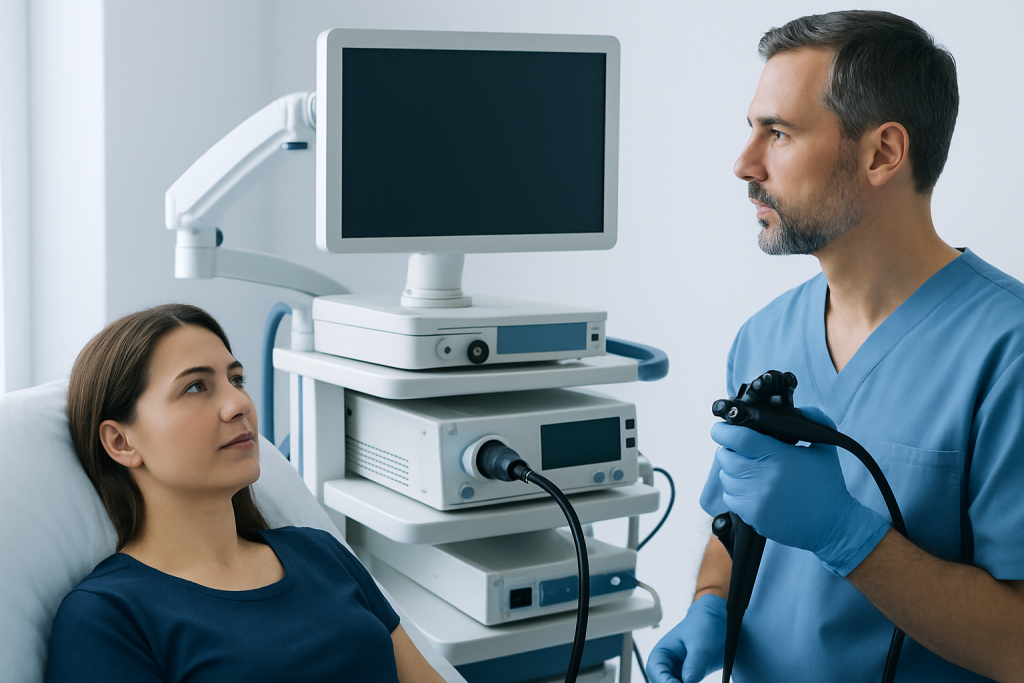
When ulcers, bleeding, or more complex digestive symptoms are suspected, doctors may recommend endoscopy to look directly at the upper digestive tract.
Prevention, self-care, and when to seek medical care
Medicines like Prevacid often work best when combined with practical lifestyle steps. Helpful measures may include avoiding large late meals, limiting trigger foods if a pattern is clear, reducing alcohol if it worsens symptoms, stopping smoking, maintaining a healthy weight, and elevating the head of the bed for night-time reflux. Not every measure helps every person, but many patients benefit from a combination tailored to their triggers.
It is reasonable to seek medical advice if symptoms are frequent, continue despite treatment, or keep coming back after stopping the medicine. A doctor can confirm whether reflux is the likely cause and whether more testing is needed. Sometimes symptoms that seem like heartburn are caused by another digestive condition, including stomach cancer, though this is much less common than routine reflux.
Urgent medical care is important for chest pain that may be heart-related, difficulty or pain with swallowing, vomiting blood, black stools, repeated vomiting, fainting, unexplained weight loss, or severe persistent abdominal pain. These symptoms do not always mean something serious, but they should not be ignored.
Acibadem International’s multidisciplinary specialists in JCI-accredited hospitals evaluate and treat digestive conditions for international patients, particularly when symptoms are persistent, complex, or require specialist testing.
Frequently asked questions
Is Prevacid the same as lansoprazole?
Yes. Prevacid is a brand name for lansoprazole. Both refer to the same active medicine, which reduces stomach acid.
How quickly does Prevacid work?
Prevacid does not usually give instant relief like an antacid. Some people notice improvement within a few days, but the full effect may take longer depending on the condition being treated.
Can Prevacid be taken every day?
Some people are advised to take it daily for a defined period, especially for GERD or ulcer healing. Daily long-term use should be reviewed by a doctor so the need, dose, and potential risks can be reassessed.
What is the difference between Prevacid and antacids?
Antacids neutralize acid that is already in the stomach and often work quickly for short-term relief. Prevacid reduces new acid production and is better suited to ongoing acid-related conditions rather than immediate symptom relief.
Are there side effects from Prevacid?
Possible side effects include headache, diarrhea, constipation, nausea, gas, or abdominal discomfort. If symptoms are severe, unusual, or persistent, a healthcare professional should be consulted.
Can Prevacid treat all types of stomach pain?
No. Stomach or chest discomfort can come from many causes, and not all of them are related to acid. Persistent, severe, or unexplained pain should be medically assessed rather than treated only with acid-suppressing medicine.
This article is for general information only and is not a substitute for professional medical advice. Please consult a qualified doctor about your individual situation.
Persistent digestive symptoms? Get evaluated in Turkey
JCI-accredited · board-certified surgeons · reply within 24h
Add us as a Preferred Source to see more of our trusted health content across Google Search, AI Overviews and Discover.

More from the Health Library

Idiopathic Hypersomnia — Explained by Medical Evidence, Not Myths

Pistachio: An Evidence-Based Guide for Patients

Average walking speed: Charts, Averages, and What’s Normal

Ambulatory — Explained by Medical Evidence, Not Myths

Distorted Vision: A Complete Medical Overview