Blunt Trauma: What Patients Need to Know

Blunt trauma happens when the body is struck by force without a penetrating wound. Symptoms may be obvious, like bruising and pain, or delayed, especially with internal injuries.
Key Takeaways
- Blunt trauma happens when the body is struck by force without a penetrating wound.
- Symptoms may be obvious, like bruising and pain, or delayed, especially with internal injuries.
- Head, chest, abdominal, and pelvic injuries deserve prompt medical assessment because serious damage may not be visible.
- Diagnosis may include a physical exam, imaging tests, and monitoring over time.
- Treatment depends on severity and can range from rest and pain control to emergency surgery or intensive care.
- Urgent care is important after high-impact accidents, worsening symptoms, breathing problems, or signs of internal bleeding.
Blunt trauma is an injury caused by a hit, crash, fall, or other force that does not pierce the skin. It can range from mild bruising to serious damage involving bones, the head, chest, abdomen, or internal organs, so symptoms and the body area involved help guide how urgently it should be checked.
Overview: what blunt trauma means
Blunt trauma refers to injury caused by force that does not break through the skin. A fall, car crash, sports collision, workplace accident, or direct blow can all cause blunt trauma. Even when the skin looks intact, tissues under the surface may be bruised, torn, swollen, or bleeding.
This type of injury can affect almost any part of the body, including muscles, bones, blood vessels, and internal organs. In some cases, the damage is minor and improves with time. In others, blunt trauma can lead to fractures, concussion, organ injury, or internal bleeding that needs urgent treatment.
One reason blunt trauma can be difficult to judge is that visible marks do not always reflect the true severity of injury. A person may have only mild bruising but still have significant damage beneath the skin. For that reason, symptoms, how the injury happened, and the body area involved are all important in deciding what level of care is needed.
How blunt trauma affects the body
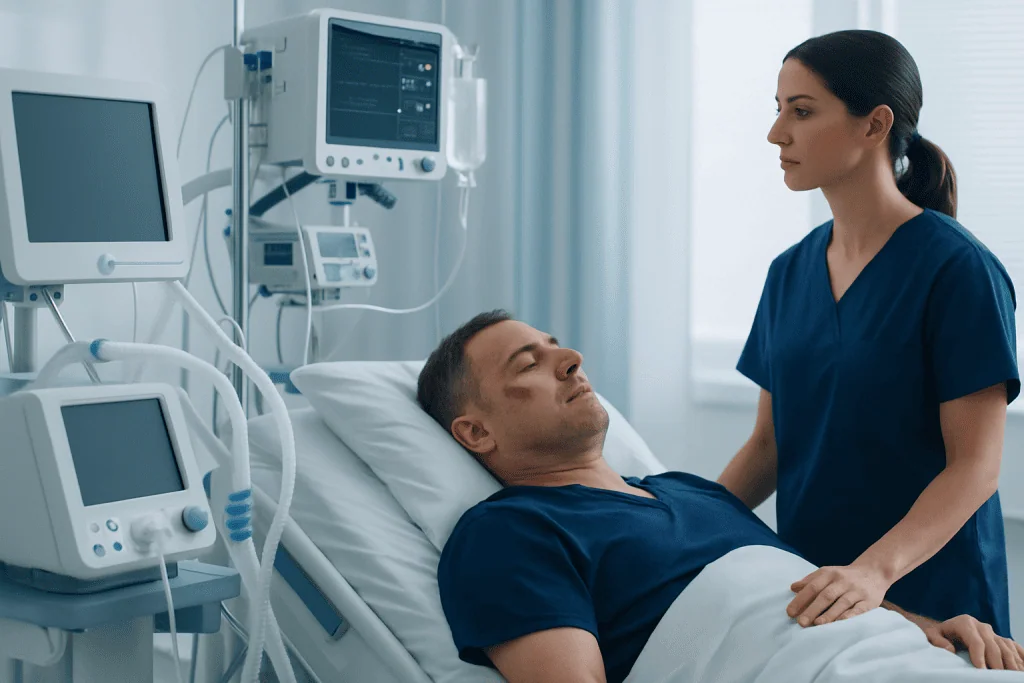
When force strikes the body, energy is transferred to tissues. Soft tissues such as skin, fat, and muscle may develop bruises, swelling, or tears. Bones can crack or break, joints can be sprained or dislocated, and blood vessels can leak or rupture.
The location of the injury matters. A blow to the arm or leg may mainly affect soft tissue and bone, while blunt trauma to the head, chest, or abdomen can involve the brain, lungs, heart, liver, spleen, kidneys, or intestines. These injuries may be harder to recognize at first because the most serious damage is internal.
Doctors also consider the mechanism of injury. High-speed car accidents, falls from height, being struck by a heavy object, and contact sports injuries raise concern because greater force generally increases the risk of deeper injury. The same is true if a person loses consciousness, has multiple painful areas, or takes blood-thinning medication.
Related conditions may include concussion after a head injury or a fracture after a strong impact to a limb, chest, or pelvis. These examples show why one traumatic event may involve more than one diagnosis.
Symptoms and warning signs

Common symptoms of blunt trauma include pain, tenderness, bruising, swelling, stiffness, and reduced movement. These symptoms may appear right away or become more noticeable over several hours. A person may also feel weakness, dizziness, nausea, or general discomfort depending on the injured area.
Symptoms can vary by body region. Head trauma may cause headache, confusion, vomiting, memory problems, drowsiness, or loss of consciousness. Chest trauma can lead to chest pain, shortness of breath, cough, or pain with deep breathing. Abdominal trauma may cause belly pain, bloating, nausea, shoulder pain, or faintness, which can suggest internal bleeding or organ injury.
Some warning signs deserve urgent attention because they may point to a serious complication. These include trouble breathing, severe or worsening pain, repeated vomiting, blue lips, fainting, seizures, new weakness or numbness, confusion, blood in urine or stool, a swollen or rigid abdomen, or heavy bleeding from any area.
Children, older adults, and people with osteoporosis, heart disease, liver disease, or bleeding disorders may develop complications more easily. In these groups, symptoms should not be dismissed just because there is no open wound.
Common causes and who is at higher risk
Blunt trauma often happens in everyday situations. Common causes include motor vehicle crashes, bicycle or motorcycle accidents, slips and falls, sports injuries, assault, and objects striking the body. In children, playground and sports accidents are frequent causes, while in older adults, falls are a major source of blunt trauma.
Certain factors can increase the likelihood of severe injury. These include high-impact accidents, not wearing a seatbelt, lack of protective sports equipment, unsafe work conditions, alcohol or substance use, and medical conditions that affect balance or bone strength. People taking anticoagulants or antiplatelet medications may also face a higher risk of bleeding after seemingly minor trauma.
Body area matters here as well. A direct blow to the chest may cause bruising only, but it can also lead to rib fractures, lung bruising, or other internal problems. Abdominal trauma is especially important because injuries to organs such as the liver or spleen may not be obvious right away.
Prevention and risk reduction depend on the setting. Seatbelts, helmets, fall-prevention measures at home, appropriate sports training, and workplace safety steps all help reduce both the chance and the severity of blunt trauma.
How doctors diagnose blunt trauma
Diagnosis starts with understanding how the injury happened and checking vital signs such as blood pressure, heart rate, breathing, and oxygen level. The medical team then performs a focused physical examination to look for bruising, swelling, tenderness, deformity, breathing difficulty, abdominal guarding, or signs of neurologic change.
Imaging tests are often used when there is concern about hidden injury. Depending on the case, this may include X-rays for suspected bone injury, ultrasound to look for internal bleeding, or CT scans to assess the head, chest, abdomen, spine, or pelvis. In selected situations, MRI may be used later for soft tissue, ligament, or brain evaluation.
Blood and urine tests can help detect blood loss, organ dysfunction, infection risk, or urine abnormalities after trauma. Doctors may also observe a patient over time, especially when symptoms could evolve. This is important because some internal injuries become clearer only after the body has had time to respond.
If a person has severe pain, breathing problems, signs of brain injury, or concern for internal bleeding, urgent trauma care is needed. Treatment planning may involve emergency medicine, radiology, orthopedics, general surgery, or trauma and emergency care teams working together.
Treatment options and recovery
Blunt trauma treatment depends on what structures are injured and how stable the patient is. Mild cases may only need rest, ice, elevation, temporary activity changes, and nonprescription or prescription pain relief as advised by a doctor. Monitoring for symptom progression is an important part of care, especially in the first 24 to 48 hours.
More significant injuries may require splints, casts, wound care for associated skin abrasions, breathing support, intravenous fluids, blood transfusion, or hospital observation. If imaging shows a major injury, treatment may involve specialists in orthopedic surgery or general surgery, depending on whether the main problem is a fracture, internal bleeding, or organ damage.
Recovery time varies widely. A soft tissue bruise may improve within days to weeks, while fractures, head injuries, or organ injuries can take much longer and may require rehabilitation. Follow-up is important if pain persists, swelling increases, function does not return, or new symptoms appear after the initial injury.
In more complex cases, rehabilitation can help restore movement, strength, and confidence. This may include a gradual return-to-activity plan, exercises to protect injured areas, and careful reassessment before resuming sports, heavy work, or driving.
Self-care after a minor injury and prevention
For mild blunt trauma that has already been evaluated or clearly involves only a minor bruise, self-care may support healing. Resting the area, using ice packs wrapped in cloth for short periods, elevating a swollen limb, and avoiding activities that worsen pain can all help. It is also wise to watch for delayed symptoms such as increasing swelling, weakness, dizziness, or new pain.
People should avoid returning too quickly to strenuous exercise, contact sports, or physically demanding work. Doing too much too soon can worsen soft tissue injury or make an undetected fracture more painful. If the injury involves the head, a clinician should guide return to school, work, and sports.
Prevention centers on reducing avoidable force to the body. Practical steps include wearing seatbelts, using age-appropriate car seats, wearing helmets for cycling and certain sports, keeping floors and stairs safe, using protective gear at work, and strengthening balance and mobility in older adults.
Good prevention also includes managing health conditions that increase injury risk. Vision checks, medication reviews, bone health assessment, and balance training can help reduce fall-related blunt trauma, especially in later life.
When to seek medical care
Medical care is important after any high-impact event, even if symptoms seem mild at first. A person should be assessed promptly after a car crash, significant fall, sports collision with head impact, or any blow followed by loss of consciousness, confusion, chest pain, abdominal pain, or difficulty breathing.
Urgent or emergency care is needed if there is severe pain, deformity of a limb, uncontrolled bleeding, worsening headache, repeated vomiting, fainting, seizure, weakness, numbness, a swollen or hard abdomen, or signs of shock such as pale clammy skin, rapid pulse, or severe dizziness. These symptoms can signal internal injury and should not be watched at home.
If symptoms are minor but not improving as expected, a routine medical review is still worthwhile. Persistent bruising, swelling, restricted movement, or pain with walking, breathing, or daily activities can point to injuries that need imaging or specialist input. When needed, Acibadem International’s multidisciplinary specialists at JCI-accredited hospitals evaluate and treat traumatic injuries for international patients.
Frequently asked questions
Is blunt trauma always serious?
No. Blunt trauma ranges from minor bruises and muscle strains to life-threatening internal injuries. The seriousness depends on the amount of force, the body area involved, symptoms, and whether there is hidden damage.
Can blunt trauma cause internal bleeding without much bruising?
Yes. Visible bruising on the skin does not always match the severity of the injury underneath. Internal bleeding can occur after blunt trauma to the chest, abdomen, pelvis, or head, which is why worsening pain, dizziness, fainting, or abdominal swelling should be evaluated urgently.
How is blunt trauma different from penetrating trauma?
Blunt trauma happens when force injures the body without breaking the skin, such as in a fall or car crash. Penetrating trauma involves an object entering the body, such as a knife or bullet. Both can be serious, but the injury patterns and emergency management may differ.
What should someone do right after a blunt injury?
They should stop the activity, protect the injured area, and seek help if there is severe pain, head impact, breathing trouble, abdominal pain, or inability to move the affected part. For a clearly minor injury, rest and ice may help, but symptoms should still be monitored closely for change.
When are imaging tests needed after blunt trauma?
Imaging is often needed when there is significant pain, suspected fracture, head symptoms, abdominal tenderness, chest symptoms, or concern for internal injury. A doctor decides which test is most appropriate based on the examination and the mechanism of injury.
How long does recovery from blunt trauma take?
Recovery can take anywhere from a few days for a mild bruise to weeks or months for fractures, organ injuries, or head trauma. Healing depends on the type of injury, the person's overall health, and whether rehabilitation or surgery is needed.
This article is for general information only and is not a substitute for professional medical advice. Please consult a qualified doctor about your individual situation.
Explore treatments in Turkey — costs, top hospitals & a free quote
JCI-accredited · board-certified surgeons · reply within 24h
Add us as a Preferred Source to see more of our trusted health content across Google Search, AI Overviews and Discover.

More from the Health Library

Thyme Oil: What Patients Need to Know

Dog Allergy — Explained by Medical Evidence, Not Myths

Mindfulness Activities: A Complete Medical Overview

Almond Butter Versus Peanut Butter — Explained by Medical Evidence, Not Myths

Fulguration: An Evidence-Based Guide for Patients