Fulguration: An Evidence-Based Guide for Patients

Fulguration uses electrical current to destroy abnormal tissue or control bleeding. It is commonly used in urology, dermatology, gynecology, and some surgical procedures.
Key Takeaways
- Fulguration uses electrical current to destroy abnormal tissue or control bleeding.
- It is commonly used in urology, dermatology, gynecology, and some surgical procedures.
- The exact experience, recovery time, and anesthesia depend on where the treatment is done.
- Most people recover well, but risks can include pain, bleeding, infection, or scarring.
- A doctor can explain whether fulguration or another procedure is the safest option for a specific condition.
Fulguration is a procedure that uses electrical energy to destroy or control abnormal tissue. Doctors may use it to treat certain growths, stop bleeding, or remove small areas of diseased tissue, depending on the part of the body involved.
Overview: what fulguration means
Fulguration is a medical procedure that uses electrical current to destroy abnormal tissue. In simple terms, a doctor applies controlled heat generated by electricity to a targeted area. This can remove small growths, seal tissue, or help stop bleeding.
The word describes a technique rather than a single disease treatment. For example, fulguration may be used during a bladder procedure to treat small tumors, during skin treatment to remove certain lesions, or during surgery to control bleeding from delicate tissue. The purpose depends on the condition being treated and the location in the body.
Because it is a focused treatment, fulguration is often part of a broader care plan rather than a stand-alone diagnosis. Some people need only one session, while others may need follow-up examinations, repeat treatment, or additional therapies. A doctor chooses it when the abnormal tissue is small enough, accessible enough, and appropriate for treatment with heat rather than a larger operation.
How the procedure works
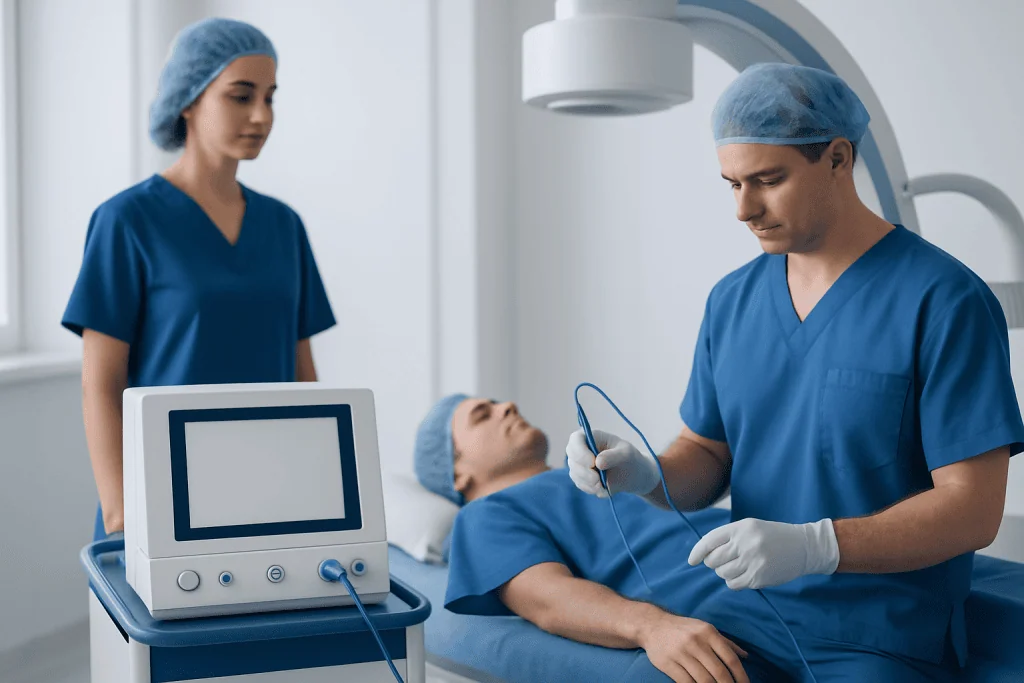
Fulguration works by delivering electrical energy through a specialized instrument. The current produces heat at the treatment site, which destroys cells on contact. Depending on the setting, the doctor may touch the tissue directly or use a device that works at very close range.
The technique can be used in different ways. In some procedures, it destroys abnormal tissue such as tiny tumors or lesions. In others, it coagulates tissue to reduce or stop bleeding. Doctors choose the device, energy level, and method based on the body area, the depth of treatment needed, and the patient’s overall health.
Fulguration may be done in an outpatient clinic, procedure room, or operating room. Some treatments need only local anesthesia or numbing medicine, while others require sedation or general anesthesia. Before the procedure, the care team explains how to prepare, whether eating and drinking should be limited, and what recovery is likely to involve.
When fulguration is used in the urinary tract, it may be performed during endoscopic procedures such as transurethral resection of bladder tumor when a doctor removes or destroys visible abnormal tissue inside the bladder.
When doctors use fulguration

Fulguration is used in several medical specialties. In urology, it can treat or help manage small bladder lesions, control bleeding, or destroy residual tissue after endoscopic removal. This may be relevant in the care of bladder cancer or noncancerous bladder abnormalities, always depending on pathology results and imaging findings.
In dermatology, the method may be used for selected skin lesions such as some warts, skin tags, or superficial abnormal growths. In gynecology, it may be used to treat certain cervical or vulvar lesions. Surgeons may also use fulguration during operations to control bleeding from small blood vessels.
Not every lesion is suitable for this approach. Deeper, larger, or suspicious growths may require biopsy, complete surgical removal, laser treatment, freezing, medication, or a different endoscopic technique. In some situations, fulguration is used together with tissue sampling so the doctor can both treat the visible area and confirm the diagnosis.
For skin-related concerns, doctors may also compare fulguration with other targeted treatments, including cryotherapy or minor skin lesion removal, depending on the lesion type and the cosmetic goals.
Benefits, limits, and possible risks
One advantage of fulguration is precision. It can target a relatively small area while limiting treatment to surrounding tissue. In the right setting, this may shorten procedure time, reduce blood loss, and allow faster recovery than a larger operation. It can also be useful when a doctor needs both treatment and immediate control of minor bleeding.
Even so, fulguration has limits. It may not remove enough tissue when a full specimen is needed for diagnosis, and it may be less suitable for deep or widespread disease. If abnormal cells extend beyond the visible surface, a different procedure may be necessary to fully treat the problem or stage the condition accurately.
Risks depend on where the procedure is performed. General risks can include pain, swelling, temporary burning, bleeding, infection, scarring, delayed healing, and recurrence of the treated lesion. In internal procedures, there may also be risks related to anesthesia, irritation of nearby organs, or narrowing of a passage after healing.
Most complications are uncommon and manageable, especially when the treatment is carefully selected for the right patient. The doctor usually reviews medical history, medicines, allergies, and bleeding risk beforehand to improve safety.
Diagnosis and preparation before fulguration
Before recommending fulguration, doctors first identify what needs to be treated and why. This usually starts with a medical history, physical examination, and sometimes imaging or endoscopy. If a lesion could be cancerous or precancerous, a biopsy may be needed before or during treatment so the tissue can be examined under a microscope.
Preparation depends on the treatment site. A patient may be asked to stop certain blood-thinning medicines temporarily if it is safe to do so, avoid food and drink for several hours before sedation or anesthesia, and arrange transportation home after the procedure. The care team may also give instructions about skin cleansing, bladder preparation, or managing regular medicines.
Questions before the procedure are important. Patients may want to ask what the goal is, whether tissue will be sent to pathology, what type of anesthesia will be used, how much discomfort to expect, and what warning signs to watch for during recovery. A clear plan helps reduce uncertainty and supports safer aftercare.
Recovery, aftercare, and follow-up
Recovery after fulguration is usually straightforward, but it varies by body area and by how much tissue was treated. Some people have mild soreness, burning, swelling, or a small amount of drainage for a few days. Others, especially after internal procedures, may notice fatigue, temporary irritation, or changes related to the organ treated, such as mild urinary discomfort.
Doctors commonly recommend keeping the treated area clean, avoiding friction, and following any instructions about dressings, bathing, or activity limits. Over-the-counter pain relief may be enough for minor discomfort if the doctor says it is appropriate. Patients should avoid picking at scabs or stopping prescribed aftercare early, because this can delay healing.
Follow-up matters because fulguration destroys tissue but does not always eliminate the reason it developed. Some conditions can recur, and some require repeat inspection to confirm healing or check for new lesions. In bladder conditions, for example, regular surveillance may be needed after treatment, and care may involve cystoscopy to examine the bladder lining again.
Near the end of treatment planning, some patients seek care at centers with multiple specialties involved. Acibadem International’s multidisciplinary specialists and JCI-accredited hospitals diagnose and treat conditions that may require fulguration for international patients.
When to seek medical care
Medical advice should be sought if a new growth, unexplained bleeding, persistent urinary symptoms, a nonhealing skin lesion, or repeated irritation in one area is noticed. These symptoms do not always mean a serious condition, but they deserve professional assessment to identify the cause and choose the right treatment.
After fulguration, a doctor should be contacted promptly for fever, worsening pain, heavy bleeding, foul-smelling drainage, increasing redness, difficulty passing urine, or symptoms that are getting worse instead of better. Emergency care may be needed for severe bleeding, trouble breathing after anesthesia, chest pain, or inability to urinate.
It is also reasonable to ask for review if the treated area does not heal as expected or if symptoms return. Ongoing follow-up helps confirm that the treatment worked and that no further testing is needed.
Frequently asked questions
Is fulguration a surgery?
Fulguration is usually considered a medical procedure or minor surgical technique rather than a major operation. It uses electrical energy to destroy tissue or control bleeding, and it may be done in a clinic, endoscopy suite, or operating room depending on the case.
Does fulguration mean cancer?
No. Fulguration can be used for both noncancerous and cancer-related conditions. Doctors may use it for warts, superficial lesions, bleeding control, or small tumors, so the term itself does not indicate a cancer diagnosis.
Is fulguration painful?
Discomfort varies with the treatment area and the type of anesthesia used. Many people have only mild pain or burning afterward, while deeper or internal procedures may cause temporary soreness that improves over a few days.
How long does it take to recover from fulguration?
Recovery may range from a day or two for a small superficial treatment to longer for internal procedures. Healing time depends on the amount of tissue treated, the body area involved, and whether other procedures were done at the same time.
Can tissue come back after fulguration?
Yes, some lesions can recur after treatment. That is one reason follow-up visits are important, especially when fulguration is used for conditions that need surveillance, such as certain bladder or skin lesions.
Will a biopsy still be needed if fulguration is planned?
Sometimes yes. If the diagnosis is uncertain or if cancer needs to be ruled out or confirmed, the doctor may take a tissue sample before or during the procedure. A biopsy can provide information that fulguration alone cannot.
References
- National Cancer Institute
- American Urological Association
- American Academy of Dermatology
- Mayo Clinic
- MedlinePlus
This article is for general information only and is not a substitute for professional medical advice. Please consult a qualified doctor about your individual situation.
Explore treatments in Turkey — costs, top hospitals & a free quote
JCI-accredited · board-certified surgeons · reply within 24h
Add us as a Preferred Source to see more of our trusted health content across Google Search, AI Overviews and Discover.